Key Takeaways
- Adopting a Mini Lop rabbit can cost between $20-$100, with ongoing expenses like food and bedding adding $50-$100 monthly.
- Mini Lop rabbits are small, weighing 3-6 pounds, and live for about 8-10 years with proper care.
- They are affectionate and enjoy being held and cuddled, making them great companions.
- Mini Lops are suitable for first-time rabbit owners due to their friendly and easygoing nature.
- They can bond well with other rabbit breeds, such as Lionhead rabbits, if introduced properly.
All You Need to Know About Mini Lop Rabbit Adoption
Bringing a Mini Lop rabbit into your home is a delightful experience. These adorable creatures are known for their floppy ears and gentle demeanor, making them a favorite among rabbit enthusiasts. However, like any pet, they come with responsibilities and costs. Understanding what it takes to adopt and care for a Mini Lop rabbit is essential for ensuring a happy and healthy life for your new furry friend.
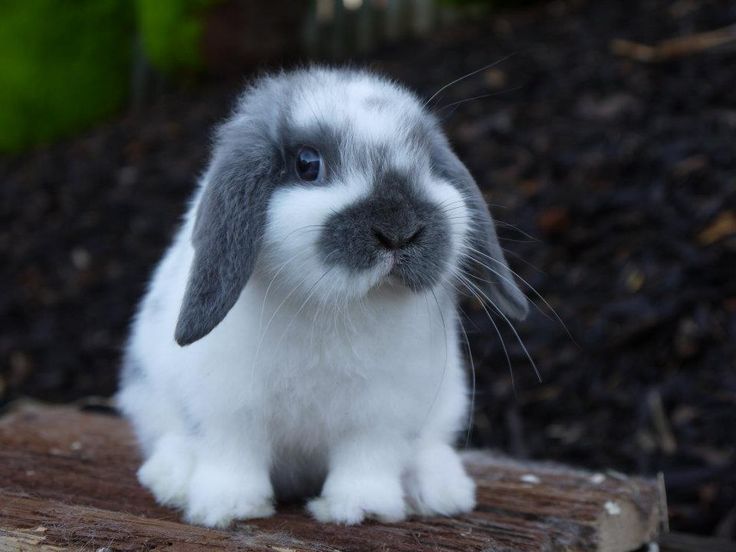
“Mini Lop Rabbit” from www.pinterest.com and used with no modifications.
Understanding Mini Lop Rabbits
Mini Lop rabbits are small, compact, and incredibly charming. They originated in Germany and were initially called “Kleine Widder,” meaning “Little Ram.” Their unique appearance and friendly nature quickly made them popular pets across the globe. Unlike their larger counterparts, Mini Lops are easier to handle, making them suitable for families and individuals alike.
Cost of Adopting a Mini Lop Rabbit
Before diving into the adoption process, it’s crucial to understand the financial commitment involved. While the initial adoption fees are relatively low, the ongoing care costs can add up over time. It’s important to budget for both initial and continuous expenses to ensure your Mini Lop has everything it needs to thrive.
Initial Purchase and Adoption Fees
Adopting a Mini Lop rabbit typically costs between $20 and $100, depending on the source. Shelters and rescue organizations often have lower fees compared to breeders, and they may include initial veterinary check-ups and vaccinations in the cost. It’s always a good idea to ask what is included in the adoption fee to avoid unexpected expenses later.
In addition to the adoption fee, you’ll need to invest in a suitable cage or hutch, which can range from $50 to $150. Other initial purchases include a water bottle, food dish, and bedding, which can add another $30-$50 to your startup costs.
Ongoing Care and Maintenance Costs
Once your Mini Lop is home, there are monthly expenses to consider. Food is a significant cost, with hay, pellets, and fresh vegetables adding up to $20-$40 per month. Bedding and litter can cost an additional $10-$20 monthly. Toys and grooming supplies, although not as frequent, are also necessary for your rabbit’s well-being and can amount to $5-$10 per month. If you’re considering different rabbit breeds, check out this guide on the best rabbit types to adopt for more insights.
Budgeting for Potential Health Expenses
Like all pets, Mini Lop rabbits may face health issues that require veterinary attention. Routine check-ups, vaccinations, and potential emergency care should be factored into your budget. Routine vet visits can range from $50 to $100 annually, while emergency visits can be significantly more. Having a small savings fund for unexpected health expenses is a wise decision for any pet owner. For those considering different rabbit breeds, you might find it helpful to explore the best rabbit types to adopt and their specific health considerations.
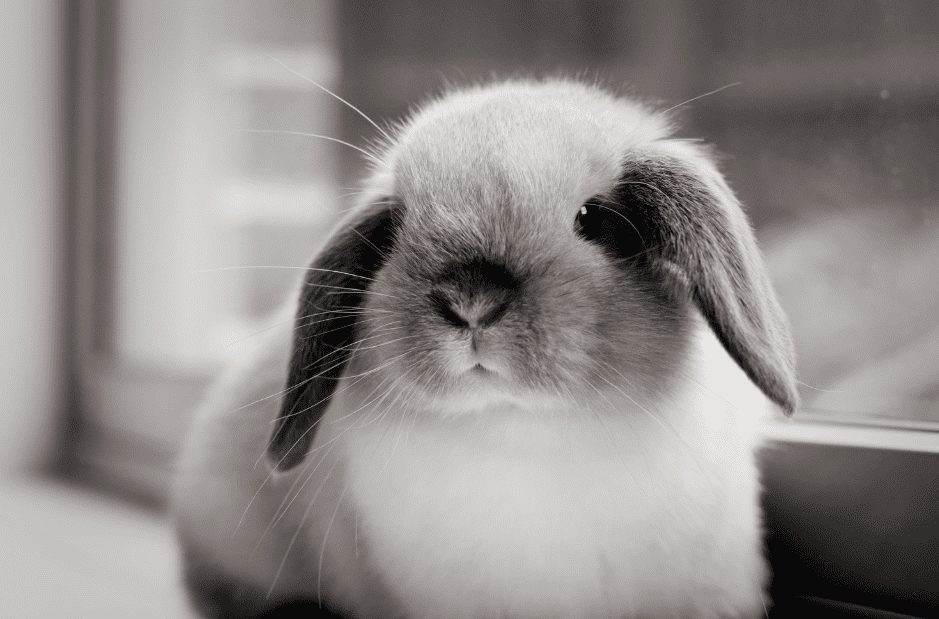
“Mini Lop Rabbit – Top Guide & Facts” from animalcorner.org and used with no modifications.
Mini Lop Rabbit Characteristics
Understanding the unique characteristics of Mini Lop rabbits is key to providing the best care. Their size, lifespan, and behavior all play a role in how they fit into your household and lifestyle.
- Small and compact body
- Floppy, adorable ears
- Friendly and sociable demeanor
- Requires regular grooming and exercise
- Enjoys human interaction and bonding
Size and Weight
Mini Lop rabbits are small, typically weighing between 3 to 6 pounds. Their compact size makes them easy to handle and suitable for indoor living. Despite their small stature, they are robust and muscular, giving them a sturdy appearance.
Due to their size, Mini Lops require less space than larger rabbit breeds, making them an excellent choice for apartment dwellers or those with limited space. However, they still need ample room to hop and play, so providing a safe area for exercise is essential.
Lifespan Expectancy
With proper care, Mini Lop rabbits can live for 8 to 10 years. This relatively long lifespan means they are a long-term commitment, similar to a dog or cat. Providing a balanced diet, regular veterinary care, and a loving environment are crucial for ensuring they live a full and healthy life.
Understanding the potential lifespan of a Mini Lop rabbit helps in planning for their care throughout their life stages, from playful youth to mature adulthood.
Behavior and Temperament
Mini Lops are known for their friendly and sociable nature. They thrive on human interaction and often form strong bonds with their owners. This affectionate behavior makes them excellent pets for families, as they enjoy being held and cuddled. If you’re considering adopting a rabbit, you might want to explore the best rabbit types to adopt to find the perfect companion.
It’s important to handle them gently and regularly to maintain their sociable nature. Proper socialization from a young age helps them become well-adjusted and friendly companions. Besides their love for cuddles, Mini Lops are curious and playful, requiring mental stimulation and physical activity to prevent boredom.
Handling and Social Interaction
Mini Lop rabbits are naturally sociable creatures. They enjoy spending time with their human companions and are known for their loving and gentle nature. This makes them perfect pets for those who want a rabbit that loves interaction and play. However, it’s important to approach them with care to ensure they feel safe and comfortable in your presence.
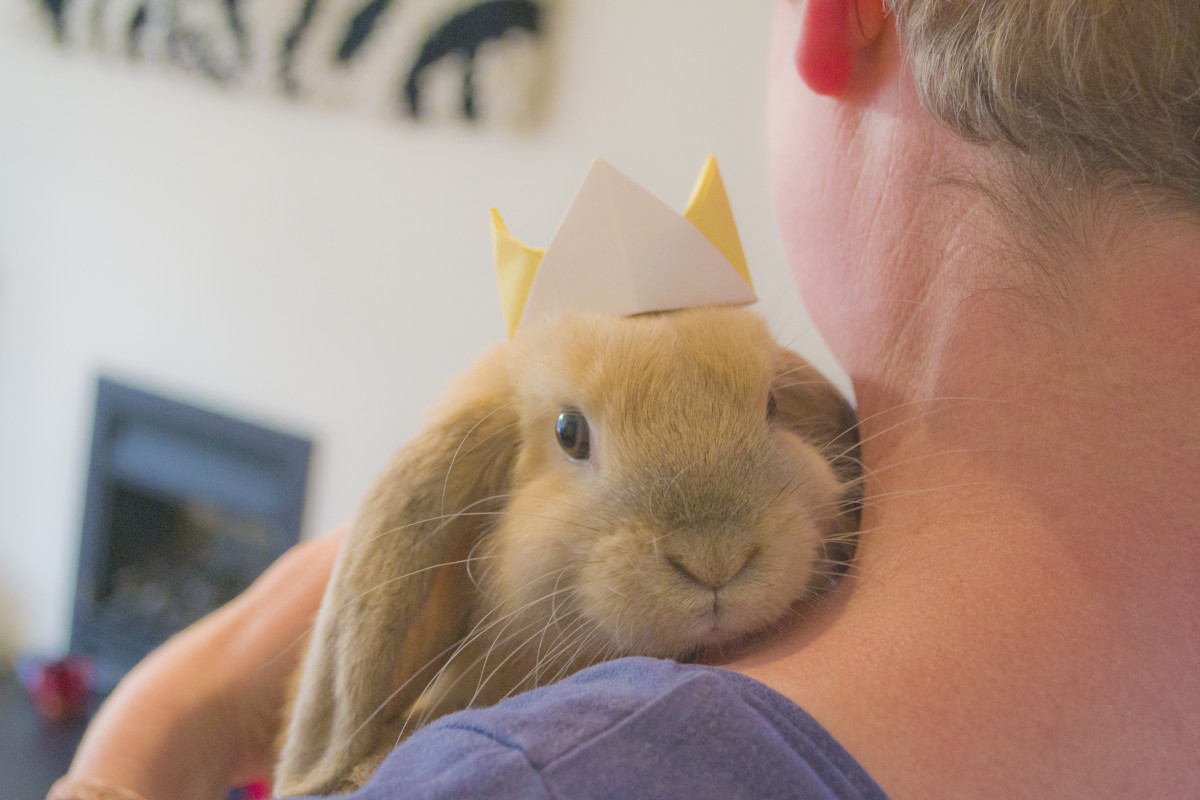
“Mini Lop (Holland Lop) Rabbits …” from pethelpful.com and used with no modifications.
Holding and Cuddling
When holding a Mini Lop rabbit, always support their hindquarters to prevent injury and help them feel secure. They love being held close, as it mimics the warmth and safety of their natural environment. It’s best to sit down when first holding your rabbit to prevent accidental falls. Remember, every rabbit is different, so pay attention to your Mini Lop’s cues to determine how much handling they enjoy.
Bonding with Family and Other Pets
Mini Lops tend to bond well with all family members, including children. However, it’s crucial to supervise interactions with young kids to ensure gentle handling. When it comes to other pets, slow and controlled introductions are key. Mini Lops can coexist with other rabbits and even some calm, non-predatory animals, but always monitor their interactions to ensure everyone is getting along well. For those interested in exploring different rabbit breeds, check out the best rabbit types to adopt.
Is a Mini Lop Right for You?
Deciding to adopt a Mini Lop rabbit is an exciting decision, but it’s important to consider if this breed is the right fit for your lifestyle. They require time, attention, and care, much like any other pet. Let’s explore the pros and cons to help you make an informed choice.
Pros of Owning a Mini Lop Rabbit
One of the biggest advantages of owning a Mini Lop is their affectionate nature. They are known for being friendly and easy to bond with, making them ideal companions for families. Their small size and manageable weight make them suitable for homes with limited space.
Another advantage is their intelligence. Mini Lops can be trained to use a litter box, and they often enjoy learning simple tricks. This can be a fun way to engage with your rabbit and strengthen your bond. For more information on different rabbit breeds and their training capabilities, check out this guide.
Cons to Consider
Despite their many benefits, there are some challenges to owning a Mini Lop rabbit. They require daily attention and social interaction to stay happy and healthy. If left alone for long periods, they may become bored or anxious, leading to behavioral issues.
Additionally, while they are generally healthy, Mini Lops can be prone to dental problems due to their small size and specific diet requirements. Regular veterinary check-ups and a proper diet are necessary to prevent these issues.
Suitability for First-Time Owners
Mini Lops are often recommended for first-time rabbit owners due to their friendly and adaptable nature. They are relatively low-maintenance compared to some other rabbit breeds, making them a good choice for those new to rabbit care.
However, first-time owners should educate themselves on rabbit care basics, including diet, housing, and health needs, to ensure they provide the best environment for their new pet. Joining rabbit care forums or groups can be a helpful resource for new owners.
Comparing Mini Lops to Other Lop Breeds
Lop rabbits are a popular choice among rabbit enthusiasts, with several breeds to choose from. Each has its unique characteristics, so it’s essential to understand how Mini Lops compare to their lop-eared cousins.
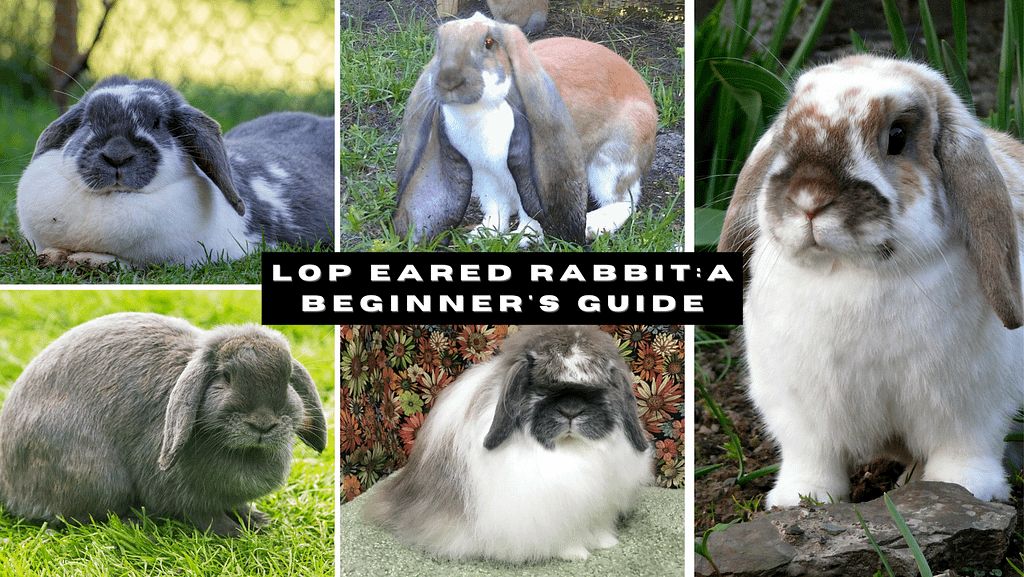
“Lop Eared Rabbit: A Beginner’s Guide …” from therabbithop.com and used with no modifications.
American, English, French, and Holland Lops
While Mini Lops are small and compact, American Lops tend to be larger and more robust. English Lops are known for their extraordinarily long ears, which require special care to prevent injury. French Lops are one of the largest lop breeds, known for their calm and laid-back temperament.
Holland Lops, like Mini Lops, are small but tend to be even more compact and weigh less. They are similar in temperament, making them another excellent choice for families and first-time owners.
Key Differences and Similarities
One of the main differences between these lop breeds is their size. Mini Lops are smaller and more manageable, making them suitable for homes with limited space. Their temperament is another distinguishing factor; while all lop breeds are generally friendly, Mini Lops are particularly known for their affectionate nature.
In terms of care, all lop breeds require regular grooming to maintain their coats and prevent matting. They also need a balanced diet rich in hay, fresh vegetables, and quality pellets to ensure their health and longevity. Understanding these similarities and differences can help you choose the lop breed that best fits your lifestyle and preferences.
Choosing the Best Fit for Your Lifestyle
When deciding which rabbit breed is the best fit for your lifestyle, consider the amount of time you can dedicate to your pet. Mini Lops, with their friendly and sociable nature, require regular interaction and companionship. They are perfect for those who can spend time daily playing and bonding with their rabbit.
Space is another crucial factor. Mini Lops, being small, are suitable for apartments or homes with limited space. However, they still need room to hop and explore, so ensure you have a safe area for them to play.
Budget is also important. While Mini Lops are relatively low-maintenance, they do come with costs for food, bedding, and veterinary care. Being prepared for these expenses ensures that you can provide the best care for your rabbit.
- Consider your daily schedule and availability.
- Assess the space you have for a rabbit habitat.
- Budget for initial and ongoing care costs.
- Research rabbit care and commit to learning more.
- Visit shelters or breeders to meet different breeds.
Bonding with Other Breeds
Mini Lop rabbits are known for their ability to bond with other rabbits, making them a great choice if you already have a rabbit or are considering adopting more than one. Their gentle and friendly nature allows them to form strong connections with other rabbits.
When introducing Mini Lops to other breeds, it’s essential to do so gradually and in a controlled environment. This helps prevent any territorial behavior and ensures a smooth transition for both rabbits.
- Introduce rabbits in neutral territory.
- Supervise initial interactions closely.
- Look for signs of aggression or stress.
- Provide separate spaces if needed initially.
- Gradually increase time spent together.
Bonding rabbits can take time, so patience is key. Each rabbit is unique, and their personalities will play a significant role in how quickly they adapt to one another. With time and careful management, Mini Lops can form lifelong friendships with other rabbits.
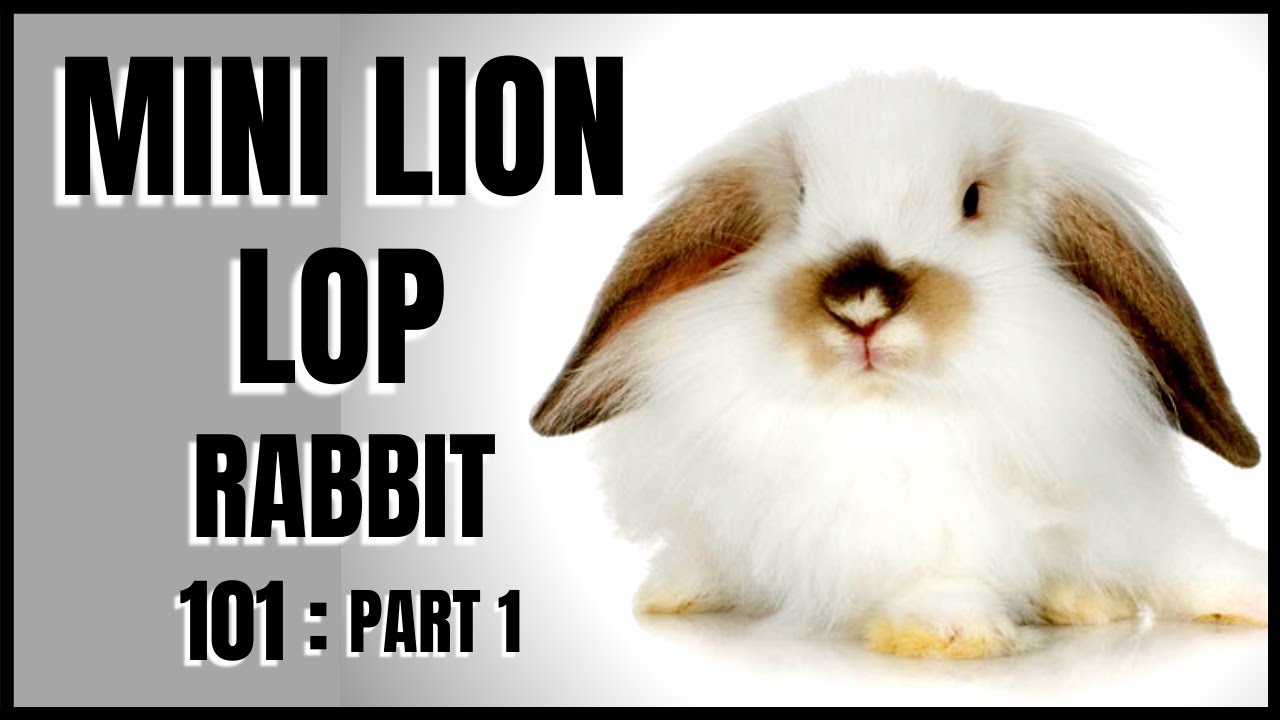
“Mini Lion Lop Rabbit 101: Part 1 – YouTube” from www.youtube.com and used with no modifications.
Interactions with Lionhead Rabbits
Mini Lops and Lionhead rabbits can make excellent companions due to their similar temperaments. Both breeds are known for their friendly and social behavior, making them compatible for cohabitation. However, like any introduction, it’s crucial to monitor their interactions closely at first. For more information on Mini Lops, you can check out this Mini Lop Rabbit guide.
Tips for Introducing Mini Lops to Other Rabbit Breeds
Start by allowing your rabbits to see and smell each other through a barrier, such as a pen or cage. This helps them become familiar with each other’s presence without direct contact. Gradually increase their exposure to one another, always watching for any signs of aggression or stress.
Provide plenty of hiding spaces and distractions, such as toys, to keep them occupied during their interactions. This can help reduce tension and promote positive associations with each other’s presence. For more information on rabbit care, check out our Dwarf Papillon Rabbit adoption guide.
Conclusion: Is a Mini Lop Rabbit the Pet for You?
Deciding to adopt a Mini Lop rabbit is a commitment that can bring joy and companionship to your life. Their friendly and affectionate nature makes them ideal pets for families and individuals alike. However, they do require time, care, and resources to ensure they live a happy and healthy life.
If you’re prepared to meet their needs and provide a loving home, a Mini Lop rabbit can be a wonderful addition to your family. They offer companionship and joy, and with the right care, they can thrive in your home for many years. For more information on choosing the right rabbit, you might consider reading about the best rabbit types to adopt.
Summary of Key Takeaways
Adopting a Mini Lop rabbit involves considering costs, space, and time commitment. They are small, friendly, and suitable for first-time owners. With proper care, they can live for 8-10 years and form strong bonds with humans and other rabbits. For those interested in learning more about different rabbit breeds, check out our guide on the best rabbit types to adopt.
Final Thoughts and Recommendations
Mini Lop rabbits are a delightful choice for those looking for a small, affectionate pet. Ensure you are ready for the responsibility and prepared to provide the necessary care. Visit local shelters or breeders to meet Mini Lops and learn more about their needs before making your decision.
Frequently Asked Questions (FAQ)
As you consider adopting a Mini Lop rabbit, you might have some questions about their care and requirements. Here are some of the most common inquiries prospective owners have.
What is the average cost of adopting a Mini Lop rabbit?
The cost of adopting a Mini Lop rabbit can vary depending on where you adopt from. Adoption fees typically range from $20 to $100. Shelters and rescue organizations may offer lower fees, which often include initial health checks and vaccinations.
Besides the adoption fee, you should budget for a cage or hutch, food, bedding, and toys, which can add up to $100-$200 initially. Monthly costs for food, bedding, and other supplies usually range from $50 to $100.
Example: “When I adopted my Mini Lop from a local shelter, the adoption fee was $30. This included a vet check and the first round of vaccinations. I spent about $150 on supplies like a cage, food, and toys to get started.”
How long do Mini Lop rabbits typically live?
Mini Lop rabbits generally have a lifespan of 8 to 10 years, provided they receive proper care. This includes a balanced diet, regular veterinary check-ups, and a safe, loving environment. For more detailed information, you can read about Mini Lop rabbit care and lifespan.
Ensuring they have plenty of space to exercise and mental stimulation is crucial for their longevity. Regular grooming and attention to their dental health also contribute to a long, healthy life.
The Mini Lop rabbit is a popular choice for pet owners due to its friendly and playful nature. These rabbits are known for their compact size and distinctive lop ears, making them an adorable addition to any household. If you’re considering adopting a Mini Lop, it’s important to understand their care requirements, including their diet, exercise needs, and socialization. For more detailed information, you can explore this guide on Mini Lop rabbit facts, lifespan, behavior, and care.