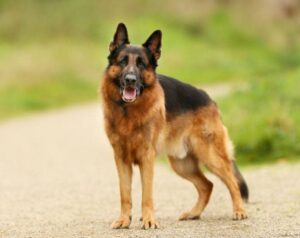
German Shepherds are renowned for their intelligence and versatility, making them one of the most popular dog breeds in the world. As we explore the German Shepherd breed, it’s important to weigh their strengths against their potential challenges. In this article, we’ll delve into the pros and cons of owning a German Shepherd, examine how their intelligence influences ownership and training, and identify key facts every potential owner should know. We’ll also consider the ideal lifestyle and environment for these remarkable dogs.
Key Takeaways
- German Shepherds are highly intelligent and trainable, making them excellent working dogs.
- They are loyal companions and can be protective of their families.
- Regular exercise and mental stimulation are essential for a German Shepherd’s well-being.
- Potential health issues include hip dysplasia and degenerative myelopathy.
- German Shepherds thrive in active households with experienced dog owners.
Key Benefits of Owning a German Shepherd
Owning a German Shepherd comes with a host of benefits that make them a favorite among dog lovers. These dogs are known for their unwavering loyalty and protective nature, which can make them excellent family pets and guardians. Their intelligence and trainability also mean they can excel in various roles, from service dogs to family companions.
Loyal Companions and Family Protectors
German Shepherds are fiercely loyal to their families. They form strong bonds with their owners and are known to be protective, often acting as guardians of the home. This protective nature, combined with their intelligence, makes them excellent watchdogs. However, it’s crucial to socialize them early to ensure they don’t become overly suspicious or aggressive towards strangers.
“A well-socialized German Shepherd can be both a loving family pet and an effective guardian, striking the perfect balance between affection and protection.”
Most importantly, their loyalty extends beyond mere protection. German Shepherds are known for their affectionate nature towards family members, including children. This trait, coupled with their gentle demeanor, makes them wonderful companions for families.

“GERMAN SHEPHERD DOG: HUNTER TO HERDER …” from www.youtube.com and used with no modifications.
“The 5 German Shepherd Breed Types …” from www.youtube.com and used with no modifications.
Versatility in Roles and Activities
One of the standout features of German Shepherds is their versatility. These dogs are not only great family pets but also excel in various roles such as police work, search and rescue, and as service animals. Their intelligence and eagerness to learn make them suitable for a wide range of activities.
Natural Athleticism for Active Lifestyles
German Shepherds are naturally athletic and thrive in environments where they can be active. They require regular exercise to maintain their physical and mental health. Activities such as agility training, long walks, and interactive play are perfect for keeping them engaged. For families who enjoy an active lifestyle, a German Shepherd can be the perfect partner.
Common Challenges with German Shepherds
While German Shepherds have many advantages, they also come with certain challenges that potential owners should be aware of. Understanding these challenges can help you provide the best care for your German Shepherd and ensure a harmonious relationship.
Health Concerns and Genetic Issues
Like many purebred dogs, German Shepherds are prone to certain health issues. The most common concerns include hip dysplasia, a genetic condition that affects the hip joints, and degenerative myelopathy, a progressive disease of the spinal cord. Regular veterinary check-ups and a healthy lifestyle can help manage these conditions. For more on related breeds, consider reading about the Australian Shepherd.
- Hip Dysplasia: Affects the hip joint, causing pain and mobility issues.
- Degenerative Myelopathy: Affects the spinal cord, leading to gradual paralysis.
- Gastric Dilatation-Volvulus (bloat): A life-threatening condition that requires immediate attention.
Therefore, it’s essential to choose a reputable breeder who tests for these genetic conditions and provides a healthy start for the puppies. Regular veterinary care and a balanced diet can also help mitigate some of these health risks.
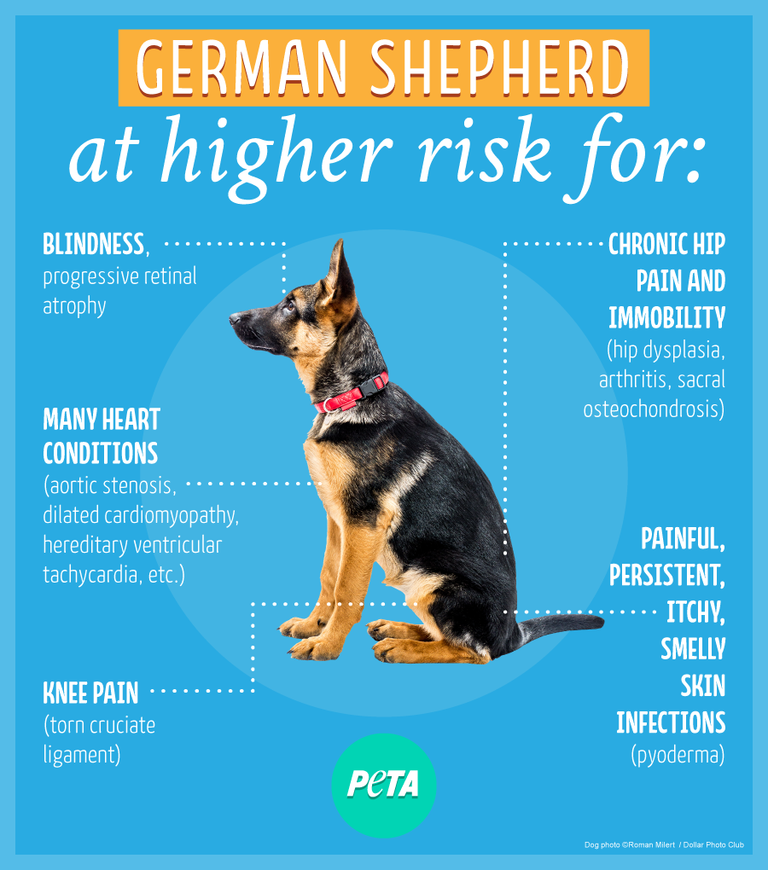
“Why You Should Dodge German Shepherds …” from www.peta.org and used with no modifications.
Managing High Energy Levels
German Shepherds are high-energy dogs that require ample exercise and mental stimulation. Without proper outlets for their energy, they can become bored and develop behavioral issues. It’s important to engage them in activities that challenge both their bodies and minds.
Daily walks, play sessions, and training exercises are crucial for keeping a German Shepherd happy and healthy. Additionally, interactive toys and puzzles can provide mental stimulation when you’re not available to engage them directly.
Because of their intelligence and energy, German Shepherds thrive in environments where they have a job to do. This could be as simple as learning new tricks, participating in dog sports, or even helping with household tasks.
Intelligence and Impact on Behavior
German Shepherds are often celebrated for their intelligence, ranking among the top dog breeds for cognitive abilities. This intelligence makes them highly trainable, allowing them to learn commands and tasks quickly. However, it also means they require mental stimulation to prevent boredom and potential behavioral issues. For those considering other breeds, the Australian Shepherd is another intelligent and trainable option.
Their keen intelligence is a double-edged sword. While it allows them to excel in obedience and agility training, it also means they can outsmart their owners if not properly engaged. A bored German Shepherd might find its own entertainment, which could lead to destructive behaviors.
Most importantly, understanding the intelligence of a German Shepherd is key to fostering a positive relationship. Providing them with challenges and learning opportunities will help harness their capabilities and ensure a well-behaved companion. For a comparison of similar breeds, check out this Australian Shepherd breed guide.
Role of Intelligence in Training Success
The intelligence of a German Shepherd plays a significant role in their training success. They are quick learners and can pick up new commands with ease. This makes them ideal candidates for advanced training, such as search and rescue, police work, and service dog roles.
Consistency and positive reinforcement are crucial when training a German Shepherd. They respond well to rewards and praise, making these effective tools for encouraging good behavior. Because of their intelligence, they thrive in environments where training is part of their daily routine. For those considering other intelligent breeds, you might explore the Australian Shepherd as well.
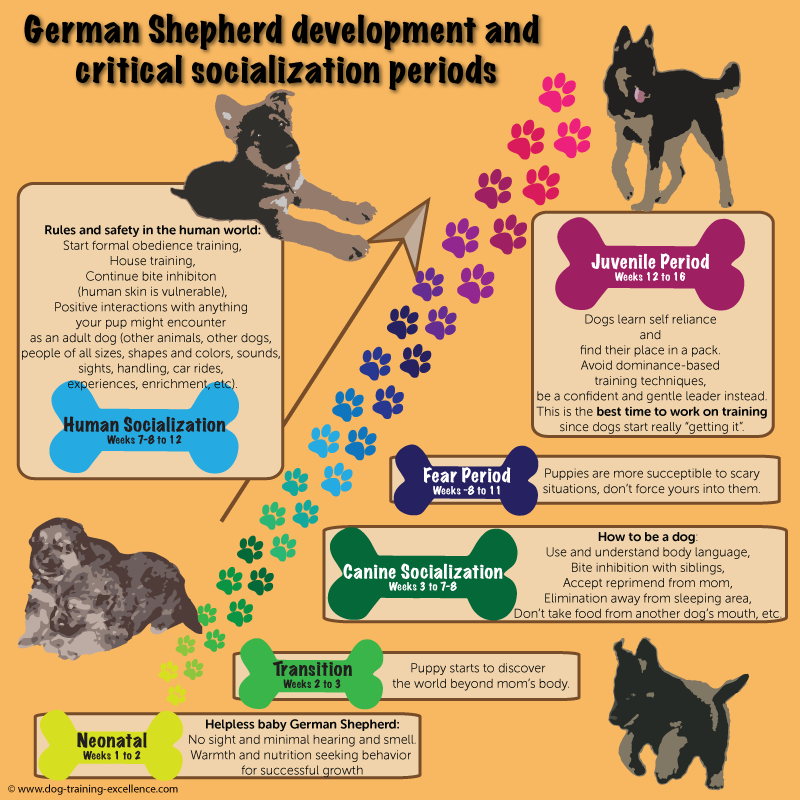
“German Shepherd Puppy Training Guide” from www.dog-training-excellence.com and used with no modifications.
Effective Training Techniques
To make the most of a German Shepherd’s intelligence, it’s important to use effective training techniques. Start with basic commands such as sit, stay, and come. Once these are mastered, you can introduce more complex tasks and activities.
Training sessions should be short and engaging, as German Shepherds can become bored with repetitive exercises. Using a variety of commands and activities keeps them interested and motivated. It’s also beneficial to incorporate play into training, as this reinforces learning and strengthens the bond between you and your dog.
Mental Stimulation and Activities
Besides physical exercise, mental stimulation is essential for a German Shepherd’s well-being. Interactive toys, puzzles, and games can keep their minds sharp and prevent boredom. Activities such as hide and seek, scent work, and agility courses provide both mental and physical challenges.
Incorporating these activities into your daily routine will help satisfy your German Shepherd’s need for mental engagement. Remember, a tired and mentally stimulated dog is a happy dog, which leads to a more harmonious household.
Things to Know Before Getting a German Shepherd
Before bringing a German Shepherd into your home, there are several important factors to consider. These dogs are not for everyone, and understanding their needs and characteristics will help you determine if they are the right fit for your lifestyle.
Lifetime Commitment and Care Requirements
Owning a German Shepherd is a lifetime commitment. These dogs require a lot of attention, exercise, and training throughout their lives. They thrive in environments where they are part of the family and have a clear role. For those considering a similar breed, the Australian Shepherd also offers a unique blend of companionship and energy.
Socialization and Early Training Importance
Socialization is crucial for German Shepherds, especially during their early months. Exposing them to different people, environments, and other animals helps them develop into well-adjusted adults. Early training also sets the foundation for good behavior and obedience. For those interested in other breeds, consider reading about the Brussels Griffon adoption guide for a different perspective on pet ownership.
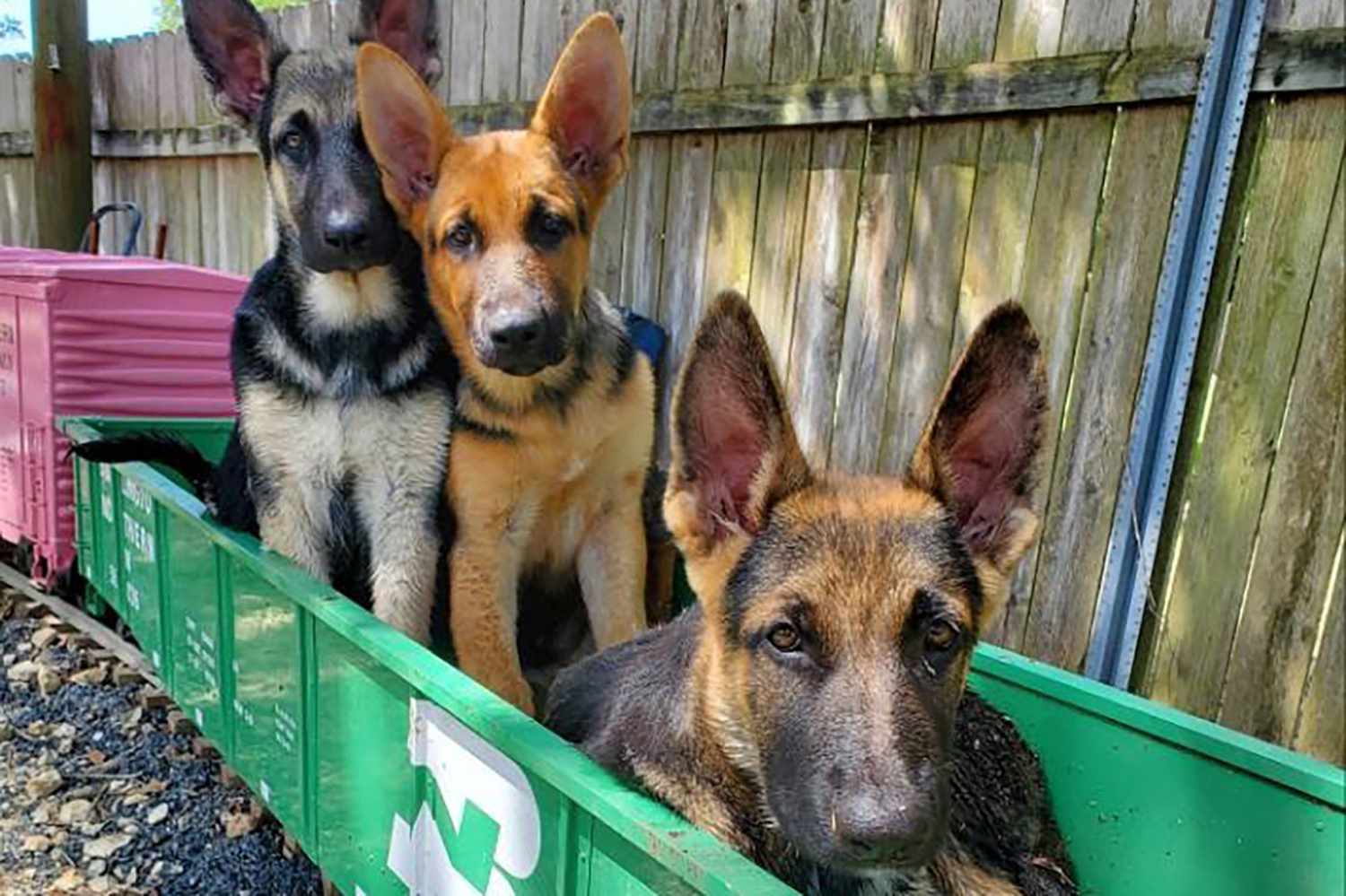
“Backyard Railroad” from www.dailypaws.com and used with no modifications.
Space and Environment Considerations
- German Shepherds need plenty of space to move and play.
- They are best suited for homes with a yard or access to open areas.
- Apartment living can be challenging unless they receive ample exercise and mental stimulation.
Besides that, it’s essential to create a safe and stimulating environment for your German Shepherd. Providing them with a variety of toys, activities, and training opportunities will keep them happy and engaged.
In summary, understanding the needs and characteristics of a German Shepherd is key to a successful ownership experience. These dogs require time, effort, and commitment, but the rewards of having a loyal and intelligent companion are well worth it.
Matching with the Ideal Owner and Lifestyle
German Shepherds are not suitable for every household. They thrive in environments where they have a clear purpose and are part of an active family. Understanding whether your lifestyle aligns with the needs of a German Shepherd is crucial before making a commitment. For those interested in similar breeds, consider exploring the Australian Shepherd’s compatibility with families.
Ideal owners are those who have experience with dogs and understand the importance of training and socialization. They are active individuals or families who can provide regular exercise and mental stimulation. With the right match, a German Shepherd can become a cherished member of the family.
Characteristics of an Ideal German Shepherd Owner
German Shepherds thrive under the care of owners who are committed, active, and knowledgeable about dog training. An ideal German Shepherd owner is someone who understands the breed’s need for mental and physical stimulation. This means being prepared to engage in regular training sessions, playtime, and exercise.
Moreover, patience and consistency are key traits for a German Shepherd owner. These dogs respond well to positive reinforcement and structured routines. Owners should be prepared to invest time in training and socialization to help their German Shepherd develop into a well-mannered adult.
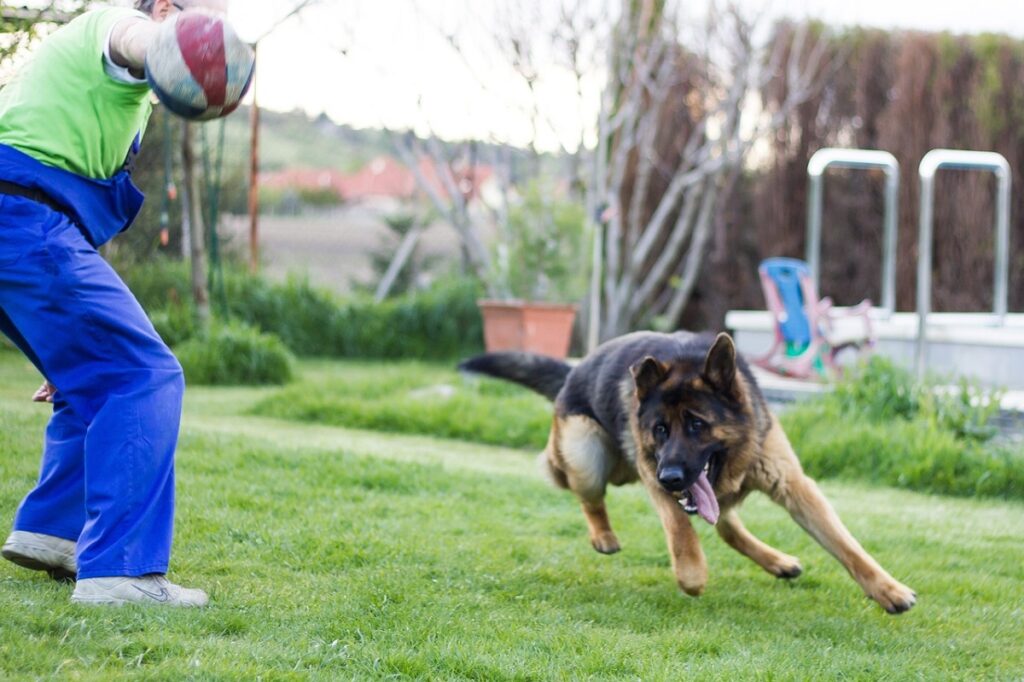
“German Shepherd Dog Breed Traits …” from worldanimalfoundation.org and used with no modifications.
Suitable Lifestyle and Home Environment
German Shepherds do best in homes where they have space to roam and play. A fenced yard is ideal, as it provides a safe area for them to expend their energy. These dogs are also well-suited for families who enjoy outdoor activities such as hiking, running, or agility training.
While German Shepherds can adapt to apartment living, it’s essential that they receive sufficient exercise and mental stimulation. Without it, they may become bored and exhibit destructive behaviors. Owners in smaller living spaces should be prepared to commit to daily walks and interactive play sessions. For more information on their care, check out this German Shepherd Dog Breed Health and Care guide.
Engagement with Active Routines
For a German Shepherd, an active routine is not just beneficial—it’s necessary. These dogs thrive on having a job or task to perform, whether it’s learning new tricks, participating in dog sports, or accompanying their owners on adventures. Engaging them in activities that challenge their minds and bodies will keep them happy and healthy.
Incorporating variety into their daily routines can prevent boredom and reinforce positive behaviors. This can include mixing up walking routes, introducing new toys, or enrolling in training classes. The key is to keep them engaged and stimulated, which in turn fosters a strong bond between dog and owner.
Frequently Asked Questions (FAQ)
As prospective German Shepherd owners consider adding this breed to their family, several common questions arise. Here are answers to some frequently asked questions to help guide your decision-making process.
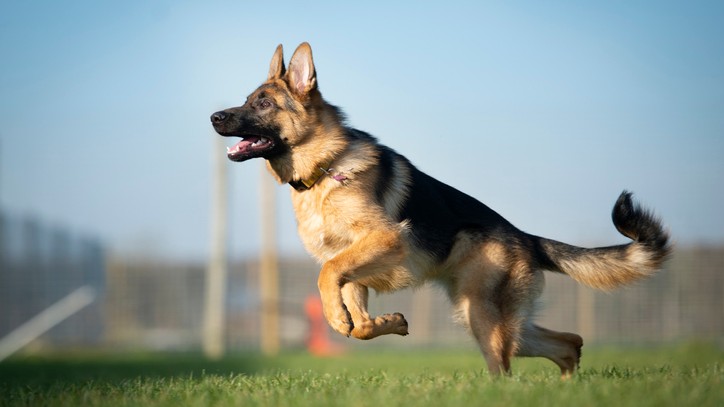
“German Shepherd Dog: Breed profile …” from www.petsradar.com and used with no modifications.
Are German Shepherds good with children under 12?
Yes, German Shepherds can be excellent with children under 12, provided they are properly socialized from a young age. They are known for their protective nature and can be gentle and patient with kids. Supervision is recommended to ensure positive interactions, especially with younger children who may not understand boundaries.
How much exercise does a German Shepherd need?
German Shepherds require a significant amount of exercise to maintain their physical and mental health. Ideally, they should receive at least 1-2 hours of exercise daily, which can include walks, playtime, and training sessions. Regular exercise helps prevent boredom and reduces the risk of behavioral issues.
In addition to physical activity, mental stimulation is equally important. Incorporating puzzle toys, scent games, and obedience training into their routine can keep their minds sharp and engaged.
What is the average lifespan of a German Shepherd?
The average lifespan of a German Shepherd is typically between 9 and 13 years. Factors such as genetics, diet, exercise, and healthcare can influence their lifespan. Regular veterinary check-ups and a balanced diet are essential for maintaining their health and longevity.
Do German Shepherds shed a lot and would grooming help?
Yes, German Shepherds are known to shed quite a bit, especially during their shedding seasons in the spring and fall. Regular grooming can help manage shedding and keep their coat healthy. Brushing them several times a week can reduce loose hair and minimize shedding around the home. For more information on grooming and care, you might find this guide on grooming Cesky Terriers interesting, as it offers insights that could be applicable to other breeds as well.
In addition to brushing, regular baths and occasional trips to a professional groomer can help maintain their coat and skin health. A well-groomed German Shepherd is not only more comfortable but also contributes to a cleaner living environment. If you’re considering other breeds, learn about the Ibizan Hound’s grooming needs for comparison.
Can German Shepherds live in apartments?
While German Shepherds can live in apartments, it requires a committed owner who can provide ample exercise and mental stimulation. Without a yard, it’s crucial to ensure they receive sufficient physical activity through daily walks and playtime. Interactive toys and training can also provide mental engagement.