Adopting a Toybob cat can be a thrilling journey for any pet lover. These unique felines are not only rare but also carry a charm that is hard to resist. However, before diving into the world of Toybob adoption, there are several aspects you need to consider. From understanding their rarity and cost to learning about their health and physical attributes, being well-informed is key to making the right decision.
Key Takeaways
- Toybob cats are one of the smallest and rarest cat breeds, originating from Russia.
- The cost of adopting a Toybob can vary greatly, typically ranging from $500 to $2,000 depending on factors such as breeder reputation and location.
- These cats are generally healthy but require regular veterinary check-ups due to their unique size and build.
- Toybob cats are characterized by their small size, bobbed tails, and playful, affectionate personalities.
- Creating a suitable home environment is crucial, as Toybob cats thrive in spaces where they feel safe and loved.
Boutique Charm and Rarity of Toybob Cats
There’s something undeniably captivating about Toybob cats. Their petite size and playful demeanor make them an instant favorite among cat enthusiasts. Despite their growing popularity, they remain a rare breed, which adds to their boutique charm. Owning a Toybob is like having a little piece of rarity in your home.
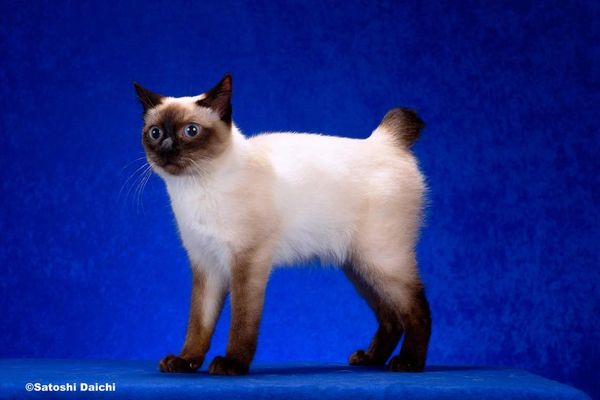
“HOME” from toybob.net and used with no modifications.
Origins and Rare Nature
Toybob cats hail from Russia, a country known for producing some of the world’s most unique cat breeds. Their lineage can be traced back to a natural mutation, which gives them their distinct small size and bobbed tails. This breed is not a miniaturized version of another cat; instead, it stands alone with its own set of characteristics.
Because of their rare nature, finding a Toybob cat for adoption can be a challenge. There are few breeders worldwide, and each kitten is highly sought after. This rarity is part of what makes Toybob cats so special, but it also means that potential adopters need to be prepared to wait for the right opportunity.
Popularity and Demand Among Cat Enthusiasts
Despite their rarity, Toybob cats have gained a loyal following among cat enthusiasts. Their playful personalities and affectionate nature make them ideal companions. These cats are known for forming strong bonds with their owners, providing endless joy and companionship.
Because of their unique characteristics and limited availability, the demand for Toybob cats is consistently high. Enthusiasts are drawn to their compact size and charming personalities, often willing to go the extra mile to bring one home. This high demand can influence both the availability and the cost of adoption.
Understanding the Cost of Toybob Cat Adoption
Adopting a Toybob cat is not just about finding the right feline friend; it’s also about understanding the financial commitment involved. The cost can vary significantly, influenced by various factors that potential adopters need to consider carefully. For those interested in other rare breeds, exploring the Japanese Bobtail cats might also be worthwhile.
Factors Affecting Adoption Costs
Several factors can affect the cost of adopting a Toybob cat. One of the primary considerations is the reputation of the breeder. Reputable breeders who adhere to high standards of care and ethics may charge more for their kittens. This ensures that the cats are healthy and well-socialized, which is crucial for their long-term well-being. For more information on adoption costs and rarity, you might find this Havana Brown cat adoption guide useful.
Another factor is the location of the breeder. Depending on where you live, you may need to consider additional costs such as transportation or shipping fees. Furthermore, the rarity of the breed itself contributes to the overall cost, as Toybob cats are not as readily available as other breeds.
Comparing Costs with Other Rare Breeds
When comparing the cost of adopting a Toybob cat to other rare breeds, it’s important to consider the unique attributes that each breed offers. While some rare breeds may have similar price ranges, the distinct characteristics of Toybob cats can make them more desirable to certain pet lovers.
For instance, the Scottish Fold and the Bengal are also considered rare breeds with high adoption costs. However, the Toybob’s small size and playful nature set it apart, appealing to those looking for a compact and lively companion. Ultimately, the choice between breeds comes down to personal preference and the specific traits that potential adopters value in a pet.
Health and Well-being of Toybob Cats
Toybob cats are generally known for their robust health, a trait that makes them even more appealing to potential adopters. Despite their small size, they often live long and healthy lives, provided they receive the proper care and attention. As with any pet, understanding their health needs is essential to ensure they thrive in your home.
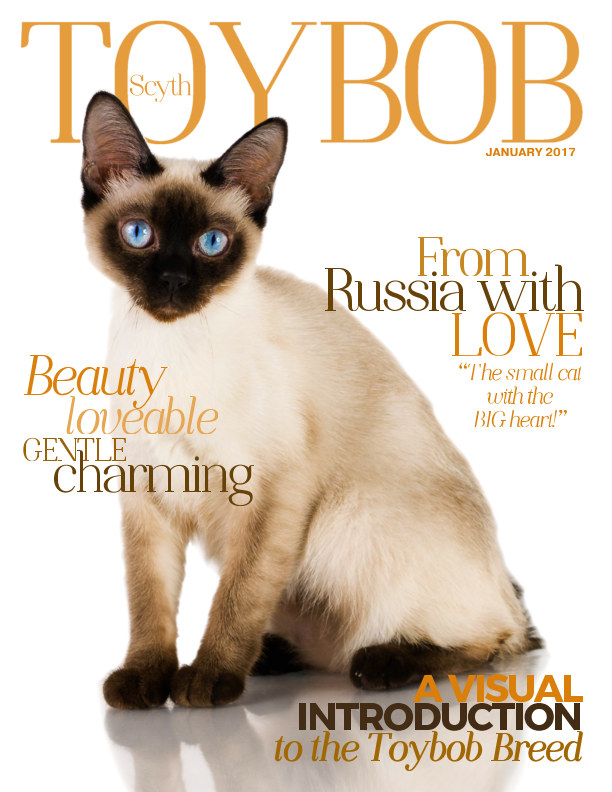
“International Toybob Cat Club | Blurb Books” from www.blurb.com and used with no modifications.
Common Health Traits and Longevity
Most Toybob cats enjoy a long lifespan, typically ranging from 14 to 15 years or more. They are generally healthy cats, but like all breeds, they can be prone to certain health issues. For example, their small size can sometimes lead to joint problems, so it’s important to monitor their activity levels and provide a suitable environment for exercise.
Regular veterinary check-ups are crucial to catch any potential health issues early. Vaccinations, parasite control, and dental care should be part of their routine health maintenance. By staying proactive about their health, you can ensure your Toybob cat enjoys a long and fulfilling life.
Recommended Care and Veterinary Practices
To keep your Toybob cat in optimal health, it’s important to establish a regular care routine. This includes a balanced diet, regular exercise, and mental stimulation. Toybobs are playful and curious by nature, so providing toys and interactive playtime is beneficial for their physical and mental well-being.
Besides that, grooming is another essential aspect of their care. Although Toybobs have a short coat, regular brushing helps reduce shedding and keeps their fur in good condition. Additionally, routine veterinary visits are important to monitor their health and address any concerns promptly.
Distinctive Size and Physical Attributes
Toybob cats are celebrated for their unique size and physical traits, which set them apart from other breeds. Their compact build and bobbed tails are distinctive features that contribute to their charm and appeal. Understanding these characteristics is key to appreciating the uniqueness of Toybob cats.
Their small size does not hinder their agility or playfulness. In fact, Toybobs are known for their energetic nature and love for interactive play. This makes them excellent companions for families and individuals who enjoy engaging with their pets. For those interested in similar breeds, consider exploring the Japanese Bobtail, another energetic and playful cat breed.
Contrasting Size: Toybob vs. Other Cats
When comparing Toybob cats to other breeds, their size is often the most noticeable difference. Toybobs are among the smallest cat breeds in the world, typically weighing between 0 to 2 kilograms. This makes them significantly smaller than average domestic cats, which can weigh anywhere from 3.5 to 7 kilograms.
Their petite size is a result of a natural mutation, not a result of selective breeding for miniaturization. This makes Toybobs unique in the world of small cats, as they are naturally small rather than bred to be miniature versions of larger breeds.
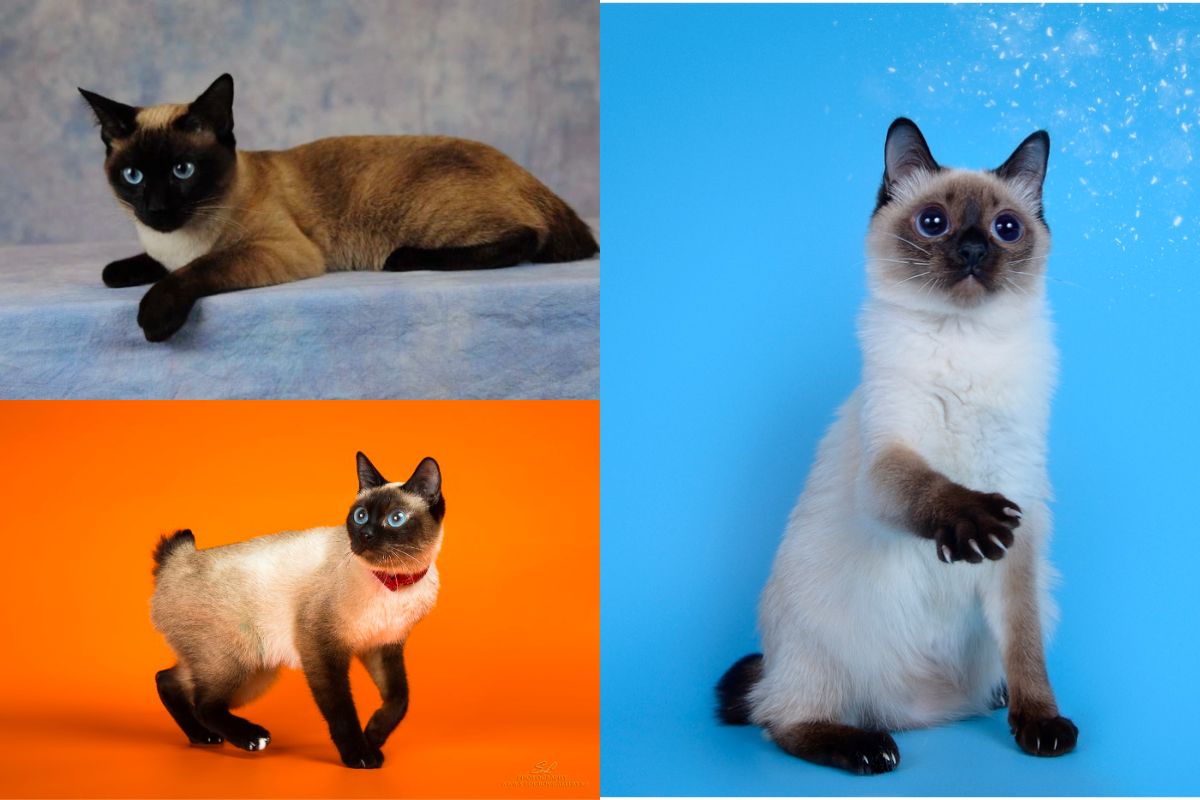
“Toybob Cat Breed – AmarPet” from amarpet.com and used with no modifications.
Unique Physical Traits: Tail and More
One of the most distinctive features of Toybob cats is their bobbed tail. Unlike other cats, which have long, flexible tails, Toybobs have a short, kinked tail that adds to their unique appearance. This trait is a result of their genetic heritage and is one of the defining characteristics of the breed. For those interested in similar breeds, the Japanese Bobtail also features a distinctive tail.
“Toybob cats have a naturally short tail, which gives them a distinctive look and contributes to their playful, kitten-like appearance.” – Toybob Cat Club
In addition to their tails, Toybob cats have round faces and large, expressive eyes. These features give them an endearing, almost kitten-like appearance, even as adults. Their compact bodies are muscular and agile, allowing them to move with surprising grace and agility.
Temperament and Ideal Home Environment
Toybob cats are known for their affectionate and playful nature. They thrive in environments where they receive plenty of attention and interaction from their human companions. Understanding their temperament is crucial to creating a home environment where they feel safe and loved.
These cats are highly sociable and enjoy being part of the family. They often form strong bonds with their owners and are known for their loyalty and affection. Providing a home where they feel secure and valued will help them thrive and become a cherished member of your household.
Sociability and Interaction Preferences
Toybob cats are known for their friendly and sociable nature. They thrive on interaction with their human companions and enjoy being part of the daily household routine. These cats love to be involved in family activities, whether it’s playing games, watching TV, or simply lounging around.
Because of their sociable nature, Toybobs do not like being left alone for long periods. They appreciate having a companion, whether it’s another pet or a family member, to keep them company. This makes them ideal for households where someone is usually home, ensuring they receive the attention they crave.
Moreover, Toybobs are curious creatures and enjoy exploring their environment. Providing them with a variety of toys and interactive activities can help keep them entertained and mentally stimulated. This not only satisfies their playful instincts but also strengthens the bond between you and your Toybob.
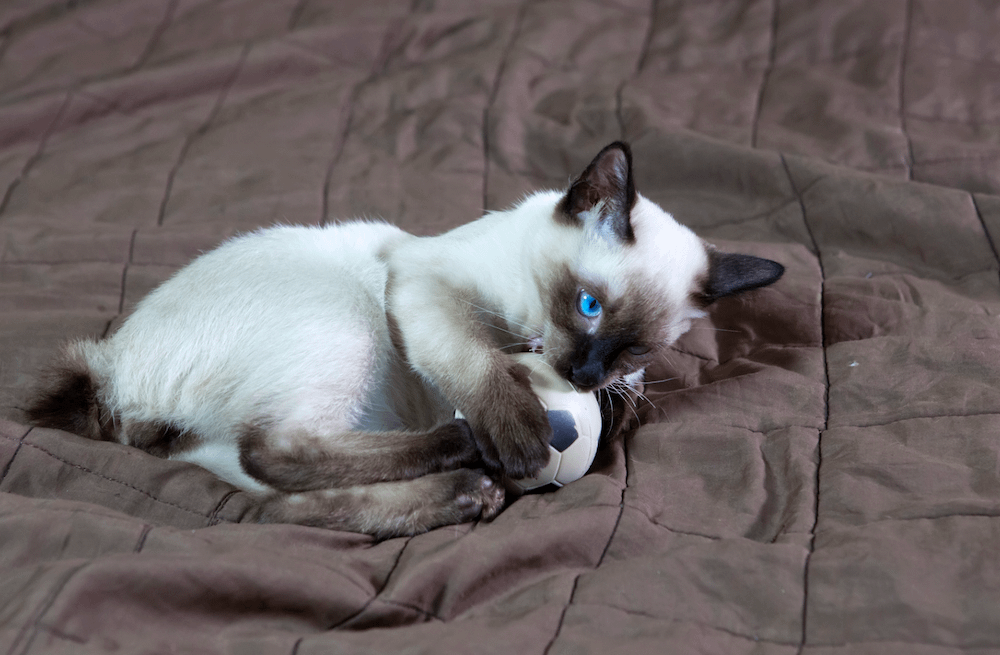
“15 Smallest Cat Breeds & Miniature Cats …” from www.litter-robot.com and used with no modifications.
Creating a Comforting Space for Your Toybob
“A Toybob’s home should be a sanctuary where they feel safe and cherished, filled with cozy nooks and engaging toys to stimulate their curious minds.” – Cat Care Expert. For more insights on adopting rare cat breeds, check out our guide on Havana Brown cat adoption.
Creating a comforting space for your Toybob is essential to their well-being. Start by designating a quiet area where they can retreat when they need some downtime. This could be a cozy bed or a small nook where they can feel secure. For more insights on adopting rare breeds, consider reading about the Japanese Bobtail cats.
Ensure their environment is enriched with toys and activities that encourage exploration and play. Interactive toys, scratching posts, and climbing structures can provide the mental and physical stimulation they need. Additionally, consider setting up a window perch where they can watch the world go by, as Toybobs enjoy observing their surroundings.
Finally, maintain a consistent routine for feeding, playtime, and grooming. This predictability helps Toybobs feel secure and reduces stress, allowing them to flourish in their new home. By creating a nurturing environment, you ensure your Toybob feels loved and content.
Conclusion: Embracing the Unique Joy of Toybob Adoption
“Adopting a Toybob cat is not just about bringing home a pet; it’s about welcoming a new member into your family who will bring joy, laughter, and love into your life.” – Pet Adoption Advocate. If you’re curious about other unique cat breeds, explore our guide on Havana Brown cat adoption.
Embracing the unique joy of Toybob adoption is a rewarding experience for any pet lover. These charming cats bring an abundance of affection and playfulness into your home, making every day a little brighter. Their rarity and distinct characteristics make them a treasure among cat breeds.
By understanding their needs and providing a loving environment, you can ensure your Toybob thrives and becomes a beloved companion. Whether it’s their playful antics or their affectionate cuddles, Toybobs have a way of capturing your heart and becoming an integral part of your family.
As you embark on this journey, remember that the joy of adopting a Toybob extends beyond the initial excitement. It’s about building a lifelong bond with a remarkable feline friend who will enrich your life in countless ways. Embrace the experience, and you’ll discover the true magic of Toybob adoption.
So, if you’re considering adopting a Toybob, take the plunge and welcome one of these delightful cats into your life. The love and joy they bring are truly unparalleled, making them a perfect addition to any loving home.
Frequently Asked Questions (FAQ)
Adopting a Toybob cat comes with many questions, and it’s important to have the right information before making a decision. Here are some frequently asked questions about Toybob cats to help guide you on your adoption journey. For more insights, you might find our Havana Brown cat adoption guide useful as a comparison.
From understanding their unique traits to ensuring you provide the best care, these FAQs cover the essentials you need to know about Toybob cats.
Are Toybob cats hypoallergenic?
Toybob cats are not considered hypoallergenic. Like most cats, they produce allergens in their saliva and skin that can trigger allergies in sensitive individuals. However, their short coat may shed less than other breeds, which can sometimes reduce the spread of allergens. It’s always a good idea to spend time with a Toybob before adopting to see how your allergies react.
How much space do Toybob cats need?
Toybob cats, despite their small size, are quite active and require space to explore and play. They don’t need a large home, but they do benefit from having access to vertical spaces, such as cat trees or shelves, where they can climb and perch.
Additionally, providing a variety of toys and activities can help keep them entertained and engaged, even in smaller living spaces. The key is to create an environment that stimulates their natural curiosity and playful nature.
“A Toybob doesn’t need a mansion to be happy; they just need a home filled with love, attention, and opportunities for adventure.” – Cat Behavior Specialist
By ensuring your Toybob has access to engaging spaces and activities, you can create a fulfilling environment that meets their needs, regardless of the size of your home.
With the right setup, Toybob cats can thrive in various living situations, making them adaptable companions for a wide range of households.
What is the average lifespan of a Toybob cat?
Toybob cats typically enjoy a long lifespan, often living between 14 to 15 years or more. With proper care, a balanced diet, and regular veterinary check-ups, these cats can lead healthy and fulfilling lives well into their senior years.
It’s important to monitor their health closely, especially as they age, to catch any potential issues early. Regular exercise and mental stimulation also play a crucial role in maintaining their overall well-being and longevity.
By providing a nurturing and attentive environment, you can ensure your Toybob cat lives a long, happy life, bringing joy and companionship to your household for many years to come.
The Toybob cat is a unique and rare breed known for its small size and playful nature. Unlike other breeds, the Toybob remains kitten-sized throughout its life, making it an adorable companion for cat lovers. If you’re interested in learning more about this fascinating breed, check out this Toybob cat breed information page for detailed insights into their temperament, size, and care requirements.