Key Takeaways
- Chesapeake Bay Retrievers originated in the United States, specifically Maryland, and are known for their loyalty and love of water.
- These dogs are characterized by their waterproof coats and robust build, making them excellent hunting companions.
- Chesapeake Bay Retrievers require consistent training and socialization due to their independent nature.
- They make protective and affectionate family pets, especially with children, but can be reserved around strangers.
- When considering adoption, it’s important to prepare your home and understand the specific needs of this breed.
Introduction to Chesapeake Bay Retrievers
Chesapeake Bay Retrievers, often affectionately called “Chessies,” are a remarkable breed with a rich history and a unique set of traits. Known for their loyalty, intelligence, and love of water, these dogs make excellent companions for the right families. Their origins are deeply rooted in the Chesapeake Bay area of the United States, where they were bred for their hunting prowess and resilience in harsh conditions.
Choosing to adopt a Chesapeake Bay Retriever can be a rewarding experience. These dogs are not only hardworking and dedicated but also form strong bonds with their families. They are protective, making them excellent watchdogs, while their gentle nature makes them wonderful with children. However, it’s essential to understand their needs and characteristics before bringing one into your home.
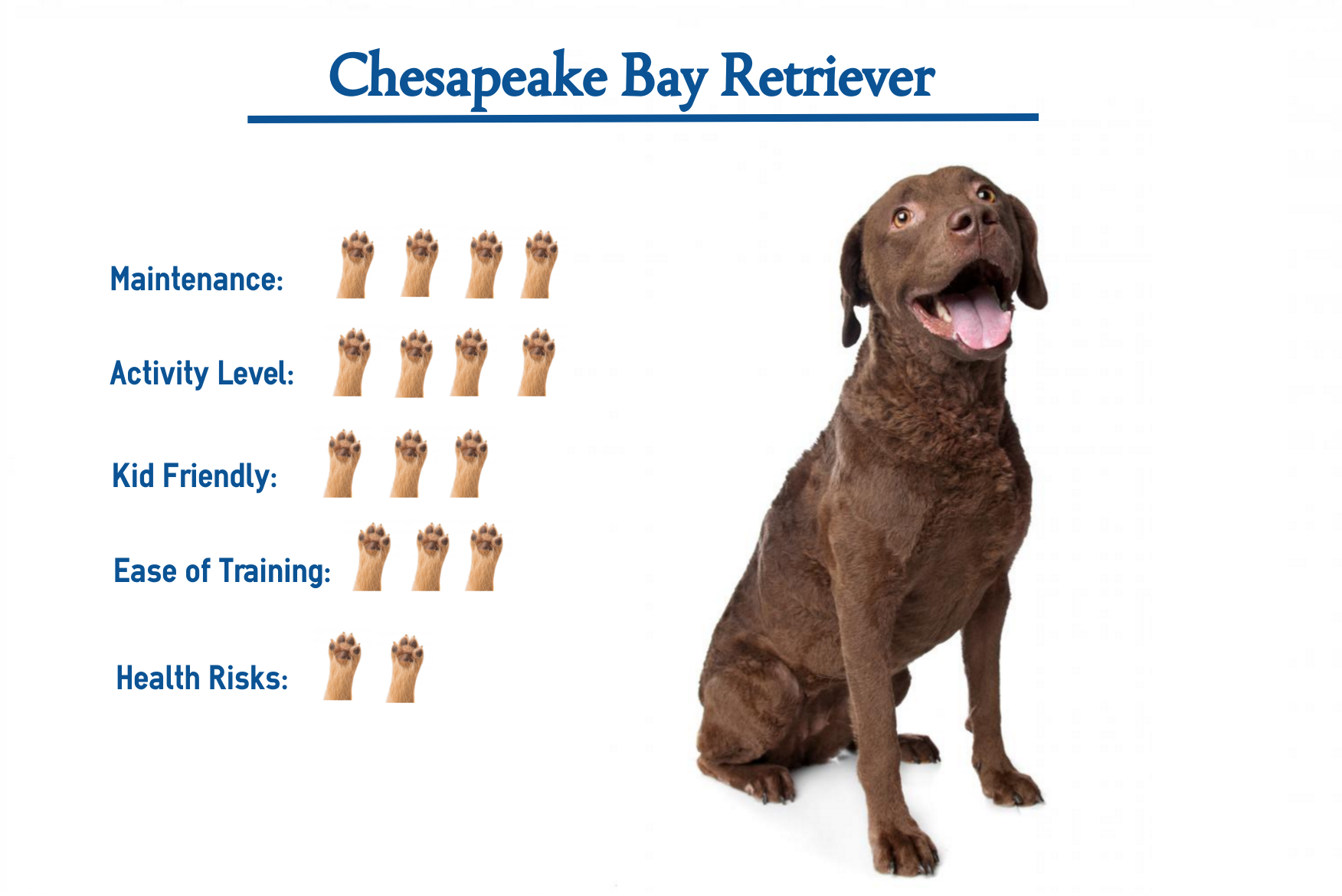
“Chesapeake Bay Retriever… Everything …” from indulgeyourpet.com and used with no modifications.
Quick Overview of the Breed
Chesapeake Bay Retrievers are medium to large-sized dogs with a sturdy build. They have a distinctive waterproof coat that comes in various shades of brown, from light tan to deep mahogany. This coat is not only beautiful but also functional, allowing them to thrive in wet and cold environments.
These dogs are known for their intelligence and problem-solving abilities. They are quick learners but can also be quite independent, which means training should be consistent and positive. While they are generally friendly, Chessies can be reserved with strangers, so early socialization is crucial.
Why Consider a Chesapeake Bay Retriever?
There are many reasons to consider adopting a Chesapeake Bay Retriever. Their loyalty and protective nature make them ideal family dogs, especially for active households. They are excellent swimmers and love outdoor activities, making them perfect companions for those who enjoy hiking, swimming, or hunting.
Moreover, Chessies are known for their strong work ethic and determination. They excel in various canine sports and activities, such as agility, obedience, and tracking. If you’re looking for a dog that can keep up with your active lifestyle and provide endless companionship, a Chesapeake Bay Retriever might be the perfect fit.
History and Origins of the Chesapeake Bay Retriever
The Chesapeake Bay Retriever’s story begins in the early 19th century in Maryland, where they were bred to retrieve waterfowl in the harsh conditions of the Chesapeake Bay. These dogs were developed from two Newfoundland puppies rescued from a shipwreck off the coast of Maryland in 1807. The puppies were bred with local dogs, resulting in a breed that was both resilient and skilled at retrieving game from icy waters. If you’re interested in learning about other breeds with unique histories, check out the Border Collie.
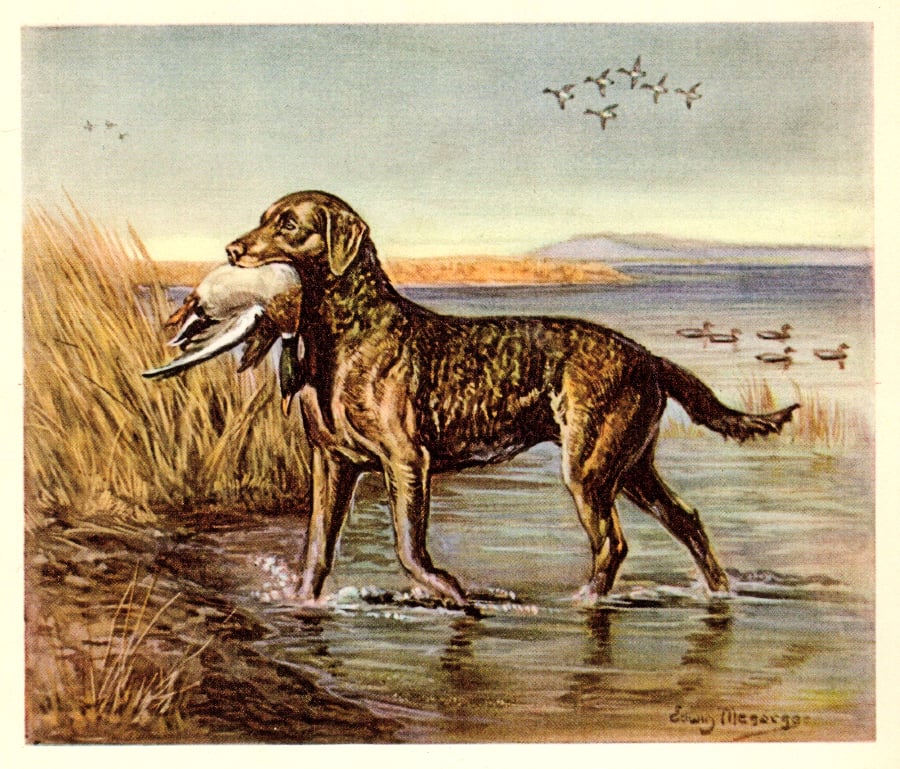
“Chesapeake Bay Retriever Temperament” from www.silvercreekcbr.com and used with no modifications.
Early Beginnings in Maryland
The early Chesapeake Bay Retrievers were prized for their ability to work tirelessly in the cold and rough waters of the Chesapeake Bay. Hunters needed a dog that could withstand the elements and retrieve ducks and geese efficiently. The breed’s development focused on creating a dog with a strong work ethic, excellent swimming ability, and a keen sense of smell, similar to the tracking ability of Bloodhounds.
Over time, the breed became known for its distinctive coat, which is thick and oily, providing insulation and water resistance. This trait, along with their muscular build and endurance, made them the ideal hunting companion for waterfowl hunters in the region.
Development as a Distinct Breed
As the Chesapeake Bay Retriever’s reputation grew, so did the efforts to establish it as a distinct breed. By the late 19th century, breeders began to standardize the breed’s characteristics, focusing on their unique coat, size, and temperament. The American Kennel Club officially recognized the Chesapeake Bay Retriever in 1878, cementing its status as a distinct and valued breed. For those interested in learning about other unique breeds, the Korat cat’s origins and rarity offer an intriguing comparison.
Key Historical Milestones
Throughout its history, the Chesapeake Bay Retriever has been celebrated for its contributions to hunting and its role as a loyal family companion. Notable milestones in the breed’s history include its recognition by the American Kennel Club and its continued popularity among hunters and dog enthusiasts alike.
Today, Chesapeake Bay Retrievers are cherished for their rich heritage and unique abilities. They continue to excel in various roles, from hunting companions to therapy dogs, showcasing their versatility and enduring appeal.
Characteristics and Traits of Chesapeake Bay Retrievers
Understanding the characteristics and traits of Chesapeake Bay Retrievers is essential for anyone considering adoption. These dogs are known for their unique physical attributes and distinct personalities, which make them both challenging and rewarding to own.

“Chesapeake Bay Retriever History: Where …” from www.akc.org and used with no modifications.
Physical Attributes
Chesapeake Bay Retrievers are robust and athletic dogs, typically weighing between 55 to 80 pounds and standing 21 to 26 inches tall at the shoulder. Their bodies are well-muscled and built for endurance, with a deep chest and strong legs.
Their coat is perhaps their most defining feature. It is dense and oily, providing excellent protection against water and cold. The coat can range in color from light brown to dark chocolate, with some dogs having a wavy texture while others are more straight.
|
Attribute |
Description |
|---|---|
|
Size |
Medium to large |
|
Weight |
55-80 pounds |
|
Coat |
Dense, oily, waterproof |
|
Color |
Various shades of brown |
Their eyes are clear and bright, often a striking amber color that complements their coat. Their ears are medium-sized and set high on their head, giving them an alert and intelligent expression.
Personality and Temperament
Chesapeake Bay Retrievers are known for their loyalty and protective nature. They form strong bonds with their families and are often described as devoted and affectionate. However, they can be reserved around strangers, making early socialization important.
Common Behavioral Tendencies
Chesapeake Bay Retrievers are intelligent and independent, traits that make them both fascinating and challenging. These dogs thrive when they have a job to do, whether it’s retrieving, participating in dog sports, or simply playing with family members. Their natural instinct to retrieve makes them eager participants in games of fetch and other activities that involve running and swimming.
- Highly energetic and require regular exercise
- Can be stubborn, needing firm yet gentle training
- Loyal and protective of their family
- May be wary of strangers, requiring socialization
It’s essential to keep them mentally and physically stimulated to prevent boredom, which can lead to destructive behaviors. A well-exercised Chessie is a happy Chessie, so ensure they have ample opportunities to burn off energy daily. For those interested in similar breeds, you might want to explore the Black Russian Terrier for its unique characteristics and temperament.
In terms of interaction, Chesapeake Bay Retrievers are generally good with children, making them excellent family pets. They are protective and watchful, ensuring the safety of their loved ones. However, they might not always get along with other dogs or pets, so proper introductions and supervision are necessary.
Training Needs and Challenges
Training a Chesapeake Bay Retriever requires patience and consistency. Because of their independent nature, these dogs might not always follow commands immediately, but they are quick learners when motivated correctly. Positive reinforcement methods, such as treats and praise, work best with this breed.
Start training early and focus on basic obedience commands like sit, stay, and come. Socialization is equally important, so expose them to various environments, people, and animals from a young age. This exposure helps them become well-rounded and confident adults.
The Adoption Process for Chesapeake Bay Retrievers
Adopting a Chesapeake Bay Retriever can be an incredibly rewarding experience, but it’s essential to understand the adoption process and prepare yourself and your home for a new furry family member. By following a few key steps, you can ensure a smooth transition for both you and your new pet.
Where to Find Rescues
There are several resources available for those looking to adopt a Chesapeake Bay Retriever. Breed-specific rescue organizations are a great place to start, as they often have dogs in need of homes. The AKC has lists of breed specific rescues, although the information provided (like contact info and website) is not always up to date, it is a great place to start. Additionally, local animal shelters and rescue groups may have Chesapeake Bay Retrievers or similar breeds available for adoption.
Online platforms like Petfinder and Adopt-a-Pet can also help you find available dogs in your area. These websites allow you to search by breed, location, and other criteria to find the perfect match for your family. For example, you can explore the differences between Labrador and Chesapeake Bay Retrievers to determine which breed suits your lifestyle best.
Steps in the Adoption Process
Once you’ve identified a potential rescue, the adoption process typically involves several steps to ensure a good fit between the dog and the family. Here’s a general outline of what to expect:
- Research the Breed: Make sure a Chesapeake Bay Retriever is the right fit for your lifestyle and family.
- Contact Rescue Organizations: Reach out to breed-specific rescues or local shelters to inquire about available dogs.
- Complete an Application: Fill out an adoption application, providing information about your home, lifestyle, and experience with dogs.
- Participate in Interviews or Home Visits: Some organizations may require an interview or home visit to ensure a suitable environment for the dog.
- Meet Potential Dogs: Arrange meetings with available dogs to find the best match for your family.
- Finalize the Adoption: Once you’ve found the right dog, complete the adoption process by signing an agreement and paying any necessary fees.
Throughout this process, it’s important to be patient and flexible. Finding the perfect Chesapeake Bay Retriever may take time, but the reward of providing a loving home to a deserving dog is well worth the effort.
Preparing Your Home for a New Pet
Before bringing your Chesapeake Bay Retriever home, it’s crucial to prepare your living space to ensure a smooth transition. Start by creating a designated area for your dog that includes a comfortable bed, food and water bowls, and a few toys to keep them entertained. If you’re also considering adopting other pets, such as a Bichon Frise, make sure to prepare accordingly to accommodate their needs as well.
Dog-proof your home by removing any hazards such as toxic plants, electrical cords, or small objects that could be swallowed. Establish a routine for feeding, exercise, and bathroom breaks to help your new pet adjust to their new environment. For those considering adopting a unique pet, learn more about Korat cat adoption and its distinct characteristics.
Comparing Chesapeake Bay Retrievers and Labrador Retrievers
Chesapeake Bay Retrievers and Labrador Retrievers are both popular breeds known for their friendly nature and love of water. While they share some similarities, there are distinct differences that potential owners should consider. For a detailed comparison, check out this article on key differences between Labrador and Chesapeake Bay Retrievers.
Both breeds are excellent swimmers, thanks to their strong build and water-repellent coats. They are intelligent and eager to please, making them relatively easy to train. Their friendly disposition makes them great family pets, and they both enjoy being active and engaging in outdoor activities.

“Chesapeake Bay Retriever vs. Labrador …” from www.pinterest.com and used with no modifications.
Similarities Between the Breeds
Both breeds are known for their love of water and their excellent swimming abilities. They are energetic, intelligent, and eager to please, making them great companions for active families. Additionally, both breeds are generally good with children and can adapt well to various living situations, provided they receive enough exercise and mental stimulation.
In terms of health, both breeds have similar lifespans, typically ranging from 10 to 13 years. They may also face similar health concerns, such as hip dysplasia and eye conditions, so regular veterinary check-ups and a healthy diet are essential.
Key Differences to Consider
While Chesapeake Bay Retrievers and Labrador Retrievers share many traits, there are some key differences to consider. Chessies tend to be more independent and protective than Labradors, making them excellent watchdogs. They may be more reserved with strangers and require consistent socialization to ensure they are comfortable in various situations.
In contrast, Labradors are often more sociable and easygoing, making them more adaptable to different social environments. They are generally more food-motivated than Chessies, which can make training easier. However, this also means they may be more prone to obesity, so monitoring their diet and exercise is crucial.
Common Behavioral Tendencies
Chesapeake Bay Retrievers are known for their strong-willed and independent nature. While they are loyal and devoted to their families, they may display a certain level of stubbornness, particularly when it comes to training. This can make them a bit challenging for first-time dog owners, but with the right approach, they are highly trainable.
These dogs are also naturally protective, which makes them excellent watchdogs. They have a keen sense of awareness and are always on the lookout for anything out of the ordinary. However, this trait also means that they can be wary of strangers, so it’s important to socialize them early and often to ensure they are comfortable in a variety of situations.
Training Needs and Challenges
Training a Chesapeake Bay Retriever requires patience, consistency, and a firm yet gentle approach. These dogs respond well to positive reinforcement techniques such as treats, praise, and play. It’s crucial to start training early and maintain a regular routine to help them understand expectations.
Because of their intelligence, Chessies can quickly pick up new commands, but they may also test boundaries. It’s important to establish yourself as the pack leader and set clear rules from the start. Consistent training and socialization will help curb any undesirable behaviors and ensure your Chesapeake Bay Retriever grows into a well-mannered adult.
Which Breed Fits Your Lifestyle?
When deciding between a Chesapeake Bay Retriever and a Labrador Retriever, consider your lifestyle and the traits that are most important to you. If you are looking for a loyal, protective companion with a strong work ethic, a Chesapeake Bay Retriever may be the right choice. They thrive in active households where they can participate in outdoor activities and have a job to do.
On the other hand, if you prefer a more sociable and easygoing dog that is adaptable to various social situations, a Labrador Retriever might be a better fit. They are excellent family pets and enjoy being part of the action, whether it’s a family outing or a quiet evening at home.
Chesapeake Bay Retrievers as Family Pets
Chesapeake Bay Retrievers can make wonderful family pets for the right household. Their loyalty and protective nature make them excellent companions for families with children. They are known to form strong bonds with their families and are often described as devoted and affectionate.
However, it’s important to remember that Chessies can be reserved around strangers, so early socialization is crucial. They require consistent training and mental stimulation to prevent boredom and ensure they are well-behaved members of the family.
With the right care and attention, a Chesapeake Bay Retriever can be a loving and loyal addition to any family, providing years of companionship and joy.
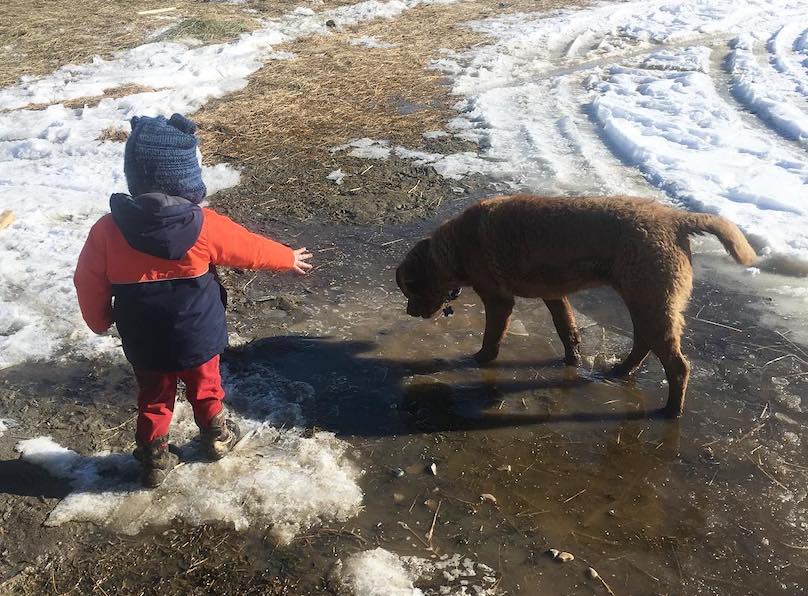
“Chesapeake-Bay-Retriever-Breed-Info …” from post.bark.co and used with no modifications.
Suitability with Children
Chesapeake Bay Retrievers are known for their protective and loyal nature, making them excellent companions for families with children. They tend to form strong bonds with their family members and are often very gentle and patient with kids. However, because of their protective instincts, they may be wary of strangers, including other children, until they are properly introduced. It’s essential to supervise interactions between your Chesapeake Bay Retriever and young children to ensure play remains safe and respectful.
Compatibility with Other Pets
While Chesapeake Bay Retrievers can get along well with other pets, their compatibility largely depends on early socialization and training. They have a natural prey drive due to their hunting background, so introducing them to other animals at a young age is crucial. Proper introductions and consistent training can help them coexist peacefully with other dogs and even cats. However, each dog’s temperament is unique, so individual assessments are necessary when introducing a Chesapeake Bay Retriever to a multi-pet household.
Exercise and Activity Requirements
Chesapeake Bay Retrievers are energetic dogs that require regular exercise to stay healthy and happy. They thrive in environments where they can engage in physical activities such as swimming, hiking, and playing fetch. Ideally, they should have at least an hour of exercise each day to burn off energy and prevent boredom. Providing mental stimulation through training, puzzle toys, or interactive games is equally important to keep their minds sharp and satisfied.
Conclusion
Adopting a Chesapeake Bay Retriever can be a fulfilling experience for those who appreciate their unique qualities and are willing to meet their needs. These dogs are loyal, protective, and full of energy, making them excellent companions for active families who enjoy outdoor activities. However, it’s essential to understand their independent nature and provide consistent training and socialization from an early age.
With the right care and attention, a Chesapeake Bay Retriever can become a cherished member of the family, offering years of companionship, loyalty, and love.
Final Thoughts on Adopting a Chesapeake Bay Retriever
Bringing a Chesapeake Bay Retriever into your home is a decision that requires careful consideration and preparation. These dogs are not for everyone, but for those who are committed to providing the necessary training, exercise, and love, they can be incredibly rewarding companions. Take the time to research and understand the breed, and ensure that your home and lifestyle are well-suited to meet their needs. In return, you’ll gain a devoted friend who will stand by you through thick and thin.
Frequently Asked Questions (FAQ)
When considering a Chesapeake Bay Retriever, it’s natural to have questions about their care and compatibility. Here are some common queries prospective owners might have, especially when comparing them to other breeds like the Border Collie:
Are Chesapeake Bay Retrievers good for first-time dog owners?
Chesapeake Bay Retrievers may not be the best choice for first-time dog owners due to their independent and sometimes stubborn nature. They require consistent training and socialization, which can be challenging for those without prior dog experience. However, with dedication and the right guidance, first-time owners can successfully raise a well-behaved Chesapeake Bay Retriever.
What is the average lifespan of a Chesapeake Bay Retriever?
The average lifespan of a Chesapeake Bay Retriever is typically between 10 to 13 years. With proper care, a balanced diet, and regular veterinary check-ups, these dogs can enjoy a long and healthy life. It’s important to monitor their health and address any issues promptly to ensure their well-being throughout their lifespan.
Regular exercise and maintaining a healthy weight are also key factors in promoting longevity and preventing common health issues.
How do Chesapeake Bay Retrievers handle being alone?
Chesapeake Bay Retrievers are social animals that thrive on interaction with their families. They can tolerate being alone for short periods, but prolonged isolation may lead to anxiety and destructive behavior. To prevent this, provide them with mental stimulation and toys when you’re away, and ensure they receive plenty of attention and exercise when you’re home.
Consider hiring a dog walker or enrolling them in doggy daycare if you have a busy schedule to keep them happy and engaged.
Example: “Chesapeake Bay Retrievers are known for their loyalty and protective nature, making them excellent companions for families with children.” – Background Information
Ensuring they are well-exercised and mentally stimulated can help mitigate any separation anxiety and promote a well-adjusted demeanor, especially in active breeds like the Border Collie.
Do Chesapeake Bay Retrievers require a lot of grooming?
Chesapeake Bay Retrievers have a dense, oily coat that is relatively low-maintenance compared to other breeds. Their coat naturally repels water and dirt, so they only require occasional brushing to remove loose hair and prevent matting. Bathing should be done as needed, but not too frequently, to preserve the coat’s natural oils.
Regular grooming routines should include checking and cleaning their ears, trimming their nails, and maintaining dental hygiene to ensure overall health and well-being. For more detailed grooming tips, you might find this Bichon Frise grooming guide helpful.
What activities are best suited for Chesapeake Bay Retrievers?
Chesapeake Bay Retrievers excel in activities that challenge both their physical and mental capabilities. Swimming is one of their favorite pastimes, given their history as water retrievers. They also enjoy hiking, running, and participating in dog sports such as agility, obedience, and retrieving trials.
Engaging them in interactive games like fetch or hide-and-seek can provide mental stimulation and strengthen the bond between you and your dog. Providing a variety of activities will help keep them happy, healthy, and well-adjusted.
In summary, Chesapeake Bay Retrievers are an exceptional breed for those who can meet their needs and appreciate their distinctive qualities. With the right care, they can bring joy, loyalty, and companionship to any family willing to embrace their spirited nature.