Key Takeaways
- Satin Angora rabbits have a lifespan of 7-12 years, requiring regular grooming to maintain their luxurious wool.
- The breed is known for its fine, soft wool, making it popular for fiber production but raising ethical concerns.
- Initial costs for adoption can range from $50 to $200, with additional expenses for grooming and care.
- Satin Angora rabbits are prone to wool block and require a diet rich in fiber to prevent health issues.
- Regular grooming is essential, with a focus on using both carding and combing techniques to maintain their coat.
Introduction to Satin Angora Rabbits
Satin Angora rabbits are a unique and fascinating breed, beloved for their incredibly soft and lustrous wool. As a pet, they offer a blend of beauty and companionship, making them a popular choice for rabbit enthusiasts. However, adopting a Satin Angora rabbit is not a decision to be taken lightly. They require specific care and attention, particularly when it comes to grooming and diet.
Their distinctive wool sets them apart from other rabbit breeds, and it’s this feature that often draws people to them. But owning a Satin Angora is about more than just their appearance; it’s about understanding their needs and ensuring they live a healthy and happy life. Let’s delve into what makes these rabbits special and what you should consider before bringing one into your home.
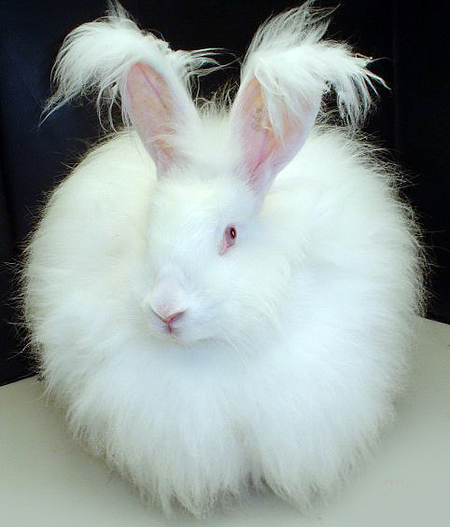
“Angora rabbit – Wikipedia” from en.wikipedia.org and used with no modifications.
Overview of Satin Angora Characteristics
Satin Angora rabbits are medium-sized, typically weighing between 3.5 and 9.5 pounds. They are known for their commercial body shape, with a slight taper from their hindquarters to their shoulders. Their ears are relatively plain, sometimes with a slight tuft, and their heads are oval with a broad forehead.
Their most remarkable feature is their wool, which is finer, softer, and silkier than that of other Angora breeds. This luxurious coat requires regular grooming to prevent matting and ensure the rabbit’s comfort. Additionally, they have a friendly and affectionate temperament, making them excellent companions for families.
Popular Reasons for Adoption
People choose to adopt Satin Angora rabbits for various reasons, but their primary appeal lies in their wool. As a fiber animal, they are prized for the high-quality wool they produce, which can be spun into yarn for clothing and other textiles. This makes them a favorite among hobbyists and fiber artists.
Besides their wool, Satin Angoras are also adored for their gentle and friendly nature. They are sociable animals that enjoy interaction with humans, making them great pets for those who can dedicate time to their care. However, their grooming needs mean they are best suited for individuals or families willing to invest time and effort into maintaining their coat.
History and Origins of Satin Angora Rabbit
The history of the Satin Angora rabbit is as intriguing as the breed itself. It traces back to the 1930s when breeder John C. Fehr first attempted to create a satinized Angora. Although he initially abandoned the project due to concerns about fur strength, the breed was revived decades later by a Dutch woman living in Ontario.
Through careful breeding, she successfully crossed Satin rabbits with French Angoras, resulting in the Satin Angora we know today. Recognized by the American Rabbit Breeders Association (ARBA), this breed has since gained popularity for its unique characteristics and wool quality. For those interested in rabbit breeds, you might also want to adopt Florida White rabbits and compare their characteristics.
Development of the Breed
The development of the Satin Angora involved several key steps:
- Crossbreeding Satin rabbits with French Angoras to combine desirable traits.
- Selective breeding to enhance the quality of the wool and maintain the breed’s distinct characteristics.
- Recognition by ARBA, establishing the breed’s standards and promoting its popularity.
These efforts have resulted in a breed that not only meets the demands of fiber production but also serves as a delightful companion animal. For more information on the French Angora rabbits, explore their adoption costs, care, and grooming tips.
Significance in Fiber Production
Satin Angora rabbits play a significant role in fiber production due to their exceptional wool. Their fur is not only soft and fine but also possesses a unique sheen, making it highly sought after in the textile industry. This has led to their use in producing high-quality yarns and fabrics.
Moreover, the process of harvesting their wool, known as shearing, is painless and humane, allowing for sustainable fiber production. This aspect of their care makes them an attractive option for those interested in ethical and eco-friendly practices.
Breed Controversy and Ethical Concerns
Despite their appeal, Satin Angora rabbits are not without controversy. The primary debate centers around wool production and the ethical implications of breeding animals for this purpose. Critics argue that breeding animals for their fur raises animal welfare concerns, while proponents highlight the humane methods used in harvesting wool.
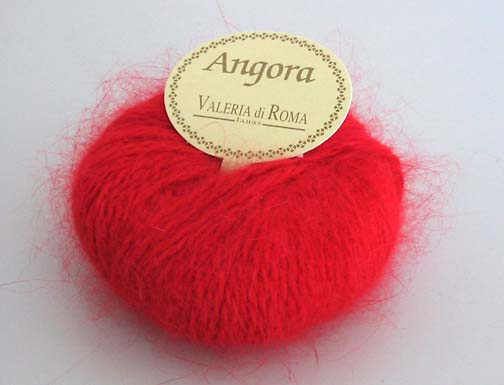
“Angora wool – Wikipedia” from en.wikipedia.org and used with no modifications.
Wool Production Debate
The debate over wool production often focuses on the following points:
- Concerns about the welfare of rabbits bred primarily for their wool.
- Ethical considerations of using animals for fiber production.
- The importance of humane shearing practices to ensure animal comfort.
Understanding these issues is crucial for potential adopters, as it informs their decision-making process and helps them choose breeders who prioritize animal welfare. For more information on the Satin Angora Rabbit, you can visit this comprehensive guide.
Animal Welfare Considerations
Animal welfare is a key consideration for anyone interested in adopting a Satin Angora rabbit. It’s important to ensure that the rabbits are bred and raised in environments that prioritize their well-being. This includes providing proper housing, nutrition, and regular veterinary care.
Most importantly, potential owners should research breeders to confirm they adhere to ethical practices. By choosing responsible breeders, adopters can support humane treatment and enjoy the companionship of a happy, healthy rabbit.
Cost of Owning a Satin Angora Rabbit
Owning a Satin Angora rabbit involves both initial and ongoing costs. Understanding these expenses is vital for ensuring you can provide the necessary care and maintain your rabbit’s well-being.
Initial Purchase Price
The initial cost of adopting a Satin Angora rabbit typically ranges from $50 to $200, depending on factors such as the breeder, the rabbit’s lineage, and its age. This price reflects the quality and care invested in breeding and raising the rabbit.
Ongoing Maintenance Costs
Beyond the initial purchase, owners should anticipate ongoing expenses for their Satin Angora’s care:
- Grooming supplies, including brushes and combs, to maintain their coat.
- High-quality rabbit food and supplements to support their dietary needs.
- Veterinary care, including regular check-ups and vaccinations.
- Housing and enrichment items to ensure a comfortable living environment.
These costs can add up, but they are essential for keeping your rabbit healthy and happy.
Lifespan and Optimal Diet for Satin Angoras
When considering adopting a Satin Angora rabbit, understanding their lifespan and dietary needs is crucial. These rabbits can be a delightful addition to your family, but they require specific care to ensure they live long, healthy lives.
Average Lifespan of the Breed
Satin Angora rabbits typically have a lifespan ranging from 7 to 12 years. This can vary based on factors such as genetics, diet, and the level of care they receive. Providing them with a balanced diet and regular veterinary check-ups can significantly impact their longevity.
It’s important to create a stable environment for your rabbit, minimizing stress and ensuring they have ample space to move around. A calm and nurturing home can help them thrive and reach the upper end of their lifespan range.
Recommended Dietary Practices
A Satin Angora’s diet should be rich in fiber to maintain their digestive health. Hay is a staple, providing the necessary roughage to prevent wool block—a common issue in Angora breeds where ingested fur can lead to intestinal blockages.
Besides hay, a balanced diet includes fresh vegetables and high-quality rabbit pellets. Leafy greens such as kale and spinach are excellent choices, while treats like carrots and apples should be given sparingly. Always ensure they have access to fresh water.
Common Health Issues
Like all rabbits, Satin Angoras can face certain health challenges. Wool block is a primary concern due to their dense coats, so regular grooming and a high-fiber diet are essential preventative measures. Dental issues can also arise if their teeth aren’t naturally worn down, making hay an important dietary component.
Regular vet visits can help catch any potential health issues early, ensuring your rabbit receives timely care. Being proactive about their health can help avoid more serious problems down the line.
Color Variations and Aesthetic Appeal
Satin Angora rabbits come in a variety of beautiful colors, adding to their aesthetic appeal. This diversity in coloration not only makes them visually striking but also affects the quality and value of their wool.
Their colors can range from pure white to various shades of gray, brown, and tan. Some rabbits even have a combination of these colors, creating a unique and eye-catching appearance. If you are interested in learning more about specific rabbit breeds, you might want to explore the French Angora rabbits for a comparison.
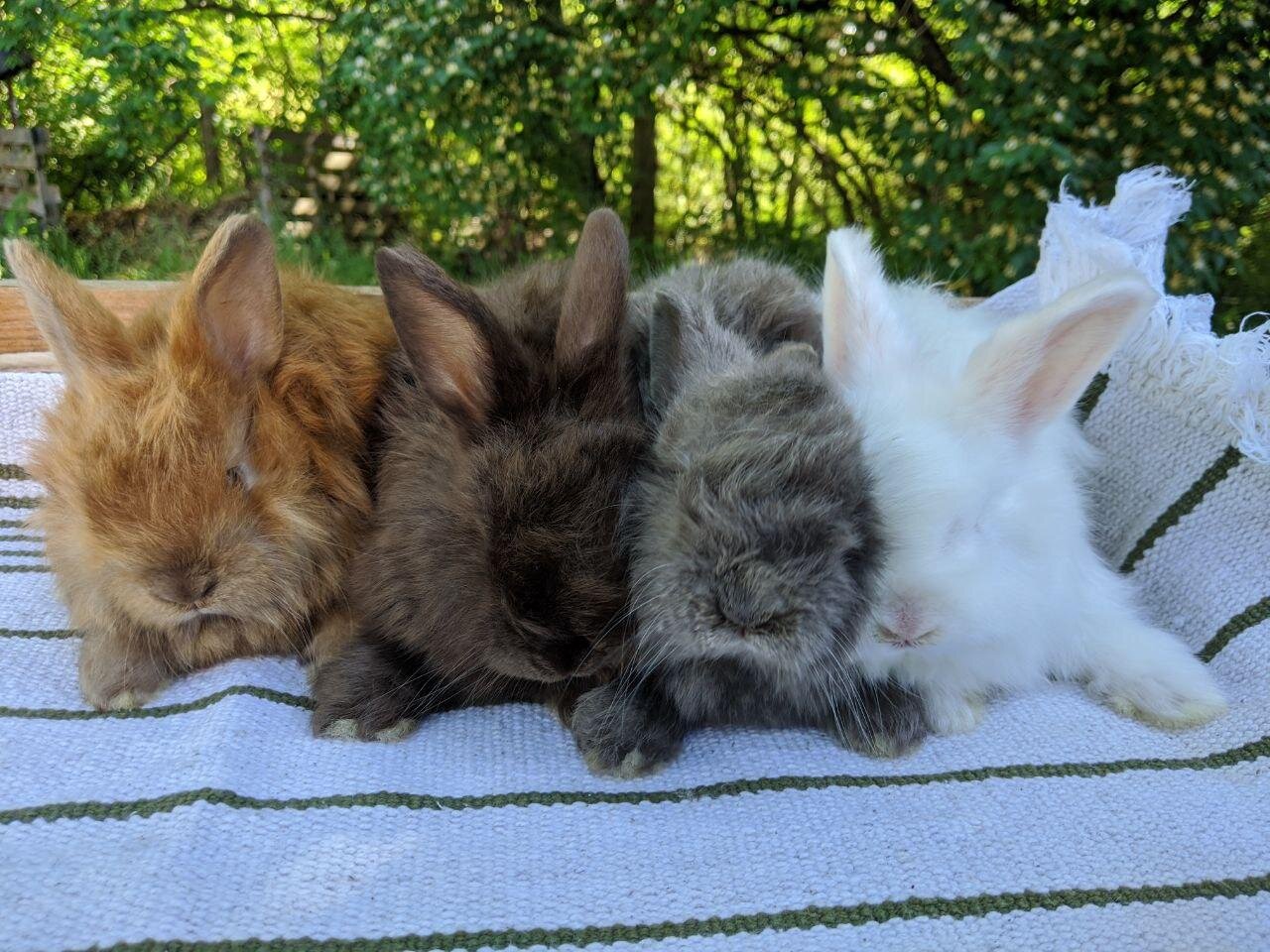
“Satin Angora Color Sample Guide — The …” from www.catherineagreenwood.com and used with no modifications.
Common Colors in Satin Angoras
The most common colors you’ll find in Satin Angoras include white, chocolate, blue, and lilac. Each color variation is a result of specific genetic traits that breeders selectively enhance to produce a wide array of shades.
These colors not only make them attractive pets but also influence the market value of their wool, with certain shades being more sought after by fiber artists.
Impact of Color on Wool Quality
The color of a Satin Angora’s wool can impact its quality and desirability. While all Satin Angoras produce fine and soft wool, certain colors may have a more pronounced sheen or luster, making them particularly prized for spinning and textile creation.
For instance, white wool is often preferred for dyeing because it provides a neutral base, allowing for vibrant color application. Meanwhile, natural shades like chocolate or lilac may be favored for their earthy tones and natural beauty.
Annual Wool Production and Quality
Satin Angora rabbits are renowned for their wool production, which is a key reason for their popularity among fiber enthusiasts. Understanding their wool output and quality can help you better appreciate the breed and manage their care effectively.
Amount of Wool Produced Yearly
On average, a Satin Angora rabbit can produce between 8 to 10 ounces of wool per year. This amount can vary based on factors such as the rabbit’s health, diet, and grooming regimen.
Regular shearing, usually every 3 to 4 months, is necessary to harvest their wool without causing discomfort. This not only provides a sustainable source of fiber but also helps maintain the rabbit’s health by preventing matting and overheating.
With proper care, the quantity and quality of wool produced can be optimized, making them a valuable addition for those interested in fiber arts.
Characteristics of Satin Angora Wool
The wool of a Satin Angora rabbit is prized for its fine texture and silky feel. This is due to the unique structure of their fur, which has a satin-like sheen that sets it apart from other fibers. The softness and warmth of their wool make it ideal for creating luxurious garments and textiles.
Besides its tactile qualities, Satin Angora wool is also lightweight and has excellent insulating properties. These characteristics make it a popular choice for crafting items like scarves, hats, and sweaters that are both functional and stylish. If you’re interested in learning more about different Angora breeds, check out this guide on French Angora rabbits and their wool quality.
Grooming Essentials: Card vs Comb
Proper grooming is essential for maintaining the health and appearance of a Satin Angora rabbit. Understanding the differences between carding and combing can help you keep their coat in top condition. For more insights on grooming and wool quality, you might find this French Angora grooming guide helpful.
Both techniques serve specific purposes, and knowing when and how to use each can prevent matting and ensure your rabbit’s comfort.
“Plucking, Shearing, or Combing – The …” from thecapecoop.com and used with no modifications.
Differences Between Carding and Combing
Carding involves using a carding brush, which has fine, bent wires designed to remove loose fur and detangle the coat. It’s particularly useful for removing the undercoat and preventing mats from forming. For more detailed grooming tips, you can explore French Angora rabbits grooming techniques.
Combing, on the other hand, uses a comb with wider teeth to smooth out the coat and remove any remaining tangles. This technique is gentler and often used after carding to finish the grooming process.
Each method has its place in a grooming routine, and combining them can help maintain the quality of your rabbit’s wool. For more detailed grooming tips, you might find this French Angora rabbit care guide helpful.
For example, you might start with carding to tackle any major tangles and then use a comb to refine and smooth the coat.
Best Practices for Effective Grooming
To ensure your Satin Angora’s coat remains healthy and beautiful, follow these best practices:
- Groom regularly, at least two to three times a week, to prevent mats and keep the coat clean.
- Use both carding and combing techniques to address different grooming needs.
- Be gentle and patient, especially when dealing with sensitive areas like the belly and legs.
- Check for signs of skin irritation or parasites during grooming sessions.
By incorporating these practices into your routine, you can help your rabbit maintain a comfortable and healthy coat.
Comparison with Other Angora Breeds
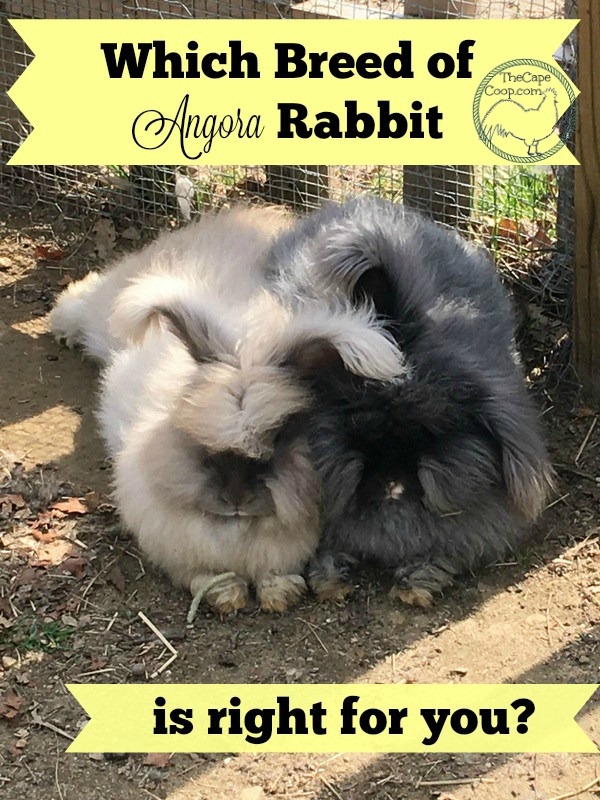
When considering the adoption of a Satin Angora rabbit, it’s helpful to compare them with other Angora breeds to understand their unique qualities. Each breed has its own characteristics, which can influence your decision based on your preferences and lifestyle.
Understanding these differences can help you make an informed choice about which Angora breed is best suited for your home and needs.
“What breed Angora rabbit is right for you?” from thecapecoop.com and used with no modifications.
Key Differences with French Angora
French Angora rabbits are known for their dense wool and robust build. Unlike the Satin Angora, their wool is coarser, which makes it slightly easier to manage in terms of grooming. However, the French Angora doesn’t have the same sheen and softness that the Satin Angora is famous for.
In terms of temperament, both breeds are gentle and friendly, but the French Angora may require more frequent grooming due to its dense coat. If you prefer a rabbit with less intensive grooming needs, the Satin Angora might be the better choice.
Comparison to English Angora
The English Angora is perhaps the most famous of the Angora breeds, known for its distinctive face furnishings and full-body wool. This breed requires more frequent grooming than the Satin Angora due to its long, fluffy fur.
For instance, an English Angora might need daily grooming to prevent matting, while a Satin Angora can manage with a few sessions per week.
Both breeds produce high-quality wool, but the English Angora’s wool is often more challenging to maintain. If you’re looking for a balance between wool quality and grooming effort, the Satin Angora may be a more practical choice.
Satin Angora vs. Giant Angora
The Giant Angora is the largest of the Angora breeds, bred primarily for wool production. Its size and wool output are unmatched, but this comes with increased care requirements. The Giant Angora’s wool is also coarser than that of the Satin Angora, lacking the same silky texture.
For those who prioritize wool production, the Giant Angora is an excellent choice. However, if you value a softer, more manageable coat and a smaller, more compact rabbit, the Satin Angora offers a compelling alternative.
Conclusion: Why Adopt a Satin Angora Rabbit
Adopting a Satin Angora rabbit can be a rewarding experience, offering the opportunity to enjoy the companionship of a gentle, beautiful animal. Their unique wool and friendly nature make them a standout choice for rabbit enthusiasts and first-time pet owners alike.
Understanding their care requirements and the commitment involved is crucial to providing a loving and supportive home for your Satin Angora. With the right care, these rabbits can thrive and bring joy to your household for many years. For more information on rabbit care, you might find this guide on French Angora rabbits helpful as it covers costs, care, and grooming tips.
Key Benefits of Choosing Satin Angoras
Satin Angoras offer several advantages over other breeds:
- Their wool is exceptionally soft and lustrous, ideal for fiber production.
- They have a friendly and sociable temperament, making them excellent companions.
- Compared to other Angora breeds, their grooming needs are more manageable.
These benefits make them an appealing choice for those seeking a unique and rewarding pet ownership experience.
Final Recommendations for Potential Owners
If you’re considering adopting a Satin Angora rabbit, ensure you’re prepared for the responsibilities involved. This includes regular grooming, providing a balanced diet, and ensuring their health and well-being. Research breeders carefully to find one that prioritizes animal welfare and ethical practices.
By taking these steps, you can enjoy the companionship of a happy, healthy Satin Angora and contribute to the ethical treatment of these beautiful animals.
Frequently Asked Questions
Many potential Satin Angora owners have questions about caring for these unique rabbits. Here are some common inquiries and their answers to help you better understand what to expect.
How often should I groom my Satin Angora rabbit?
Grooming should occur at least two to three times a week. This regular maintenance helps prevent matting and keeps their coat healthy. During shedding seasons, you may need to increase grooming frequency to manage excess fur. For more detailed grooming tips, you can compare grooming practices with French Angora rabbits.
Using both carding and combing techniques can effectively manage their coat and maintain its quality.
Are Satin Angora rabbits good with children?
Satin Angora rabbits are generally gentle and sociable, making them suitable companions for families with children. However, it’s important to supervise interactions to ensure both the rabbit and children handle each other gently.
Teaching children how to care for and respect the rabbit can foster a positive relationship and enrich the family’s experience with their pet. For those considering rabbit adoption, learning about French Angora rabbits can provide valuable insights into care and grooming practices.
What kind of housing setup is ideal for this breed?
A spacious and comfortable environment is crucial for a Satin Angora rabbit. A large cage or enclosure with ample room to move around, along with a cozy area for resting, is ideal. Ensure the housing is well-ventilated and free from drafts.
Provide enrichment items such as toys and tunnels to keep them mentally stimulated and encourage natural behaviors like foraging and exploring. For more information on their care, check out this complete breed guide on Satin Angora Rabbits.
How do I ensure my Satin Angora remains healthy?
Regular veterinary check-ups are essential for monitoring your rabbit’s health. Ensure they receive vaccinations and routine health screenings to catch any potential issues early. A balanced diet rich in fiber, regular exercise, and a stress-free environment also contribute to their well-being. For more information on care and grooming, you can explore this guide on French Angora rabbits.
Pay attention to their grooming needs and be vigilant for any signs of health issues, such as changes in appetite or behavior.
What should I consider before adopting a Satin Angora rabbit?
Before adopting, consider your ability to meet the grooming and care requirements of a Satin Angora. They need regular attention and a commitment to maintaining their health and happiness. Researching breeders and understanding the breed’s needs will help you make an informed decision.
By preparing adequately, you can ensure a positive and fulfilling experience for both you and your new Satin Angora rabbit.