Key Takeaways
- Ring-necked doves are legal pets in the United States but check state-specific regulations before adoption.
- These doves are smaller than pigeons and recognized by their distinctive black neck ring.
- They thrive on a simple diet of seeds and grains, complemented with fresh fruits and vegetables.
- Ring-necked doves form lifelong monogamous bonds, sharing responsibilities in raising their young.
- While they symbolize peace and harmony, ring-necked doves require companionship to avoid loneliness.
Why Ring-Necked Doves Make Great Pets
Ring-necked doves are delightful companions known for their gentle nature and soothing cooing sounds. Unlike other birds, they require minimal maintenance and are quieter, making them ideal pets for those who prefer a serene environment. Their curious and friendly demeanor allows them to bond well with humans and other doves, adding a layer of companionship that many pet owners find rewarding.
These doves are not only beautiful but also possess a unique personality that captivates their owners. With over 40 color mutations, including white, peach, and apricot, they add a splash of elegance to any home. Their ability to adapt to both indoor and outdoor settings provides flexibility in housing arrangements, making them suitable for various living conditions.
Legal Status and Adoption in the US
Before adopting a ring-necked dove, it’s crucial to understand the legalities surrounding their adoption. In the United States, ring-necked doves are legal to own as pets. However, certain states may have specific regulations or restrictions, especially concerning the release of non-native species into the wild. Always check with local wildlife authorities to ensure compliance with any state-specific laws.
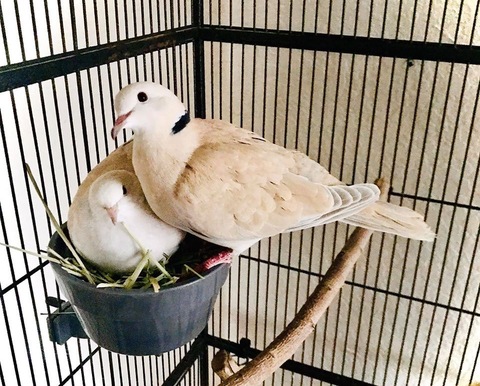
“African Ring-necked Dove – Once in a Wild” from onceinawild.com and used with no modifications.
Ring-Necked Doves in the Wild
In the wild, ring-necked doves are commonly found in open woodlands, savannas, and urban areas where they can forage for food. Their diet mainly consists of seeds, grains, and small fruits, which they find abundant in these environments. Despite their adaptability, ring-necked doves face threats from habitat loss and predation, making it essential for pet owners to provide a safe and nurturing environment.
Adopting a ring-necked dove from a rescue or shelter not only gives them a second chance at life but also helps control their population in the wild. It is a responsible way to enjoy their companionship while contributing to wildlife conservation efforts.
Unique Characteristics and Behavioral Traits
One of the most fascinating aspects of ring-necked doves is their monogamous nature. These birds are known to form lifelong bonds with their mates, often sharing the duties of nest building and raising their young. This strong pair bonding is not only admirable but also highlights their social nature, making them excellent companions for both humans and other birds. For those interested in learning about other social and companionable pets, the Border Collie is another species known for its social and intelligent nature.
- Curious and friendly demeanor
- Recognizable by their black neck ring
- Ability to form strong pair bonds
- Adaptable to various environments
- Minimal maintenance and quiet disposition
Understanding these traits can help potential pet owners provide the right environment and companionship for their doves, ensuring a happy and healthy life for these gentle creatures.
Lifetime Mates: Understanding Dove Relationships
Ring-necked doves are remarkable for their lifelong commitment to their partners. This monogamous behavior is a defining characteristic, setting them apart from many other bird species. Once a pair forms, they remain together, often seen engaging in mutual preening and close companionship. This bond is not only touching to witness but also plays a crucial role in their reproductive success.
Their commitment is evident in how they share responsibilities. Both the male and female take turns incubating eggs and feeding the chicks, demonstrating a partnership that ensures the survival and well-being of their offspring. This shared duty fosters a strong family unit, where both parents are equally invested in the growth and safety of their young.
Monogamous Pair Bonding Explained
The process of forming a monogamous bond begins with courtship displays, where the male dove performs a series of coos and bows to attract a female. If the female reciprocates, the pair will engage in mutual grooming and cooing, solidifying their bond. This behavior not only strengthens their relationship but also prepares them for the cooperative task of raising their young.
“mourning dove’s bonding ritual …” from www.reddit.com and used with no modifications.
Nesting and Raising Offspring
Nesting is a joint effort, with the male gathering materials while the female constructs the nest. Typically, nests are built in trees or shrubs, providing a safe haven for their eggs. Once the eggs are laid, both parents take turns incubating them, ensuring they are kept warm and protected.
After hatching, the chicks are fed a nutritious substance called “crop milk,” produced by both parents. This diet is crucial for the chicks’ development during their early days. As the chicks grow, the parents gradually introduce seeds and grains, preparing them for independence.
Identifying Gender in Ring-Necked Doves
Determining the gender of ring-necked doves can be challenging, as males and females have similar appearances. However, observing their behavior can provide clues. Males are often more vocal and engage in more pronounced courtship displays, such as bowing and cooing. For more information on gender identification in birds, you might find this guide on Gouldian finches helpful.
For those seeking a more definitive method, DNA testing is the most reliable option. A veterinarian can perform this test to accurately determine the gender of your dove, which can be helpful for breeding purposes or understanding their social dynamics. If you’re interested in learning about gender identification in other birds, consider reading about Golden Mantled Rosella gender identification.
- Males are generally more vocal and active in courtship
- DNA testing provides accurate gender identification
- Behavioral observations can offer gender clues
Comparing Ring-Necked Doves with Similar Species
When comparing ring-necked doves to similar species, such as collared doves and white pigeons, several differences and similarities emerge. Understanding these distinctions can help prospective pet owners make informed decisions about which bird best suits their lifestyle and preferences. For example, you can explore more about gender identification in birds to help with your decision.
Although all three belong to the Columbidae family, they exhibit unique traits and behaviors that set them apart. These differences are not only physical but also behavioral, influencing their suitability as pets and their roles in various cultural contexts. For instance, when considering pet adoption, understanding the rarity and personality of different species can be crucial.
For example, while ring-necked doves are known for their gentle nature and quiet demeanor, white pigeons are often used in ceremonial releases due to their homing abilities.
Differences and Similarities with Collared Doves
Collared doves, like ring-necked doves, have a distinctive black marking around their necks, but they tend to be slightly larger and more robust. Their calls are also different, with collared doves producing a more rhythmic cooing sound.
- Collared doves are larger than ring-necked doves
- Both species have a black neck marking
- Vocalizations differ between the two
Despite these differences, both species share a peaceful nature and can adapt well to urban environments, making them popular choices for bird enthusiasts.
Understanding these nuances can help you appreciate the unique qualities of each species and choose the right bird for your home. For example, the Golden Mantled Rosella offers a unique personality and care requirements compared to other birds.
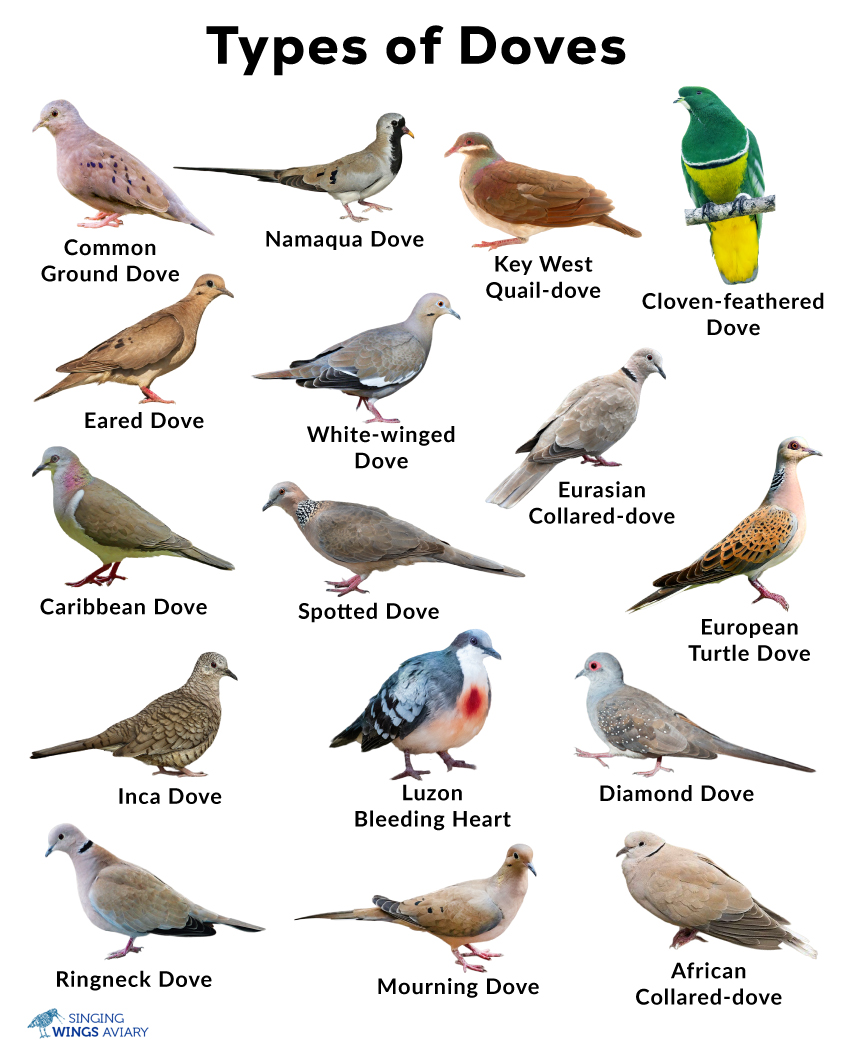
“Doves: List of Types With Pictures” from www.singing-wings-aviary.com and used with no modifications.
Ring-Necked Doves vs. White Pigeons
White pigeons, often mistaken for doves due to their similar appearance, are actually a variation of the common rock pigeon. They are generally larger and more robust than ring-necked doves, with a strong homing instinct that makes them ideal for ceremonial releases. For those interested in other bird comparisons, you might find the Golden Mantled Rosella vs. Eastern comparison insightful.
In terms of behavior, white pigeons are more independent and less likely to form strong bonds with humans, unlike the affectionate ring-necked doves. This difference can influence your decision when choosing between the two as pets.
Physical and Behavioral Distinctions
Physically, ring-necked doves are smaller and more delicate compared to white pigeons. Their gentle nature and tendency to form close bonds with their owners make them better suited for those seeking a companion bird.
Behaviorally, ring-necked doves are quieter and less likely to exhibit the strong flying instincts seen in pigeons. This makes them easier to manage in a home setting, where their calm demeanor can be a source of comfort and joy.
Understanding these distinctions is crucial when considering which bird aligns best with your lifestyle and expectations.
Spiritual and Cultural Significance of Doves
Doves have long held a special place in human culture, symbolizing peace, love, and purity. Their gentle nature and harmonious presence have made them a universal symbol of hope and reconciliation.
In various cultures, doves are associated with spiritual messages and divine intervention. For instance, in Christianity, the dove represents the Holy Spirit, while in ancient Greek mythology, it was a symbol of love and renewal. For more on the symbolism of birds, explore the history of the Gouldian Finch and its significance in different cultures.
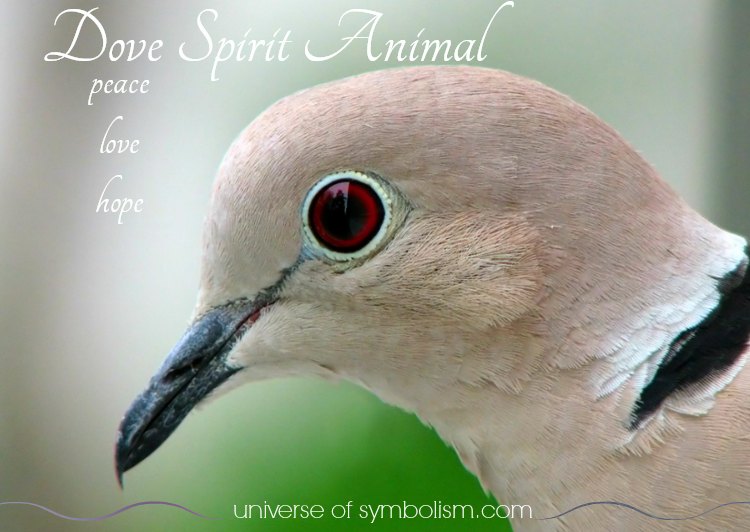
“Dove Symbolism & Dove Meaning | Dove …” from www.universeofsymbolism.com and used with no modifications.
Symbolism in Various Cultures
Across the globe, doves are revered for their symbolic meanings. They are often associated with peace and harmony, serving as emblems for peace movements and reconciliation efforts. This universal appeal stems from their gentle nature and serene presence, which resonate with the ideals of tranquility and coexistence.
In many cultures, doves are seen as messengers of love and hope. Their soft cooing and tender interactions are thought to represent the gentle bonds of affection and companionship. This symbolism extends to art, literature, and religious texts, where doves frequently appear as harbingers of good news and divine favor.
Moreover, doves are often linked to purity and new beginnings. Their clean, white plumage and graceful flight evoke images of renewal and transformation, making them popular symbols in ceremonies and rituals that celebrate life’s milestones and transitions.
For example, in Hinduism, the dove is a symbol of the soul’s journey towards enlightenment and liberation.
Historical Roles and Religious Perspectives
Historically, doves have played significant roles in various religious traditions. In Christianity, the dove is a powerful symbol of the Holy Spirit, representing divine presence and guidance. This association is rooted in biblical narratives, where the dove appears as a sign of God’s covenant and a messenger of peace.
Similarly, in ancient Greek mythology, doves were sacred to Aphrodite, the goddess of love and beauty. They were believed to carry messages between the gods and humans, embodying the divine connection between the earthly and the spiritual realms. This reverence for doves continues in modern religious practices, where they are often used in rituals to invoke blessings and protection.
Modern Interpretations and Uses
In contemporary society, doves maintain their symbolic significance, often used in art, literature, and popular culture to convey themes of peace and unity. Their image is commonly featured in logos and emblems for organizations dedicated to conflict resolution and humanitarian efforts.
Beyond their symbolic roles, doves are also appreciated for their aesthetic and calming presence. They are frequently used in ceremonial releases at weddings and other celebrations, symbolizing love, fidelity, and the beginning of a new journey. This modern interpretation of doves as symbols of hope and renewal continues to inspire and uplift people around the world.
Frequently Asked Questions
As a potential or current owner of a ring-necked dove, you might have several questions about their care and behavior. Here, we address some of the most common inquiries to help you provide the best possible environment for your feathered friend.
Understanding the specific needs and characteristics of ring-necked doves is essential for their well-being. By familiarizing yourself with their dietary requirements, social behaviors, and health indicators, you can ensure a fulfilling and harmonious relationship with your pet dove. For more insights on bird care, you might find the Gouldian finch care guide helpful as well.
Below are answers to frequently asked questions that will guide you in caring for your ring-necked dove effectively and responsibly.
What do ring-necked doves eat in captivity?
In captivity, ring-necked doves thrive on a balanced diet of seeds and grains. A commercial dove mix, available at most pet stores, provides a convenient and nutritionally complete option. This mix typically includes a variety of seeds such as millet, canary seed, and safflower, which cater to the dove’s dietary needs.
To supplement their diet, you can offer fresh fruits and vegetables. Chopped apples, carrots, and leafy greens are excellent choices that provide essential vitamins and minerals. It’s important to introduce these foods gradually and in moderation to avoid digestive issues.
Ensure that your dove has access to fresh, clean water at all times. Hydration is crucial for their overall health, and regular water changes help prevent contamination and illness.
Example: “My ring-necked dove loves nibbling on small pieces of apple as a treat, and it keeps her happy and healthy!”
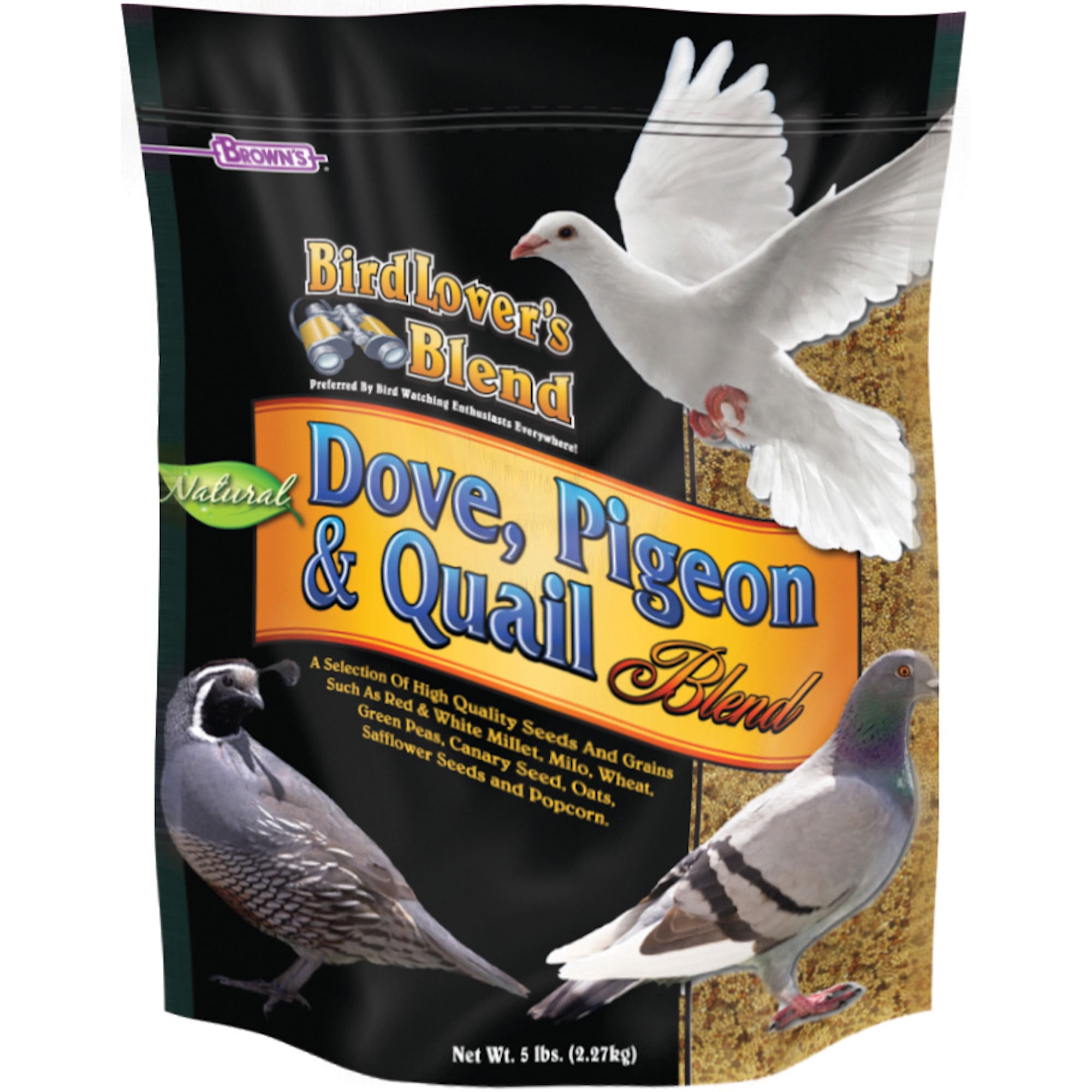
“Dove, Pigeon and Quail Blend Bird Food …” from www.petco.com and used with no modifications.
How can you tell if a ring-necked dove is healthy?
A healthy ring-necked dove displays several key indicators. Bright, clear eyes and smooth, well-groomed feathers are signs of good health. Additionally, their droppings should be firm and well-formed, reflecting a balanced diet and proper digestion.
Observe your dove’s behavior for any changes in activity levels or appetite, as these can be early signs of illness. A healthy dove will be active and alert, with a steady interest in eating and socializing. Regular check-ups with an avian veterinarian can also help monitor their health and catch any potential issues early.
Are ring-necked doves noisy pets?
Compared to other pet birds, ring-necked doves are relatively quiet. Their soft cooing is gentle and soothing, making them ideal companions for those who prefer a peaceful environment. While they may vocalize more during courtship or when seeking attention, their sounds are generally pleasant and unobtrusive.
Can ring-necked doves be released into the wild?
It is not advisable to release ring-necked doves into the wild. As domesticated birds, they lack the necessary skills to survive in natural environments. They may struggle to find food, avoid predators, and cope with harsh weather conditions. Instead, providing a safe and nurturing home is the best way to ensure their well-being. For more information on bird care, you might find this Gouldian Finch care guide helpful.
Do ring-necked doves require companionship?
Ring-necked doves are social creatures that thrive on interaction and companionship. While they can bond with humans, they also benefit from the company of other doves. Having a companion dove can prevent loneliness and encourage natural behaviors, such as mutual grooming and cooing.
If you plan to keep a single dove, make sure to spend ample time interacting with them to fulfill their social needs. Providing toys, mirrors, and opportunities for exploration can also enrich their environment and keep them engaged. For those interested in other unique pets, consider exploring the French Angora rabbits for a different pet experience.