Key Takeaways
- Scarlet-chested parakeets are known for their vibrant red chests and calm demeanor, making them a unique choice for bird enthusiasts.
- These birds require a spacious cage and a diet rich in seeds and fresh fruits to thrive.
- Adoption costs typically range from $200 to $500, with additional expenses for their habitat and care.
- Scarlet-chested parakeets live an average of 10 to 15 years, offering long-term companionship.
- Understanding their social nature is crucial as they enjoy interacting with both humans and other birds.
Introduction to Scarlet-Chested Parakeet Adoption
Adopting a scarlet-chested parakeet can be a delightful experience, especially for those who appreciate the beauty and uniqueness of avian companions. These birds, with their striking plumage and gentle nature, are sure to captivate any bird lover. However, before bringing one home, it’s essential to understand their specific needs and characteristics to ensure a happy and healthy life for your feathered friend.
Identifying Features and Characteristics
Scarlet-chested parakeets are small but striking birds, easily recognized by their vibrant red chest, cobalt blue face, and bright green upperparts. These colors make them stand out among other parrot species. They are relatively small, measuring about 8 inches in length, which makes them suitable for smaller living spaces.
One of the most charming traits of scarlet-chested parakeets is their calm and friendly demeanor. They tend to be quieter than many other parrot species, making them a good choice for those who prefer a more peaceful pet. While they may be shy initially, with patience and gentle handling, they can become quite sociable and enjoy interacting with their human companions.
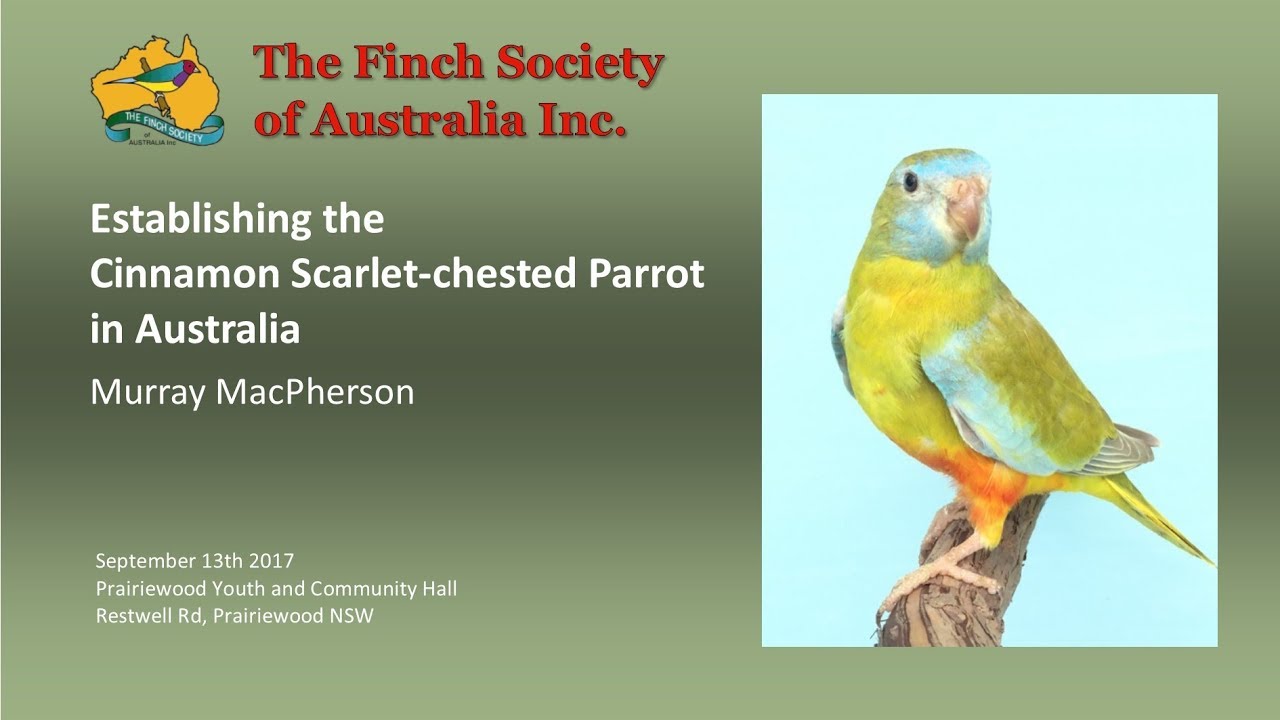
“Cinnamon Scarlet-chested Parrot …” from www.youtube.com and used with no modifications.
Native Origins and Historical Background
Scarlet-chested parakeets hail from the arid regions of Australia, where they inhabit open grasslands and scrublands. Their natural habitat provides them with ample opportunities to forage for seeds and other plant materials, which are their primary diet in the wild.
The species was first described in the 19th century and has since become a popular choice among bird enthusiasts due to its striking appearance and gentle nature. Despite their beauty, they remain less common in aviculture compared to other parrot species, which adds to their allure for those seeking a unique pet.
Important Considerations Before Adoption
Before adopting a scarlet-chested parakeet, it’s crucial to consider several factors to ensure that you can provide a suitable environment and meet their needs. These birds require specific care and attention, and being well-prepared will help you foster a happy and healthy relationship with your new pet. For those considering other bird options, you might want to learn about the Golden Mantled Rosella as well.
Essential Needs and Requirements
Scarlet-chested parakeets have specific needs that must be met to ensure their well-being. They require a spacious cage that allows them to stretch their wings and move around comfortably. The cage should be equipped with perches, toys, and other enrichment items to keep them mentally stimulated.
In addition to their physical environment, these birds need regular social interaction. They thrive on companionship, whether from their human caretakers or other birds. It’s important to spend time with your parakeet daily to build trust and strengthen your bond. For those interested in exploring other bird companions, consider learning about the Golden Mantled Rosella, known for its vibrant colors and engaging personality.
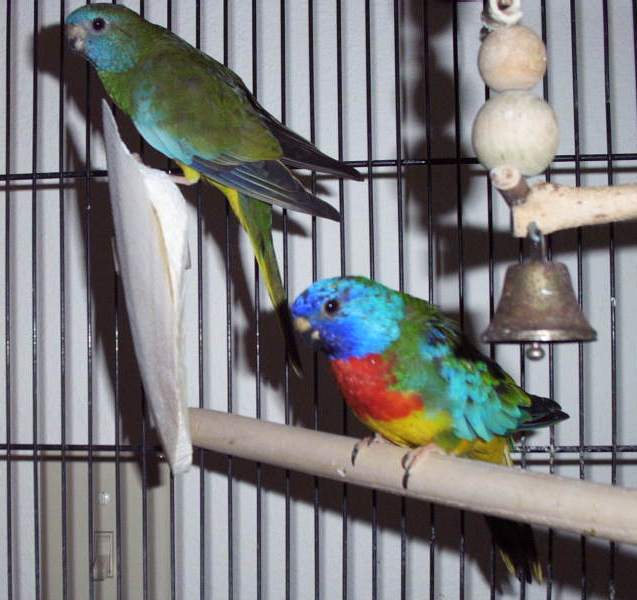
“The Splendid Bourke Bird Blog: 2012” from thesplendidbourkebirdblog.blogspot.com and used with no modifications.
Environment and Space
Providing an appropriate living environment is essential for the health and happiness of your scarlet-chested parakeet. Their cage should be placed in a quiet area of your home, away from direct sunlight and drafts. The cage should be large enough to accommodate their active nature, with plenty of space for flying and playing.
Regular cleaning of the cage is necessary to maintain a hygienic environment. This includes changing the bedding, cleaning perches, and refreshing food and water dishes daily. A clean environment will help prevent illness and ensure your bird remains healthy.
Dietary Needs and Nutrition
The diet of a scarlet-chested parakeet should closely mimic what they would eat in the wild. A high-quality seed mix designed for parakeets is a good starting point, but it should be supplemented with fresh fruits and vegetables to provide a balanced diet. For more insights on parakeet care, you might want to explore the Golden-Mantled Rosella care guide.
Some suitable fruits and vegetables include apples, carrots, spinach, and broccoli. It’s important to wash all produce thoroughly and remove any seeds or pits that could be harmful. Fresh water should be available at all times, and any uneaten food should be removed daily to prevent spoilage.
Cost, Size, and Lifespan
Understanding the financial and time commitment involved in adopting a scarlet-chested parakeet is crucial. These birds can live for over a decade, so it’s important to be prepared for a long-term commitment. If you’re considering other birds, you might want to explore golden-mantled rosella adoption as well.
Typical Costs and Expenses
The initial cost of adopting a scarlet-chested parakeet can range from $200 to $500, depending on factors such as the bird’s age, color mutations, and breeder reputation. In addition to the purchase price, you’ll need to budget for a suitable cage, toys, food, and veterinary care.
Ongoing expenses include food, toys, and regular health check-ups. It’s wise to set aside a budget for unexpected veterinary bills, as birds can sometimes develop health issues that require professional attention.
Average Size and Variants
Scarlet-chested parakeets are relatively small birds, measuring approximately 8 inches in length. Their compact size makes them an ideal choice for bird enthusiasts who have limited space but still desire the companionship of a parrot. Despite their small stature, they are full of personality and charm. For those interested in comparing them to other small birds, you might want to explore the Gouldian Finch, another vibrant and charming species.
In terms of color variants, scarlet-chested parakeets are known for their bright red chests, which contrast beautifully with their cobalt blue faces and green upperparts. While these are the most common colors, some breeders may offer birds with slight variations in shade or intensity, adding to their appeal.
Lifespan Expectations
“Scarlet-chested parakeets can live for 10 to 15 years, provided they receive proper care and nutrition. Their longevity makes them a long-term commitment, so prospective owners should be prepared for years of companionship.”
To ensure your parakeet reaches its full lifespan potential, it’s crucial to provide a balanced diet, regular veterinary care, and a stimulating environment. Regular health check-ups can help catch potential issues early, contributing to a longer, healthier life. For those interested in learning about other bird species, check out the Gouldian finch care guide.
Most importantly, creating a stress-free environment and building a strong bond with your parakeet will enhance their overall well-being and longevity. Remember, a happy bird is a healthy bird.
By understanding their needs and providing consistent care, you can enjoy many years of companionship with your scarlet-chested parakeet.
Personality and Behavioral Traits
Scarlet-chested parakeets are known for their gentle and friendly nature. Unlike some other parrot species, they tend to be quieter and more reserved, making them a good choice for those who prefer a more peaceful pet. They are social birds that thrive on interaction, both with their human caretakers and other birds.
Social Interaction and Compatibility
These birds are highly social creatures and enjoy spending time with their human companions. They can form strong bonds and often seek out attention and interaction. It’s essential to dedicate time each day to engage with your parakeet, whether through talking, playing, or simply being present.
Scarlet-chested parakeets also do well in the company of other birds, particularly those of similar size and temperament. When introducing them to a new avian companion, it’s crucial to monitor their interactions to ensure compatibility and prevent any aggressive behavior.
- Introduce new birds gradually to avoid stress.
- Provide separate cages initially to allow birds to become accustomed to each other’s presence.
- Observe their behavior closely during initial interactions.
By fostering a harmonious environment, you can ensure that your scarlet-chested parakeet enjoys a fulfilling social life, whether with humans or other birds.
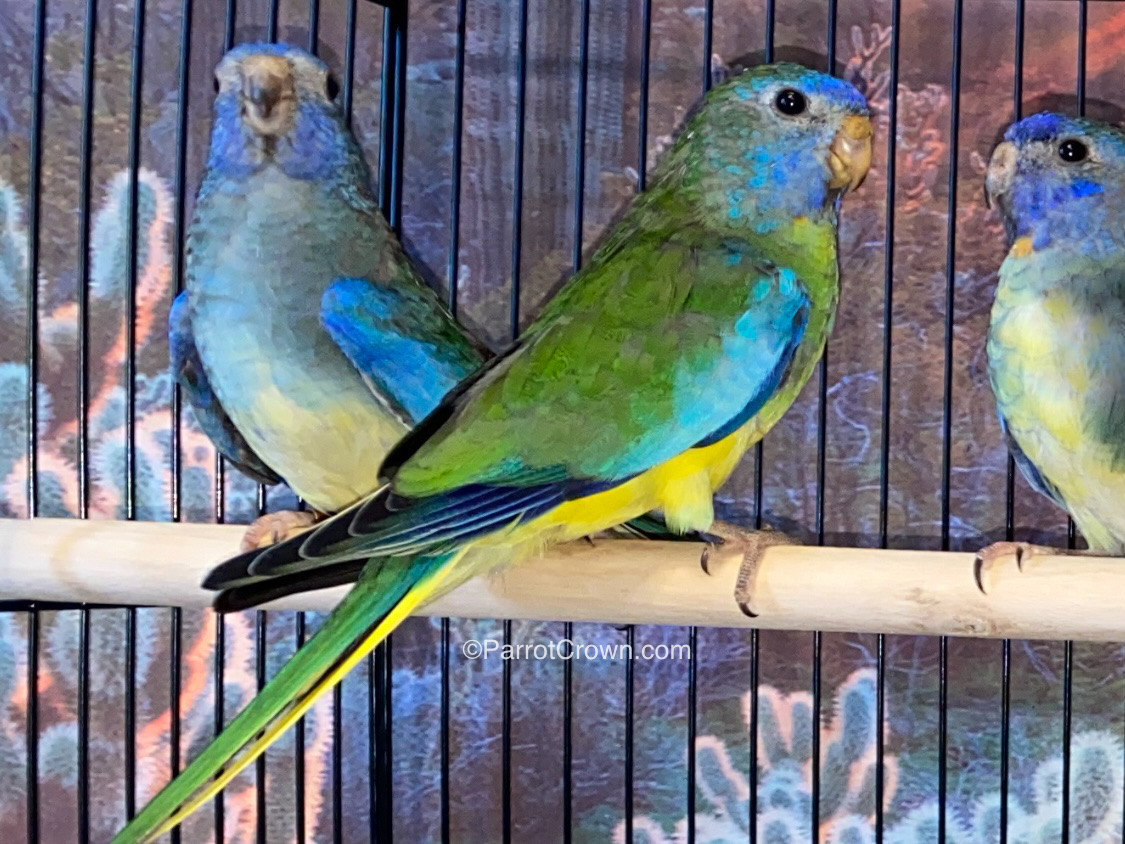
“Scarlet Chested Parakeet for sale …” from parrotcrown.com and used with no modifications.
Communication and Vocalization
While scarlet-chested parakeets are not as vocal as some other parrot species, they do communicate through a variety of sounds. Their vocalizations are generally soft and melodic, consisting of chirps and natural calls that are pleasant to listen to. For those interested in exploring more about pet adoption, you might find the information on Korat cat adoption insightful.
These birds may also mimic simple sounds or words if exposed to them regularly. Consistent interaction and communication can help develop their vocal abilities, making them more interactive and engaging companions. For those considering other pets, you might explore the pros and cons of adopting a Border Terrier, known for their friendly nature and intelligence.
Comparing Scarlet-Chested Parakeets to Other Birds
When considering a pet bird, it’s helpful to compare different species to determine which best fits your lifestyle and preferences. Scarlet-chested parakeets have unique characteristics that set them apart from other popular bird species, such as the Gouldian finch.
Let’s explore how they compare to budgies, ringneck doves, ringneck parrots, and parrotlets.
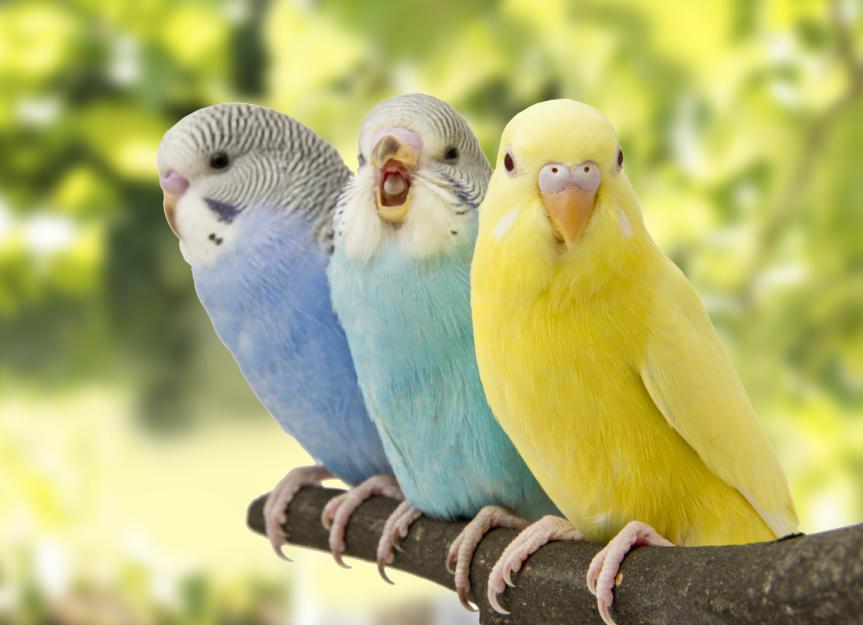
“Budgie Care Sheet | PetMD” from www.petmd.com and used with no modifications.
Versus Budgies
Budgies, or budgerigars, are smaller than scarlet-chested parakeets, typically measuring around 7 inches in length. While both species are known for their vibrant colors, budgies often have a mix of green, yellow, and blue markings, whereas scarlet-chested parakeets boast a more striking red and blue combination.
“Ring-necked doves, Namaqua doves and a …” from naturebackin.com and used with no modifications.
Versus Ringneck Doves
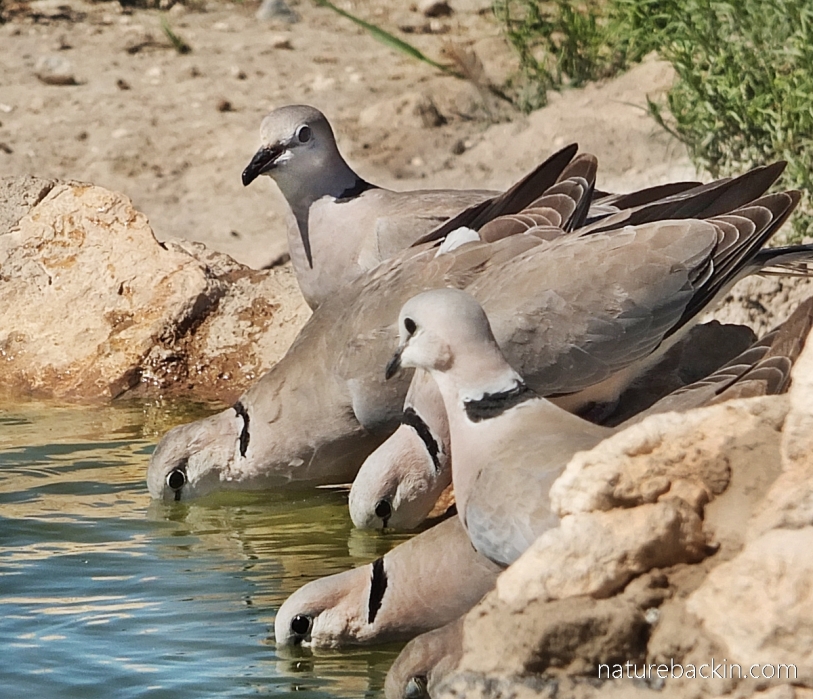
Ringneck doves are quite different from scarlet-chested parakeets in terms of appearance and behavior. Doves are generally larger and have a more muted color palette, with soft grays and whites. They are also known for their gentle cooing sounds, which contrast with the parakeet’s melodic chirps.
“Indian vs. African Ring-Necked …” from pangovet.com and used with no modifications.
Versus Ringneck Parrots
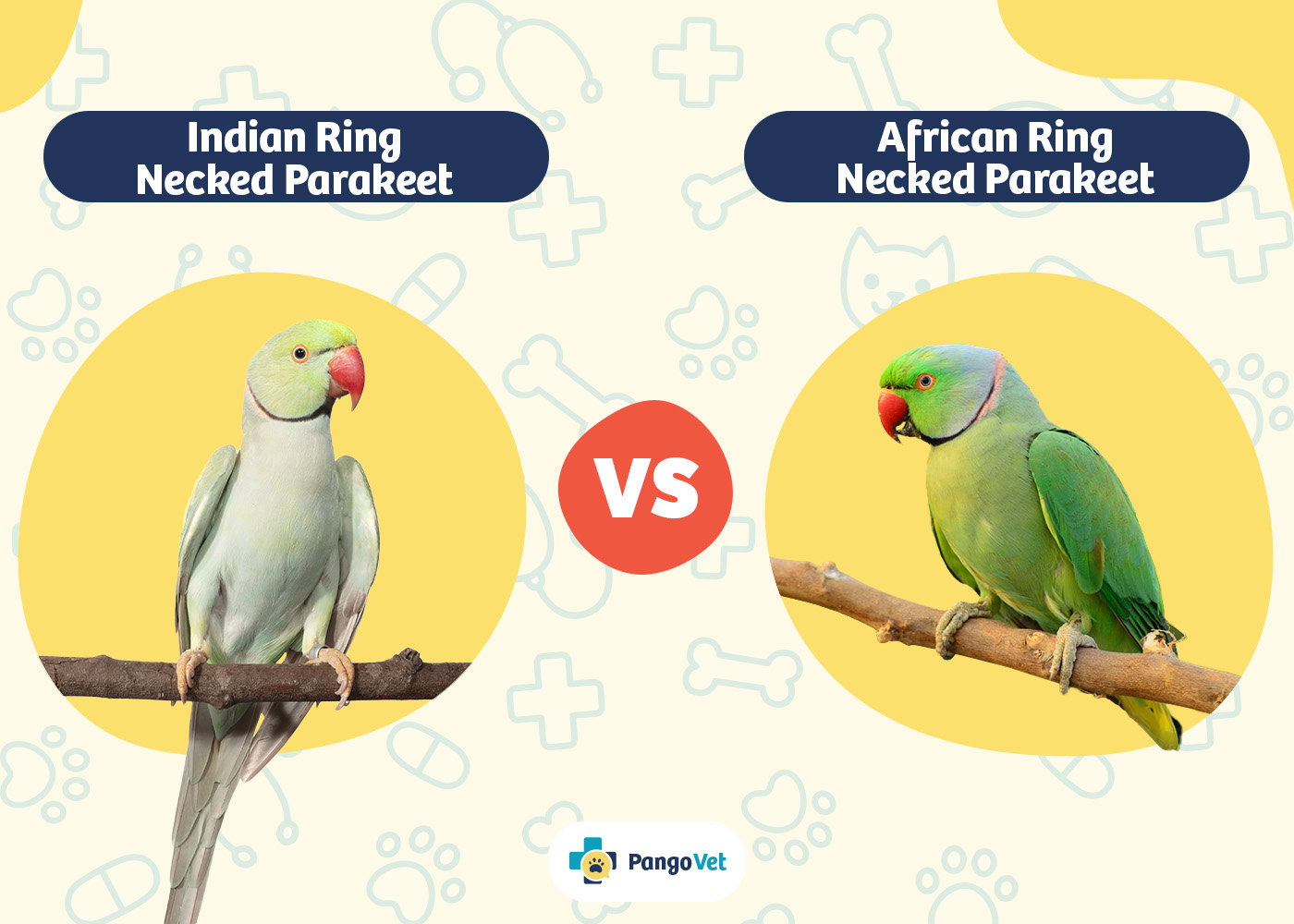
Ringneck parrots are larger and more robust than scarlet-chested parakeets, often measuring around 16 inches in length. They are known for their intelligence and ability to mimic human speech, making them popular among bird enthusiasts who enjoy teaching their pets to talk. For those interested in learning more about bird care, the Gouldian Finch care guide offers valuable insights.
“Parrotlets Species Guide – Lifespan …” from www.birdcagesnow.com and used with no modifications.
Versus Parrotlets
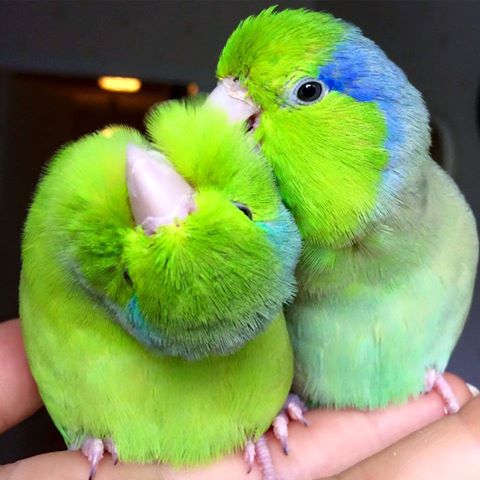
Parrotlets are smaller than scarlet-chested parakeets, usually measuring between 4.3 to 5.5 inches. They are known for their bold personalities and vibrant green plumage. While parrotlets can be more independent, they may also display territorial behavior if not properly socialized.
Practical Tips for Traveling with Scarlet-Chested Parakeets
Traveling with a scarlet-chested parakeet requires careful planning and preparation to ensure your feathered friend remains safe and comfortable throughout the journey. Whether you’re heading to a vet appointment or embarking on a longer trip, these tips will help you travel smoothly with your parakeet.
First and foremost, ensure you have a suitable travel carrier. The carrier should be sturdy, well-ventilated, and spacious enough for your parakeet to move around comfortably. It’s also a good idea to line the bottom with soft bedding to provide comfort and absorb any messes.

“Pet Birds by Lafeber Co …” from lafeber.com and used with no modifications.
Preparing for Car Travel
Before hitting the road, acclimate your parakeet to the travel carrier. Start by placing the carrier in your home and allowing your bird to explore it at their own pace. Encourage them to enter the carrier by placing treats or toys inside, making it a positive experience. For tips on adopting other bird species, you might find this Golden-Mantled Rosella adoption guide helpful.
When it’s time to travel, secure the carrier in the back seat of your car using a seatbelt. This will prevent it from sliding or tipping over during the journey. Avoid placing water dishes inside the carrier, as they can spill and create a mess. Instead, offer water before and after the trip. For more tips on traveling with pets, check out our guide on Golden Mantled Rosella adoption and care.
Safety Tips During Travel
While traveling, maintain a comfortable temperature inside the car, avoiding extreme heat or cold. If possible, keep the windows closed to prevent drafts. It’s also important to minimize loud noises and sudden movements, as these can stress your parakeet.
Take breaks during long trips to allow your parakeet some fresh air and a chance to stretch their wings. However, ensure the area is safe and secure before opening the carrier. Supervision is crucial to prevent escape or injury. For more information on bird care, you can explore resources about Gouldian Finch care and breeding.
Post-Travel Care
Once you’ve reached your destination, give your parakeet some time to relax and adjust to their new surroundings. Offer fresh water and a small meal to help them recover from the journey. Keep an eye on their behavior to ensure they’re not overly stressed or anxious.
If your parakeet seems unsettled, spend some extra time with them, offering reassurance and gentle interaction. Familiar toys or perches can also provide comfort and help them feel at home in a new environment.
Frequently Asked Questions
As a scarlet-chested parakeet owner, you may have questions about their care and well-being. Here are some common inquiries and helpful answers to guide you in providing the best care for your feathered companion.
How do I choose a healthy Scarlet-Chested Parakeet?
When selecting a scarlet-chested parakeet, look for signs of good health such as bright, clear eyes, smooth feathers, and a clean vent area. The bird should be alert and active, with a healthy appetite. It’s also important to choose a reputable breeder or pet store with a good reputation for bird care.
Ask to observe the bird in its current environment to assess its behavior and interaction with other birds. A well-socialized parakeet will be more adaptable and easier to handle.
What should I feed my Scarlet-Chested Parakeet?
Scarlet-chested parakeets thrive on a varied diet that includes a high-quality seed mix, fresh fruits, and vegetables. Some suitable options include apples, carrots, spinach, and broccoli. Ensure all produce is thoroughly washed and free from pesticides.
It’s important to offer a balanced diet to meet their nutritional needs. Avoid feeding avocado, chocolate, or caffeine, as these can be toxic to birds.
How do Scarlet-Chested Parakeets interact with other pets?
“Scarlet-chested parakeets are generally social and can get along with other birds of similar size and temperament. However, it’s important to supervise interactions and introduce new pets gradually to ensure compatibility and prevent aggression.”
When introducing your parakeet to other household pets, such as dogs or cats, proceed with caution. Always supervise interactions and ensure your parakeet has a safe, secure space to retreat to if needed.
Patience and careful monitoring are key to fostering positive relationships between your parakeet and other pets.
What are common health issues for Scarlet-Chested Parakeets?
Like all birds, scarlet-chested parakeets can be susceptible to certain health issues, including respiratory infections, feather plucking, and nutritional deficiencies. Regular veterinary check-ups can help catch potential problems early and ensure your bird remains healthy.
Maintaining a clean environment, providing a balanced diet, and ensuring regular exercise can help prevent many common health issues. If you notice any changes in behavior, appetite, or appearance, consult a veterinarian promptly.
How can I make my Scarlet-Chested Parakeet comfortable during travel?
To ensure your parakeet is comfortable during travel, acclimate them to the travel carrier in advance, making it a familiar and safe space. Provide soft bedding and a favorite toy to offer comfort and distraction. For more detailed care tips, you might find this Golden-Mantled Rosella care guide helpful as it shares similar insights for parakeet care.
Maintain a calm environment in the car, avoiding loud noises and sudden movements. If your parakeet seems stressed, speak to them in a soothing voice to provide reassurance.
After the journey, offer fresh water and a small meal to help them recover and settle into their new surroundings. With patience and preparation, you can make travel a positive experience for your scarlet-chested parakeet.