Scarlet macaws are among the most stunning and captivating birds you can have as a pet. Their vibrant plumage and engaging personalities make them a popular choice for bird enthusiasts. However, owning a scarlet macaw is not a decision to be taken lightly. They require a significant commitment of time, resources, and care.
Article-at-a-Glance: Scarlet Macaw as a Pet
- Scarlet macaws are beautiful and intelligent but require a lot of attention and care.
- Adopting from rescue organizations can be a more ethical and cost-effective option.
- Initial costs can range from $1,000 to $5,000, with ongoing expenses for food, toys, and veterinary care.
- Scarlet macaws are social creatures and need regular interaction to prevent behavioral issues.
- Potential owners must check legality and regulations in their area before adopting.
The Appeal of Scarlet Macaws as Pets
Scarlet macaws are not just visually stunning; they are also incredibly intelligent. These birds are known for their ability to mimic human speech and sounds, making them both entertaining and engaging companions. Their playful and curious nature means they can provide endless amusement, but it also means they require a stimulating environment to keep them happy.
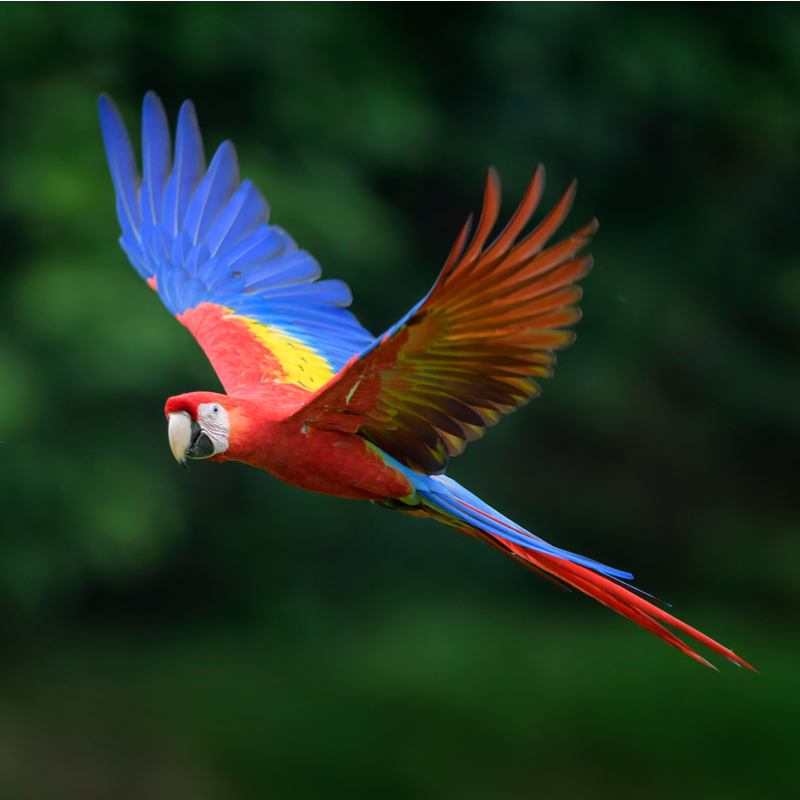
“Scarlet Macaw | Rainforest Animals” from www.rainforestanimals.net and used with no modifications.
Why People Choose Scarlet Macaws
People are often drawn to scarlet macaws because of their striking appearance and vibrant colors. Their red, yellow, and blue feathers make them stand out among other bird species. Beyond their looks, scarlet macaws have a reputation for being affectionate and forming strong bonds with their owners. This makes them ideal for those looking for a long-term companion.
Challenges of Owning a Scarlet Macaw
Despite their appeal, owning a scarlet macaw comes with its set of challenges. These birds are known for their loud vocalizations, which can be disruptive in a home setting. Additionally, their strong beaks can cause damage if not properly managed. They require a significant amount of space to thrive and regular mental stimulation to prevent boredom and destructive behavior.
Cost of Adopting and Maintaining a Scarlet Macaw
Adopting a scarlet macaw is a financial commitment that goes beyond the initial purchase price. Prospective owners must consider the costs of setting up a suitable habitat, ongoing care, and potential veterinary expenses. It is crucial to be prepared for these expenses to ensure the well-being of the bird.
Why Adopting a Macaw from Companion Bird Rescue Orgs is Important
Adopting a macaw from a rescue organization can be a more ethical choice. Many birds in rescues have been abandoned or surrendered due to their previous owners being unprepared for the responsibility. By adopting, you give a bird a second chance at a loving home. Additionally, rescue organizations often provide valuable support and resources to new owners, helping them better understand their new companion’s needs.
Initial Adoption Costs
The initial cost of adopting a scarlet macaw can vary widely. Purchasing a macaw from a breeder can range from $2,000 to $5,000, depending on the bird’s age and lineage. Adopting from a rescue may be less expensive, typically costing between $500 and $1,000. However, these costs are just the beginning. Setting up a suitable environment, including a large cage, toys, and perches, can add another $500 to $1,000 to the initial expenses.
It’s essential to invest in quality items that will withstand the macaw’s strong beak and active lifestyle. Remember, a well-cared-for macaw can live for decades, so these initial investments will pay off in the long run.
Managing Loud Vocalizations
Scarlet macaws are known for their loud calls, which can be a challenge for some owners. These birds are naturally vocal, using their calls to communicate in the wild. In a home setting, this can translate to frequent loud noises, which may not be suitable for every household. Understanding the reasons behind their vocalizations can help manage this behavior effectively. For more information on these vibrant birds, you can read the Macaw Parrot: Bird Species Profile.
Most importantly, vocalizations can often be a sign of boredom or lack of attention. Scarlet macaws are highly social creatures and require regular interaction with their owners. Providing them with enough mental stimulation through toys and activities can help reduce unnecessary noise. When they do call out, try to respond positively to their quieter sounds and ignore the louder ones to encourage more acceptable vocal behavior. For those interested in understanding more about pet adoption and care, you might find insights from Golden Mantled Rosella adoption and care useful.
Additionally, establishing a routine can help minimize excessive vocalizations. Birds thrive on consistency, so feeding, playtime, and bedtime should occur at the same time each day. This structure can provide a sense of security, potentially reducing the need for loud calls. For more information on macaws and their behavior, you can visit the Macaw Parrot: Bird Species Profile.
Training Your Scarlet Macaw
Training a scarlet macaw is a rewarding experience that strengthens the bond between you and your bird. These intelligent creatures are capable of learning a variety of tricks and commands, making them engaging companions. Training not only provides mental stimulation but also helps in managing their behavior. If you’re interested in learning about training other birds, you might find this Golden Mantled Rosella guide helpful.
“How to Teach a Macaw to Talk: 11 Steps …” from www.wikihow.pet and used with no modifications.
Basics of Teaching Speech
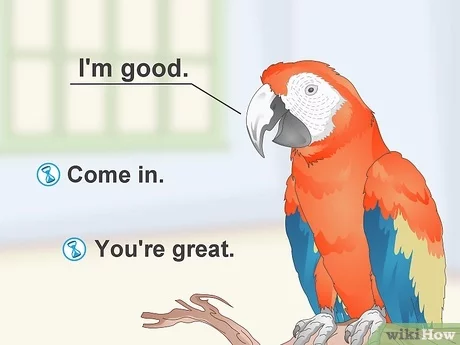
Teaching your macaw to talk can be one of the most enjoyable aspects of owning this bird. Start with simple words and phrases, repeating them consistently in a clear and cheerful tone. Words that are associated with daily activities, such as “hello” or “goodbye,” are often easier for them to learn because they hear them frequently.
Consistency is key. Practice speech training sessions regularly, but keep them short to maintain your macaw’s attention. Always reward your bird with a treat or praise when they attempt to mimic your words. This positive reinforcement encourages them to continue learning.
How to Establish a Routine
Creating a daily routine for your scarlet macaw is crucial for their well-being. A predictable schedule helps reduce stress and provides a sense of security. Start by setting consistent times for feeding, cleaning, and interaction. This regularity helps your bird anticipate what comes next, reducing anxiety and promoting better behavior.
Behavioral Training Techniques
Behavioral training focuses on teaching your macaw acceptable ways to express themselves. It’s essential to be patient and gentle, as harsh methods can lead to fear and aggression. Begin with basic commands like “step up” or “stay,” using positive reinforcement to encourage compliance. For a broader understanding of training techniques, consider exploring resources on training history and techniques for different species.
One effective technique is clicker training. This method involves using a small clicker to signal to the bird that they have performed a desired action, followed by a treat as a reward. This clear communication helps your macaw understand what is expected of them.
Another crucial aspect is addressing biting behavior. If your macaw nips or bites, calmly and firmly say “no” and redirect their attention to a toy or activity. Never react aggressively, as this can reinforce negative behavior. For more information on macaw behavior and care, you can refer to this Macaw Parrot: Bird Species Profile.
- Use a calm, consistent voice when training.
- Reward positive behavior with treats and praise.
- Be patient and persistent, as training takes time.
Honduran vs. Bolivian Scarlet Macaws: What’s the Difference?
While all scarlet macaws share similar characteristics, there are some differences between the Honduran and Bolivian varieties. Understanding these distinctions can help potential owners choose the bird that best fits their preferences and environment.
“scarlet macaws in Honduras” from news.mongabay.com and used with no modifications.
Habitat and Geographic Distinctions
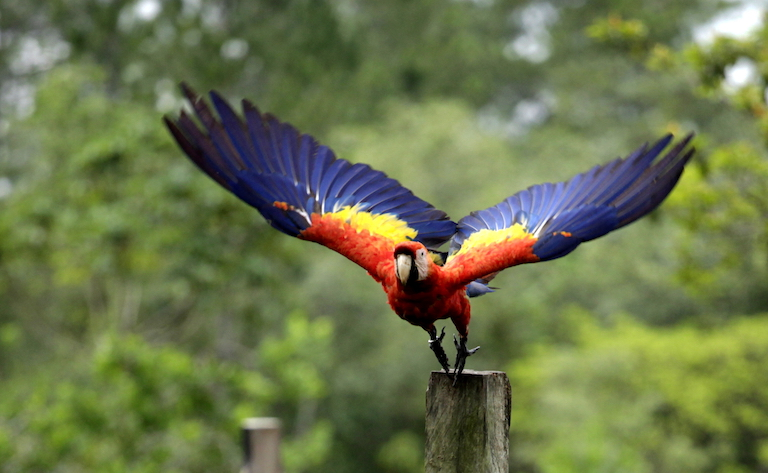
Honduran scarlet macaws are native to Central America, particularly in regions like Honduras. These birds are typically found in tropical rainforests and open woodlands. In contrast, Bolivian scarlet macaws inhabit the Bolivian Amazon, thriving in lush, dense forests.
These geographic differences can influence their behavior and adaptability to new environments. For instance, macaws from denser forests may require more environmental enrichment in captivity to feel at home, similar to how French Angora rabbits need specific care and grooming due to their unique environment.
- Honduran macaws: Central American origin, prefer open woodlands.
- Bolivian macaws: South American origin, thrive in dense forests.
When choosing a scarlet macaw, consider your local climate and whether it resembles the bird’s natural habitat. This can affect their comfort and health in the long term.

“Closeup Of Two Colorful Scarlet Macaw …” from www.istockphoto.com and used with no modifications.
Physical Appearance and Plumage Variations
There are subtle differences in appearance between Honduran and Bolivian scarlet macaws. Generally, Honduran macaws have brighter red plumage, while Bolivian macaws may display a slightly larger size and more muted colors. These variations are minor but can be significant for those with a keen eye for detail.
When selecting a macaw, observe their plumage closely. A healthy bird will have vibrant feathers and a bright, alert demeanor. Remember that a macaw’s appearance can also reflect its overall health and well-being.
Conservation Status and Concerns
Both Honduran and Bolivian scarlet macaws face conservation challenges due to habitat loss and illegal pet trade. However, their conservation status can vary depending on their region. Honduran scarlet macaws are generally considered to have a less critical conservation status compared to their Bolivian counterparts, which face more significant threats.
When adopting a scarlet macaw, it’s essential to consider their conservation status and support efforts to protect these magnificent birds in the wild. This can include choosing captive-bred birds from reputable sources and avoiding any involvement in the illegal pet trade.
Is it Legal to Own a Scarlet Macaw in the US?
Before adopting a scarlet macaw, it’s crucial to understand the legal requirements for owning one in the United States. These laws can vary depending on the state and the specific subspecies of macaw.
Understanding Legality by Subspecies
In the US, different subspecies of scarlet macaws may have varying legal statuses. Some may be classified as endangered or threatened, which can affect their legality as pets. It’s important to research the specific laws in your state to ensure compliance with any regulations. For more information on threatened species, you can visit the Macaw Recovery Network.
Regulations on Importation and Trade
The commercial trade of wild scarlet macaws is prohibited in the United States. This means that importing these birds from the wild is illegal. However, captive-bred scarlet macaws can be legally owned, provided they come from reputable breeders or rescue organizations.
Owners should ensure they have the necessary documentation to prove the bird’s origin and legality. This can include permits or certificates from the breeder or rescue organization. Adhering to these regulations helps protect wild populations and ensures that your macaw is legally obtained.
Licenses and Permits for Owners
Owning a scarlet macaw in the United States might require specific licenses or permits, depending on your state’s regulations. Some states have stringent rules regarding the ownership of exotic birds, and it’s crucial to be aware of these before bringing a macaw home. Contact your local wildlife agency or department of agriculture to inquire about any permits or licenses you may need.
Failure to comply with these legal requirements can result in fines or the confiscation of your bird. Therefore, it’s essential to do your research and ensure all necessary paperwork is in order before proceeding with adoption.
Who is the Ideal Owner for a Scarlet Macaw?
Scarlet macaws are not suitable for every pet owner. They require a specific type of individual who can meet their unique needs and provide the care they deserve. Understanding whether you’re the right match for a scarlet macaw is an important step in the adoption process. If you’re considering other bird species, you might also explore the Golden Mantled Rosella to compare their care requirements and personality traits.
“Bird Toys for Parrots African Grey …” from www.amazon.com and used with no modifications.
Necessary Space and Environment
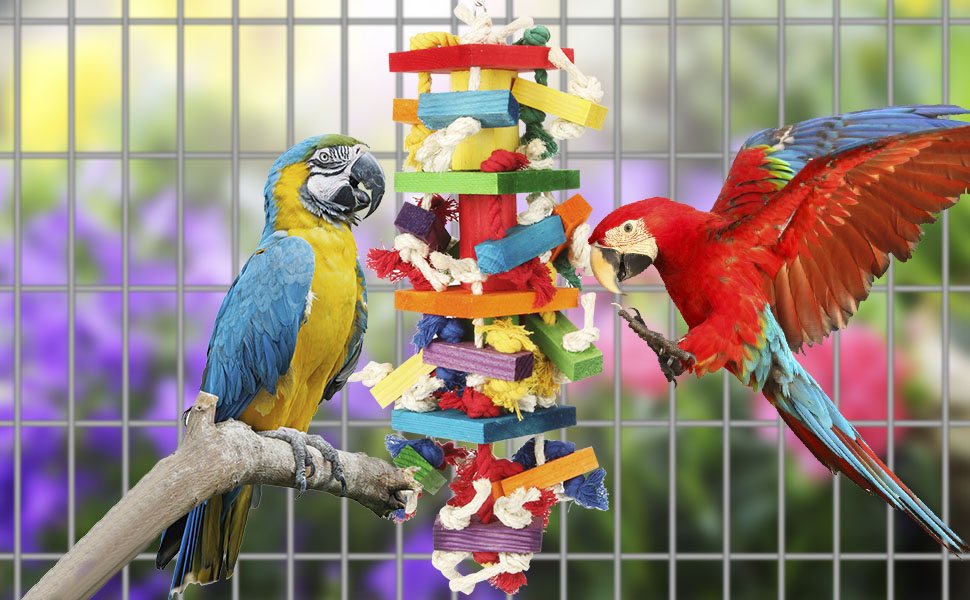
These birds are large and need plenty of space to thrive. A suitable cage should be spacious enough for them to spread their wings fully and move around comfortably. Additionally, they need time outside their cage daily to exercise and explore. Providing an enriching environment with plenty of toys and activities is crucial for their mental and physical health.
Time and Attention Requirements
Scarlet macaws are highly social and require a lot of attention from their owners. They thrive on interaction and can become bored or distressed if left alone for long periods. Ideally, owners should spend several hours a day interacting with their macaw, providing companionship and stimulation.
Is Experience with Birds Essential?
While experience with birds is not strictly necessary, it can be beneficial. Understanding bird behavior, dietary needs, and training techniques can help new owners provide better care for their macaw. For those without prior experience, seeking advice from avian experts or joining bird enthusiast communities can provide valuable support and information.
Example: A new macaw owner joined a local bird club to learn more about proper care and training techniques. Through the club, they gained access to resources and support that helped them become a more confident and knowledgeable caregiver.
Whether you’re a seasoned bird owner or a newcomer, being prepared to learn and adapt is key to successfully caring for a scarlet macaw.
Final Thoughts on Adopting a Scarlet Macaw
Adopting a scarlet macaw is a significant commitment that can bring immense joy and fulfillment. These birds are intelligent, affectionate, and long-lived companions that require dedicated care and attention. By understanding their needs and being prepared for the responsibilities involved, you can provide a loving home for your macaw. For those interested in exploring other pet adoption options, consider learning about Border Terrier adoption and their family-friendly traits.
Consider your lifestyle, resources, and experience before deciding to adopt. If you’re ready to make the commitment, a scarlet macaw can become a cherished member of your family for many years to come. For those interested in other unique pets, you might also consider Gouldian finch rescue and care as an alternative.
Remember, the decision to adopt should never be taken lightly. Ensure you have the necessary knowledge, support, and resources to provide the best possible care for your new companion.
Example: A couple who had always wanted a macaw spent months researching and preparing their home before adopting. Their careful planning and commitment resulted in a successful adoption and a strong bond with their new feathered friend.
Frequently Asked Questions (FAQ)
As you consider adopting a scarlet macaw, you may have several questions. Here are some common inquiries and their answers to help guide your decision.
- How long do scarlet macaws live?
- What should I feed my scarlet macaw?
- Are scarlet macaws good with children under 12?
- Can scarlet macaws be left alone?
- How can I make my scarlet macaw comfortable in its new home?
How long do Scarlet Macaws live?
Scarlet macaws have a long lifespan, often living 40 to 50 years or more in captivity. This longevity makes them a long-term commitment for potential owners, requiring consistent care and companionship throughout their lives. For more information on their care, you can explore this macaw parrot profile.
What should I feed my Scarlet Macaw?
A balanced diet for a scarlet macaw includes a variety of fruits, vegetables, nuts, and high-quality pellets. Fresh foods should be offered daily, ensuring a diverse range of nutrients. Avoid feeding them chocolate, avocado, and caffeine, as these can be toxic to birds.
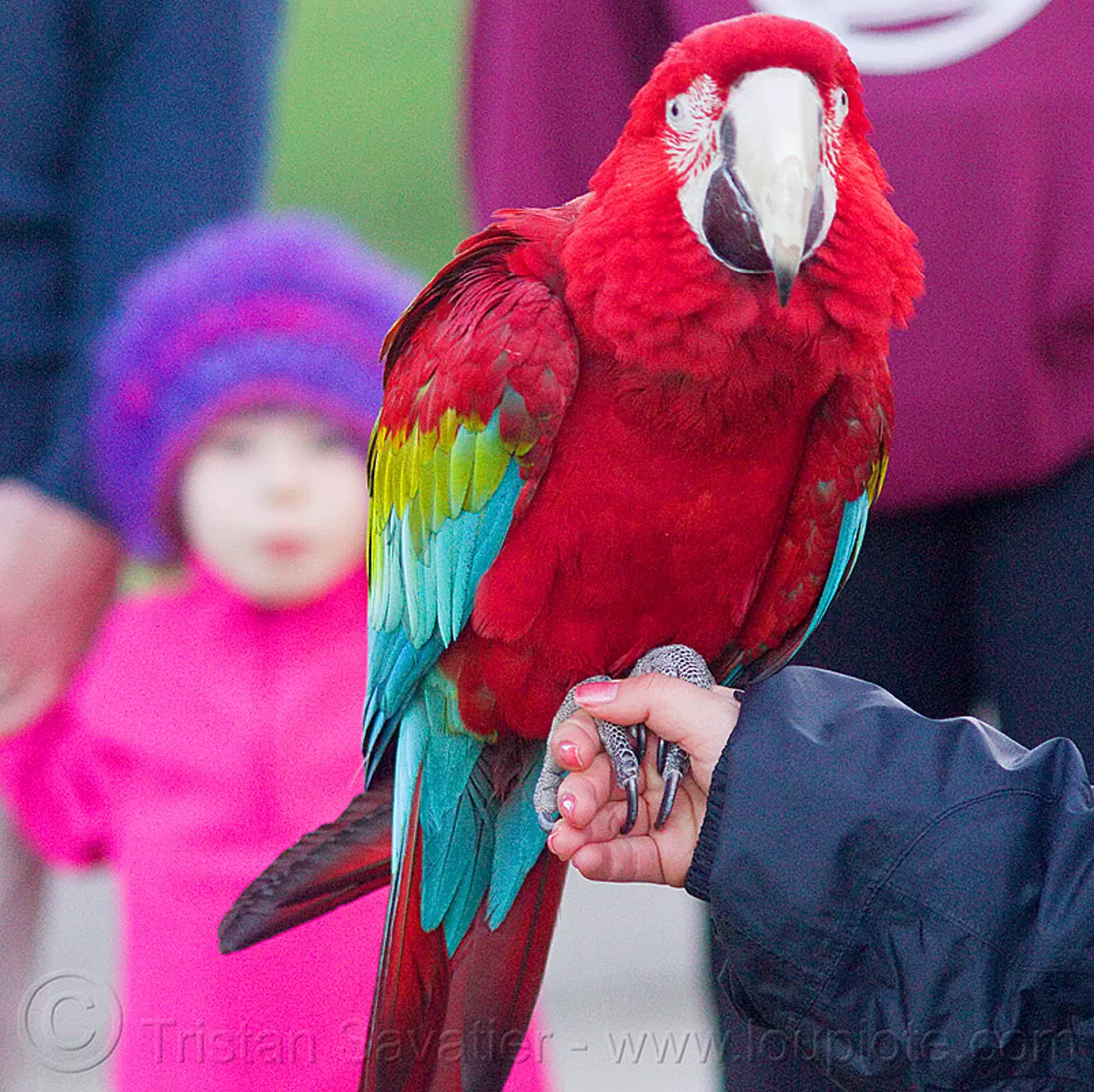
“Green-winged Macaw Parrot” from www.loupiote.com and used with no modifications.
Are Scarlet Macaws good with children under 12?
While scarlet macaws can be affectionate and friendly, their large size and strong beak require careful supervision around young children. It’s important to teach children how to interact safely with the bird and ensure they understand the importance of gentle handling.
Additionally, scarlet macaws can be sensitive to sudden movements and loud noises, which may be common in households with young children. Consider your family dynamics and the bird’s temperament before introducing them to your home.
Can Scarlet Macaws be left alone?
Scarlet macaws are social creatures and should not be left alone for extended periods. They thrive on interaction and can develop behavioral issues if isolated. If you have a busy schedule, consider having another family member or pet sitter provide companionship when you’re away.
How can I make my Scarlet Macaw comfortable in its new home?
- Set up a spacious and secure cage with plenty of toys and perches.
- Establish a consistent routine for feeding, cleaning, and interaction.
- Provide regular out-of-cage time for exercise and exploration.
- Gradually introduce new people and environments to prevent stress.
By following these steps, you can create a comfortable and enriching environment for your scarlet macaw, ensuring they feel safe and happy in their new home.
In conclusion, adopting a scarlet macaw is a rewarding experience that requires careful consideration and preparation. With the right knowledge and resources, you can provide a loving and supportive home for your feathered companion.