Key Takeaways
- Sun Conures are vibrant and playful birds, but they can be quite loud, making them unsuitable for noise-sensitive environments.
- The initial cost of adopting a Sun Conure ranges from $200 to $800, with additional expenses for cages, toys, and food.
- These birds thrive on interaction and need regular bonding time with their owners to stay happy.
- Sun Conures can be left alone for short periods, but they require daily attention and stimulation.
- They are not beginner-friendly due to their care needs and noise level, but with patience and dedication, they can become wonderful companions.
Sun Conure Companion Bird Adoption Guide
Adopting a Sun Conure can be a rewarding experience for bird enthusiasts who are ready for the commitment. Known for their vibrant plumage and lively personalities, Sun Conures are often compared to the larger parrot species in terms of charisma. However, their small size doesn’t mean they are low maintenance. Let’s dive into what it takes to adopt and care for a Sun Conure.
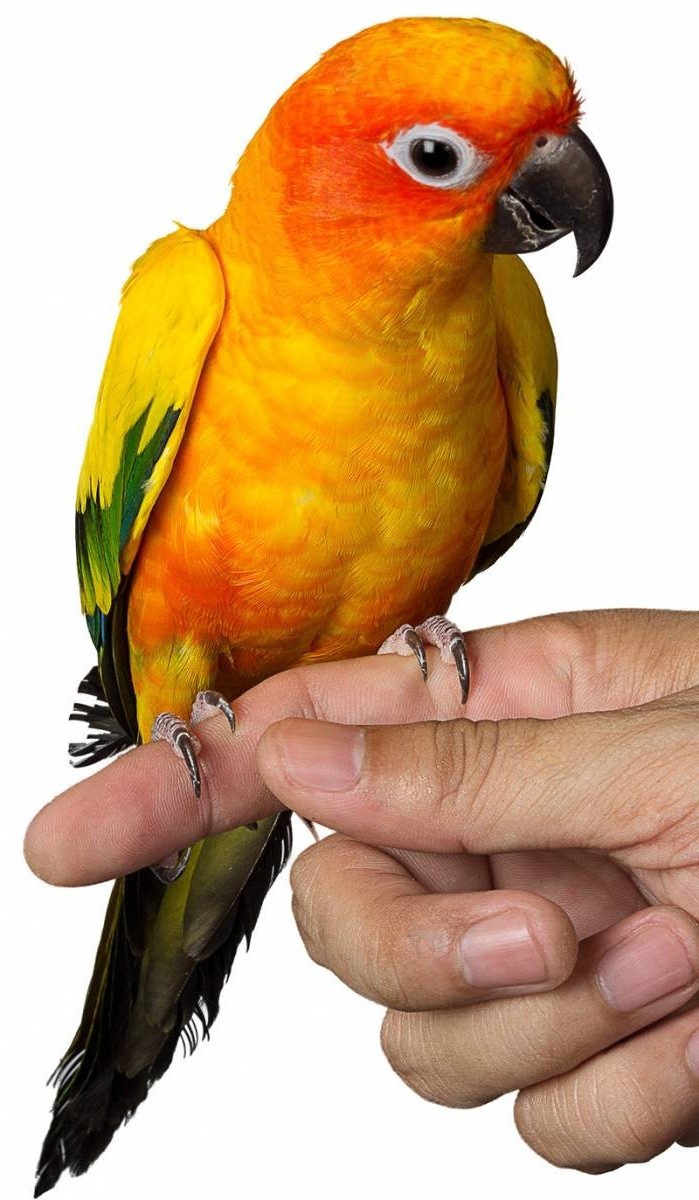
“Super Sun Conure at The Animal Store …” from www.theanimalstore.com and used with no modifications.
Introduction to Sun Conure Adoption
Sun Conures are part of the parrot family, known for their striking yellow, orange, and green feathers. They are native to South America, where they live in flocks and enjoy a highly social lifestyle. When considering adopting a Sun Conure, it’s crucial to understand their need for interaction and stimulation. They thrive in environments where they can be part of the family, engaging in daily activities and bonding with their human companions.
Sun Conures are like the life of the party—always energetic, always engaging, and definitely the center of attention.
Before bringing one home, consider your lifestyle and whether you can meet their social and environmental needs. Sun Conures can live up to 20 years with proper care, making this a long-term commitment. For more information on their behavior and how they compare with other parrots, check out this Sun Conure behavior guide.
Initial Costs and Ongoing Expenses
The financial aspect of adopting a Sun Conure is a significant consideration. The initial purchase price can vary widely based on factors such as the bird’s age, breeder reputation, and geographical location. Typically, you might spend anywhere from $200 to $800. But the costs don’t stop there.
You’ll need a suitable cage, which should be spacious enough to allow your Sun Conure to move freely. A good cage can cost between $100 and $300. Then, there are toys and perches to keep your bird entertained, which could add another $50 to $100. Don’t forget about the diet; a balanced mix of seeds, pellets, fruits, and vegetables is essential for their health, which might cost around $20 to $50 monthly.
Characteristics and Communication
Sun Conures are known for their bright and engaging personalities. They are very social and enjoy interacting with their human family. However, they are also known for their loud calls. This is a natural behavior, as they use vocalizations to communicate with their flock in the wild. Therefore, potential owners should be prepared for a noisy pet. For those interested in exploring other bird species, you might want to learn about the Gouldian Finch and its care requirements.
Despite their noise, Sun Conures are incredibly affectionate. They enjoy being held and will often seek out attention. They can learn to perform tricks and mimic sounds, though they aren’t as proficient at talking as some other parrot species. Their intelligence means they require mental stimulation, so regular playtime and training sessions are a must.
Pros and Cons of Owning a Sun Conure
Deciding to adopt a Sun Conure involves weighing the pros and cons. Their vibrant personality can be both a blessing and a challenge. Let’s explore what makes them such unique pets and what potential difficulties you might face.
Advantages of a Sun Conure as a Pet
Sun Conures are incredibly entertaining. Their playful nature and intelligence mean they can learn tricks and games, providing endless amusement. They form strong bonds with their owners, often seeking out cuddles and interaction. Their beauty is undeniable, with their vivid colors brightening up any room.
Potential Challenges to Consider
However, their noise level can be a significant drawback for some. They are not suitable for apartments or noise-sensitive households. Additionally, their need for attention can be demanding. If left alone for long periods, they can become bored and develop destructive behaviors.
Therefore, adopting a Sun Conure is best suited for those who have the time and environment to meet their needs. With the right care, they can become loving and loyal companions. For those interested in exploring other exotic pets, consider learning about the Gouldian Finch, another vibrant and fascinating bird.
Suitability for Students and Workers
For students and working professionals considering a Sun Conure, it’s important to assess whether your lifestyle can accommodate their needs. Sun Conures are active and social birds that thrive on interaction and stimulation. They can become lonely or bored if left alone for long periods, leading to behavioral issues like excessive screaming or feather plucking.
However, if you have a structured routine and can dedicate quality time to your bird each day, a Sun Conure can still be a great pet. The key is to ensure they have enough mental and physical stimulation even when you’re not around.
Consider your schedule and whether you can spend at least a couple of hours a day interacting with your Sun Conure. If you can manage that, then a Sun Conure might fit into your life beautifully.
Can a Sun Conure Stay Alone?
Sun Conures can be left alone for short periods, but they are not ideal for households where they would be alone all day. If you have long work or school hours, consider setting up an enriching environment for them. This includes a variety of toys, puzzles, and safe items to chew on. Some owners find that having two birds can help, as they can keep each other company, but this also doubles the responsibility.
Tips for Busy Owners
If you’re busy but still want to enjoy the companionship of a Sun Conure, here are some tips to help manage their care:
- Set a routine: Birds thrive on routine. Try to feed and interact with your Sun Conure at the same times each day.
- Provide enrichment: Invest in a variety of toys and rotate them regularly to keep your bird engaged.
- Use technology: Consider using bird-safe videos or music to provide auditory stimulation while you’re away.
- Involve family or friends: If possible, have someone else spend time with your bird during the day.
By incorporating these strategies, you can help ensure your Sun Conure remains happy and healthy, even with a busy schedule.
Comparison with Other Parrot Species
Choosing the right parrot species is crucial, as each has unique characteristics and care requirements. Let’s compare Sun Conures with some popular parrot species to help you make an informed decision.

“sun conure home George the ringneck …” from www.reddit.com and used with no modifications.
Sun Conure vs. Ringneck Parrot
Sun Conures and Ringneck Parrots differ significantly in temperament and care needs. While Sun Conures are known for their affectionate and playful nature, Ringneck Parrots can be more independent and aloof. Ringnecks are often quieter and can be better suited for those who prefer a less vocal bird. However, they may require more patience during training due to their independent streak.
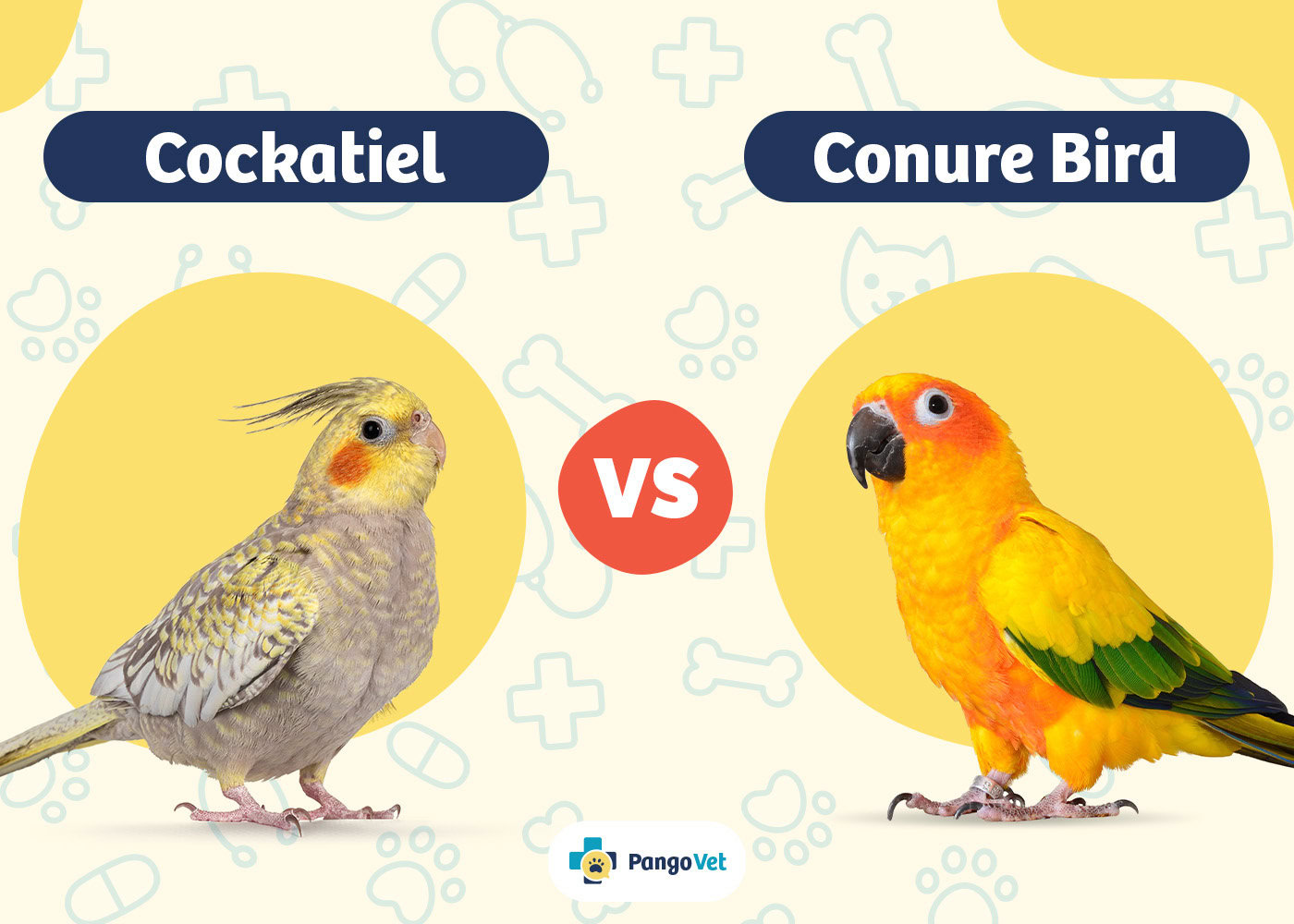
“Cockatiel vs Conure: Key Differences …” from pangovet.com and used with no modifications.
Sun Conure vs. Cockatiel
Cockatiels are generally more laid-back than Sun Conures. They are less demanding and tend to be quieter, making them ideal for beginners or those living in apartments. While Sun Conures are more colorful and engaging, Cockatiels can be equally affectionate and are often easier to care for due to their lower noise levels and simpler dietary needs.
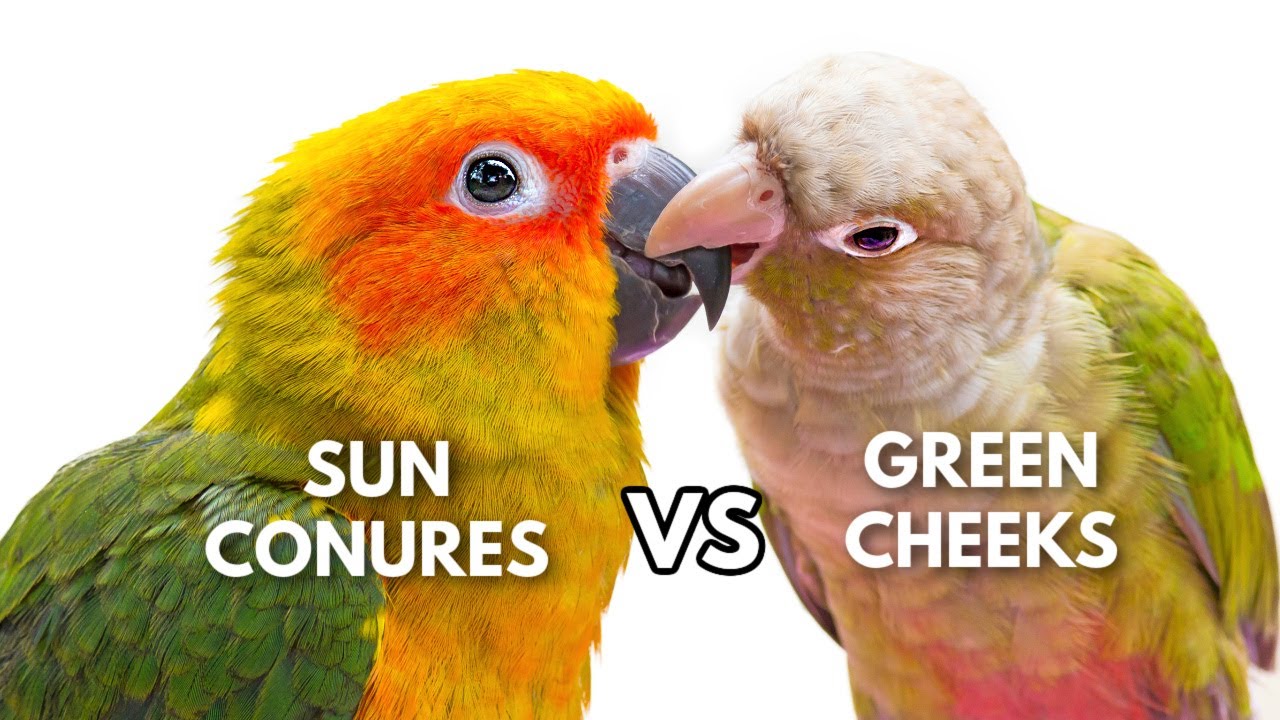
“Green Cheek Conures vs Sun Conures …” from m.youtube.com and used with no modifications.
Sun Conure vs. Green Cheek Conure
Both Sun Conures and Green Cheek Conures are lively and playful, but Green Cheeks are typically quieter and slightly smaller. This makes them a popular choice for those who want the charm of a conure without the high noise level. However, Sun Conures are more vibrant in color and tend to be more outgoing, often forming strong bonds with their owners. If you’re considering other pets, you might want to explore Border Collie adoption as well.
Compatibility with Larger Birds
If you already have larger birds like Macaws or African Greys, you might wonder if a Sun Conure would fit into your existing flock. While it’s possible, careful consideration and gradual introductions are necessary to ensure harmony.
Living with Macaws
Macaws are significantly larger than Sun Conures, which can lead to unintentional harm during interactions. However, if both birds are socialized and introduced properly, they can coexist peacefully. Always supervise their interactions and provide separate spaces for each bird to retreat to if needed.
Macaws and Sun Conures have different needs in terms of space and diet, so ensure each bird’s requirements are met independently. This can help prevent territorial disputes and ensure both birds remain healthy and happy.
“Avian Enrichment – Emotional Needs” from avianenrichment.com and used with no modifications.
Compatibility with African Greys
African Greys are known for their intelligence and sensitive nature. While they can coexist with Sun Conures, it’s crucial to monitor their interactions closely. African Greys may become stressed by the Sun Conure’s boisterous nature, so provide plenty of space and enrichment for both birds.
When introducing a Sun Conure to an African Grey, take it slow. Allow them to become accustomed to each other’s presence before allowing direct interaction. With patience and careful management, these two species can live harmoniously.
Is a Sun Conure Suitable for Beginners?
Sun Conures are captivating and vibrant birds that can make excellent pets for the right owner. However, they may not be the best choice for beginners due to their specific care needs and high energy levels. Their loud vocalizations can be challenging for those unaccustomed to parrot noise, and they require significant attention and interaction to remain happy and healthy.
Before adopting a Sun Conure, potential owners should thoroughly research their care requirements and assess whether they can commit to meeting these needs over the long term. While they are not the easiest birds to care for, their affectionate nature and playful demeanor can make them rewarding companions for those who are prepared for the challenge.
Example: “When I first adopted my Sun Conure, I was unprepared for the noise and attention they demanded. It took time and patience to adjust, but now, I can’t imagine my life without their vibrant personality and daily antics.”
For those new to bird ownership, starting with a quieter and less demanding species might be advisable. Once you gain experience and confidence in caring for birds, you may find yourself better equipped to handle the unique challenges of a Sun Conure.
Beginner-Friendly Aspects
Despite the challenges, Sun Conures have some aspects that can appeal to beginners. They are relatively small compared to larger parrots, which can make them easier to handle and house. Additionally, their playful and social nature can provide endless entertainment and joy, making the effort worthwhile for dedicated owners.
Considerations for First-Time Bird Owners
First-time bird owners should consider several factors before adopting a Sun Conure. It’s crucial to have a clear understanding of their dietary needs, social requirements, and potential noise levels. Ensure you have the time and resources to provide a stimulating environment that includes toys, perches, and regular interaction.
Furthermore, consider the long-term commitment involved. Sun Conures can live for 20 years or more, requiring consistent care throughout their lifespan. If you’re prepared for the responsibility and eager to learn, a Sun Conure can become a cherished member of your family.
Conclusion and Recommendations
Adopting a Sun Conure is a decision that should not be taken lightly. These vibrant and intelligent birds require dedicated care, attention, and a suitable environment to thrive. For those who are prepared to meet these needs, Sun Conures can offer years of companionship and joy.
Before making a decision, consider your lifestyle, experience level, and ability to commit to the care of a Sun Conure. If you’re ready for the challenge, these birds can bring color and energy into your life, becoming loyal and affectionate companions.
Frequently Asked Questions
To help you make an informed decision, here are some frequently asked questions about Sun Conure care and adoption.
What is the typical lifespan of a Sun Conure?
Sun Conures can live up to 20 to 30 years with proper care. This includes a balanced diet, regular veterinary check-ups, and a stimulating environment that meets their social and physical needs.
How noisy are Sun Conures compared to other parrots?
Sun Conures are known for their loud and high-pitched calls. They are generally noisier than smaller parrot species like Cockatiels or Green Cheek Conures. Their vocalizations are a natural part of their behavior, used to communicate with their flock and express emotions.
If noise is a concern, it’s important to consider whether you can tolerate their vocalizations before adopting a Sun Conure. Providing plenty of interaction and enrichment can help reduce excessive screaming.
What are the basic needs of a Sun Conure?
Sun Conures require a spacious cage, a balanced diet of seeds, pellets, fruits, and vegetables, and regular social interaction. They also need toys and perches to keep them mentally and physically stimulated.
Example: “I found that rotating toys and introducing new ones regularly kept my Sun Conure engaged and prevented boredom-related behaviors.”
Regular veterinary care is also essential to monitor their health and address any potential issues early on.
How can I improve my Sun Conure’s vocabulary?
While Sun Conures are not the most proficient talkers, they can learn to mimic sounds and words with consistent training. Use repetition and positive reinforcement to encourage your bird to repeat specific sounds or words.
Example: “I used treats and praise to reinforce my Sun Conure’s attempts at mimicking words, and over time, they learned to say ‘hello’ and ‘goodbye’.”
Be patient and make the training sessions fun and engaging for your bird. For more insights on training pets, you might find this article on Border Collie training helpful.
Are Sun Conures safe around children and other pets?
Sun Conures can be safe around children and other pets, but supervision is crucial. Educate children on how to interact gently with the bird and ensure other pets do not pose a threat to the Conure.