Key Takeaways
- Yellow-collared macaws are vibrant and intelligent birds, known for their green bodies and distinctive yellow collars.
- These birds originate from central South America, primarily found in Bolivia, Brazil, Paraguay, and Argentina.
- The initial cost of adopting a yellow-collared macaw can range from $1,000 to $2,500, with annual maintenance costs between $300 and $500.
- Yellow-collared macaws can live up to 50 years with proper care, and their diet should include a mix of fruits, nuts, and seeds.
- They are social and friendly but require regular interaction and stimulation to prevent boredom and aggression.
At a Glance: Understanding Yellow-Collared Macaw Care
Yellow-collared macaws are a delightful blend of charm and intelligence. Their vibrant appearance is matched by a personality that is both engaging and complex. If you’re considering bringing one of these beautiful birds into your home, it’s important to understand what makes them unique and how to care for them properly.
“Omar`s Exotic Birds” from omarsexoticbirds.com and used with no modifications.
Appearance and Gender Identification
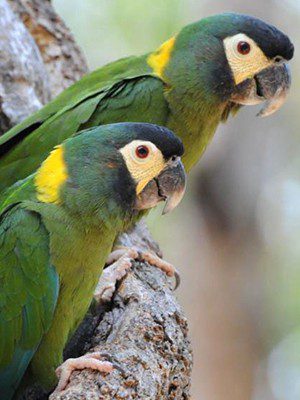
When it comes to appearance, yellow-collared macaws are nothing short of stunning. Their bodies are predominantly green, with a striking yellow band around the neck, giving them their name. Their wings are a mix of blue and green, and they have a distinctive patch of bare skin around their eyes, which is typical of many macaw species.
“The yellow-collared macaw is a vibrant bird with a green body, a yellow collar, and blue-green wings. Its beauty is matched only by its intelligence and engaging personality.”
Identifying the gender of a yellow-collared macaw can be a bit tricky. Unlike some bird species, there are no obvious physical differences between males and females. However, there are a few methods you can use to determine their gender.
Physical Characteristics
Yellow-collared macaws are medium-sized parrots, typically measuring between 15 to 17 inches in length and weighing around 8 to 10 ounces. Their compact size makes them more manageable than some of their larger macaw relatives, yet they still possess the same vibrant personality.
Their beaks are strong and curved, designed for cracking nuts and seeds. The combination of their physical strength and intelligence means they require sturdy toys and enrichment activities to keep them occupied and prevent destructive behavior.
Methods of Gender Identification
Since yellow-collared macaws don’t exhibit sexual dimorphism, visual identification of gender isn’t possible. The most reliable way to determine the gender of your macaw is through DNA testing. This involves a simple procedure where a small sample, like a feather or blood, is sent to a laboratory for analysis.
Another method, although less reliable, is behavioral observation. Some owners report that males tend to be more aggressive and territorial, while females may be more nurturing. However, these traits can vary widely among individuals, making DNA testing the most accurate method.
Origins and Natural Habitat
Understanding the origins and natural habitat of yellow-collared macaws can provide valuable insights into their care and behavior. These birds are native to central South America, where they thrive in a variety of environments. For those interested in exploring more about bird species from similar regions, the golden-mantled rosella is another fascinating bird to consider.

“Yellow-collared Macaw – eBird” from ebird.org and used with no modifications.
Geographic Distribution in the Wild
Yellow-collared macaws are primarily found in Bolivia, Brazil, Paraguay, and Argentina. In these regions, they inhabit tropical and subtropical forests, where they can be seen foraging for food and socializing in flocks.
In the wild, they are often observed in pairs or small groups, displaying their natural social behavior. This social nature is an important consideration for potential owners, as these birds require regular interaction and companionship to thrive.
Typical Habitats and Environment
In their natural habitat, yellow-collared macaws are accustomed to a warm climate with plenty of foliage for shelter and food. They prefer areas with an abundance of fruiting trees, which provide both nourishment and opportunities for play and exploration.
When keeping a yellow-collared macaw as a pet, it’s essential to replicate this environment as closely as possible. This means providing a spacious cage with plenty of perches, toys, and foraging opportunities. Additionally, maintaining a consistent temperature and humidity level is crucial for their health and well-being. For those interested in other unique pets, consider the golden mantled rosella which also requires special care and attention.
Costs of Adoption and Maintenance
Bringing a yellow-collared macaw into your home is a significant commitment, both emotionally and financially. It’s important to understand the costs involved in their adoption and ongoing care to ensure you’re fully prepared for the responsibilities of macaw ownership.
“Adopting a yellow-collared macaw is a long-term commitment that requires careful consideration of both the initial investment and ongoing care costs.”
Let’s break down these costs to give you a clearer picture of what to expect.
Initial Adoption Expenses
The initial cost of adopting a yellow-collared macaw can vary significantly depending on factors such as the bird’s age, health, and the breeder’s reputation. On average, you can expect to pay between $1,000 and $2,500 for a healthy, well-socialized bird.
In addition to the purchase price, you’ll need to invest in a suitable cage, which can range from $200 to $1,000 depending on size and quality. Other initial expenses include perches, toys, and feeding supplies, which can add another $100 to $200 to your total.
“When budgeting for a yellow-collared macaw, consider not only the purchase price but also the cost of a spacious cage, toys, and other essentials.”
Ongoing Care and Maintenance Costs
Once you’ve brought your yellow-collared macaw home, there are ongoing costs to consider. These include food, veterinary care, and enrichment supplies. On average, you can expect to spend between $300 and $500 annually on these expenses.
It’s important to provide a varied diet that includes fresh fruits, vegetables, nuts, and high-quality pellets. Regular veterinary check-ups are also essential to monitor your macaw’s health and prevent potential issues.
Overall, the financial investment in a yellow-collared macaw is significant, but the rewards of having such a vibrant and engaging companion are well worth it.
Lifespan and Optimal Diet
Yellow-collared macaws are known for their longevity, making them a lifelong companion for those who choose to adopt them. Their diet plays a crucial role in ensuring they lead a healthy and active life.
Average Lifespan in Captivity
In captivity, yellow-collared macaws can live up to 50 years or more with proper care. This impressive lifespan is one of the reasons they are such a popular choice among bird enthusiasts. However, reaching this age requires a commitment to their health and well-being throughout their life.
Regular veterinary check-ups and a balanced diet are key components in extending your macaw’s lifespan. Keeping them mentally and physically stimulated with toys and interaction is equally important to prevent stress-related health issues. For more information on pet care, you might find this guide on Gouldian Finch care useful.

“Yellow-collared Macaw: Manual …” from www.amazon.com and used with no modifications.
Essential Nutritional Needs
The diet of a yellow-collared macaw should be as varied as possible to mimic their natural foraging habits. A balanced diet includes a variety of seeds, fruits, and vegetables. For those interested in learning more about bird care, you might find the care tips for golden-mantled rosellas insightful as they share similar dietary needs.
- Fresh fruits and vegetables such as apples, carrots, and leafy greens.
- High-quality pellets that provide essential vitamins and minerals.
- Nuts and seeds, offered in moderation due to their high-fat content.
It’s important to avoid feeding them avocados, chocolate, caffeine, and alcohol, as these can be toxic to birds. Fresh, clean water should always be available to keep them hydrated.
Personality Traits
Yellow-collared macaws are known for their lively and engaging personalities. They are social creatures that thrive on interaction and attention from their human companions.
Common Behavioral Tendencies
These macaws are intelligent and curious, often exploring their environment with great enthusiasm. They can be quite vocal, using a range of sounds to communicate with their owners and other birds. This vocal nature makes them excellent companions for those who enjoy interactive pets.
|
Behavior |
Description |
|---|---|
|
Vocalization |
Loud and expressive, often mimicking sounds and words. |
|
Playfulness |
Enjoys toys and games, requires regular stimulation. |
|
Affectionate |
Forms strong bonds with owners, enjoys cuddling and petting. |
Most importantly, their playful nature requires a lot of toys and activities to keep them engaged. Without proper stimulation, they may develop destructive behaviors or become bored and stressed. For more information on playful pets, you can explore the playfulness of Khao Manee cats.
Socialization and Interaction Needs
Yellow-collared macaws are highly social birds that require regular interaction with their human family. They enjoy being part of daily activities and can become depressed if left alone for extended periods.
To keep your macaw happy, spend time with them each day, whether it’s through play, training, or simply having them nearby while you go about your routine. Socialization is essential for their mental health and helps prevent behavioral issues.
Evaluating Suitability as Pets
Deciding whether a yellow-collared macaw is the right pet for you involves considering their unique needs and characteristics. These birds can be wonderful companions, but they require a specific environment and level of care.
- They need a spacious cage and plenty of time outside it to exercise and explore.
- Regular interaction and mental stimulation are crucial for their well-being.
- They can be loud, so consider whether noise is an issue in your living situation.
Before adopting, ensure you have the time, resources, and commitment to meet their needs for many years to come.
Temperament: Friendly or Aggressive?
Generally, yellow-collared macaws are friendly and sociable, forming strong bonds with their owners. They are known for their affectionate nature and enjoy being handled and cuddled. However, like any animal, their temperament can vary based on their individual personality and upbringing.
Proper socialization from a young age is crucial to prevent aggressive behaviors. If they feel neglected or threatened, they may become nippy or defensive. Building trust and providing a stable environment helps ensure they remain friendly and approachable. For those considering a family-friendly pet, exploring the traits and training of a Border Terrier can offer insights into nurturing a well-behaved companion.
“Hahns Macaw/Sun Conure Hybrid …” from www.reddit.com and used with no modifications.
Compatibility with Children under 12
Yellow-collared macaws can be good companions for families with children, provided that interactions are supervised and the children are taught how to handle birds gently and respectfully. These macaws can be playful and enjoy engaging with younger family members. For families considering other pets, you might also explore the personality and care needs of golden-mantled rosellas as potential companions.
It’s important to educate children on the bird’s needs and boundaries to prevent any accidental harm or stress. With the right guidance, yellow-collared macaws can become cherished members of the family, sharing in daily activities and providing endless entertainment.
Comparisons with Other Bird Species
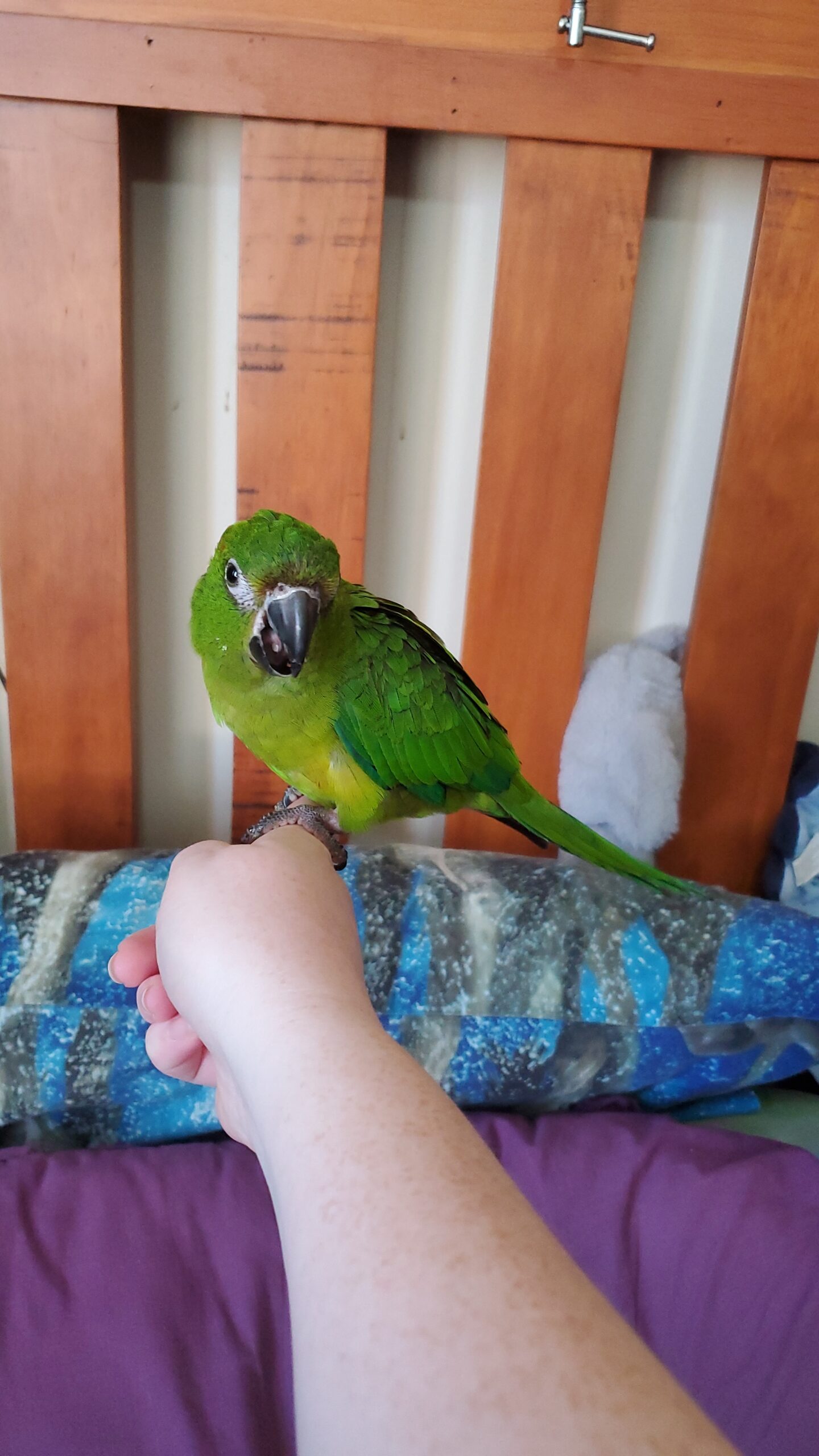
When choosing a bird, it’s helpful to compare the yellow-collared macaw with other similar species to determine which might be the best fit for your home and lifestyle. Two popular comparisons are with the Green Cheek Conure and Hahn’s Macaw.
Yellow-collared macaws are larger than Green Cheek Conures, which typically measure around 10 inches in length. While both species are playful and social, the macaw’s larger size requires more space and potentially more robust toys.
Compared to Hahn’s Macaw, which is similar in size, the yellow-collared macaw tends to be more vocal and may require more interaction. Both species are known for their intelligence and ability to learn tricks and mimic sounds.
“Parrot Owner When – In Loco Parrotus” from windroseaviaries.wordpress.com and used with no modifications.
Yellow-Collared Macaw vs. Green Cheek Conure
When comparing the yellow-collared macaw to the green cheek conure, several differences become apparent. Firstly, the size difference is notable. Yellow-collared macaws are larger, measuring 15 to 17 inches, while green cheek conures are about 10 inches long. This size difference means that macaws require larger cages and more space to roam. For those interested in exploring other bird species, the golden mantled rosella is another fascinating option to consider.
In terms of personality, both birds are known for their playful and social nature. However, the yellow-collared macaw is often more vocal and expressive, making it a better fit for those who enjoy a chatty companion. On the other hand, green cheek conures are quieter, which might be preferable for those living in apartments or close quarters.
Another consideration is their dietary needs. While both birds enjoy a varied diet of fruits, vegetables, and seeds, the larger macaw requires more food and, consequently, a larger food budget. Despite these differences, both species can make excellent pets with proper care and attention. If you’re considering adopting a bird, you might also want to explore other pet options, such as Border Collie adoption, to see which pet best fits your lifestyle.
Yellow-Collared Macaw vs. Hahn’s Macaw
Yellow-collared macaws and Hahn’s macaws are similar in many ways, but they do have distinct differences. Both are small macaws, making them more manageable than their larger relatives. However, yellow-collared macaws are slightly larger and may require more space.
In terms of personality, both species are intelligent and social. Yellow-collared macaws tend to be more vocal, often mimicking sounds and words, while Hahn’s macaws are generally quieter. This vocal difference can be a deciding factor for potential owners who prefer a more subdued environment.
Both species thrive on interaction and need regular mental stimulation to prevent boredom. Whether you choose a yellow-collared or Hahn’s macaw, you’ll be rewarded with a loyal and entertaining companion.
Conclusion
Choosing a yellow-collared macaw as a pet is a decision that comes with great responsibility and reward. These vibrant and intelligent birds require a significant investment of time, resources, and affection. With the right care, they can become beloved members of the family, providing companionship and joy for many years.
“Owning a yellow-collared macaw is a journey filled with colorful moments and shared experiences. Their vibrant personalities and affectionate nature make them more than just pets—they become part of the family.”
By understanding their needs and providing a suitable environment, you can ensure a happy and healthy life for your macaw. Remember, the key to a successful relationship with your feathered friend is patience, consistency, and love.
Summarizing Key Considerations for Potential Owners
Potential owners should consider the following before adopting a yellow-collared macaw:
- Ensure you have the time and resources for their long-term care.
- Provide a spacious and stimulating environment.
- Be prepared for their vocal nature and social needs.
- Commit to regular veterinary care and a balanced diet.
- Educate yourself on their behavior and training requirements.
Frequently Asked Questions (FAQ)
Here are some common questions and answers about yellow-collared macaws to help you make an informed decision.
What is the best environment for a Yellow-Collared Macaw?
A yellow-collared macaw thrives in an environment that mimics its natural habitat. This means a spacious cage with plenty of perches, toys, and opportunities for foraging. Regular out-of-cage time is essential for exercise and mental stimulation.
How do I tell the gender of my Yellow-Collared Macaw?
The most reliable method for determining the gender of a yellow-collared macaw is DNA testing. This involves sending a feather or blood sample to a laboratory for analysis. Behavioral observation can provide clues, but it’s not as accurate as genetic testing.
Some owners report that males are more aggressive, while females may be more nurturing. However, these traits can vary widely among individual birds.
- DNA testing is the most accurate method.
- Behavioral observation can offer some insights.
- Consult a veterinarian for professional advice.
What diet ensures a healthy Yellow-Collared Macaw?
A balanced diet for a yellow-collared macaw includes a variety of fresh fruits, vegetables, nuts, and high-quality pellets. Avoid feeding them avocados, chocolate, caffeine, and alcohol, as these are toxic to birds. Fresh water should always be available.
Are Yellow-Collared Macaws good with other pets?
Yellow-collared macaws can coexist with other pets, but it’s important to supervise interactions. Their curious and social nature means they may want to engage with other animals, but care should be taken to ensure everyone’s safety.
How do Yellow-Collared Macaws compare in size to other macaws?
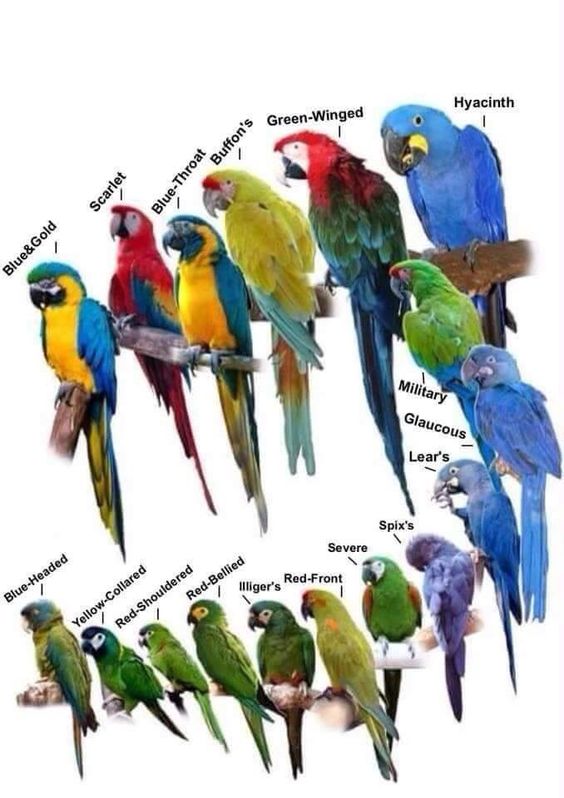
Yellow-collared macaws are considered small to medium-sized macaws, measuring 15 to 17 inches in length. They are larger than conures but smaller than larger macaws like the blue and gold macaw. This size makes them more manageable for those with limited space.