Key Takeaways
- The Hamiltonstovare is a medium-sized hound breed known for its loyalty and friendly nature, although it can be wary of strangers.
- They require a lot of exercise due to their hunting background and are best suited for active owners.
- Training is relatively easy with this breed as they are food-motivated, but they can be stubborn.
- Hamiltonstovares are less common outside Sweden, making them a unique choice for dog enthusiasts.
- Comparatively, Hamiltonstovares are larger than Beagles and are used for hunting larger game.
The Hamiltonstovare: A Comprehensive Look
The Hamiltonstovare, often referred to as the “Hamilton Hound,” is a breed that may not be on everyone’s radar, but it surely deserves more attention. This breed hails from Sweden and carries a noble lineage as a scenthound. The Hamiltonstovare is not only known for its hunting prowess but also for its charming personality. But why is this breed considered an underrated gem in the canine world? Let’s dive deeper into its characteristics and care.
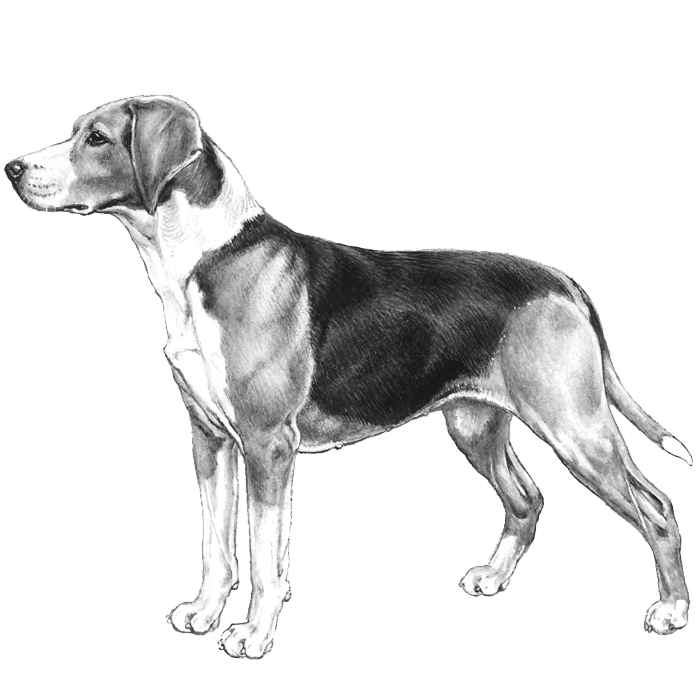
“Hamiltonstovares: Dog breed info …” from embarkvet.com and used with no modifications.
Origin and Background of the Hamiltonstovare
The Hamiltonstovare was developed in Sweden by Count Adolf Hamilton in the late 19th century. His goal was to create a breed capable of hunting in the challenging Nordic terrain. As a result, the Hamiltonstovare became a proficient hunter, excelling in tracking and hunting larger game such as deer and boar. Despite its hunting origins, the Hamiltonstovare has adapted well to domestic life, provided its needs are met.
Key Characteristics of the Breed
When discussing the Hamiltonstovare, one cannot overlook its distinct characteristics. This breed is known for its medium size, typically standing between 19 to 24 inches tall and weighing between 50 to 60 pounds. Its rectangular body and long head give it a dignified appearance. The coat is short, close-lying, and tricolor, which is a common trait among hounds.
Most importantly, the Hamiltonstovare is recognized for its excellent sense of smell and strong hunting instincts. These traits are not only beneficial for hunting but also contribute to its unique behavior and temperament.
Loyal Temperament and Behavior
Hamiltonstovares are known for their loyal and friendly nature. They bond closely with their families and are generally good with children. However, they can be wary of strangers, which makes early socialization essential. This breed is typically even-tempered and enjoys the company of its human companions.
Because of their hunting background, Hamiltonstovares have a strong prey drive. They may chase smaller animals if given the chance. Therefore, it’s crucial to have a secure yard or keep them on a leash during walks. Despite this, their intelligence and eagerness to please make them relatively easy to train.
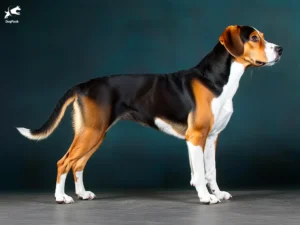
“The Skilled and Loyal Swedish Hunting Dog” from www.dogpackapp.com and used with no modifications.
Physical Appearance and Traits
The Hamiltonstovare’s physical appearance is both striking and practical. With a rectangular build and a strong, muscular frame, this breed is well-suited for the rigorous demands of hunting. Its coat is short and dense, providing protection against harsh weather conditions, especially in its native Sweden.
The breed’s tricolor coat, featuring black, tan, and white, adds to its allure. The Hamiltonstovare’s expressive eyes and long ears contribute to its charming look, making it a favorite among those who appreciate hound breeds.
Providing Optimal Care for Your Hamiltonstovare
“Hamiltonstovares are active and require a lot of exercise to stay healthy and happy. They seem to enjoy most activities. But their excellent hunting skills and high intelligence make them excellent candidates for various canine sports.”
Owning a Hamiltonstovare comes with the responsibility of understanding and catering to its specific needs. This breed thrives in an environment where its physical and mental needs are met. Let’s explore how to provide optimal care for your Hamiltonstovare.

“Hamiltonstovare Dog Breed | UKPets” from www.ukpets.com and used with no modifications.
Essential Dietary Needs
Feeding your Hamiltonstovare a high-quality diet is crucial for its overall health and well-being. This breed requires a balanced diet that caters to its age, activity level, and any specific health concerns. It’s important to monitor their food intake to prevent obesity, as excess weight can lead to health issues.
Consider feeding your Hamiltonstovare twice a day, dividing the daily portion into two meals. This can help prevent bloating and ensure they have consistent energy levels throughout the day. Always provide fresh water and consult your veterinarian for personalized dietary recommendations. For more information on dietary needs, you might find this guide on dog care and maintenance helpful.
“Hamiltonstovares require a high-quality dog food formulated to their particular age, activity level, and size—as well as any additional health concerns.”
Understanding the Costs: Investing in a Hamiltonstovare
When considering adding a Hamiltonstovare to your family, it’s important to understand the financial commitment involved. These costs can be broken down into initial expenses, ongoing upkeep, and healthcare. For a detailed look at adoption costs and maintenance, you might find this guide on Brussels Griffon adoption costs insightful. Proper budgeting ensures that you can provide the best care for your new companion without unexpected financial strain.
Initial Acquisition Expenses
The initial cost of acquiring a Hamiltonstovare can vary depending on factors such as breeder reputation, location, and the dog’s lineage. Typically, you can expect to pay anywhere from $800 to $1,500 for a puppy from a reputable breeder. This cost often includes initial vaccinations and health checks.
Ongoing Costs for Upkeep
Once you’ve brought your Hamiltonstovare home, there are regular expenses to consider. These include food, grooming, and training. High-quality dog food can cost around $30 to $60 per month, depending on the brand and the dog’s dietary needs. Grooming is relatively low-maintenance but may require occasional professional services, costing approximately $40 to $70 per session.

“Hamiltonstovare (Hound, Dogs Domestic)” from www.mediastorehouse.com and used with no modifications.
Budgeting for Healthcare
|
Expense |
Estimated Cost |
|---|---|
|
Annual Veterinary Check-ups |
$150 – $300 |
|
Vaccinations |
$75 – $150 |
|
Emergency Care |
$500 – $2,000+ |
Healthcare is an essential part of owning a Hamiltonstovare. Regular veterinary check-ups are crucial to monitor their health and catch any issues early. Vaccinations and preventative care are necessary to keep them safe from common diseases. Additionally, having an emergency fund for unexpected medical expenses is a wise decision.
Why the Hamiltonstovare is an Underrated Gem
Despite its impressive qualities, the Hamiltonstovare remains relatively unknown outside of Sweden. This makes it an intriguing choice for those looking for a unique and loyal companion. Their rarity adds to their charm, and owning one can be a point of pride for dog enthusiasts.
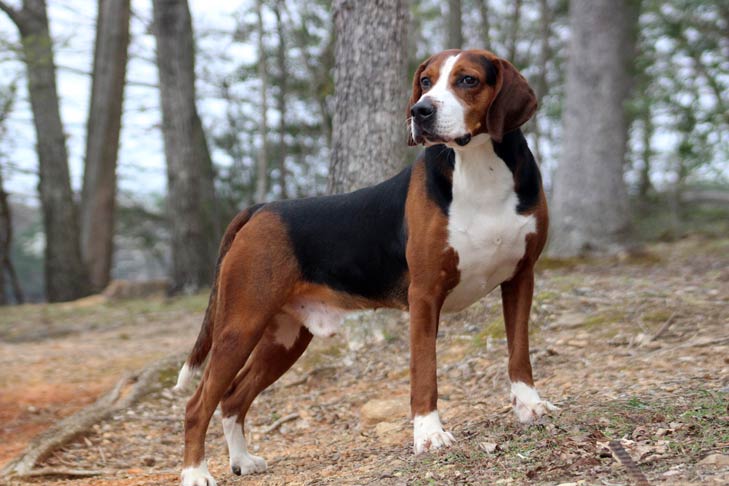
“Hamiltonstovare – Dog Breed Information” from www.akc.org and used with no modifications.
Lesser-Known Traits of the Breed
One lesser-known trait of the Hamiltonstovare is its independent nature. While they are affectionate and loyal, they also enjoy having some time to themselves. This independence makes them well-suited for owners who appreciate a dog that doesn’t require constant attention.
Unique Qualities Making Them Stand Out
What truly sets the Hamiltonstovare apart is its adaptability. Whether living in a city apartment or a countryside home, they adjust well as long as their exercise needs are met. Their versatility and intelligence make them excellent companions for various lifestyles.
Comparison: Hamiltonstovare vs. Beagle
When comparing the Hamiltonstovare to the Beagle, several differences and similarities come to light. Both breeds are known for their hunting abilities and strong sense of smell, but they have distinct characteristics that make each unique.
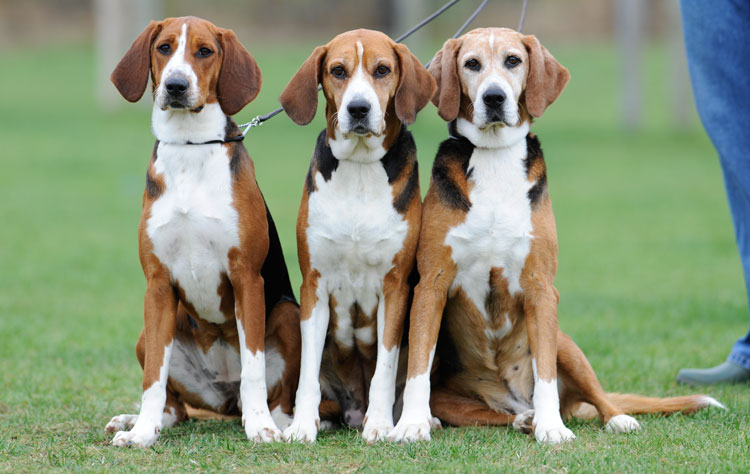
“Hamiltonstovare Breed Profile – Your Dog” from www.yourdog.co.uk and used with no modifications.
Size and Physical Differences
The Hamiltonstovare is generally larger than the Beagle, with a taller stature and a more robust build. This size difference makes the Hamiltonstovare better suited for hunting larger game, whereas Beagles are typically used for smaller prey like rabbits. If you’re interested in learning more about different breeds and their characteristics, you might find this comparison of the Boykin Spaniel insightful.
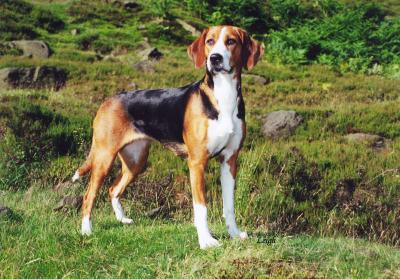
“Breed Description – Flixtonia …” from flixtonia.com and used with no modifications.
Hunting Abilities and Game Preferences
Hamiltonstovares are traditionally used for hunting deer and boar, thanks to their stamina and tracking skills. Beagles, on the other hand, excel in hunting small game due to their agility and keen sense of smell. For those interested in exploring other breeds with hunting capabilities, the Boykin Spaniel offers a unique set of traits and history.
Besides that, both breeds share the common trait of being excellent scent hounds, which means they can be persistent when following a trail. This makes them both suitable for owners who enjoy outdoor activities and hunting.

“Hunting Beagle vs. Pet Beagle …” from www.youtube.com and used with no modifications.
Activity Levels and Exercise Needs
The Hamiltonstovare is an active breed that requires ample exercise to maintain its physical and mental health. This breed thrives on activities that challenge its body and mind, such as long walks, hikes, and playtime in a secure yard. Regular exercise not only keeps them fit but also helps prevent boredom, which can lead to destructive behaviors.
Most importantly, exercise should be consistent. Aim for at least an hour of physical activity daily. Incorporating variety into their routine can be beneficial. Activities like agility training or scent work can be particularly rewarding for Hamiltonstovares, tapping into their natural instincts.
Popularity and Recognition
While the Hamiltonstovare is a beloved breed in Sweden, it remains relatively unknown in other parts of the world. This lack of recognition contributes to its status as an underrated gem. Despite its impressive qualities, the breed has not gained the widespread popularity seen in other hounds, such as the Beagle.
This rarity can be appealing to those who appreciate owning a unique breed. However, it also means potential owners may need to search more diligently to find reputable breeders. Increased awareness and education about the breed could help boost its popularity and recognition globally.
Conclusion: The Hamiltonstovare’s Unique Role in the Dog World
The Hamiltonstovare, with its rich history and distinctive traits, holds a unique position in the canine world. Its combination of loyalty, intelligence, and hunting prowess makes it an exceptional companion for those who understand its needs. While it may not be as well-known as other breeds, its charm and capabilities are undeniable. For those seeking a loyal, active, and intelligent hound, the Hamiltonstovare is a worthy choice.
Frequently Asked Questions
As with any breed, potential owners often have questions about the Hamiltonstovare. Here are some of the most common inquiries:
What is the lifespan of a Hamiltonstovare?
Hamiltonstovares typically have a lifespan of 10 to 13 years. Like all dogs, their lifespan can be influenced by factors such as genetics, diet, and overall care. Regular veterinary check-ups and a healthy lifestyle can help ensure they live a long and happy life.
How much exercise does a Hamiltonstovare need daily?
Hamiltonstovares require a significant amount of daily exercise, ideally around one to two hours. Activities should be varied to keep them engaged and can include walks, runs, and mental stimulation exercises.
Providing ample exercise helps channel their energy positively and prevents boredom-related behaviors. Owners should aim to incorporate activities that align with the breed’s natural hunting instincts, such as those outlined in this Bouvier des Flandres guide.
Are Hamiltonstovares good with children?
Yes, Hamiltonstovares are generally good with children. Their friendly and loyal nature makes them great family pets. However, as with any dog, interactions between dogs and young children should always be supervised to ensure safety and mutual respect.

“Blog – Petsy Pet Insurance” from petsy.com.au and used with no modifications.
Do Hamiltonstovares get along with other pets?
Hamiltonstovares can coexist with other pets, especially if they are socialized from a young age. Due to their hunting background, they may have a strong prey drive, so introductions to smaller animals should be managed carefully.
What makes the Hamiltonstovare different from other hound breeds?
The Hamiltonstovare stands out due to its combination of size, adaptability, and hunting capabilities. Unlike some hounds that prefer pack hunting, Hamiltonstovares often hunt alone or with a single companion. Their independent nature and versatility make them unique among hound breeds.
Why are Hamilton Hounds so rare and what is being done to increase their numbers and popularity?
The rarity of Hamilton Hounds outside Sweden can be attributed to limited breeding programs and lack of awareness. Efforts to increase their numbers include promoting the breed through dog shows and breed clubs. Education and awareness campaigns can also help potential owners appreciate this remarkable breed.