Owning a Yorkshire Terrier is a delightful experience, but it comes with its own set of responsibilities and considerations. These small dogs are known for their big personalities and distinctive looks. If you’re considering bringing a Yorkie into your home, here’s what you need to know to make an informed decision.
Key Takeaways
- The average cost to purchase a Yorkshire Terrier ranges from $800 to $3,000 depending on the breeder and lineage.
- Yorkshire Terriers are affectionate, loyal, and make excellent companions, but they can also be vocal and require regular grooming.
- These dogs are best suited for owners who can provide ample attention and socialization.
- Yorkies are prone to certain health issues, so regular veterinary check-ups are essential.
- While they can be left alone for short periods, Yorkies thrive in environments where they have companionship and interaction.
Yorkshire Terrier’s Popularity and Quirks
“Yorkshire Terriers, affectionately known as Yorkies, have captured the hearts of many due to their spirited nature and endearing appearance. Despite their small stature, they possess a lively and bold temperament, making them a popular choice among dog lovers.”
Yorkshire Terriers are among the most beloved breeds worldwide, and it’s easy to see why. With their long, silky coats and confident demeanor, they often seem larger than life. Their popularity can be attributed to several factors, including their adaptability to apartment living and their unwavering loyalty to their owners. However, it’s important to understand that their vibrant personalities come with a few quirks.
For instance, Yorkies are known to be quite vocal. They have a strong tendency to bark, which can be both a blessing and a curse. On one hand, their alertness makes them excellent watchdogs. On the other hand, excessive barking can be a challenge, especially in close living quarters.

“Yorkshire Terrier | Most Popular Dog …” from www.youtube.com and used with no modifications.
Why Yorkshire Terriers Stand Out
- Small size makes them ideal for apartment living.
- Intelligent and quick learners, which aids in training.
- Loyal and affectionate, forming strong bonds with their owners.
- Distinctive appearance with a long, silky coat.
- Playful and energetic, providing endless entertainment.
The Yorkshire Terrier’s distinctiveness doesn’t end with its looks. Their intelligence and eagerness to please make them relatively easy to train. However, it’s essential to approach training with patience and consistency, as their spirited nature can sometimes lead to stubbornness.
Moreover, their small size and adaptability make them perfect for city dwellers or those living in smaller homes. Despite their diminutive stature, they have a remarkable ability to fill a room with their presence and charm.
The Right Owner for a Yorkie
Yorkies thrive best with owners who can dedicate time and attention to them. They are not the type of dogs to be left alone for extended periods. If you have a busy lifestyle that keeps you away from home often, a Yorkie might not be the best fit for you. These dogs crave interaction and companionship, and they can develop separation anxiety if left alone for too long.
Enjoying Playfulness and Cuddles
Yorkies are incredibly affectionate and love to cuddle. They enjoy being part of the family activities and often want to be where the action is. Their playful nature means they enjoy interactive toys and games that stimulate their minds and keep them physically active. Besides that, their small size makes them perfect lap dogs, always ready for a snuggle session on the couch.
Financial Considerations of Owning a Yorkshire Terrier
Bringing a Yorkshire Terrier into your home is not just an emotional investment but a financial one as well. It’s crucial to understand the costs involved in owning one of these charming dogs, from initial purchase to ongoing expenses.
Initial Purchase and Adoption Costs
Purchasing a Yorkshire Terrier can vary significantly in cost, depending on several factors such as the breeder’s reputation, the dog’s lineage, and geographical location. On average, you can expect to pay anywhere from $800 to $3,000 for a Yorkie puppy.
“Adopting a Yorkshire Terrier from a rescue organization or shelter can be a more affordable option, typically ranging from $100 to $500. Adoption fees often include initial veterinary care, such as vaccinations and spaying/neutering.”
It’s important to do thorough research and choose a reputable breeder or rescue organization. Reputable breeders will provide health guarantees and ensure that their puppies are well-socialized and healthy. For those considering other unique pets, you might find the Lykoi cat adoption guide interesting.
“Dog Breed of the Month: The Yorkshire …” from www.dtails.pet and used with no modifications.
Ongoing Expenses: Food, Grooming, and Health Care
Once you’ve brought your Yorkshire Terrier home, there are several ongoing expenses to consider. These include food, grooming, and health care. Yorkies require a high-quality diet to maintain their health and energy levels. Plan to spend approximately $20 to $50 per month on premium dog food.
Regular grooming is essential for maintaining their luxurious coats. Professional grooming sessions can cost between $30 to $100, depending on the services provided. Additionally, routine veterinary care, including vaccinations and annual check-ups, will be necessary to keep your Yorkie healthy. These visits can range from $100 to $300 annually.
Budgeting for Unexpected Costs
Besides regular expenses, it’s wise to budget for unexpected costs such as emergency veterinary care. Health insurance for pets can help mitigate these expenses, offering peace of mind should any medical issues arise.
Overall, owning a Yorkshire Terrier is a rewarding experience, but it requires a financial commitment. Proper planning and budgeting will ensure that you can provide the best care for your furry friend.
Pros and Cons: Is a Yorkie the Right Pet for You?
Deciding whether a Yorkshire Terrier is the right pet for you involves weighing the pros and cons. These delightful dogs offer many benefits but also come with challenges that potential owners should consider.
On the positive side, Yorkies are known for their affectionate nature and loyalty. They form strong bonds with their owners and are incredibly devoted companions. Their small size and adaptability make them suitable for various living environments, including apartments.
However, there are also some drawbacks to owning a Yorkie. They require regular grooming to maintain their coats, and their vocal nature can be a challenge for those living in close quarters. Additionally, they are prone to certain health issues, which means potential owners should be prepared for regular veterinary visits.

“Yorkshire Terrier Pros And Cons …” from www.youtube.com and used with no modifications.
Pros: Affectionate Companionship and Watchdog Qualities
Yorkies are affectionate and make excellent companions. They are also alert and protective, often serving as effective watchdogs despite their small size. Their loyalty and loving nature make them a joy to have around.
Cons: Grooming Demands and Vocal Nature
One of the main challenges of owning a Yorkie is their grooming needs. Their long, silky coats require regular maintenance to prevent matting and tangles. Additionally, their tendency to bark can be problematic in certain living situations.
Understanding these pros and cons will help you determine if a Yorkshire Terrier is the right fit for your lifestyle. With the right care and attention, these charming dogs can bring immense joy and companionship to your life.
Health Considerations: Understanding Their Needs
Yorkshire Terriers, like all breeds, have specific health considerations that owners should be aware of. Their small size makes them more susceptible to certain health issues, but with proper care and attention, many of these can be managed effectively.
One of the most common health concerns for Yorkies is dental disease. Due to their small mouths, they are prone to plaque and tartar build-up, which can lead to periodontal disease. Regular dental care, including brushing their teeth and providing dental chews, is essential to maintaining their oral health.
Bonding and Socialization with Your Yorkshire Terrier
Bonding with your Yorkshire Terrier is a rewarding experience that requires time, patience, and understanding. These dogs are naturally affectionate, but building a strong bond involves more than just cuddles and playtime. It requires consistent interaction and training to ensure a well-adjusted pet.
Socialization is a critical component of raising a happy and confident Yorkie. Exposing them to various environments, people, and other animals from a young age helps them develop into well-rounded dogs. Without proper socialization, Yorkies can become anxious or overly protective.
To foster a strong bond, spend quality time with your Yorkie daily. Engage in activities they enjoy, such as walks, playtime, and training sessions. Consistent interaction not only strengthens your bond but also helps alleviate any behavioral issues that may arise.
“Training sessions are an excellent opportunity for bonding. Use positive reinforcement techniques, such as treats and praise, to encourage desired behaviors. This approach builds trust and reinforces your role as a leader.”

“Owning A Yorkshire Terrier 2025 …” from thundermountainline.com and used with no modifications.
Tips for Forming a Strong Bond
Forming a strong bond with your Yorkie involves understanding their needs and responding to them appropriately. Here are some tips to help you connect with your furry friend:
- Spend time together: Regularly engage in activities your Yorkie enjoys.
- Communicate effectively: Use consistent commands and gestures.
- Be patient: Building a bond takes time and effort.
- Provide positive reinforcement: Reward good behavior with treats and praise.
- Respect their space: Allow them to retreat to a safe space when needed.
These strategies will help you form a lasting bond with your Yorkshire Terrier, making them feel secure and loved.
Effective Training Techniques
Training a Yorkshire Terrier requires patience and consistency. These intelligent dogs are quick learners, but their spirited nature can sometimes lead to stubbornness. To ensure successful training, use positive reinforcement techniques.
Begin with basic commands such as “sit,” “stay,” and “come.” Use treats and praise to reward your Yorkie for following commands. It’s important to keep training sessions short and engaging, as Yorkies can become bored easily.
- Start with simple commands and gradually increase complexity.
- Use treats, praise, and toys as rewards.
- Be consistent with commands and training times.
- Practice patience and avoid punishment-based techniques.
By using these techniques, you can effectively train your Yorkshire Terrier, ensuring they are well-behaved and obedient.
Socialization Strategies for a Well-Adjusted Pet
Proper socialization is essential for a well-adjusted Yorkshire Terrier. Begin socialization early by introducing your Yorkie to different environments, people, and animals. This exposure helps them develop confidence and reduces the likelihood of anxiety or aggression.
Organize playdates with other dogs, visit dog-friendly parks, and invite friends over to meet your Yorkie. Gradually increasing their exposure to new experiences will help them become more adaptable and sociable.
Characteristics That Make Yorkshire Terriers Unique
Yorkshire Terriers are known for their unique characteristics that set them apart from other breeds. Their distinctive appearance and spirited personality make them a popular choice for dog lovers. For those interested in exploring other unique breeds, the Lykoi cat offers another fascinating option.
One of the most notable features of a Yorkie is their long, silky coat. This luxurious fur requires regular grooming to maintain its beauty and health. Despite their small size, Yorkies have a big personality, often displaying a courageous and lively nature.
Coat and Grooming Requirements
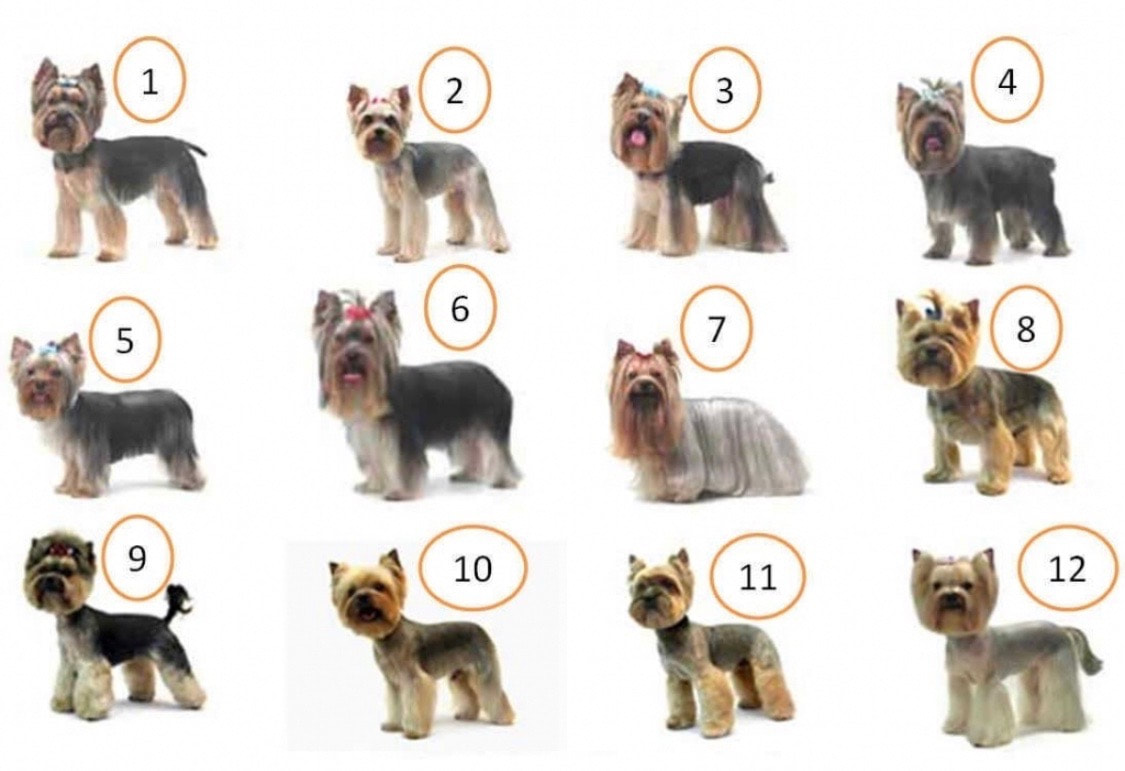
The Yorkshire Terrier’s coat is one of its most defining features. Their long, fine hair resembles human hair and requires regular grooming to prevent matting and tangles. Frequent brushing and occasional professional grooming sessions are necessary to keep their coat in top condition.
Besides aesthetic maintenance, grooming also plays a role in their overall health. Regular grooming sessions provide an opportunity to check for skin issues, parasites, and other health concerns. Keeping their coat clean and well-maintained ensures your Yorkie looks and feels their best.
The Yorkie’s Courageous and Lively Nature
Despite their small stature, Yorkshire Terriers are known for their bold and lively nature. They possess a fearless attitude, often behaving as if they are much larger than they actually are. This courageous demeanor makes them excellent watchdogs, alerting their owners to any unusual activity.

“New York City’s Top Dog Breeds Are …” from dogtime.com and used with no modifications.
Size and Lifestyle Compatibility
Yorkshire Terriers are perfectly suited for various living environments due to their small size. They adapt well to apartment living and are ideal for city dwellers. However, their energetic nature means they still require regular exercise and mental stimulation to prevent boredom.
Overall, the unique characteristics of Yorkshire Terriers make them a delightful addition to any household. With proper care and attention, they thrive as loyal companions, providing endless joy and affection to their owners.
Health Risks and Leading Causes of Yorkie Mortality
While Yorkshire Terriers are generally healthy dogs, they are prone to certain health risks that owners should be aware of. Understanding these risks and taking preventive measures can help ensure your Yorkie leads a long and healthy life.
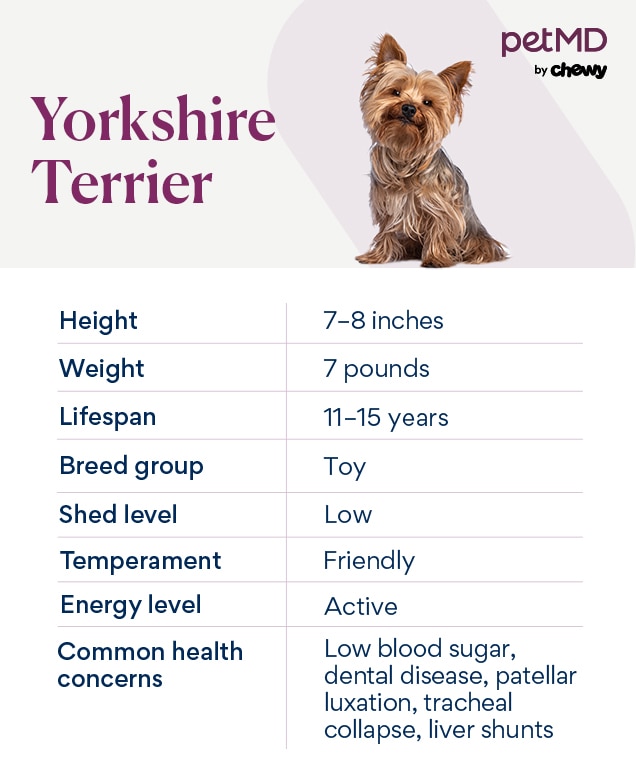
Some of the most common health issues affecting Yorkies include dental disease, luxating patella, and tracheal collapse. Regular veterinary check-ups and a proactive approach to their health can help mitigate these risks.
Common Health Issues and Prevention
- Dental Disease: Regular brushing and dental chews can help prevent plaque build-up.
- Luxating Patella: Maintain a healthy weight and provide joint supplements if recommended by your vet.
- Tracheal Collapse: Use a harness instead of a collar to reduce pressure on the trachea.
Preventive care, including a balanced diet, regular exercise, and routine veterinary visits, is crucial to maintaining your Yorkie’s health. By addressing potential health issues early, you can ensure your furry friend stays happy and healthy. For a comprehensive guide on adopting a unique pet, check out the Lykoi Wolf Cat adoption guide.
In addition to these common issues, Yorkies are also susceptible to genetic conditions such as liver shunts and hypoglycemia. It’s important to discuss these potential risks with your veterinarian and develop a plan for monitoring and managing your Yorkie’s health. For those interested in other breeds, you might want to explore the Brussels Griffon, which also requires careful health monitoring.
“Yorkshire Terrier (Yorkie) Dog Breed …” from www.petmd.com and used with no modifications.
Lifespan Expectations
Yorkshire Terriers have a relatively long lifespan, typically ranging from 12 to 15 years. With proper care, some Yorkies have been known to live even longer. Ensuring a healthy lifestyle, including regular exercise, a balanced diet, and routine veterinary care, can contribute to a longer, happier life for your Yorkie. For more detailed information on caring for a Yorkshire Terrier, visit this comprehensive guide.
By understanding the health risks and taking proactive measures, you can help your Yorkshire Terrier live a fulfilling life as your loyal companion.
Suitability for First-Time Dog Owners
Yorkshire Terriers can be a great choice for first-time dog owners due to their manageable size and adaptable nature. However, potential owners should be prepared for the responsibilities that come with this lively breed. While their small size makes them ideal for apartment living, their spirited nature requires consistent training and socialization.
Challenges and Rewards
One of the main challenges for first-time owners is managing the grooming needs of a Yorkie. Their long, silky coats require regular maintenance to prevent tangling and matting. This can be a time-consuming process, but it also provides an opportunity for bonding.
Another challenge is their tendency to bark, which can be managed with proper training and socialization. Despite these challenges, the rewards of owning a Yorkie are numerous. Their affectionate nature and loyalty make them wonderful companions, and their playful demeanor brings joy to any household.
First-time owners will find that with patience and dedication, the bond formed with a Yorkie is incredibly rewarding. Their intelligence and eagerness to please make them responsive to training, leading to a well-behaved pet.
“Yorkshire Terrier: Temperament …” from www.petplan.co.uk and used with no modifications.
Training and Care Tips for Beginners
For beginners, starting with basic obedience training is essential. Focus on commands like “sit,” “stay,” and “come” using positive reinforcement techniques. Short, engaging training sessions will keep your Yorkie’s attention and make learning fun.
Additionally, establish a regular grooming routine early on. Brush their coat daily and schedule professional grooming every few months. This helps maintain their coat’s health and keeps them looking their best.
Handling Time Alone for Yorkies
Yorkshire Terriers are known for their strong attachment to their owners, which can make leaving them alone challenging. However, with the right approach, they can learn to be comfortable on their own for short periods. For those considering other breeds, the Brussels Griffon is another small breed to explore.
It’s important to gradually accustom your Yorkie to being alone. Start by leaving them alone for short durations and gradually increase the time as they become more comfortable. Providing toys and activities can help keep them occupied and reduce anxiety.
Managing Separation Anxiety
Separation anxiety is a common issue among Yorkies. To manage this, establish a consistent routine that includes designated alone time. Use puzzle toys or treat-dispensing toys to keep them engaged while you’re away.

“Brown and Black Yorkshire Terrier Puppy …” from www.pexels.com and used with no modifications.
Tips for Leaving Your Yorkie at Home
When leaving your Yorkie at home, create a safe and comfortable space for them. Ensure they have access to water, a cozy bed, and toys to keep them entertained. Consider using calming aids such as pheromone diffusers or music designed for dogs to create a soothing environment.
Frequently Asked Questions
Many prospective Yorkie owners have questions about what to expect when bringing one of these delightful dogs into their home. Here are some common inquiries and their answers, including insights into ethical breeding practices for small breeds.
What is the average cost to own a Yorkshire Terrier?
The initial cost of purchasing a Yorkshire Terrier can range from $800 to $3,000, depending on the breeder and the dog’s lineage. In addition to the purchase price, expect to spend around $1,000 to $1,500 annually on food, grooming, and veterinary care.
How do Yorkies compare to other small breeds?
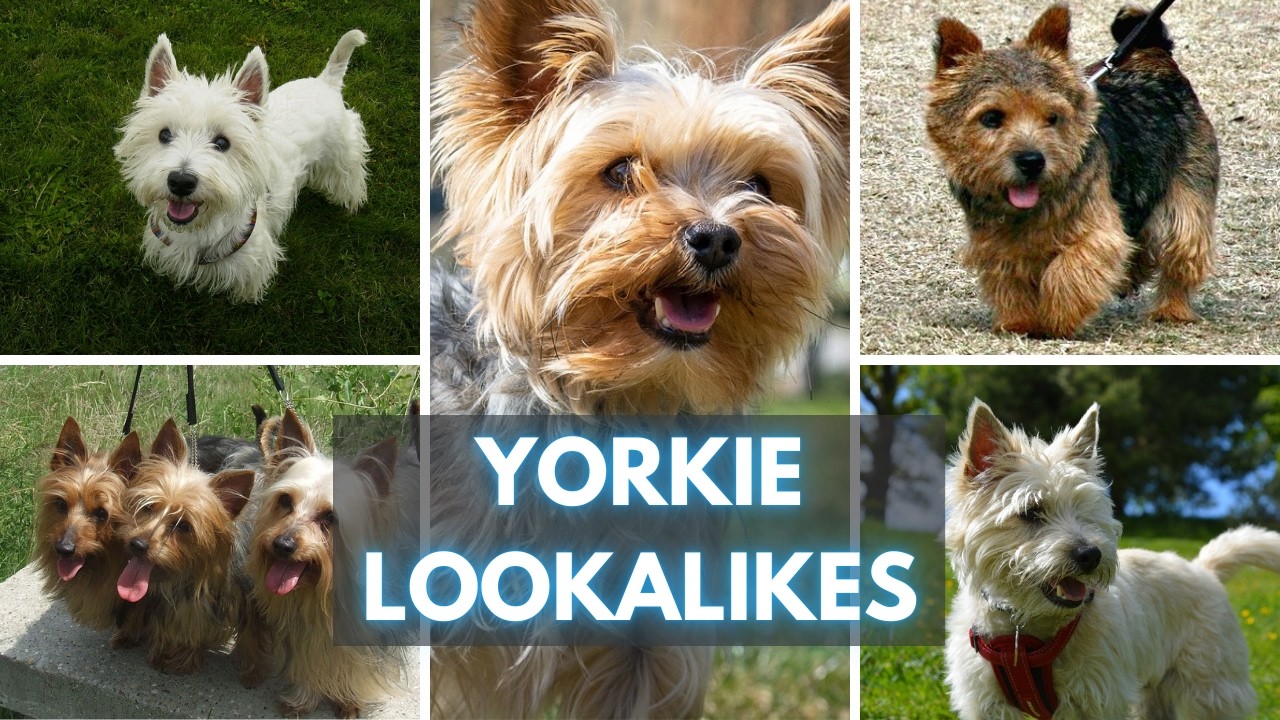
Yorkies are known for their bold personalities and affectionate nature, setting them apart from other small breeds. While they require regular grooming and can be vocal, their loyalty and adaptability make them excellent companions for many types of households.
“Yorkshire Terrier …” from www.youtube.com and used with no modifications.
Are Yorkshire Terriers good with children?
Yorkies can be good with children, especially if they are socialized from a young age. It’s important to teach children how to interact with small dogs gently and respectfully to ensure a harmonious relationship.
How much exercise does a Yorkie need daily?
Yorkies are energetic dogs that require daily exercise to stay healthy and happy. A combination of walks, playtime, and mental stimulation will help meet their exercise needs. Aim for at least 30 minutes of physical activity each day.