Summary
Human wellness culture increasingly influences how people choose pets, evaluate products, and define compatibility. Trends tied to clean living, emotional wellbeing, environmental safety, premium nutrition, and hypoallergenic preferences now shape everything from breed demand to adoption expectations. While these shifts can improve awareness around health and quality of life, they can also create unrealistic expectations when labels, aesthetics, or perceived ease outweigh long-term compatibility.
Key Takeaways
- Human wellness culture increasingly influences pet ownership expectations
- Hypoallergenic and low-maintenance preferences affect breed demand and adoption trends
- Wellness trends influence how people select, care for, and live with pets
- Lifestyle compatibility increasingly shapes adoption decisions
- Social media amplifies lifestyle-driven pet preferences
- Wellness expectations increasingly shape product and environmental choices
- Long-term compatibility matters more than trend-driven expectations alone
Wellness culture no longer stops with human lifestyles. Ideas connected to clean living, emotional wellbeing, premium ingredients, environmental safety, and lifestyle optimization increasingly shape how people choose pets and pet products as well.
Today’s pet owners often evaluate compatibility through the lens of allergies, maintenance, emotional support, activity level, work schedules, housing realities, environmental concerns, travel, and lifestyle identity. Wellness trends increasingly influence not only how people feed their pets, but also how they select, care for, and live with them.
As these expectations expand, rescue organizations and pet professionals increasingly navigate the gap between trend-driven preferences and the realities of long-term pet compatibility.
Wellness Culture Is Expanding Into Pet Ownership
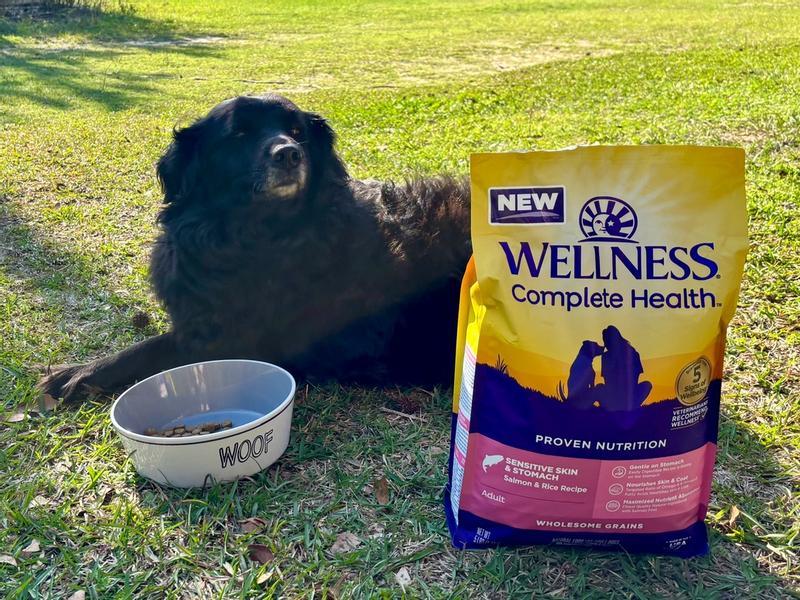
Human wellness trends increasingly influence pet care decisions. Premium nutrition, clean ingredients, calming products, environmental awareness, and holistic wellness positioning continue growing throughout the pet industry.
According to the American Pet Products Association and multiple pet-industry trend reports, owners increasingly prioritize health, emotional wellbeing, and quality-of-life considerations when making purchasing decisions. Wellness has become part of how many people define responsible pet ownership.
This shift influences more than food. Concerns around non-toxic products, low-chemical living, air quality, pet-safe landscaping, calming environments, and environmentally conscious choices increasingly shape how owners design daily life with pets.
Pets are also increasingly viewed through a broader lifestyle lens. Emotional wellbeing, comfort, enrichment, and environmental safety now influence many purchasing decisions that previously centered primarily around convenience or cost.
Hypoallergenic and Low-Maintenance Preferences Influence Breed Demand
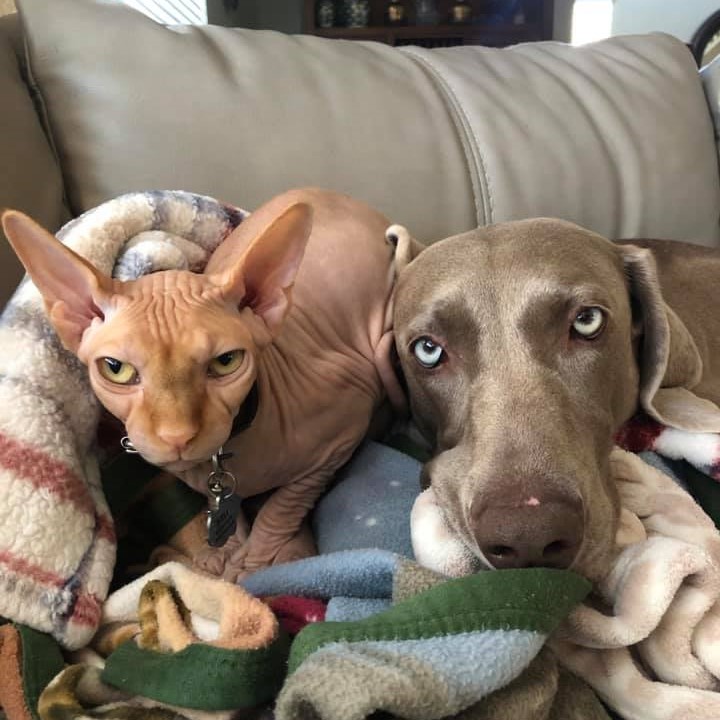
Hypoallergenic and low-maintenance preferences increasingly influence breed interest and adoption behavior.
Low-shedding dogs, doodle mixes, smaller companion breeds, and pets perceived as “easy” or apartment-compatible often receive heightened attention from modern adopters navigating allergies, work schedules, housing restrictions, and shared living environments.
At the same time, perception and reality do not always align.
Hypoallergenic does not necessarily mean maintenance-free, behaviorally compatible, or lower energy. Many low-shedding breeds still require extensive grooming, stimulation, training, exercise, or long-term maintenance commitments that prospective adopters may underestimate.
Modern schedules and housing realities also influence these preferences. Owners increasingly seek pets that appear compatible with apartment living, hybrid work routines, travel expectations, or lower-maintenance lifestyles.
This creates additional pressure on rescue organizations attempting to balance adoption demand with realistic compatibility assessment.
Lifestyle Compatibility Increasingly Shapes Adoption Decisions
Lifestyle compatibility increasingly shapes how many people approach adoption.
Rescue organizations commonly ask questions about activity level, work schedules, home environment, travel frequency, routine, and long-term lifestyle expectations because compatibility often determines whether a placement succeeds long term.
Modern adopters increasingly seek pets that integrate smoothly into existing lifestyles rather than reshape those lifestyles entirely.
A highly active working breed may not align well with a low-activity household. A dog associated with “easy apartment living” may still struggle with noise sensitivity, separation anxiety, or insufficient stimulation. Likewise, a pet selected primarily for aesthetic or wellness-related reasons may still prove incompatible with a person’s schedule, routine, or environment.
As wellness culture expands, many adopters increasingly evaluate pets through the lens of emotional fit, manageable maintenance, environmental compatibility, and lifestyle identity. These considerations are not inherently negative. In many cases, they encourage more thoughtful decision-making before adoption.
However, long-term compatibility depends on more than labels or perceived ease alone.
Social Media Amplifies Wellness and Lifestyle Trends
Social media increasingly reinforces wellness-oriented and lifestyle-driven pet preferences.
Certain breeds become associated with curated lifestyles, emotional branding, aesthetic identity, or aspirational routines. Viral pet content can shape demand for specific appearances, behaviors, or personality expectations long before many prospective owners understand the realities behind them.
In some cases, pets become extensions of broader lifestyle identity.
Calm aesthetics, wellness-focused homes, apartment living, minimalist environments, outdoor adventure culture, and luxury pet routines all influence how people imagine life with pets. Social platforms amplify these associations by rewarding visually appealing, emotionally engaging, and highly curated representations of pet ownership.
This can unintentionally create unrealistic expectations around training, grooming, energy level, maintenance, or long-term compatibility.
Rescue organizations increasingly navigate the consequences of these expectation gaps while attempting to match animals with sustainable homes.
Wellness Expectations Also Influence Product and Environmental Choices
Wellness expectations increasingly shape both product preferences and environmental decisions.
Owners increasingly seek products connected to comfort, calming, enrichment, health support, emotional reassurance, and environmental safety. Wellness-oriented positioning can also increase willingness to pay more for products perceived as healthier, safer, or higher quality.
Environmental choices increasingly reflect these priorities as well.
Pet-safe landscaping, non-toxic pest control, low-chemical home products, calming spaces, air quality concerns, and safer outdoor environments increasingly overlap with modern pet ownership expectations. Many owners now evaluate homes and living environments through the lens of both human and animal wellbeing.
This reflects a broader cultural shift toward integrated lifestyle wellness rather than isolated pet care decisions.
Real Wellness Requires Long-Term Compatibility
Wellness trends are not inherently negative. Increased awareness around comfort, nutrition, environmental safety, emotional wellbeing, and quality of life can improve how people care for animals.
But labels and lifestyle trends alone cannot determine compatibility.
Real pet wellness ultimately depends on realistic expectations, environmental fit, sustainable routines, and long-term commitment. A pet that aligns aesthetically or symbolically with someone’s lifestyle may still struggle if its actual physical, behavioral, or emotional needs are not fully understood.
As wellness culture continues influencing modern pet ownership, rescue organizations, adopters, and pet professionals increasingly face the challenge of balancing aspiration with reality.
The healthiest long-term human-animal relationships are usually built not around trend alignment alone, but around compatibility, stability, understanding, and everyday life together.
Sources & Additional Reading
- American Pet Products Association (APPA) 2025 Dog & Cat Report
- ADM Pet Wellness Trends
- USA Today coverage on low-maintenance pet trends
- The Spruce Pets hypoallergenic breed guide
Explore more rescue stories, pet lifestyle trends, and adoption insights at:
https://rescuesrsuper.com/stories-and-education/