Key Takeaways
- Manx Syndrome is clinically known as sacrocaudal dysgenesis, a condition affecting the spine and tail development in Manx cats.
- Around 20-30% of Manx cats are affected by sacrocaudal dysgenesis, while the rest remain healthy.
- The genetic mutation causing taillessness in Manx cats can lead to severe health complications, including spinal and neurological issues.
- Comparatively, other genetic health issues in pets, like hip dysplasia in dogs, occur with greater frequency than Manx Syndrome.
- Preventive measures, such as responsible breeding and early diagnosis, can help manage genetic disorders in pets effectively.
Is “Manx Syndrome” A Misnomer?
When we talk about “Manx Syndrome,” we’re actually referring to a set of health problems associated with the genetic mutation responsible for the Manx cat’s iconic taillessness. This condition is more accurately known in the medical world as sacrocaudal dysgenesis. While “Manx Syndrome” is a common term, it’s not a formal medical term, which can lead to confusion.
The Manx breed is famous for its lack of a tail, a trait that results from a specific genetic mutation. This mutation affects not just the tail but can also lead to various spinal and neurological issues. Therefore, when we use the term “Manx Syndrome,” we are really talking about a broader range of potential health problems, not just the absence of a tail.
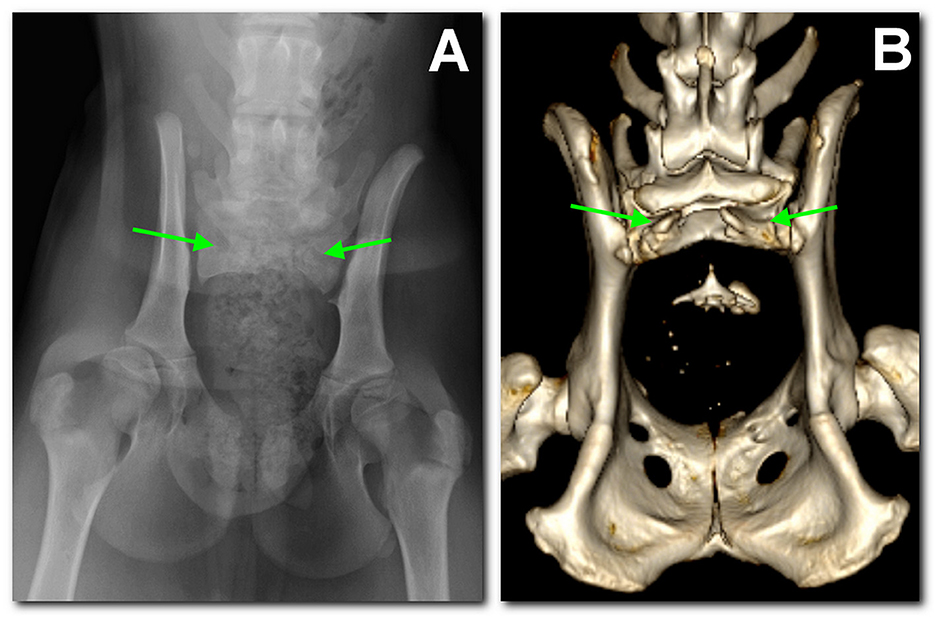
“Sacral agenesis in two boxer dogs …” from www.frontiersin.org and used with no modifications.
Clinical Name and Definition of Manx Syndrome
Sacrocaudal dysgenesis, the clinical name for Manx Syndrome, is a genetic condition that affects the development of the spine and tail. This condition is characterized by malformations in the vertebrae, which can lead to significant health issues for the affected cat. These malformations can vary greatly in severity, from mild deformities that have little impact on the cat’s quality of life to severe conditions that can cause pain and disability.
Some of the common symptoms associated with sacrocaudal dysgenesis include difficulties with mobility, issues with bowel and bladder control, and in severe cases, paralysis. The variability in symptoms is due to the extent of the spinal malformation, which can differ from cat to cat.
- Spinal malformations
- Neurological issues
- Mobility difficulties
- Bowel and bladder control problems
- Possible paralysis
It’s important to note that while the term “Manx Syndrome” is widely used, sacrocaudal dysgenesis is the more accurate term for this condition. Understanding this distinction is crucial for anyone looking to understand the health implications for Manx cats.
Genetic Cause and Inheritance
The genetic mutation responsible for Manx Syndrome is inherited as an autosomal dominant trait. This means that a cat only needs to inherit one copy of the gene from either parent to express the trait. However, the expression of the trait can vary widely, which is why not all Manx cats are affected by the syndrome.
In the Manx breed, this genetic mutation has been selectively bred for its unique appearance, but it comes with a risk. When both parents carry the gene, the likelihood of offspring being affected by sacrocaudal dysgenesis increases significantly. Therefore, breeding practices play a critical role in managing the prevalence of this condition.
Common Symptoms in Affected Cats
Cats affected by Manx Syndrome can exhibit a range of symptoms, depending on the severity of the condition. Some may have mild symptoms that don’t significantly impact their quality of life, while others may experience severe complications.
Example: A Manx cat named Whiskers was born without a tail and exhibited mild symptoms of sacrocaudal dysgenesis. Despite some mobility issues, Whiskers lived a full and happy life with proper care and management.
Some of the most common symptoms include:
- Spinal deformities
- Difficulty walking or running
- Incontinence or difficulty with bowel movements
- Weakness in the hind legs
- In severe cases, paralysis of the hind limbs
Understanding these symptoms can help pet owners identify potential issues early and seek veterinary care promptly. Early intervention is crucial in managing the condition and improving the quality of life for affected cats.
Statistics of Manx Cats’ Health
When discussing the health of Manx cats, it’s important to consider the statistics surrounding sacrocaudal dysgenesis. Not all Manx cats are affected by this condition, and many live healthy, normal lives. However, the risk is significant enough that potential owners should be aware of the possibility. For those considering adoption, understanding the cost and personality of Manx cats can be essential.
In the next section, we’ll delve deeper into the statistics, comparing the health of Manx cats with other tailless cats and exploring the impact of sacrocaudal dysgenesis on their lifespan and quality of life.
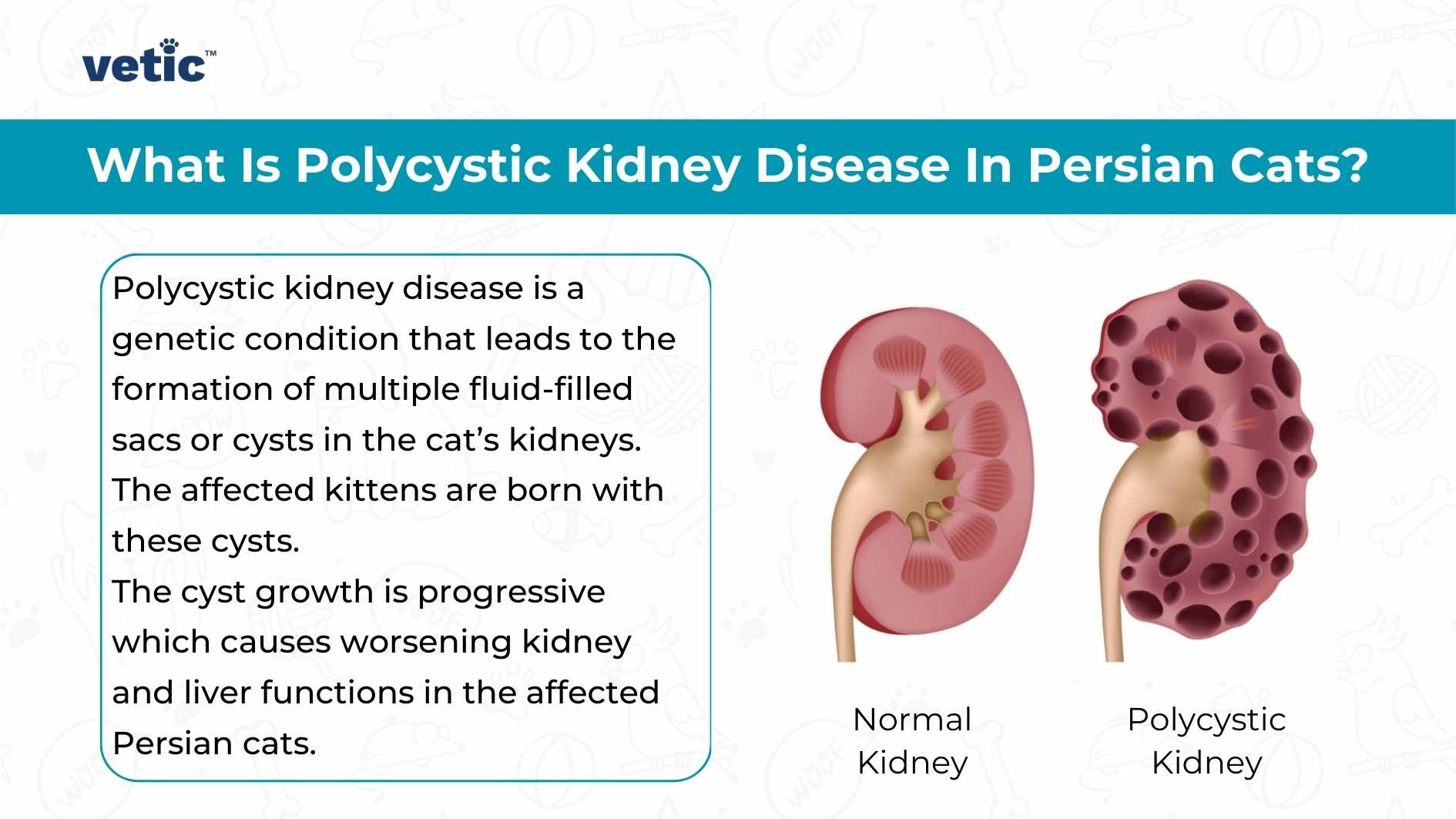
“Persian Cat Kidney Failure” from vetic.in and used with no modifications.
Common Genetic Conditions in Cats
Cats, like many other animals, can be affected by a variety of genetic conditions. Some of these conditions are more prevalent than others, and they can have significant impacts on a cat’s health and well-being. While Manx Syndrome is a notable concern for Manx cats, other genetic disorders are more common across the feline population.
One such condition is Polycystic Kidney Disease (PKD), which is particularly prevalent in Persian cats. PKD is a hereditary disorder characterized by the development of fluid-filled cysts in the kidneys, leading to kidney dysfunction over time. Studies have shown that up to 38% of Persian cats may be affected by this condition.
Prevalence of Disorders in Dogs
Dogs, much like cats, are also susceptible to various genetic disorders. These conditions can vary significantly in prevalence depending on the breed. Understanding these disorders can help dog owners make informed decisions about care and management.
One of the most well-known genetic disorders in dogs is hip dysplasia, a condition where the hip joint does not fit into the hip socket properly. This disorder is particularly common in larger breeds, such as German Shepherds and Labrador Retrievers. Studies indicate that up to 20% of these breeds may be affected by hip dysplasia.
Specific Genetic Disorders in Pets
Beyond the common genetic conditions, there are specific disorders that are particularly noteworthy due to their prevalence and impact on pet health. Understanding these conditions can help pet owners recognize symptoms early and seek appropriate care.
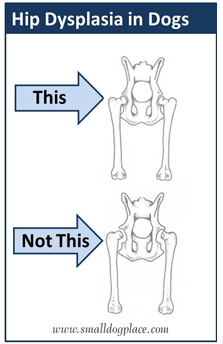
“Hip Dysplasia Dogs” from www.k9strong.org and used with no modifications.
Hip Dysplasia in Dogs with Percentages in Breeds Known to Exhibit Significant Signs
Hip dysplasia is a significant concern for many dog owners, particularly those with large or giant breed dogs. This genetic disorder occurs when the hip joint fails to develop properly, leading to arthritis and pain over time. It’s a condition that can severely impact a dog’s mobility and quality of life.
Breeds such as the German Shepherd, Labrador Retriever, and Golden Retriever are particularly prone to hip dysplasia. In these breeds, studies have shown that the prevalence of hip dysplasia can range from 15% to 20%. This high incidence makes it crucial for owners of these breeds to be vigilant about their dogs’ joint health.
Early signs of hip dysplasia can include limping, difficulty standing up, and reluctance to exercise. If you notice these symptoms in your dog, it’s important to consult with a veterinarian for a proper diagnosis and management plan.
- German Shepherds: Up to 20% affected
- Labrador Retrievers: Approximately 15% affected
- Golden Retrievers: Around 15% affected
Bloat in Dogs with Percentages in Breeds Known to Exhibit Significant Signs
Bloat, also known as Gastric Dilatation-Volvulus (GDV), is a life-threatening condition that primarily affects large and deep-chested dog breeds. This condition occurs when the stomach fills with gas and twists, cutting off blood supply and leading to shock.
Breeds such as Great Danes, St. Bernards, and Weimaraners are particularly susceptible to bloat. In fact, Great Danes have a 37% lifetime risk of developing bloat, making it a critical concern for owners of these breeds.
Brachycephalic Obstructive Airway Syndrome (BOAS) with Percentages in Breeds Known to Exhibit Significant Signs
Brachycephalic Obstructive Airway Syndrome (BOAS) affects dogs with short, flat faces, such as Bulldogs, Pugs, and French Bulldogs. This condition results from the anatomical structure of their airways, leading to breathing difficulties.
BOAS is highly prevalent in these breeds, with studies indicating that up to 60% of Bulldogs may be affected by the condition. Owners of brachycephalic breeds should be aware of the signs, such as snoring, labored breathing, and intolerance to exercise.
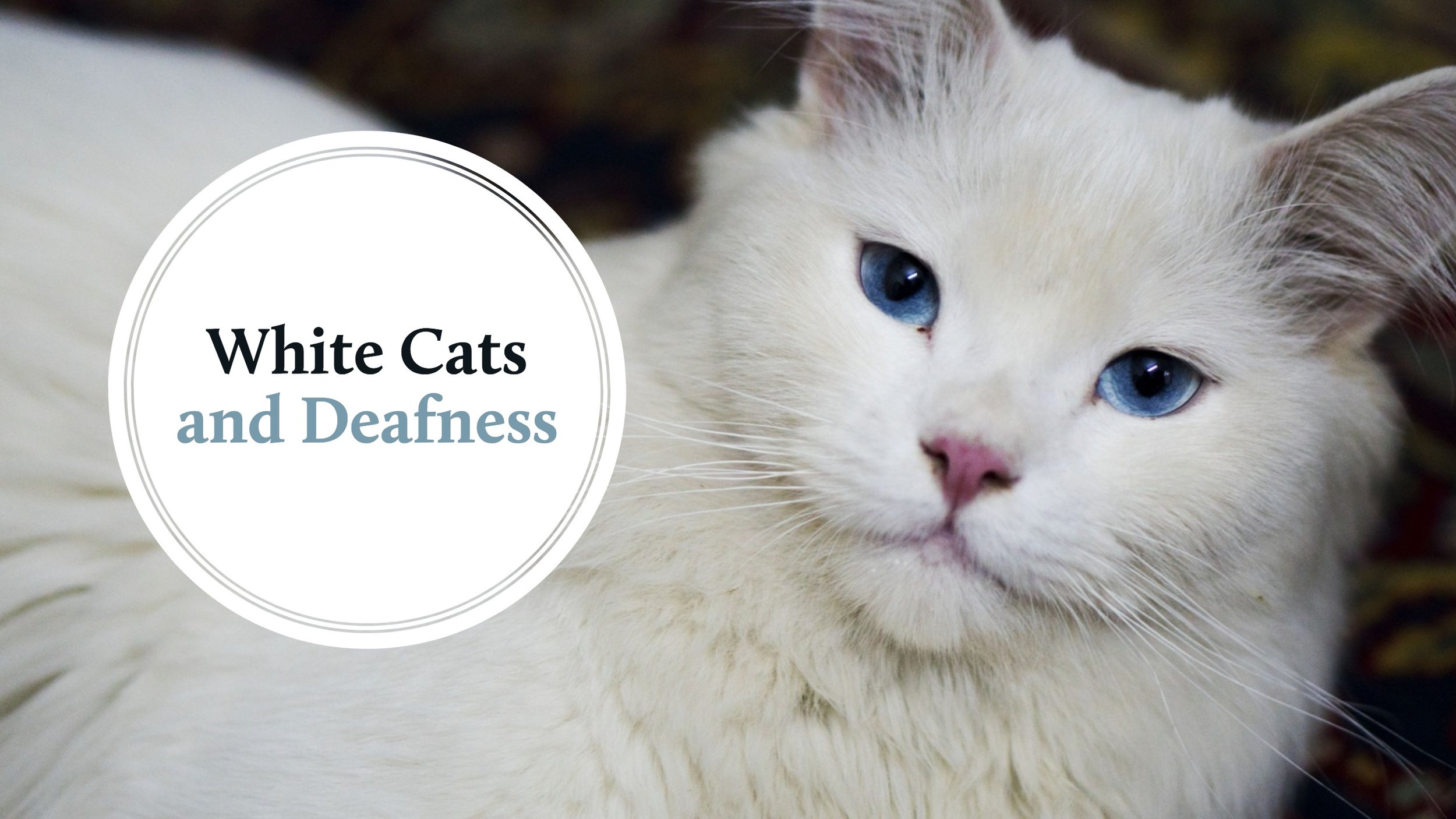
“White Cats and Deafness — River …” from www.riverlandingsanimalclinic.com and used with no modifications.
Deafness in White Cats with Blue Eyes with Percentages and Likelihood of Inheriting
Deafness is a genetic condition that can affect white cats, particularly those with blue eyes. This condition is linked to a genetic mutation that affects the development of the inner ear. Studies have shown that up to 65% of white cats with two blue eyes are deaf, while the prevalence drops to about 20% in white cats with one blue eye. For more information on genetic conditions in pets, you might find this article on blue eye genetics on Messy Beast interesting.
Owners of white cats should be aware of the potential for deafness and take steps to ensure their safety, such as keeping them indoors and providing visual cues for communication.
Final Thoughts on Managing Genetic Health Issues
Managing genetic health issues in pets requires a proactive approach. Understanding the specific risks associated with your pet’s breed can help you take preventive measures and seek early intervention when necessary.
Genetic disorders, while challenging, do not have to define a pet’s life. With proper care and management, many pets with genetic conditions can lead happy, fulfilling lives.
Preventive Measures and Breeding Considerations
Responsible breeding practices are essential in reducing the prevalence of genetic disorders. Breeders should prioritize health screenings and avoid breeding animals with known genetic issues. Additionally, pet owners should be informed about the potential health risks associated with their pet’s breed and take steps to mitigate these risks.
Regular veterinary check-ups, a healthy diet, and appropriate exercise are key components of managing genetic health issues. By staying informed and proactive, pet owners can ensure their pets live their best lives.
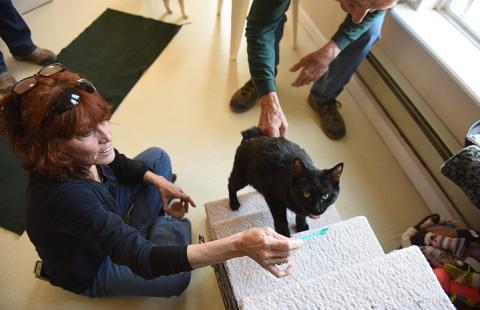
“Cat with Manx Syndrome | Best Friends …” from bestfriends.org and used with no modifications.
Managing Symptoms and Improving Quality of Life
Managing the symptoms of genetic disorders in pets requires a multi-faceted approach. For cats with Manx Syndrome, or sacrocaudal dysgenesis, this means focusing on both medical treatment and lifestyle adjustments. Regular veterinary check-ups are crucial to monitor the progression of the condition and to address any emerging health issues promptly.
For mobility issues, providing ramps or steps can help your pet access their favorite spots without strain. In cases of incontinence, maintaining a clean environment and using pet diapers can help manage the symptoms effectively. Dietary adjustments, such as high-fiber foods, can assist with bowel regularity.
Example: Bella, a Manx cat with mild sacrocaudal dysgenesis, thrived with the use of custom-built ramps in her home, allowing her to move freely without exacerbating her condition.
Additionally, maintaining a healthy weight through proper diet and exercise is important for all pets, but especially for those with genetic disorders. Excess weight can put additional strain on joints and exacerbate existing conditions.
Frequently Asked Questions (FAQ)
Understanding the nuances of genetic disorders in pets can be daunting, but being informed is the first step in providing the best care for your furry friend. Here are some common questions pet owners may have about Manx Syndrome and other genetic conditions.
What is the medically accurate name for Manx syndrome?
The medically accurate name for what is commonly referred to as “Manx Syndrome” is sacrocaudal dysgenesis. This term more accurately describes the developmental issues affecting the spine and tail in affected cats.
Is “Manx syndrome” a misnomer?
Yes, “Manx Syndrome” is considered a misnomer because it is not a formal medical term and the name suggests that all Manx cats have incontinence issues which is not true. The condition is more accurately described as sacrocaudal dysgenesis, which refers to the specific developmental abnormalities of the spine and tail.
Understanding this distinction is important for pet owners and veterinarians alike, as it ensures that the condition is properly identified and managed, especial since Manx cats with enough tail to wiggle who have made it to four months without issue, will likely live their lives without issues stemming from sacrocaudal dysgenesis.
What percentage of Manx cats are actually affected by sacrocaudal dysgenesis?
Approximately 20-30% of Manx cats are affected by sacrocaudal dysgenesis. This means that while a significant number of Manx cats may experience health issues related to this condition, the majority or 70-80% do not. Responsible breeding practices can help reduce the incidence of this disorder.
Are the majority of Manx cats healthy?
Yes, the majority of Manx cats are healthy. Despite the genetic predisposition for sacrocaudal dysgenesis, many Manx cats live normal, healthy lives without experiencing any symptoms of the condition. Regular veterinary care and responsible breeding are key to maintaining the health of the breed. For those interested in other unique cat breeds, consider learning about the Devon Rex, known for its hypoallergenic nature.
Is there an age when my Manx cat is “in the clear” from likely having sacrocaudal dysgenesis?
Signs of genetic disorders can vary widely, but common indicators include mobility issues, incontinence, and unusual behavior. For Manx cats, symptoms of sacrocaudal dysgenesis typically appear within the first few months of life. If a Manx cat reaches one year of age without exhibiting symptoms, they are less likely to develop the condition.
However, it’s important to remain vigilant and consult with a veterinarian if you notice any changes in your cat’s health or behavior.
Can these genetic health issues be prevented?
While genetic predispositions cannot be entirely prevented, responsible breeding practices can significantly reduce the incidence of genetic disorders. Breeders should avoid mating cats with known genetic issues and prioritize health screenings. Pet owners can also help by choosing reputable breeders and being informed about the potential health risks associated with their pet’s breed.
What should I do if I suspect my pet is affected by a genetic disorder?
If you suspect your pet may be affected by a genetic disorder, the first step is to consult with a veterinarian. They can provide a thorough examination and recommend diagnostic tests to determine the presence and extent of any genetic conditions. Early diagnosis and intervention are crucial in managing symptoms and improving your pet’s quality of life. For more information on specific breeds, you can explore the Manx cat and their genetic traits.
It’s also important to educate yourself about the specific condition and explore all available treatment options. Support from veterinary specialists, such as neurologists or orthopedic surgeons, can be invaluable in managing complex cases.