Italian Greyhounds, often referred to as “Iggies,” are a fascinating breed with a rich history and a unique set of characteristics that make them stand out among other dog breeds. Whether you’re a long-time dog enthusiast or a prospective pet owner, understanding what makes Italian Greyhounds special can help you decide if they’re the right fit for your lifestyle.
Key Takeaways
- Italian Greyhounds originated in the Mediterranean and were popular among Italian nobility during the Middle Ages.
- These dogs can reach speeds up to 25 miles per hour, making them one of the fastest small dog breeds.
- They are highly affectionate and thrive on human companionship, often forming strong bonds with their owners.
- Training can be a challenge due to their sensitive nature, but positive reinforcement works best.
- Italian Greyhounds are often seen with celebrities, adding to their allure and popularity.
Introducing the Italian Greyhound: Speed, Elegance, and Companionship
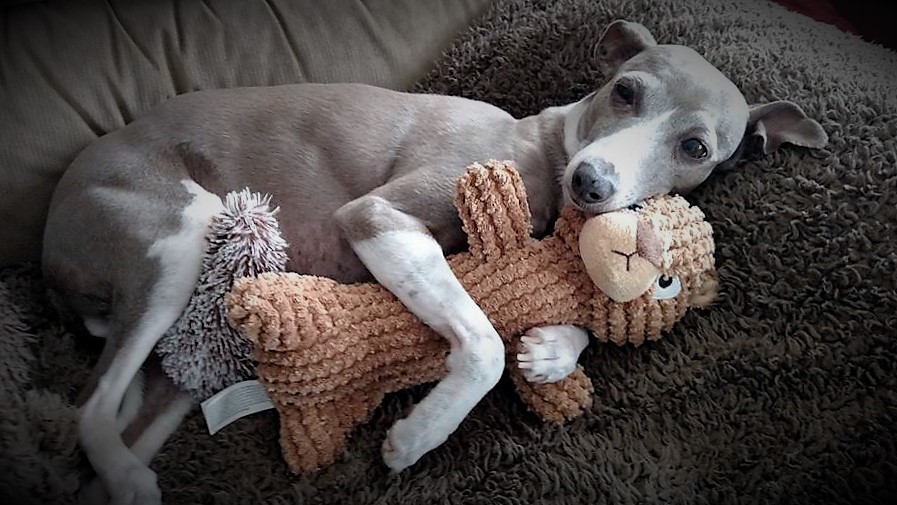
Italian Greyhounds are the epitome of elegance and speed, coupled with a charming personality that endears them to anyone they meet. These sleek, slender dogs are not just about appearances; they bring a lot of joy and companionship to their families. Known for their affectionate nature, they often become inseparable from their owners, earning them the nickname “velcro dogs.”
“Mid Atlantic Italian Greyhound Rescue” from www.midatlanticiggyrescue.com and used with no modifications.
Origin and Historical Background
The Italian Greyhound boasts a storied past that traces back to ancient times. While their exact origins are somewhat shrouded in mystery, it’s believed that these dogs have been companions to humans for over 2,000 years. They were initially bred in the Mediterranean region, particularly in what is now modern-day Greece and Turkey. Over time, they found favor among the nobility in Italy during the Middle Ages.
Italian Greyhounds were cherished by Italian aristocrats not just for their beauty but also for their ability to hunt small game. Their speed and agility made them excellent hunters, even if their primary role was as companions. The breed’s elegance and charm made them a favorite among European royalty, including Queen Victoria, who was known to have owned several Italian Greyhounds.

“Celebrities with Italian Greyhounds …” from 60secondadventures.com and used with no modifications.
Loved by Celebrities: Italian Greyhounds in the Spotlight
In recent years, Italian Greyhounds have gained popularity in part due to their association with celebrities. High-profile individuals like Kylie Jenner have been seen with their Italian Greyhounds, showcasing the breed’s elegant and photogenic nature. This exposure has contributed to a surge in the breed’s popularity, as more people become enamored with these charming dogs.
Beyond their celebrity status, Italian Greyhounds have maintained their allure as a companion breed, admired for their beauty, grace, and affectionate disposition. Their historical association with royalty adds to their mystique, making them a sought-after breed for those looking for a touch of elegance in their canine companions. For those interested in exploring other elegant breeds, the Cesky Terrier offers a unique alternative with its own set of charming qualities.
Training Your Iggy
Potty Training and Housebreaking Strategies
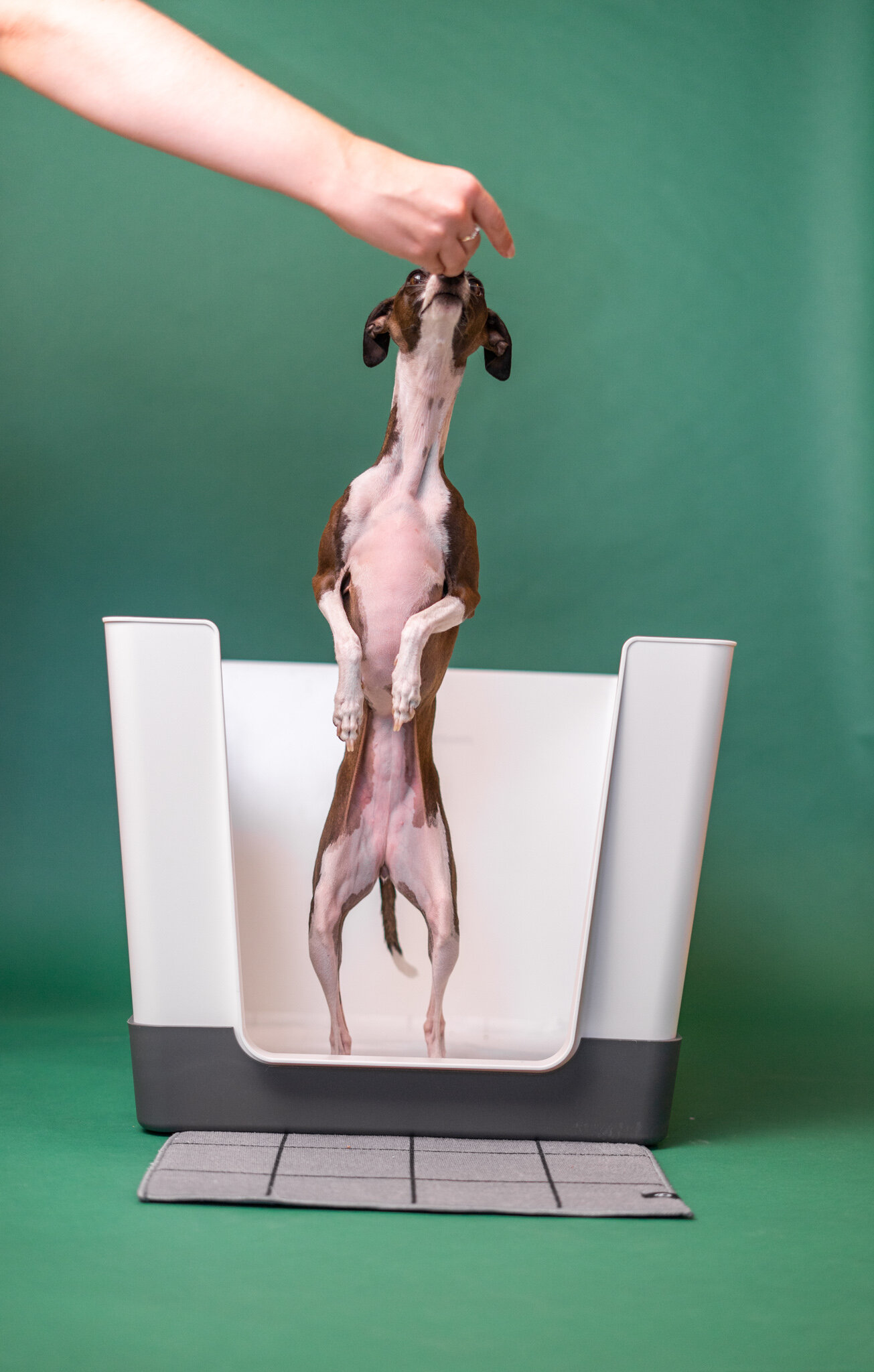
Potty training an Italian Greyhound requires patience and consistency. These dogs are intelligent, but their sensitive nature means they may not respond well to harsh training methods. It’s crucial to establish a routine and stick to it, as this helps your Italian Greyhound understand when and where it’s appropriate to relieve themselves.
Start by taking your Italian Greyhound outside frequently, especially after meals, playtime, and naps. Always take them to the same spot, as the familiar scent will encourage them to go. When they do their business outside, praise them lavishly and offer a small treat as a reward. This positive reinforcement will help them associate going outside with positive experiences.
- Set a consistent schedule for feeding and potty breaks.
- Use a designated potty area to help them recognize the spot.
- Be patient and avoid punishment for accidents inside.
Remember, accidents will happen, especially in the early stages of training. Clean up any messes promptly and use an enzymatic cleaner to remove odors, which can deter your dog from using the same spot indoors again. With time and consistency, your Italian Greyhound will become more reliable in their potty habits.
“Potty Training your Italian Greyhound …” from theiggyparents.com and used with no modifications.
General Obedience and Behavior Training
Training an Italian Greyhound involves understanding their unique temperament. These dogs are intelligent and eager to please, but they can also be independent and stubborn at times. Positive reinforcement is the key to successful training. Use treats, praise, and play to reward good behavior, and keep training sessions short and engaging to maintain their interest. For tips on managing dog temperament, explore other breed comparisons.
Living with an Italian Greyhound: Lifestyle and Compatibility
Italian Greyhounds are adaptable dogs that can thrive in various living environments. However, they do best in homes where they can be close to their human companions. Their small size and low exercise needs make them suitable for apartment living, provided they get regular walks and playtime.
It’s important to remember that Italian Greyhounds are sensitive dogs that require gentle handling. They do not respond well to harsh discipline or loud environments, so a calm and loving home is ideal for them.
Activity and Exercise Needs
Despite their athletic build, Italian Greyhounds don’t require extensive exercise. A couple of short walks each day and some playtime indoors are usually sufficient to keep them happy and healthy. They enjoy sprinting and chasing toys, so providing them with a safe, enclosed area to run is beneficial.
“Facts About the Italian Greyhound That …” from www.akc.org and used with no modifications.
Anatomy and Speed
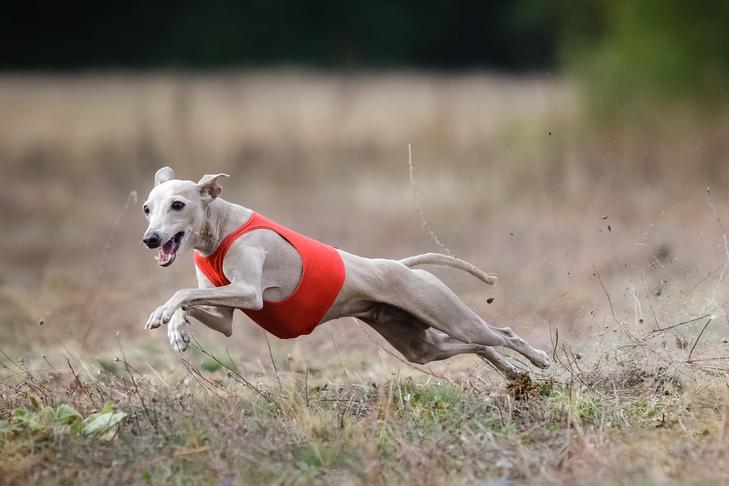
Despite their small stature, Italian Greyhounds are built for speed. They have a unique anatomy that contributes to their ability to reach speeds up to 25 miles per hour. Their long, slender legs and lightweight frame allow them to move quickly and gracefully. This makes them one of the fastest small dog breeds, though not quite as fast as their larger sighthound relatives like the Greyhound or Whippet.
It’s important to note that Italian Greyhounds excel in short bursts of speed, making them more suited for sprinting rather than long-distance running. Their athletic build and agility make them great companions for active individuals who enjoy outdoor activities.
Best Home Environment
Italian Greyhounds thrive in homes where they can be a part of the family. They enjoy snuggling on the couch and being involved in family activities. Because of their small size and delicate build, it’s important to ensure their environment is safe and free of hazards that could cause injury.
These dogs are sensitive to temperature extremes, so they need to be kept warm in cold weather and cool in hot weather. Providing them with a cozy bed and a few soft blankets will help them stay comfortable year-round. If you’re interested in learning more about other sensitive breeds, check out our guide on Ibizan Hound adoption and care.
“Italian Greyhounds are like little shadows, always wanting to be near you. They love being a part of the family and will follow you from room to room, just to be close.” – A longtime Italian Greyhound owner
“Italian Greyhound Breed …” from italiangreyhoundactivehealth.org.uk and used with no modifications.
Family Compatibility with Kids and Other Pets
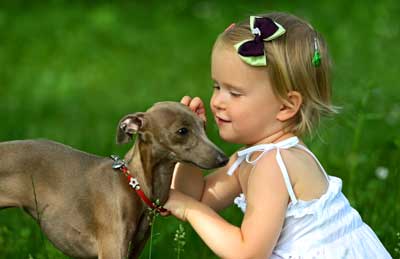
Italian Greyhounds are generally good with children, but they do best in homes with older kids who understand how to handle them gently. Their fragile bones can be easily injured by rough play, so supervision is necessary when they’re around young children.
These dogs can get along well with other pets, especially if they’re raised together. However, their sighthound instincts may lead them to chase smaller animals, so caution is advised when introducing them to cats or small pets.
Italian Greyhound vs. Whippet: A Comparative Overview
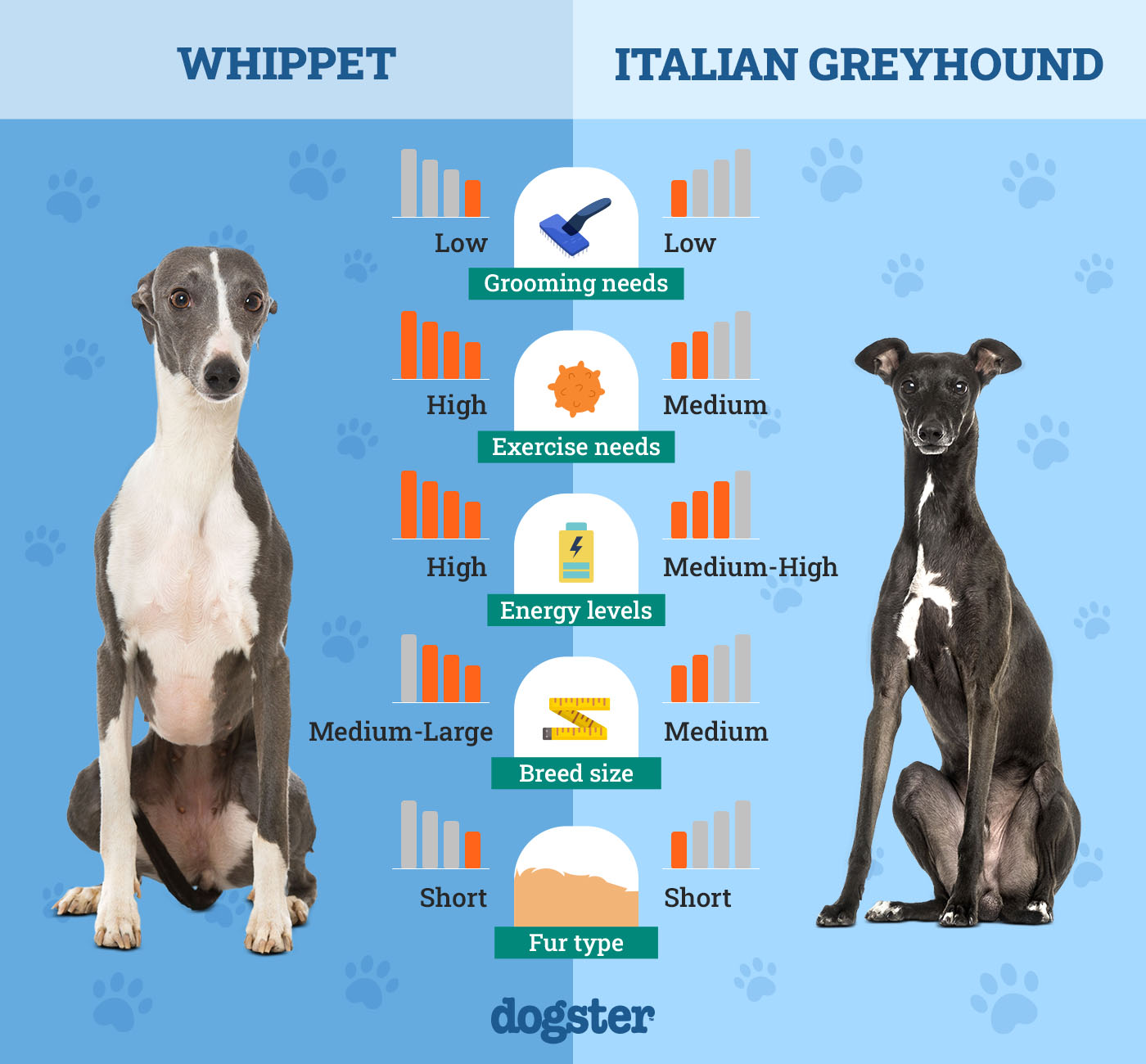
Italian Greyhounds and Whippets are both members of the sighthound family, but they have distinct differences that set them apart. Understanding these differences can help potential owners decide which breed is a better fit for their lifestyle.
While both breeds share a graceful, athletic build, the Italian Greyhound is significantly smaller than the Whippet. Italian Greyhounds typically weigh between 8 to 15 pounds, while Whippets can weigh between 25 to 40 pounds. This size difference affects their exercise needs and living space requirements.
Temperamentally, both breeds are affectionate and enjoy human companionship, but Whippets tend to be more independent than Italian Greyhounds. This can make Whippets a bit easier to leave alone for longer periods, whereas Italian Greyhounds may experience separation anxiety.
“Whippet vs. Italian Greyhound: Vet …” from www.dogster.com and used with no modifications.
Physical and Temperamental Differences
Italian Greyhounds have a more delicate bone structure compared to Whippets, which makes them more susceptible to injuries. Their small size also means they require less food and space, making them ideal for apartment living. For more insights into dog breed comparisons, you might find this terrier comparison informative.
In terms of temperament, Italian Greyhounds are known for their sensitive nature and strong attachment to their owners. Whippets, on the other hand, are more laid-back and may be more tolerant of being left alone.
Similarities and Shared Heritage
Despite their differences, Italian Greyhounds and Whippets share a common ancestry as sighthounds, bred for their speed and agility. Both breeds have a sleek, aerodynamic build that allows them to excel in short bursts of speed. For more on sighthounds, you can explore the Ibizan Hound adoption guide.
Both breeds are known for their gentle and affectionate nature, making them excellent companions for those who appreciate a dog that enjoys snuggling and spending time with family.
“While Italian Greyhounds and Whippets share a love for running, their personalities and needs can be quite different. It’s important to consider your lifestyle and what you want in a companion before choosing between the two.” – A sighthound enthusiast
Recommended Owners and Ideal Lifestyle for Italian Greyhounds
Italian Greyhounds are a unique breed with specific needs and characteristics that make them suitable for certain types of owners. They thrive in environments where they receive ample attention and love, and they fit best with owners who can appreciate their elegance and affectionate nature.
Who Should Consider an Italian Greyhound?
Italian Greyhounds are ideal for individuals or families who have a relatively calm lifestyle and can provide a stable environment. They are perfect for people who enjoy having a constant companion by their side, as these dogs love to be near their humans.
If you’re someone who can spend a lot of time at home or take your dog with you on errands and outings, an Italian Greyhound could be a great match. They are also suitable for apartment dwellers due to their small size and moderate exercise needs.
However, those who work long hours away from home or have a busy lifestyle may find it challenging to meet the emotional needs of an Italian Greyhound. They do not do well being left alone for extended periods and can develop separation anxiety.

“constantly dragging everywhere …” from www.reddit.com and used with no modifications.
Lifestyle Fit and Daily Routine
An ideal daily routine for an Italian Greyhound includes a couple of short walks, some playtime, and plenty of cuddle time. These dogs are not overly demanding in terms of exercise, but they do enjoy a good run in a safe, enclosed area.
Providing mental stimulation through toys and interactive games is also beneficial for keeping your Italian Greyhound happy and engaged. Consistency in their daily routine helps them feel secure and content.
Frequently Asked Questions
Here are some common questions prospective Italian Greyhound owners often ask:
How fast can an Italian Greyhound run?
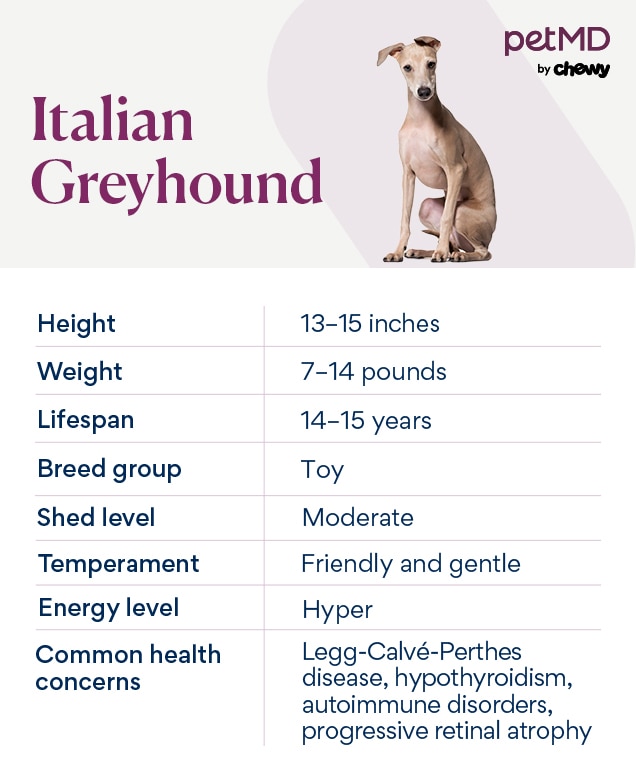
Italian Greyhounds can reach impressive speeds of up to 25 miles per hour. They are built for speed and agility, making them one of the fastest small dog breeds. To learn more about their characteristics, visit the Italian Greyhound Dog Breed Information page.
“Italian Greyhound Dog Breed Health and …” from www.petmd.com and used with no modifications.
Are Italian Greyhounds good with children?
- Italian Greyhounds are generally good with older children who understand how to handle them gently.
- Supervision is necessary with young children due to the dog’s fragile build.
- They can be affectionate and playful with kids who respect their space and treat them kindly.
These dogs form strong bonds with their family members, including children, but it’s crucial to teach kids how to interact with them appropriately.
They thrive in a calm and gentle environment where they can feel safe and loved.
Do Italian Greyhounds require a lot of grooming?
Italian Greyhounds have a short, smooth coat that is easy to maintain. They shed minimally and require only occasional brushing to keep their coat looking its best. Regular dental care, nail trimming, and ear cleaning are also essential parts of their grooming routine.
Because of their thin coat, they are sensitive to temperature changes, so providing them with appropriate clothing in cold weather is important.
How do I train an Italian Greyhound to be alone?
Training an Italian Greyhound to be alone involves gradually increasing the time they spend by themselves. Start by leaving them for short periods and gradually extend the duration as they become more comfortable. Providing toys and treats can help keep them occupied and reduce anxiety.
Is a Whippet or an Italian Greyhound better for first-time dog owners?
Both breeds can be suitable for first-time dog owners, but they have different needs and temperaments. Italian Greyhounds are smaller and require less space, making them ideal for apartment living. However, they can be more sensitive and prone to separation anxiety.
Whippets are larger and may require more exercise, but they are generally more independent and may tolerate being alone better than Italian Greyhounds. Consider your lifestyle and living situation when choosing between the two.
Ultimately, both breeds offer unique qualities that can make them wonderful companions for the right owner.