Key Takeaways
- Giant Schnauzers are large, powerful dogs, requiring consistent training and socialization from an early age.
- They need at least 60-90 minutes of exercise daily, including walks, play, and mental stimulation.
- Regular grooming is essential due to their dense, wiry coat, which includes brushing several times a week and professional grooming every few months.
- These dogs are known for their protective instincts, making them excellent guard dogs but requiring careful management to ensure they’re friendly with strangers.
- First-time dog owners may find them challenging due to their size, energy levels, and strong-willed nature.
Giant Schnauzer Overview and Breed Characteristics
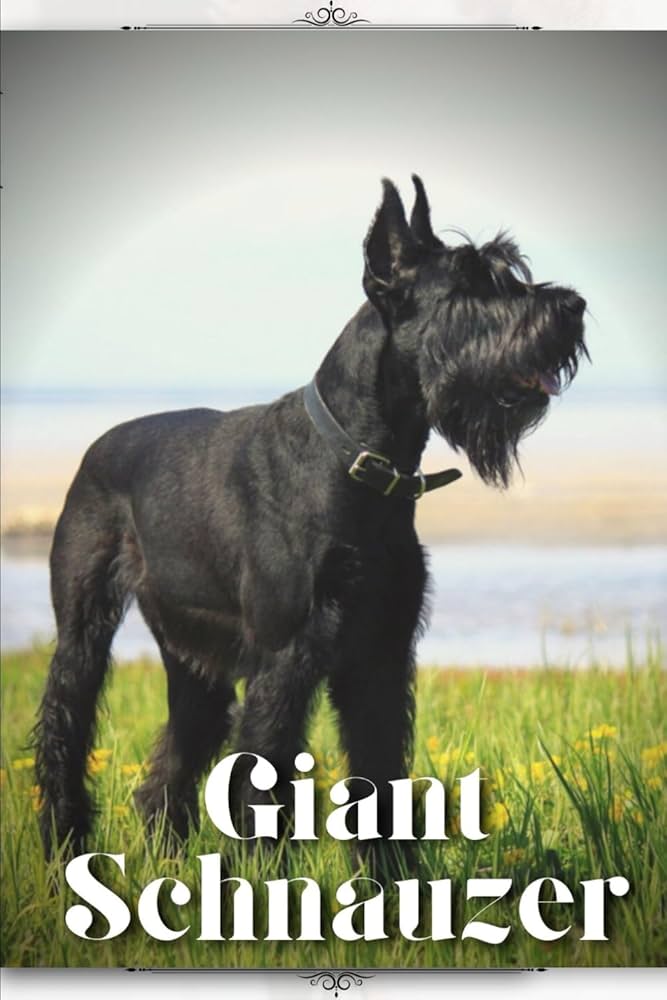
The Giant Schnauzer is a robust and impressive breed, known for its strength, intelligence, and loyalty. Originally bred in Germany for herding and guarding livestock, these dogs have maintained their reputation as excellent working dogs. Their imposing presence and keen senses make them a favorite for roles in police and military work.
“Giant Schnauzer: Dog breed overview and …” from www.amazon.com and used with no modifications.
Physical Attributes
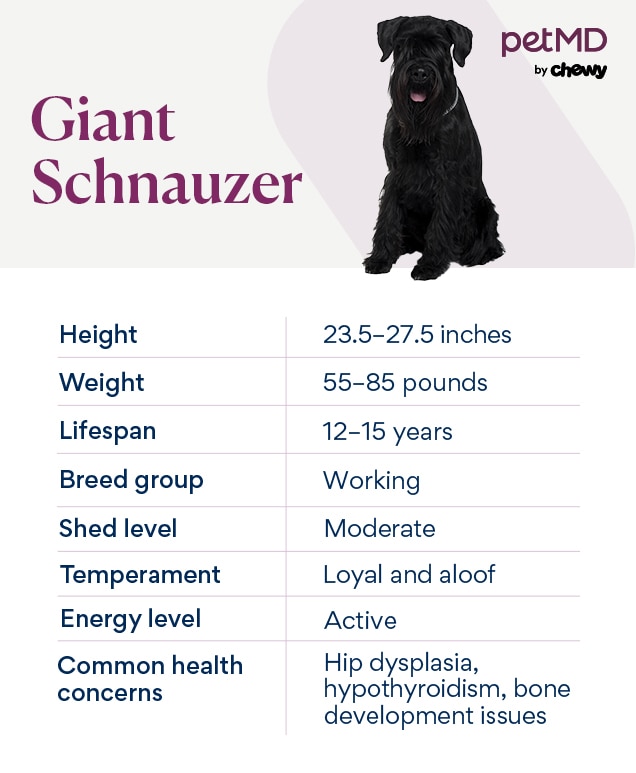
Giant Schnauzers are aptly named, standing between 23.5 to 27.5 inches tall at the shoulder and weighing between 55 to 85 pounds. Their dense, wiry coat is typically black or salt-and-pepper, providing protection from the elements. This coat requires regular grooming to prevent matting and maintain its distinctive appearance.
One of the breed’s most striking features is its facial hair, including bushy eyebrows and a full beard. These features not only add to their distinctive look but also serve practical purposes, such as protecting their face from debris and bites.
Temperament and Personality
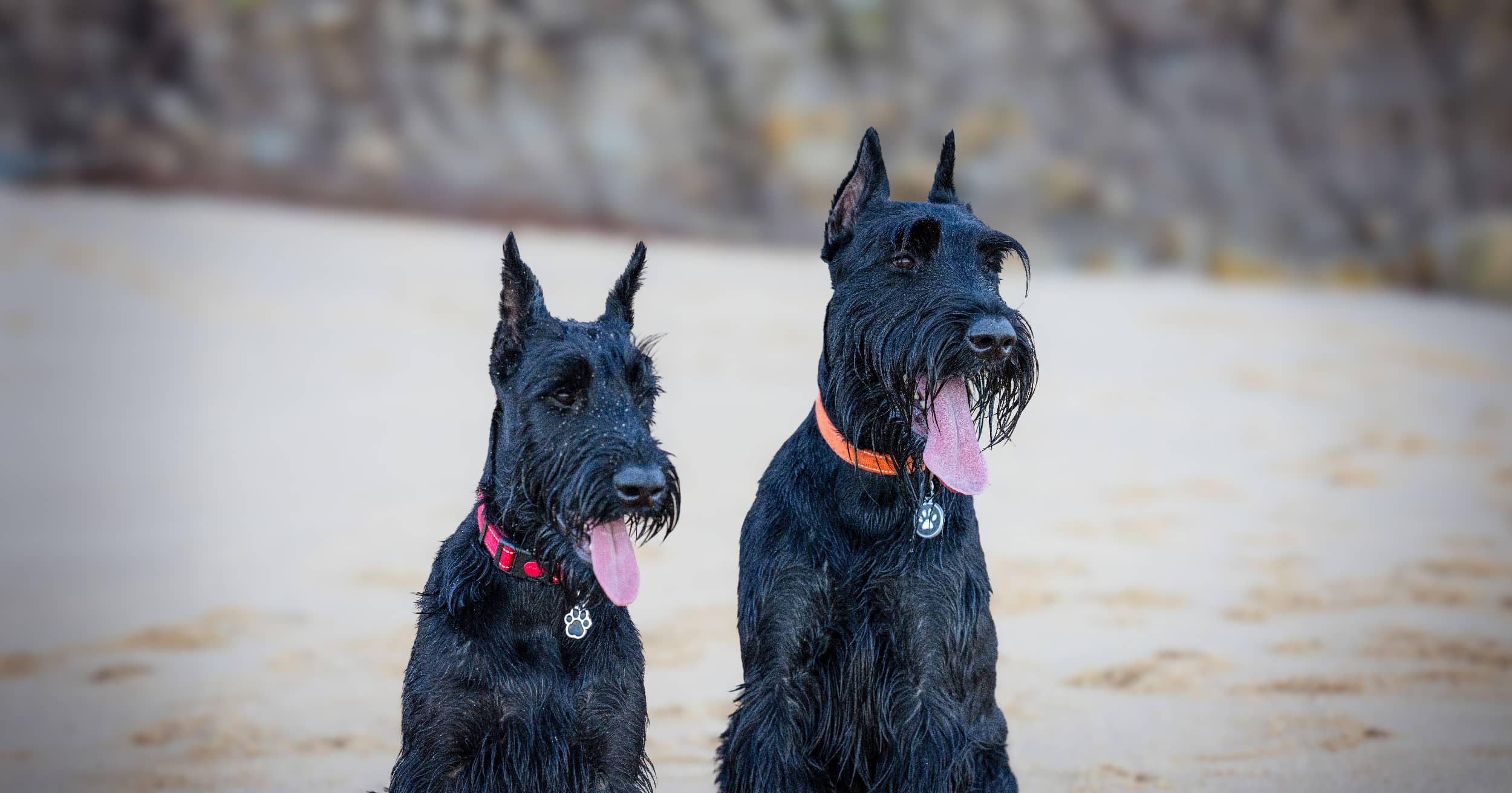
Giant Schnauzers are known for their alert and confident demeanor. They are highly intelligent and can be quite independent, which means they require firm and consistent training. Despite their independent streak, they form strong bonds with their families and are known for their loyalty and protective instincts. For those considering other breeds with similar traits, the Australian Shepherd is also known for its intelligence and loyalty.
These dogs are generally good with children and can be socialized to get along with other pets. However, their protective nature means they may be wary of strangers, making early socialization crucial. This trait also makes them excellent watchdogs, as they are quick to alert their owners to any potential threats.
“Top 10 Best Guard Dogs to Protect Your …” from www.diamondpet.com and used with no modifications.
History and Background
The Giant Schnauzer’s history dates back to the mid-19th century in Germany, where they were bred to drive cattle and guard farms. Over time, their intelligence and trainability led to their use in police and military roles. The breed was recognized by the American Kennel Club in 1930, and since then, they have become popular as both working dogs and family companions.
Throughout their history, Giant Schnauzers have been prized for their versatility and adaptability. Whether herding livestock or serving in law enforcement, these dogs have consistently proven themselves to be reliable and capable partners.
Caring for a Giant Schnauzer
Caring for a Giant Schnauzer involves meeting their physical, mental, and emotional needs. These dogs require a significant commitment of time and energy, but the rewards are well worth it for those who are up to the task.
“Giant Schnauzer Dog Breed Health and …” from www.petmd.com and used with no modifications.
Dietary Needs
Feeding a Giant Schnauzer a balanced diet is crucial for their health and well-being. These active dogs need high-quality dog food that provides the right balance of proteins, fats, and carbohydrates. It’s essential to monitor their weight and adjust their food intake as needed to prevent obesity, which can lead to health issues.
Exercise Requirements
Giant Schnauzers are energetic dogs that need plenty of exercise to stay healthy and happy. They require at least 60 to 90 minutes of physical activity each day, which can include walks, runs, and playtime in a secure area. Besides physical exercise, mental stimulation is equally important. Interactive toys, obedience training, and puzzle games can help keep their minds sharp and prevent boredom.
Because of their working dog background, they excel in dog sports like agility, obedience, and tracking. Engaging them in these activities not only fulfills their exercise needs but also strengthens the bond between dog and owner.
Grooming Essentials
The Giant Schnauzer’s dense, wiry coat requires regular grooming to keep it in top condition. Brushing several times a week helps prevent matting and reduces shedding. Professional grooming every few months is recommended to maintain their coat’s texture and appearance.
In addition to coat care, regular dental hygiene, nail trimming, and ear cleaning are essential parts of their grooming routine. These tasks help prevent common health issues and ensure your Giant Schnauzer looks and feels their best.
Pros and Cons of Owning a Giant Schnauzer
Owning a Giant Schnauzer can be a rewarding experience, but it’s important to understand the pros and cons before making a commitment.
Advantages
Giant Schnauzers are loyal and protective companions, making them excellent watchdogs. Their intelligence and trainability allow them to excel in various roles, from family pets to working dogs. They are also known for their affectionate nature and strong bonds with their families.
These dogs are adaptable and can thrive in different environments, provided they receive the exercise and mental stimulation they need. Their low-shedding coats are another advantage, making them a good choice for people with mild allergies.
Challenges
Despite their many positive traits, Giant Schnauzers are not without challenges. Their size and energy levels require a significant time commitment for exercise and training. They can be strong-willed and stubborn, necessitating a confident owner who can provide consistent leadership.
Socialization is crucial to prevent excessive aggression towards strangers, and their protective nature can sometimes be perceived as intimidating. Additionally, their grooming needs require regular attention and can be time-consuming.
- Time and commitment for exercise and training
- Consistent grooming requirements
- Need for early socialization to prevent aggression
- Strong-willed nature requiring experienced handling
Basic Obedience Training
Training a Giant Schnauzer in basic obedience is essential to harness their intelligence and energy positively. Start with simple commands like “sit,” “stay,” and “come.” Consistency is key, so practice these commands daily in short, focused sessions to keep their attention. Use positive reinforcement techniques, such as treats and praise, to encourage good behavior and create a positive learning environment.
Giant Schnauzers respond well to firm, yet gentle guidance. Avoid harsh discipline, as it can lead to fear or aggression. Instead, focus on building trust and respect through consistent, fair training methods. Establishing a routine will help your Giant Schnauzer understand what is expected of them and build a strong foundation for more advanced training.
It’s important to be patient and persistent, as Giant Schnauzers can be stubborn at times. If you encounter challenges, consider seeking guidance from a professional dog trainer who has experience with large, strong-willed breeds. This will ensure your dog develops into a well-mannered companion.
“Giant Schnauzer Progression: Growth …” from a-z-animals.com and used with no modifications.
Advanced Commands
Once your Giant Schnauzer has mastered basic obedience, you can move on to advanced commands. These may include “heel,” “leave it,” and “place.” These commands require greater focus and discipline, so it’s crucial to build on the trust and rapport established during basic training. Incorporate distractions gradually to help your dog learn to obey commands in various environments.
Socialization Tactics
Socialization is crucial for Giant Schnauzers to become well-adjusted adults. Expose your dog to a variety of people, animals, and environments from a young age. This helps them learn to be comfortable and confident in different situations. Puppy classes and playdates with other dogs can be excellent opportunities for socialization.
Keep experiences positive and avoid overwhelming your Giant Schnauzer. Gradually introduce new stimuli, such as different sounds, surfaces, and settings. This will help them become adaptable and reduce the likelihood of fear-based aggression or anxiety.
Do Giant Schnauzers Deserve Their Bad Rap?
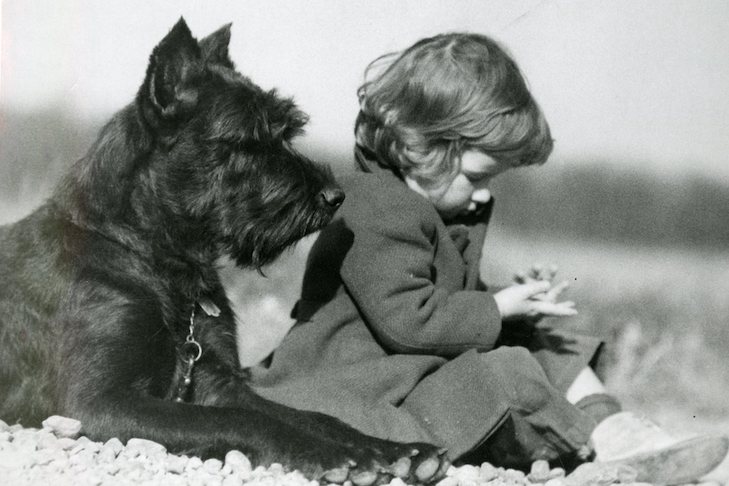
Giant Schnauzers sometimes get a bad rap for being intimidating or aggressive, but this reputation is often undeserved. While they are naturally protective and can appear imposing, with proper training and socialization, they can be gentle and loving family members. For those considering this breed, it might be helpful to explore if the Giant Schnauzer is a good fit for you.
Myths and Misconceptions
One common misconception is that Giant Schnauzers are inherently aggressive. This is not true; their protective instincts can be managed with proper training and socialization. Another myth is that they are too high-energy for family life. While they do require ample exercise, they can adapt well to family settings when their needs are met. For those considering other breeds, exploring the pros and cons of Australian Shepherds might provide additional insights into high-energy dogs suitable for families.
“Is the Giant Schnauzer a Good Fit for You?” from www.akc.org and used with no modifications.
Giant Schnauzers as Family Pets
Giant Schnauzers can make excellent family pets for those who are prepared to meet their needs. They are loyal and protective, forming strong bonds with their families. These dogs thrive in homes where they receive plenty of attention, exercise, and mental stimulation. With the right guidance, they can be affectionate and gentle companions for children and adults alike. For those considering other breeds, you might want to explore the Catahoula Leopard Dog as an alternative.
Guard Dog Capabilities
Giant Schnauzers possess natural guard dog capabilities due to their size, strength, and protective instincts. They are alert and quick to respond to potential threats, making them effective watchdogs. However, their guarding tendencies must be managed to ensure they remain friendly and approachable. If you’re considering adopting a Giant Schnauzer, you might also be interested in exploring other breeds with family house compatibility.
Protective Instincts
The protective instincts of a Giant Schnauzer can be both a blessing and a challenge. While they are naturally inclined to guard their family and territory, this behavior can become problematic if not properly managed. Early socialization and training are essential to help them distinguish between real threats and everyday situations.
Owners should encourage their Giant Schnauzers to be confident and calm in various environments. This will help prevent overprotective behavior, such as excessive barking or aggression towards strangers. A well-socialized Giant Schnauzer can be a reliable guardian without being overly aggressive.
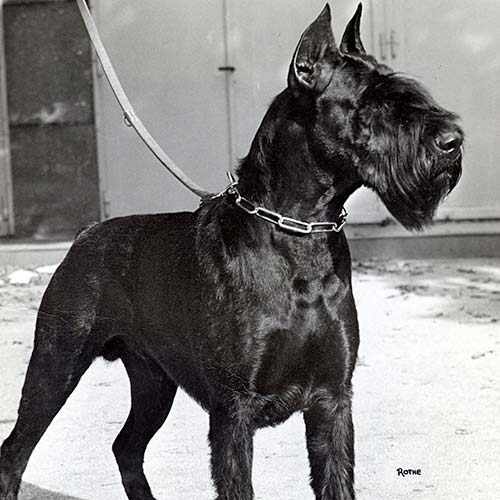
“Giant Schnauzer Dog Breed Information” from www.akc.org and used with no modifications.
Training for Security Roles
- Begin with basic obedience and build a strong foundation of trust and respect.
- Gradually introduce advanced training specific to guard dog roles, such as boundary patrolling and alert barking.
- Use positive reinforcement to encourage desired behaviors and discourage inappropriate aggression.
- Expose your dog to various environments and situations to build confidence and adaptability.
Training a Giant Schnauzer for security roles requires dedication and patience. These dogs excel in tasks that require focus and discipline, making them ideal candidates for such roles. However, it’s crucial to ensure they remain friendly and approachable to family members and guests.
Professional training can be beneficial for owners who want their Giant Schnauzer to excel in security roles. Experienced trainers can provide guidance on specific techniques and exercises that will help your dog develop the necessary skills while maintaining a balanced temperament. For those considering whether the Giant Schnauzer is a good fit, understanding their training needs is essential.
Ultimately, a well-trained Giant Schnauzer can be an invaluable asset as both a loyal family companion and a reliable guardian.
First-Time Owners: Is a Giant Schnauzer Right for You?
Deciding whether a Giant Schnauzer is the right fit for a first-time dog owner requires careful consideration. These dogs have unique needs that can be challenging for inexperienced owners, but they can also be incredibly rewarding companions.
First-time owners should be prepared for the time and effort required to meet a Giant Schnauzer’s exercise, training, and grooming needs. It’s essential to be committed to providing consistent leadership and establishing a strong bond with your dog.
Considerations for New Dog Owners
Giant Schnauzers are best suited for active individuals or families who can dedicate time to their care. They require regular exercise, mental stimulation, and socialization to thrive. First-time owners should be ready to invest in training and grooming to ensure their dog remains healthy and well-behaved.
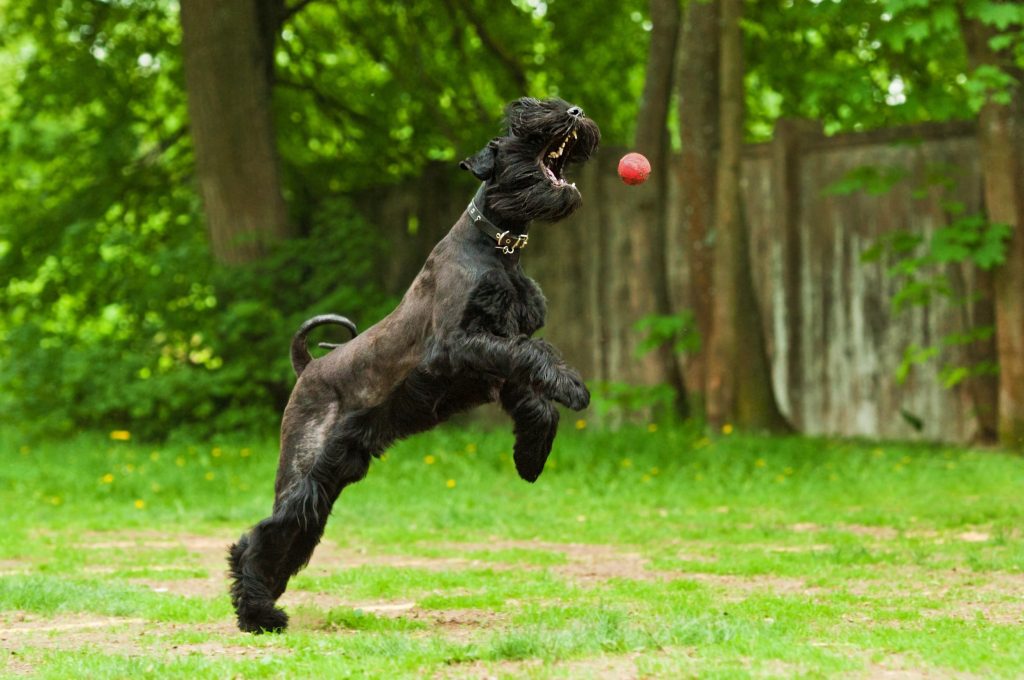
“Giant Schnauzer | Dog Breed Information …” from www.petinsuranceaustralia.com.au and used with no modifications.
Requirements for a Successful Partnership
To have a successful partnership with a Giant Schnauzer, owners must be willing to invest time and energy into their dog’s care. This includes providing regular exercise, engaging in consistent training, and maintaining a grooming routine. Additionally, a commitment to socialization is crucial to ensure your Giant Schnauzer grows into a well-rounded and adaptable companion. If you’re considering other breeds, you might want to explore the Australian Shepherd for comparison.
Comparisons with Other Breeds
Giant Schnauzers share some similarities with other breeds, but they also have distinct differences that set them apart. Understanding these differences can help potential owners make informed decisions about whether a Giant Schnauzer is the right choice for their lifestyle.
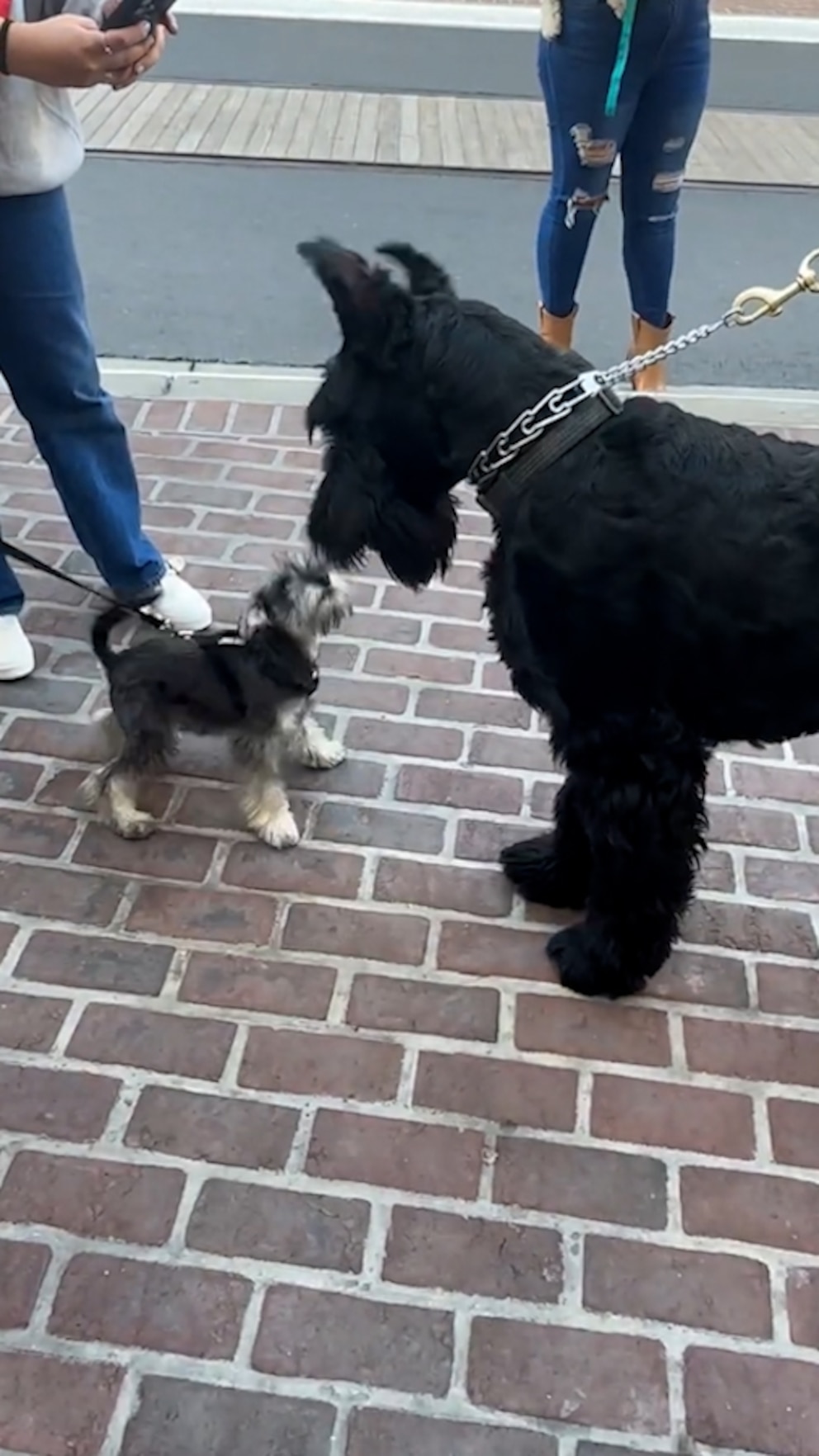
In comparison to Miniature and Standard Schnauzers, Giant Schnauzers are larger and more demanding in terms of exercise and training. They have a stronger guarding instinct, which can be both an advantage and a challenge. On the other hand, when compared to a Great Dane, Giant Schnauzers are more agile and energetic, requiring more mental stimulation and activity to remain content.
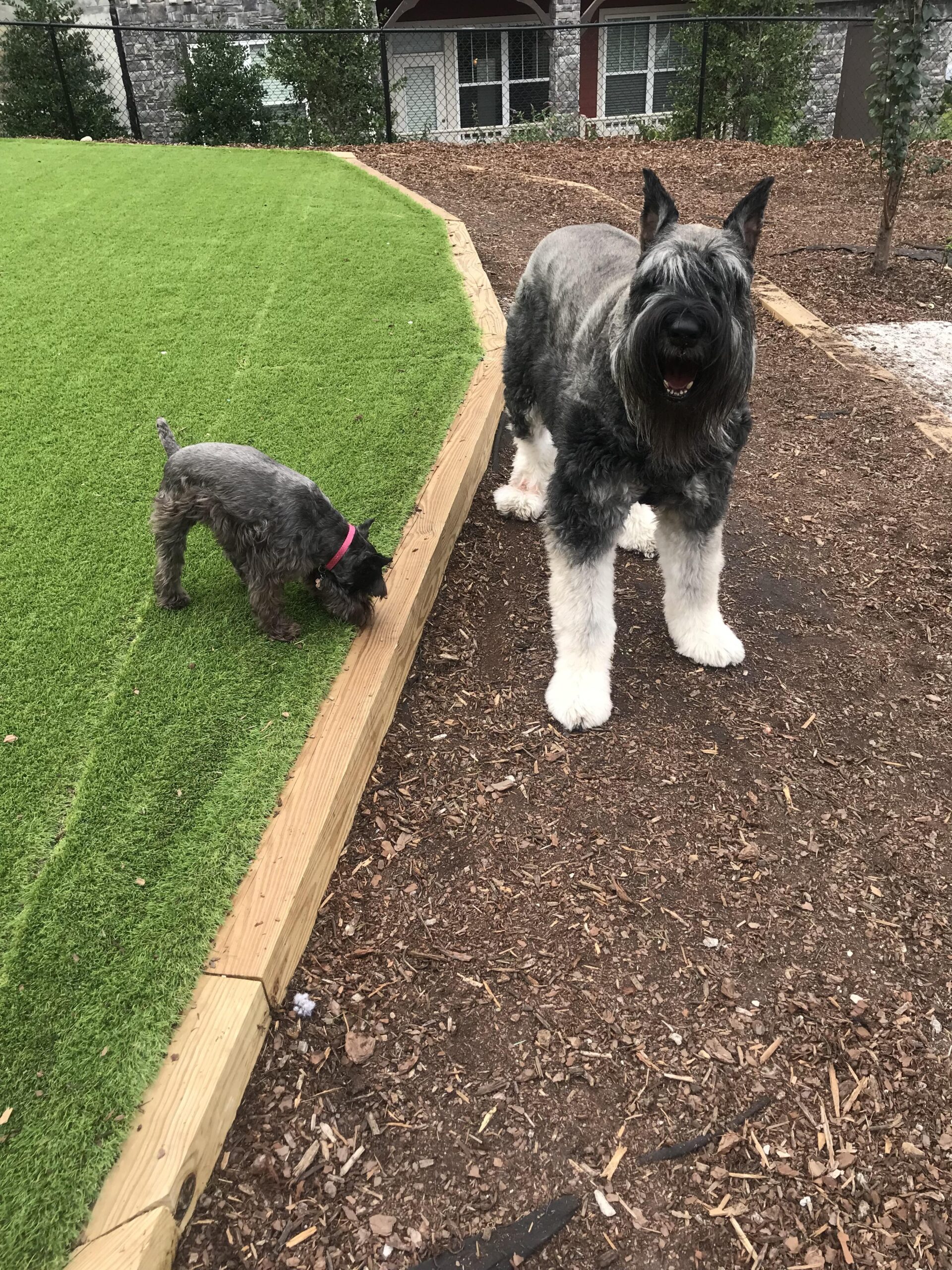
“Giant Schnauzer next to his mini …” from www.reddit.com and used with no modifications.
Miniature Schnauzer vs. Giant Schnauzer
| Attribute | Miniature Schnauzer | Giant Schnauzer |
|---|---|---|
| Size | 12-14 inches tall, 11-20 pounds | 23.5-27.5 inches tall, 55-85 pounds |
| Energy Level | Moderate | High |
| Grooming Needs | Regular brushing, less frequent grooming | Frequent brushing and professional grooming |
| Temperament | Friendly, alert, obedient | Loyal, protective, strong-willed |
The Miniature Schnauzer and the Giant Schnauzer, though sharing the same lineage, are quite different in terms of size and energy requirements. Miniature Schnauzers are smaller, making them more suitable for apartment living, while Giant Schnauzers need more space to roam and exercise.
Grooming is an important consideration for both breeds, but the Giant Schnauzer’s larger size means more frequent grooming sessions are necessary to keep their coat in top condition. While both breeds are intelligent and trainable, the Giant Schnauzer’s protective nature requires a firmer hand in training and socialization.
When choosing between the two, consider your living situation and ability to meet their exercise and grooming needs. If you’re looking for a smaller, more manageable companion, the Miniature Schnauzer may be the better fit. However, if you desire a larger, more protective dog and have the space and time to dedicate to their care, the Giant Schnauzer could be the ideal choice.
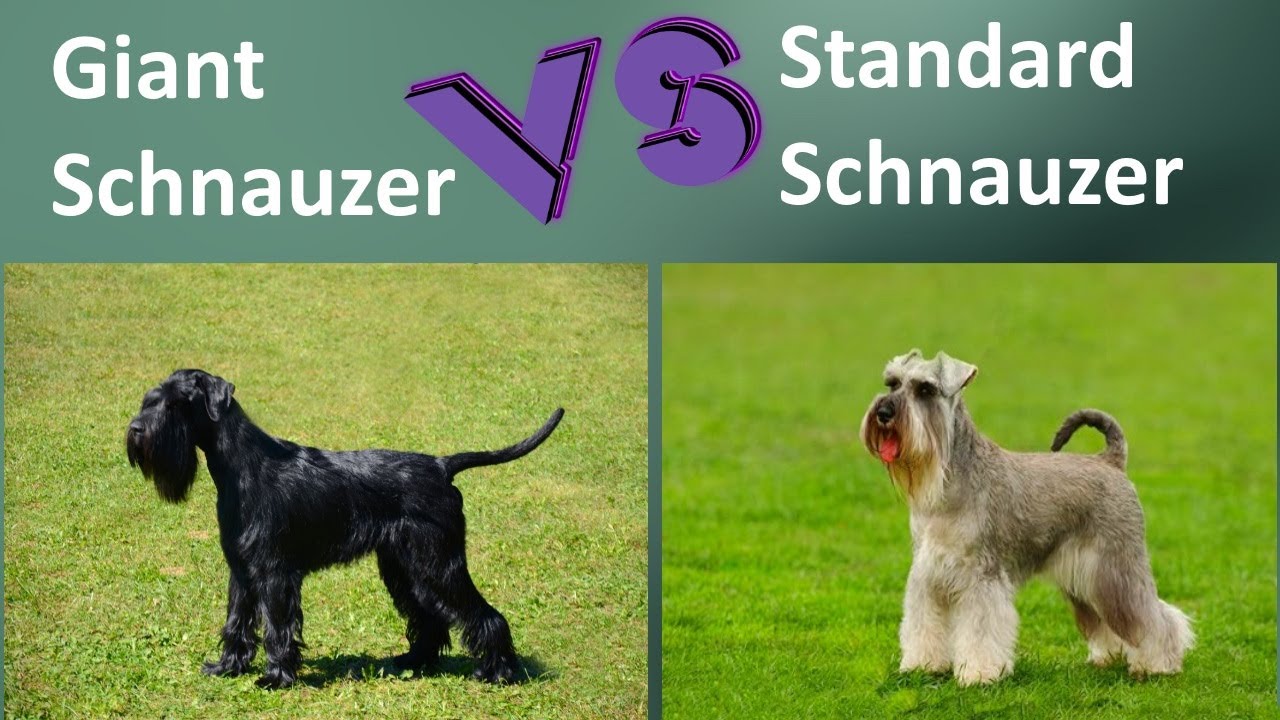
“Giant Schnauzer VS Standard Schnauzer …” from m.youtube.com and used with no modifications.
Standard Schnauzer vs. Giant Schnauzer
The Standard Schnauzer is the middle sibling in the Schnauzer family, offering a balance between the Miniature and Giant Schnauzers. They stand about 18-20 inches tall and weigh between 30-50 pounds. This size makes them versatile and adaptable to various living situations.
Both Standard and Giant Schnauzers share similar temperaments, being intelligent, alert, and protective. However, the Giant Schnauzer requires more exercise and training due to its larger size and stronger guarding instincts. For families seeking a Schnauzer with a moderate size and energy level, the Standard Schnauzer can be an excellent choice.
“giant schnauzer, schnauzer, dog breeds” from www.pinterest.com and used with no modifications.
Great Dane vs. Giant Schnauzer
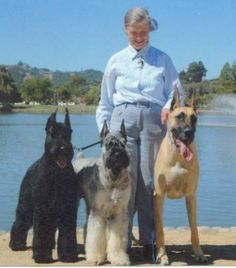
The Great Dane, known for its massive size, towers over the Giant Schnauzer, standing between 28-34 inches tall and weighing 100-200 pounds. While both breeds are known for their protective nature, the Great Dane is often more laid-back and gentle, whereas the Giant Schnauzer is more energetic and requires more mental stimulation.
Great Danes typically need less exercise compared to Giant Schnauzers, making them more suitable for families with a less active lifestyle. However, their size can pose challenges in terms of space and cost of care. When considering these two breeds, evaluate your ability to provide the necessary exercise and living conditions to accommodate their size and energy levels.
Final Thoughts on Giant Schnauzers
Giant Schnauzers are impressive and loyal companions that require a dedicated and experienced owner to meet their needs. Their intelligence, protective instincts, and affectionate nature make them excellent family pets for those who can provide the necessary time and resources for their care. For those interested in exploring other breeds, consider learning about the Catahoula Leopard Dog as a potential alternative.
Video Giant and miniature schnauzer …” from abcnews.go.com and used with no modifications.
Key Insights
Understanding the unique characteristics of the Giant Schnauzer is crucial for potential owners. These dogs are not just large in size but also in personality and energy. They require a firm hand in training, consistent exercise, and regular grooming to thrive. Their protective nature, while beneficial, must be managed through early socialization to ensure they remain friendly and well-adjusted. For those considering other breeds, exploring the pros and cons of Australian Shepherds can offer valuable insights.
Recommendations for Potential Owners
If you’re considering adding a Giant Schnauzer to your family, be prepared for the commitment it entails. Ensure you have the time, space, and resources to meet their needs. Regular training, socialization, and grooming should be part of your routine to ensure a well-behaved and healthy companion.
Consider enrolling in training classes or seeking professional guidance if you’re new to owning a large, strong-willed breed. With the right care and attention, a Giant Schnauzer can be a loyal and loving addition to your home.
Frequently Asked Questions
Let’s address some common questions about Giant Schnauzers to help you better understand this remarkable breed. If you’re considering adding a Giant Schnauzer to your family, you might want to explore whether the Giant Schnauzer is a good fit for you.
Are Giant Schnauzers good with children under 12?
Yes, Giant Schnauzers can be good with children, provided they are socialized from a young age. They are protective and loyal, making them great companions for kids. However, due to their size and energy, supervision is recommended to ensure safe interactions. For more information on family-friendly breeds, you might want to explore the Cesky Terrier adoption guide.
How much exercise does a Giant Schnauzer need daily?
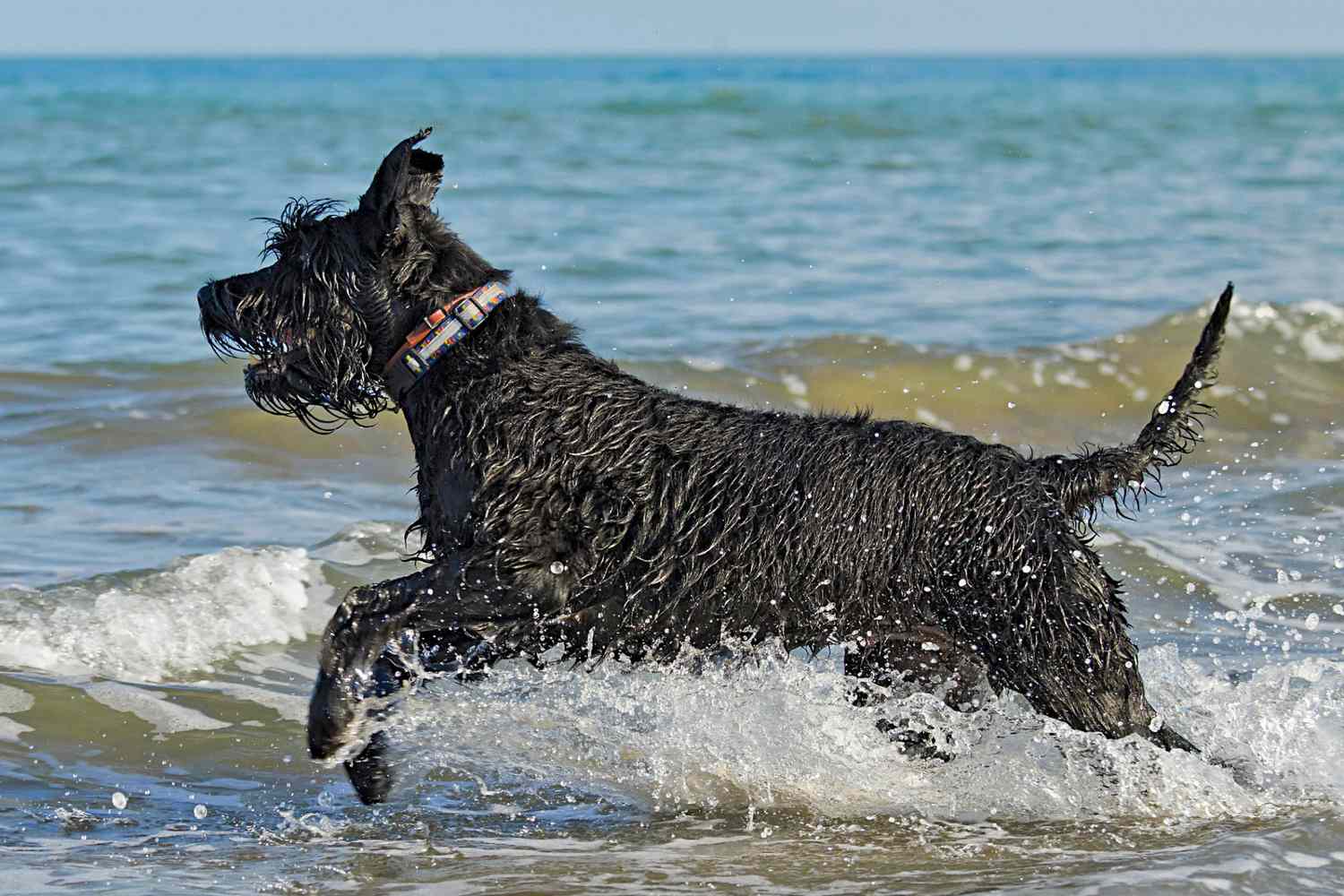
Giant Schnauzers require at least 60 to 90 minutes of exercise each day. This should include walks, playtime, and mental stimulation to keep them physically and mentally fit. Engaging them in activities like agility or obedience training can also be beneficial.
“Giant Schnauzer Dog Breed Information …” from www.dailypaws.com and used with no modifications.
What are common health issues in Giant Schnauzers?
Common health issues in Giant Schnauzers include hip dysplasia, bloat, and certain eye conditions. Regular veterinary check-ups, a balanced diet, and maintaining a healthy weight can help prevent or manage these issues.
Is a Giant Schnauzer suitable for apartment living?
While Giant Schnauzers can adapt to apartment living, they are best suited for homes with a yard where they can exercise and play. If living in an apartment, owners must commit to providing ample outdoor exercise and mental stimulation to prevent boredom and destructive behavior.
How long do Giant Schnauzers typically live?
Giant Schnauzers have a lifespan of around 10 to 12 years. With proper care, including a healthy diet, regular exercise, and routine veterinary care, they can enjoy a long, healthy life.