Key Takeaways
- The Pharaoh Hound is an ancient breed with origins dating back to ancient Egypt, though it was developed and preserved in Malta for centuries.
- Known as “the blushing dog,” Pharaoh Hounds have the unique ability to blush when excited, with their ears and nose turning a rosy pink color.
- Despite their noble appearance, these dogs are playful, affectionate companions that form strong bonds with their families.
- Pharaoh Hounds require significant exercise and mental stimulation due to their heritage as hunting dogs with high prey drive.
- As a rare breed with fewer than 200 puppies registered annually in the US, finding a Pharaoh Hound puppy typically requires patience and connection with reputable breeders.
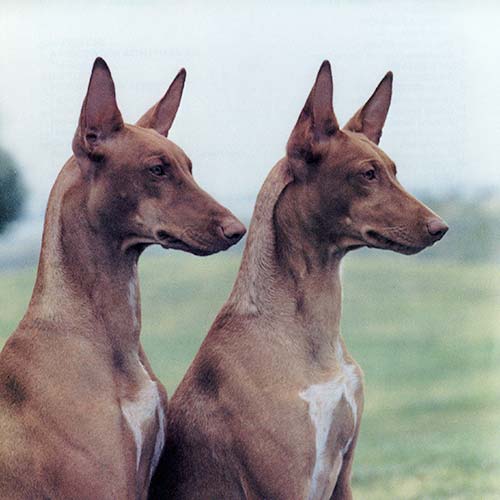
Elegant, athletic, and intelligent – the Pharaoh Hound stands as a living testament to ancient breeding practices. This remarkable breed captures attention with its sleek silhouette, expressive amber eyes, and distinctive rose-colored ears. According to the American Kennel Club, these noble companions combine the dignified bearing of their ancient heritage with a surprisingly playful and affectionate temperament.
Whether you’re considering adding this rare breed to your family or simply fascinated by its unique characteristics, this comprehensive guide will walk you through everything you need to know about the captivating Pharaoh Hound.
“Pharaoh Hound Dog Breed Information” from www.akc.org and used with no modifications.
Pharaoh Hound: Quick Facts and Key Traits
Before diving into the details, let’s look at the defining characteristics that make the Pharaoh Hound such a special breed. Standing 21-25 inches tall at the shoulder and weighing between 45-55 pounds, these medium-sized dogs possess a graceful, athletic build perfectly suited for their original purpose as rabbit hunters. Their short, glossy coat typically comes in rich tan to chestnut colors with possible white markings on the chest, toes, and tail tip. Perhaps most striking are their large, pointed ears that stand erect and their intelligent, amber-colored eyes that convey an alert, engaged expression.
|
Characteristic |
Description |
|---|---|
|
Size |
Medium (21-25 inches tall, 45-55 pounds) |
|
Coat |
Short, fine, glossy |
|
Color |
Tan to chestnut red with possible white markings |
|
Lifespan |
12-14 years |
|
Temperament |
Intelligent, playful, independent, sensitive |
|
Exercise Needs |
High (60+ minutes daily) |
|
Trainability |
Moderate (intelligent but independent) |
Origin and Historical Background
The Pharaoh Hound’s history is as fascinating as the breed itself, spanning thousands of years and multiple civilizations. Understanding their origins helps explain many of their distinctive physical and behavioral traits that persist to this day.
Ancient Egyptian Roots
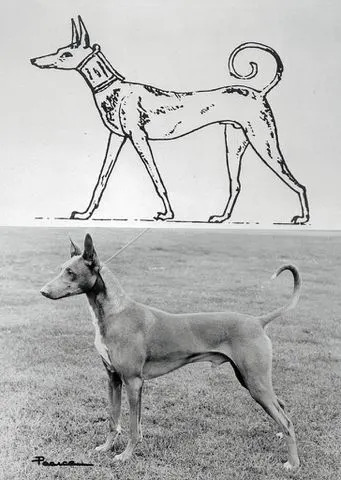
While definitive DNA evidence is still evolving, the Pharaoh Hound’s lineage is traditionally traced back to ancient Egypt, where dogs remarkably similar in appearance were depicted in tomb paintings and hieroglyphics dating as far back as 4000-3000 BCE. These sleek, prick-eared hunting dogs were highly valued by Egyptian nobility for their hunting prowess and regal appearance. Archaeological findings show these dogs were so revered that they were sometimes mummified and entombed alongside their owners, reflecting their status as cherished companions even in the afterlife.
The ancient Egyptians bred these dogs specifically for their hunting abilities, particularly their keen sight, scent, and hearing – traits that remain evident in today’s Pharaoh Hounds. These sighthounds were primarily used to chase and capture small game like rabbits across the desert terrain, using their exceptional speed and agility to their advantage.
“The Pharaoh Hound represents one of the few ancient dog breeds that has remained relatively unchanged over millennia. Looking at a modern Pharaoh Hound is like gazing through a window into ancient Egypt.” – Dr. James Serpell, Professor of Ethics & Animal Welfare, University of Pennsylvania School of Veterinary Medicine
“Pharaoh Hound: Dog Breed …” from www.yahoo.com and used with no modifications.
Migration to Malta and Modern Resurgence
The journey of the Pharaoh Hound from Egypt to its eventual stronghold in Malta remains somewhat mysterious, though most historians believe Phoenician traders transported these valuable hunting dogs across the Mediterranean around 800-600 BCE. On the rocky, rabbit-rich island of Malta, the breed found a perfect environment to thrive and became an integral part of Maltese culture and rural life. Known locally as the “Kelb tal-Fenek” (rabbit dog), these hounds were primarily working dogs used by farmers and hunters for centuries.
Remarkably, the breed remained relatively isolated on Malta until the mid-20th century, preserving its ancient characteristics with minimal outside influence. This isolation helped maintain the breed’s distinctive appearance and hunting instincts. The modern recognition of the Pharaoh Hound began in the 1960s when British enthusiasts began importing them from Malta and established breeding programs. The breed was officially recognized by the British Kennel Club in 1974 and later by the American Kennel Club in 1983.
Today, the Pharaoh Hound is celebrated as the National Dog of Malta, where it continues to be used for traditional rabbit hunting. The Maltese government has taken steps to protect this living cultural heritage, recognizing the breed’s historical significance and working to preserve its traditional working abilities alongside its role as a companion animal.
Unique Naming and Identification
The Pharaoh Hound’s distinctive name and appearance make it one of the most recognizable ancient breeds. Understanding how they got their name and their unique identifying features helps appreciate what sets these dogs apart from other sighthounds.
Origin of the Name “Pharaoh Hound”
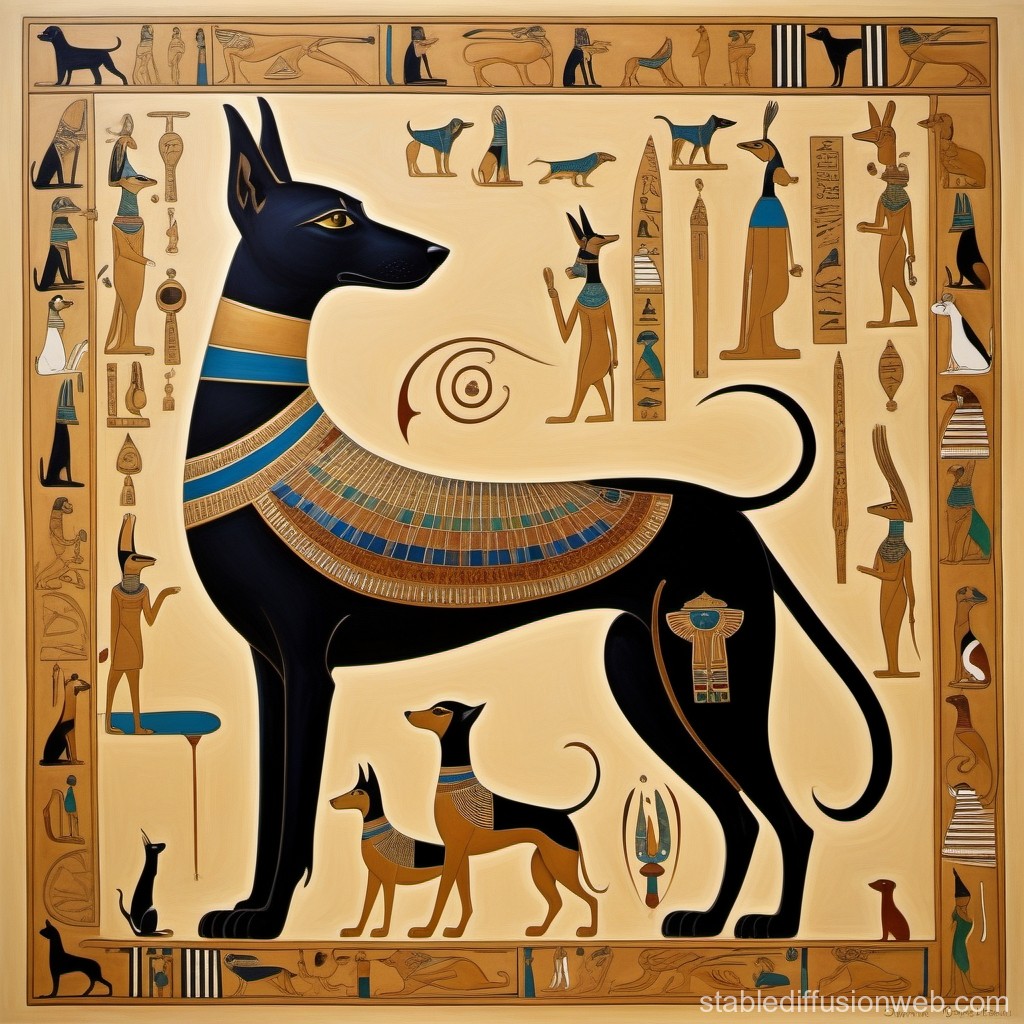
Despite being known in Malta for centuries as the “Kelb tal-Fenek” (rabbit dog), the breed acquired its more regal-sounding name when it was introduced to the United Kingdom in the 1960s. British breeders and enthusiasts coined the name “Pharaoh Hound” based on the breed’s presumed connection to ancient Egyptian dogs and its striking resemblance to images found in Egyptian tombs. The name effectively captures the breed’s noble bearing and ancient heritage, though it’s worth noting that Maltese traditionalists still prefer the original name that reflects the dog’s practical hunting purpose.
The duality in naming represents the two sides of the Pharaoh Hound’s identity—an ancient, aristocratic companion and a practical, efficient hunting dog. This blend of nobility and functionality defines much of the breed’s character and appeal to this day.
“Ancient Egyptian Canine | Stable …” from stablediffusionweb.com and used with no modifications.
Distinguishing Physical Features
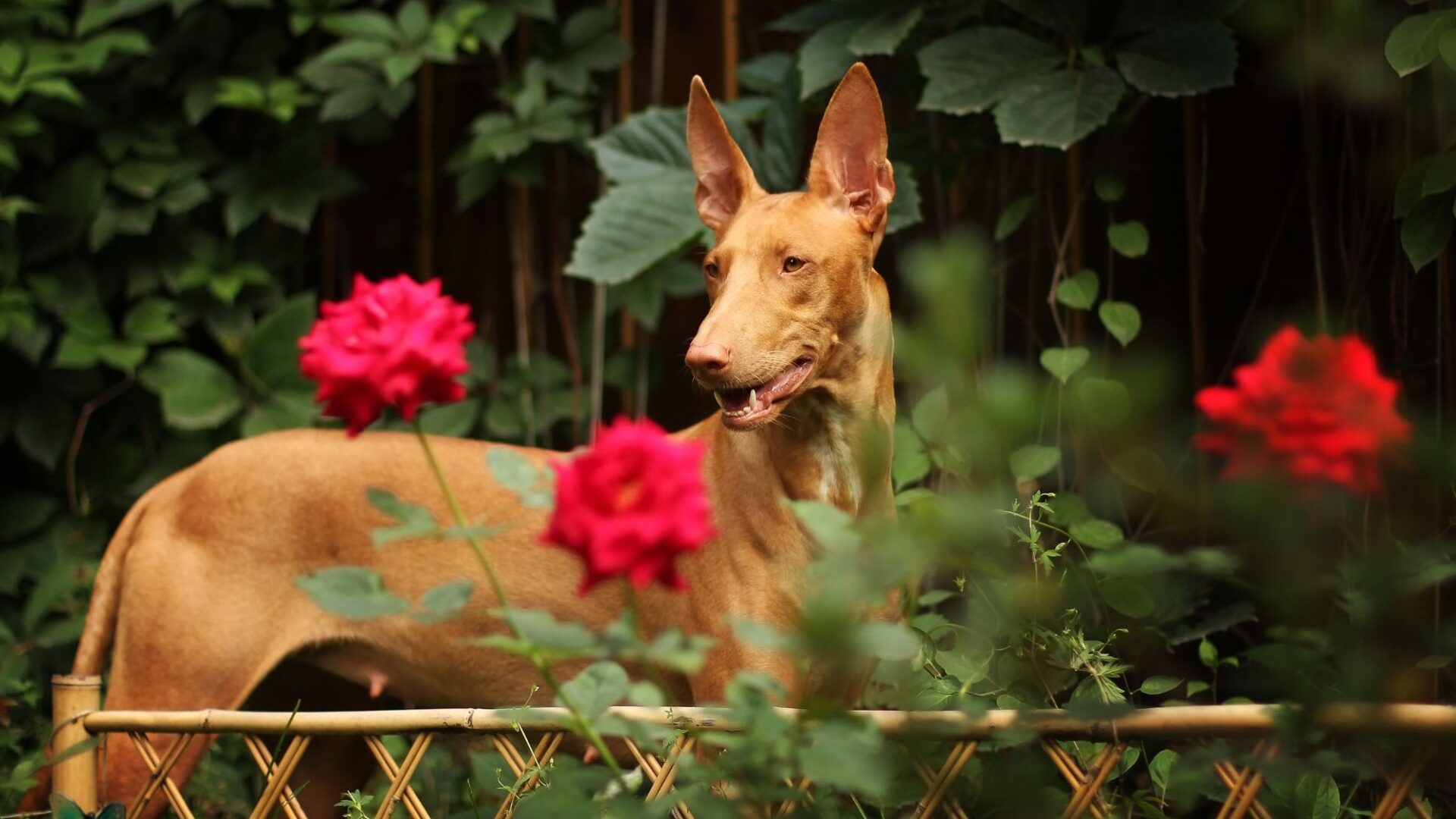
Identifying a Pharaoh Hound is relatively straightforward due to their distinctive appearance. Their most notable features include their large, erect ears that are remarkably mobile and expressive, often described as being similar to those of the ancient Egyptian god Anubis. Their lean, muscular build creates an elegant silhouette with a distinct tucked-up abdomen and a long, whip-like tail that curves slightly when the dog is in motion.
The Pharaoh Hound’s coat is short, glossy, and fine-textured, ranging from tan to chestnut red, sometimes with white markings on the chest, toes, and tail tip. Their eyes are typically amber-colored and almond-shaped, giving them an alert, intelligent expression. The overall impression is one of speed, power, and grace—a true athlete designed for swift pursuit across challenging terrain.
Why It’s Known as the “Blushing Dog”
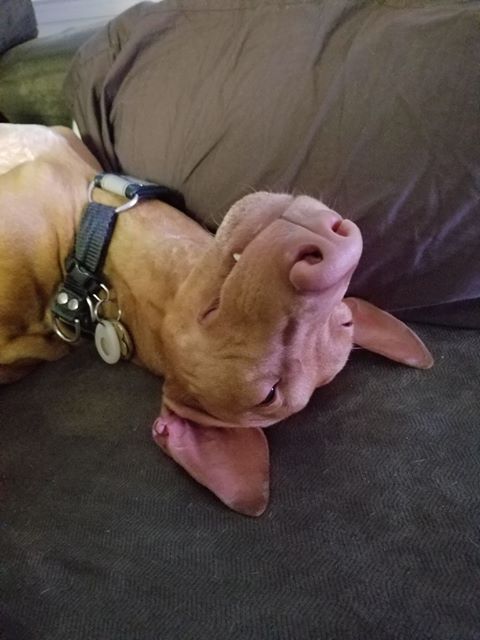
Perhaps the most endearing and unique identifying characteristic of the Pharaoh Hound is its ability to “blush” when excited or happy. This unusual trait has earned them the nickname “the blushing dog.” When stimulated or experiencing joy, the Pharaoh Hound’s nose and ears can turn a rosy pink color due to increased blood flow to these areas. This visible display of emotion makes these dogs particularly expressive and adds to their charm.
“A Need to Blush?” from nationalpurebreddogday.com and used with no modifications.
This blushing phenomenon is relatively rare in the canine world and serves as a delightful visual indicator of the dog’s emotional state. Owners often report that their Pharaoh Hounds blush when greeting family members, during play sessions, or when anticipating a favorite activity. This unique trait allows for a special kind of non-verbal communication between the dog and its human companions. For more insights on how dogs communicate, check out this article on dog socialization and emotional well-being.
Rarity and Cost
The Pharaoh Hound remains one of the rarer dog breeds worldwide, which significantly impacts both their availability and price. Understanding their rarity helps prospective owners set realistic expectations about the process of finding and acquiring one of these special dogs. For those interested in learning about other rare breeds, here’s an expert interview on Brittany dogs.
Current Breed Population
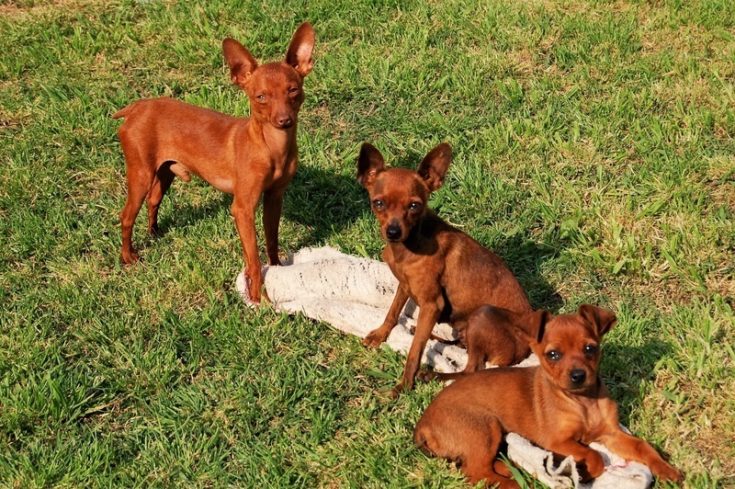
Despite their ancient lineage, Pharaoh Hounds have never been numerous compared to more popular breeds. In the United States, the American Kennel Club typically registers fewer than 200 Pharaoh Hound puppies annually, placing them in the bottom 10% of breed popularity rankings. Their numbers remain similarly low in other countries outside of Malta, where they continue to have a more established presence due to their cultural significance and working role.
This rarity means that prospective owners often face waiting lists when seeking a puppy from reputable breeders. It’s not uncommon for interested individuals to wait 6-12 months or longer for a puppy to become available. The limited population also means that breed rescue organizations seldom have Pharaoh Hounds available for adoption, though checking with sighthound rescue groups can occasionally yield results for those patient enough to wait.
“Pharaoh Hound Dog Breed Info: Pictures …” from articles.hepper.com and used with no modifications.
Factors Influencing Price
Due to their rarity, specialized breeding requirements, and limited gene pool, Pharaoh Hounds typically command higher prices than more common breeds. In the United States, prices for puppies from reputable breeders generally range from $1,800 to $2,500, though they can go higher for puppies from championship lines or with exceptional conformation. These prices reflect not only the breed’s rarity but also the considerable care and expertise required to maintain healthy breeding programs with such limited genetic diversity.
Additional factors that influence price include geographical location, breeder reputation, health testing performed on the parents, and whether the puppy is considered show quality or companion quality. Prospective owners should be wary of prices significantly below the typical range, as these may indicate breeding practices that prioritize profit over health and temperament—critical considerations for a breed with such a limited gene pool.
The long-term costs of owning a Pharaoh Hound should also be considered. While they are generally healthy dogs, their energetic nature requires investment in quality nutrition, proper containment (secure fencing is essential), enrichment activities, and routine veterinary care. These ongoing expenses are part of responsible ownership and should be factored into the decision to bring one of these special dogs into your home.
Personality and Compatibility
Beneath their regal exterior, Pharaoh Hounds possess a fascinating blend of personality traits that make them unique companions. They combine the independence typical of sighthounds with a surprising affection for their human family members. Understanding their temperament is essential for determining whether this ancient breed might be compatible with your lifestyle and household dynamics.
Temperament with Humans
Pharaoh Hounds form deep, loyal bonds with their human families while maintaining a characteristic sighthound independence. They are typically gentle, affectionate, and sensitive dogs that enjoy physical closeness with their people, often seeking out laps for cuddles despite their medium size. Unlike some breeds that focus solely on one person, they generally spread their affection throughout the family, though they may show subtle preferences.
Pharaoh Hounds possess a playful, sometimes silly side that contrasts charmingly with their dignified appearance. Many owners describe their Pharaoh Hounds as having two modes: the elegant, poised dog that draws admiration in public, and the goofy, exuberant companion that emerges at home. This duality makes them endlessly entertaining companions who can adapt to both formal occasions and casual family fun.
While devoted to their families, Pharaoh Hounds typically display reserve with strangers—not out of aggression but from a natural caution that’s deeply ingrained in the breed. Early, positive socialization helps them develop appropriate confidence around new people, though many maintain a dignified aloofness until they decide someone is worthy of their attention.
Interaction with Children
With proper introduction and supervision, Pharaoh Hounds can make wonderful companions for children. Their playful nature and moderate energy levels in the home (when adequately exercised) can make them good playmates. They typically show patience with respectful children and seem to intuitively understand the need for gentleness around smaller humans.
However, their sensitivity means they may become overwhelmed by very rough handling or excessive noise. Children should be taught to respect the dog’s space and signals that they need a break. The ideal situation involves children old enough to understand appropriate interaction with dogs, though Pharaoh Hounds can adapt to families with younger children when proper supervision and boundaries are maintained. For families interested in similar breeds, the Ibizan Hound is worth considering.
It’s worth noting that the strong prey drive of this breed means they should always be supervised around very small children who move quickly or make high-pitched sounds, as these might occasionally trigger chase instincts. This is rarely problematic in dogs raised with children but remains an important consideration for safety.
“Pharaoh Hound Dog Breed …” from www.prettyopinionated.com and used with no modifications.
Compatibility with Other Pets Including Cats
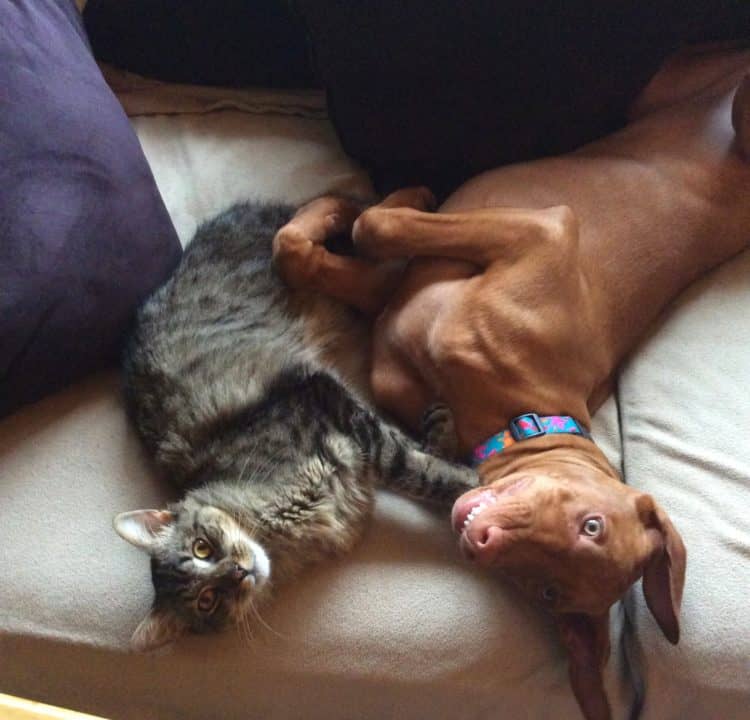
As dedicated hunters for thousands of years, Pharaoh Hounds possess a strong prey drive that can impact their relationships with other pets, particularly smaller animals. However, early socialization can make a tremendous difference in how they interact with other household members. Pharaoh Hounds raised from puppyhood with cats often learn to accept them as family rather than prey, though supervision is always recommended, especially with new or unfamiliar cats.
With other dogs, Pharaoh Hounds typically do well, particularly when socialized from a young age. They tend to be non-aggressive and enjoy canine companionship, often benefiting from having another dog in the household to provide companionship and play. Their play style involves a lot of running and chasing, which is most compatible with dogs that enjoy similar activities.
Small pets like rabbits, guinea pigs, or hamsters present a significant challenge, as these animals closely resemble the natural prey of Pharaoh Hounds. Even with extensive training, most Pharaoh Hounds cannot reliably overcome their instinct to chase small, fast-moving animals. Households with such pets should consider separate, secure living spaces and supervised interaction if contemplating adding a Pharaoh Hound to their family.
- Excellent with properly introduced cats when raised together from puppyhood
- Generally compatible with other dogs of similar size and energy level
- Not recommended for households with small mammals like rabbits or hamsters
- Can adapt to birds in secure cages but should never be left unsupervised around them
- May need gradual introduction to resident pets with careful management
Ideal Family Dog Attributes
Many prospective dog owners wonder whether the Pharaoh Hound would make a good family companion. The answer depends largely on the family’s lifestyle, living situation, and expectations. Understanding both the advantages and challenges of bringing this ancient breed into your home can help determine if they’re the right fit for your family.
Pharaoh Hounds thrive in active households where they receive ample exercise, mental stimulation, and consistent training. Their natural intelligence, combined with their desire to please their humans, creates a foundation for successful family integration when their needs are properly met.
Pros as a Family Companion
Pharaoh Hounds bring numerous positive qualities to family life. Their clean, short coat sheds minimally and produces little “dog odor,” making them excellent choices for households concerned about allergies or cleanliness. They’re known for their house-training aptitude, typically learning quickly where to eliminate and maintaining clean habits throughout their lives. For more information on the breed’s characteristics, check out this Pharaoh Hound dog breed profile.
Another advantage is their moderate energy level indoors. While they require significant exercise daily, Pharaoh Hounds typically settle down at home, often described as “couch potatoes” once their activity needs are met. This balanced energy makes them adaptable to family routines, equally content to join an outdoor adventure or cuddle during movie night.
Their natural alertness without excessive barking strikes another positive balance. Pharaoh Hounds will typically alert their families to unusual activity but don’t tend to bark unnecessarily, making them good neighbors even in closer living situations. Their long lifespan of 12-14 years also means they can grow up alongside children, becoming lifelong companions. For those interested in similar breeds, the Ibizan Hound offers another fascinating option.
“Pharaoh Hound: An Elegant Mix of Grace …” from pethelpful.com and used with no modifications.
Challenges and Considerations
Despite their many positive attributes, Pharaoh Hounds present certain challenges that families should carefully consider. Their strong prey drive means they require secure containment at all times – a fenced yard with at least 5-6 foot fencing is essential, as they can easily clear lower barriers when motivated by the sight of potential prey. This same prey drive makes reliable off-leash recall difficult to achieve, meaning they typically can’t be trusted off-leash in unfenced areas regardless of training. If you’re interested in similar breeds, you might want to explore the Ibizan Hound, which shares some characteristics with the Pharaoh Hound.
Pharaoh Hounds are also known for their sensitivity. Harsh training methods or chaotic environments can cause stress and anxiety in these dogs. They respond best to positive reinforcement training and consistency, requiring a family willing to use patient, gentle approaches to behavior guidance. Their intelligence sometimes manifests as stubbornness or selective hearing, particularly during adolescence, requiring perseverance from their human trainers. For more insights on similar breeds, check out this Ibizan Hound expert interview.
The rarity of the breed presents practical challenges as well. Finding experienced veterinarians, trainers, or groomers familiar with the breed’s specific needs can be difficult in some areas. Additionally, their uncommon appearance draws attention in public, which means frequent interruptions during outings as curious strangers ask questions – a consideration for families who prefer more anonymity in their daily activities.
Care Tips and Suitable Lifestyle
Caring for a Pharaoh Hound requires understanding their specific needs and creating a lifestyle that accommodates their natural tendencies. While not overly demanding compared to some breeds, they do have particular requirements for optimal health and happiness that prospective owners should carefully consider.
Exercise Requirements
Pharaoh Hounds need significant daily exercise to maintain physical and mental health. A minimum of 60 minutes of activity daily is recommended, ideally including opportunities to run safely in a secure area. These dogs were bred to run and chase, and denying them this outlet can lead to frustration and behavior problems.
Ideal exercise options include secured dog parks, play sessions in a well-fenced yard, or structured activities like lure coursing, which taps into their natural hunting instincts in a controlled environment. Leashed walks, while necessary for mental stimulation and bathroom breaks, generally don’t provide sufficient physical exercise on their own. Pharaoh Hounds typically enjoy varied activities including hiking (on leash), jogging alongside their owners, and interactive play sessions.
Mental stimulation is equally important for this intelligent breed. Puzzle toys, training sessions, nosework, and varied walking routes help keep their minds engaged and prevent boredom. A bored Pharaoh Hound may become destructive or develop nuisance behaviors like excessive digging or escape attempts.

“Beautiful Dog Pharaoh Hound Plays …” from www.shutterstock.com and used with no modifications.
Grooming Needs
One of the Pharaoh Hound’s most appealing characteristics for many owners is their minimal grooming requirements. Their short, glossy coat needs only occasional brushing with a soft brush or hound glove to remove loose hair and distribute natural oils. Bathing is rarely necessary unless they get particularly dirty, with many owners finding that 3-4 baths annually is sufficient to keep them clean and odor-free.
Regular nail trimming is important, as many Pharaoh Hounds don’t naturally wear down their nails through exercise. Weekly checks of ears, eyes, and teeth should be part of the routine care regimen, with teeth brushing ideally performed several times weekly to prevent dental issues. Their sensitive skin can occasionally develop irritations or allergic reactions, so monitoring for any redness, excessive scratching, or hair loss is advisable.
In cold weather, Pharaoh Hounds often need additional protection due to their short coat and low body fat. Many owners invest in dog sweaters or coats for winter walks, and some find that booties help protect sensitive paw pads from ice, snow, and road salt. Conversely, their tan coloring can make them susceptible to sunburn in very sunny conditions, particularly on their nose, ear tips, and any areas with thinner hair coverage.
“Pharaoh Hound cuddle time.” from www.pinterest.com and used with no modifications.
Household Environment Suitability
The ideal home environment for a Pharaoh Hound includes secure outdoor space where they can safely run and play. A well-fenced yard with fencing at least 5-6 feet tall is highly recommended, as these athletic dogs can easily clear lower barriers, especially when motivated by potential prey outside the fence line. Some owners find that adding an inward-facing angle at the top of the fence provides additional security.
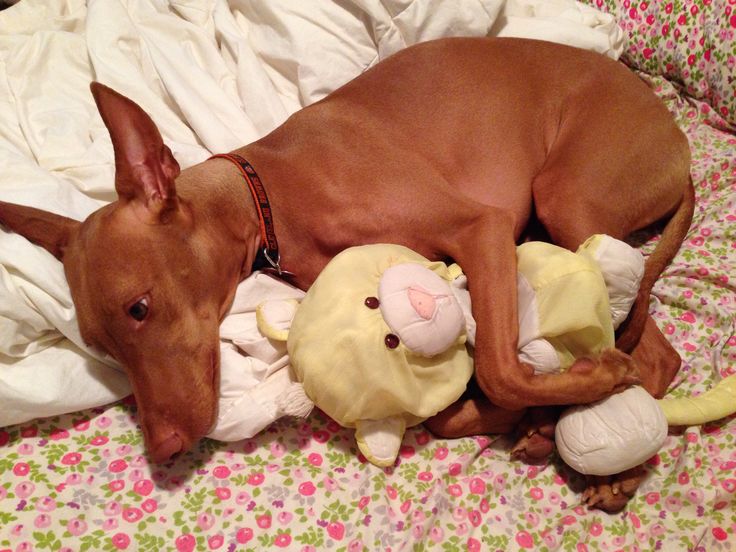
Inside the home, Pharaoh Hounds appreciate comfortable resting places where they can stretch out fully. They typically enjoy a combination of soft bedding and elevated positions that allow them to monitor household activities. While generally not destructive when properly exercised, young Pharaoh Hounds should be supervised and provided with appropriate chew toys during their developmental stages.
Climate considerations are important for this breed. Their Mediterranean heritage makes them well-adapted to warm weather, but their short coat provides little protection against cold. They typically do best in moderate to warm climates or in households willing to accommodate their temperature sensitivity with appropriate clothing and limited exposure during extreme weather. Many Pharaoh Hounds particularly dislike rain and may need encouragement to go outside during wet weather.
Comparison with Similar Breeds
For prospective owners considering a Pharaoh Hound, it’s helpful to understand how they compare to similar sighthound breeds. While these dogs share certain characteristics, including athletic builds and hunting backgrounds, each breed has distinct traits that might make them more or less suitable for particular households.
These comparisons can help potential owners refine their search if they’re drawn to the sighthound type but aren’t certain which specific breed would best match their lifestyle. Understanding the nuances between these similar-looking breeds can lead to a more successful long-term match.
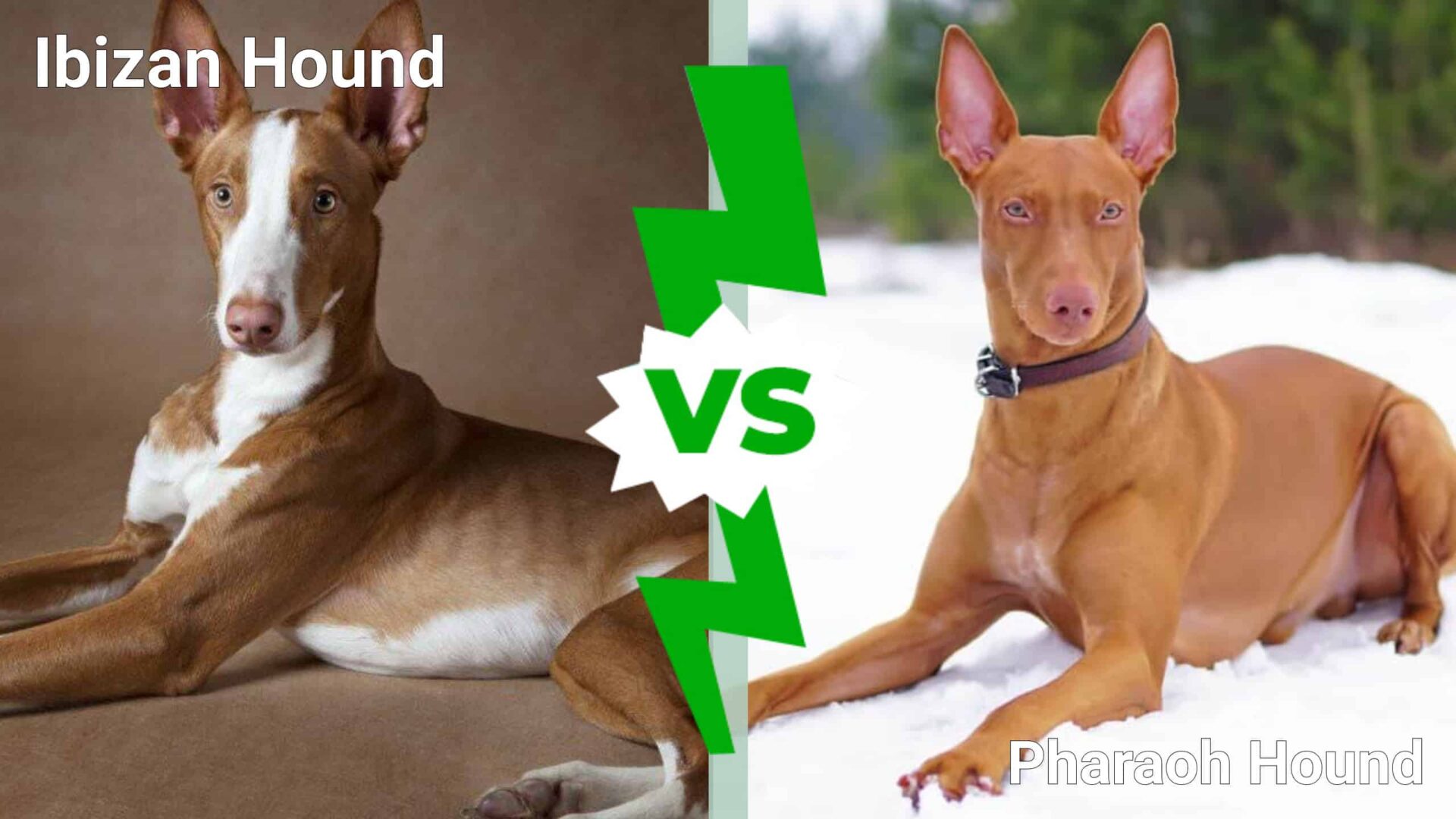
“Ibizan Hound vs Pharaoh Hound: 6 Key …” from a-z-animals.com and used with no modifications.
Ibizan Hound
The Ibizan Hound shares many physical similarities with the Pharaoh Hound, including the distinctive large, erect ears and lean body structure. Both breeds have ancient Mediterranean origins and were developed for hunting small game. However, Ibizan Hounds are typically slightly larger, standing 22-28 inches at the shoulder compared to the Pharaoh Hound’s 21-25 inches. The Ibizan also comes in more color variations, including white and red patterns, while Pharaoh Hounds are consistently tan to chestnut red.
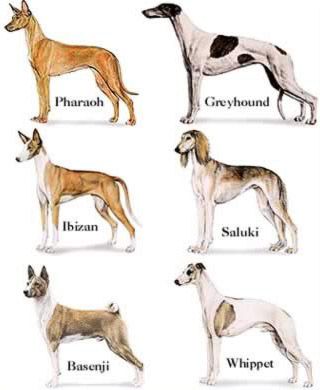
“dog breeds derived from Egyptian dogs” from www.pinterest.com and used with no modifications.
Greyhound
While Greyhounds share the Pharaoh Hound’s sighthound classification and hunting background, they differ significantly in appearance and temperament. Greyhounds are larger, with males typically weighing 65-70 pounds compared to the Pharaoh Hound’s 45-55 pounds. They also have a distinctive curved spine and deep chest that creates a different silhouette from the more moderate build of the Pharaoh Hound. Temperamentally, Greyhounds tend to be even more laid-back indoors than Pharaoh Hounds, often described as “45 mph couch potatoes,” while Pharaoh Hounds generally maintain more playfulness and energy throughout their lives.
Whippet
Whippets represent a smaller sighthound option, typically weighing 25-40 pounds compared to the medium-sized Pharaoh Hound. While both breeds share athletic ability and a strong prey drive, Whippets tend to be more subdued and less independent than Pharaoh Hounds. Their appearance differs significantly as well—Whippets have rose-shaped ears that fold back against their head rather than the upright ears that characterize the Pharaoh Hound. Whippets are also more common and widely available, ranking much higher in popularity lists than the rare Pharaoh Hound, which means shorter waiting lists and generally lower purchase prices for prospective owners.
Frequently Asked Questions
Prospective Pharaoh Hound owners often have specific questions about this unique breed. Addressing these common concerns can help set realistic expectations and prepare future owners for the realities of living with this ancient breed.
The following questions represent those most frequently asked by people considering adding a Pharaoh Hound to their family, with answers based on breed standard information, expert opinions, and the experiences of long-term owners.
Are Pharaoh Hounds good guard dogs?
Pharaoh Hounds are alert and will typically bark to announce the presence of strangers, making them effective watchdogs. Their distinctive bark, often described as a sharp, piercing sound, serves as an excellent alerting system. However, they generally lack the aggressive protective instinct that characterizes true guard dogs.
After the initial alert, most Pharaoh Hounds are more likely to observe visitors with polite reserve rather than display threatening behavior. Their natural caution around strangers means they rarely welcome intruders enthusiastically, but they also rarely show aggression without serious provocation. Those seeking a dedicated guard dog would likely be better served by breeds specifically developed for protection work.
How much exercise does a Pharaoh Hound need daily?
Pharaoh Hounds require approximately 60-90 minutes of exercise daily, ideally including opportunities for running in a secure area. These dogs were bred for speed and endurance, and their physical and mental well-being depends on adequate outlets for these natural abilities. Without sufficient exercise, they may develop destructive behaviors, excessive barking, or anxiety.
The exercise routine should be varied to provide mental as well as physical stimulation. A combination of leashed walks, play sessions, training activities, and opportunities to run safely helps create a well-balanced routine. Young Pharaoh Hounds (under two years) typically need more frequent exercise sessions, while mature dogs may settle into a more predictable rhythm with one or two significant exercise periods daily.
It’s worth noting that while Pharaoh Hounds need considerable exercise, they’re also known for their ability to relax completely at home after their activity needs are met. This adaptability makes them more versatile companions than some might expect from a hunting breed with their energy level.
Do Pharaoh Hounds adapt well to apartment living?
With certain accommodations, Pharaoh Hounds can adapt to apartment living, though it requires significant commitment from their owners. Their relatively quiet nature (they bark selectively rather than continuously) and clean habits make them better apartment residents than many breeds of similar size. Additionally, they typically settle down indoors when their exercise needs are met, rather than pacing or remaining active throughout the day.
However, apartment-dwelling Pharaoh Hounds need daily access to secure running areas, which means owners must commit to regular trips to dog parks or other fenced spaces where the dogs can safely run off-leash. They also benefit from more frequent shorter walks throughout the day to compensate for the lack of a yard. Potential owners living in apartments should consider their proximity to suitable exercise areas and their ability to maintain a consistent exercise schedule before committing to this breed.
Is this breed suitable for first-time dog owners?
The Pharaoh Hound presents certain challenges that might make them difficult for first-time dog owners, though much depends on the individual’s commitment to research, training, and meeting the breed’s needs. Their independent nature, strong prey drive, and occasional stubbornness require consistent, patient training approaches that might frustrate novice owners expecting quick results. For those interested in learning more about dog breeds and their specific needs, consider reading this Keeshond dog breed expert interview for additional insights.
That said, their intelligence, cleanliness, and affectionate nature can make them rewarding companions for first-time owners who are willing to educate themselves thoroughly about sighthound characteristics and commit to positive reinforcement training methods. Prospective first-time owners would benefit from connecting with breed clubs, experienced owners, or reputable breeders who can provide mentorship and support throughout the dog’s life. Working with trainers familiar with sighthounds is also highly recommended.
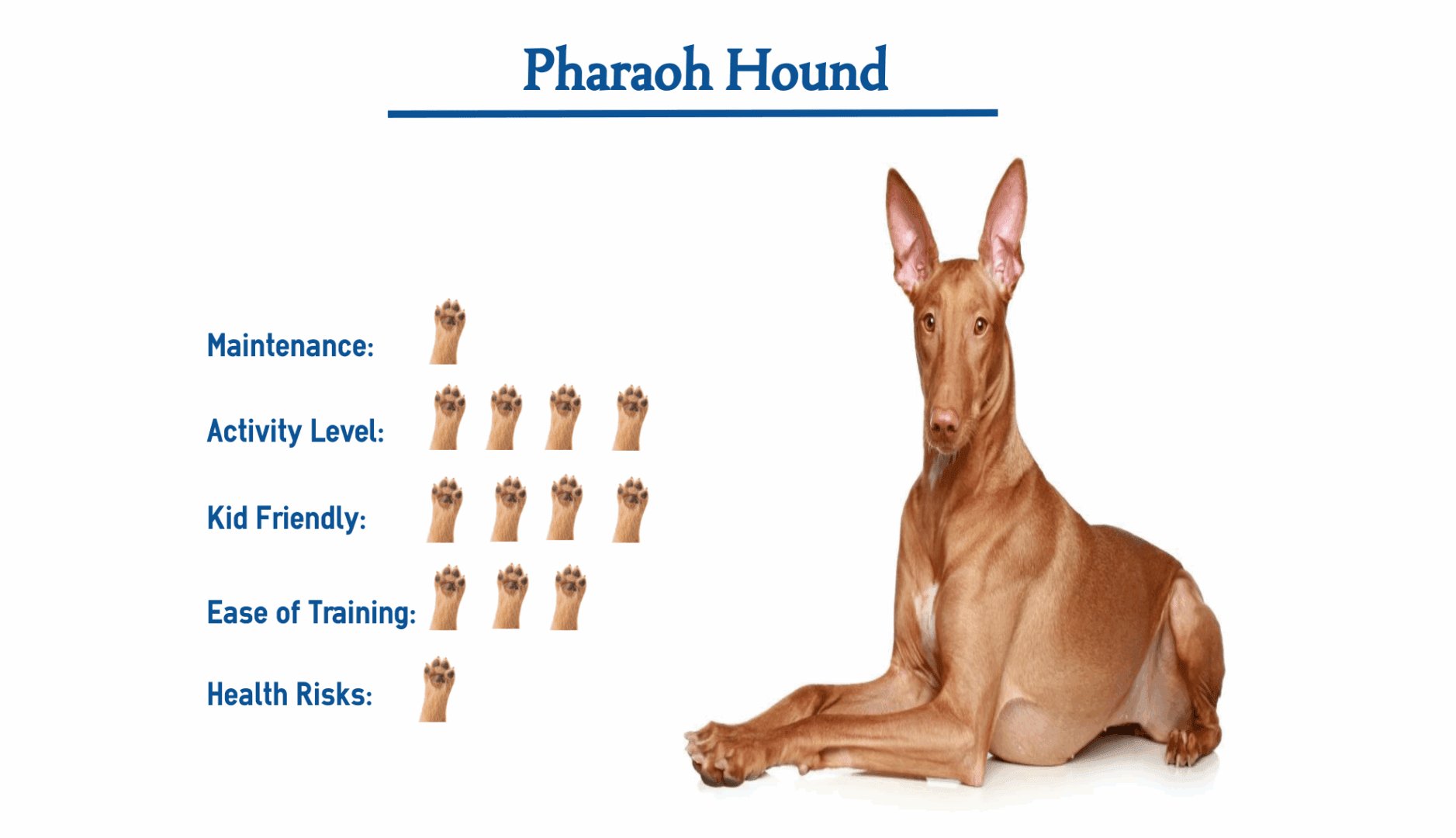
“The Pharaoh Hound Dog Breed …” from indulgeyourpet.com and used with no modifications.
What health concerns should I be aware of with Pharaoh Hounds?
Pharaoh Hounds are generally healthy dogs with relatively few breed-specific health concerns, which contributes to their longevity of 12-14 years. However, like all purebred dogs, they have some genetic predispositions that potential owners should be aware of. These include sensitivity to anesthesia (common in sighthounds), various eye conditions including progressive retinal atrophy, and occasional thyroid issues.
“The Pharaoh Hound’s ancient lineage has contributed to a generally robust constitution, but their specialized physical characteristics, particularly their low body fat and unique metabolism, require veterinary awareness of sighthound-specific protocols, especially regarding anesthesia and medication dosing.” – Veterinary Specialist in Sighthound Medicine
Responsible breeders perform health testing on breeding stock, including eye examinations, thyroid testing, and cardiac evaluations. Prospective owners should request documentation of these tests when considering a puppy. Regular veterinary care, including annual checkups, helps catch any developing issues early. It’s also advisable to find a veterinarian with experience treating sighthounds, as their unique physiology sometimes requires adjustments to standard treatment protocols.
While Pharaoh Hounds may not be the most common dog breed, their unique blend of ancient heritage, striking appearance, and affectionate temperament makes them treasured companions for those fortunate enough to share their lives with them. Their adaptability allows them to excel in various roles from competitive sports to therapy work, while their loyal nature makes them devoted family members.
Understanding the specific needs, challenges, and joys of Pharaoh Hound ownership helps ensure a successful match between these special dogs and their human families. For those willing to accommodate their exercise requirements and respect their sighthound nature, Pharaoh Hounds offer a unique connection to canine history alongside the timeless rewards of canine companionship.