Key Takeaways
- Families often delay exploring senior living due to emotional hesitation and unfamiliarity
- Pet-friendly environments can make initial visits feel more natural and less intimidating
- Casual, real-world experiences help families engage earlier—before decisions feel urgent
- Comfort and familiarity influence willingness to explore options over time
- Ongoing, everyday exposure builds trust more effectively than formal tours alone
Why Do Families Delay Exploring Senior Living—and What Helps Them Start Earlier?
Families often delay exploring senior living until a health event or urgent need forces a decision. This isn’t just about timing—it’s about perception. For many, senior living feels unfamiliar and emotionally loaded, which makes early exploration easy to avoid.
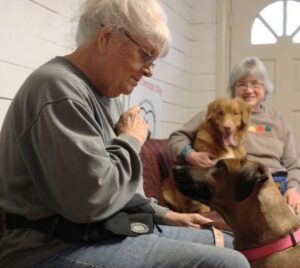
Pet-friendly environments can lower that barrier. When a community feels more natural and less clinical, families are more willing to visit, observe, and engage—long before decisions feel urgent.
The Role of Early, Low-Pressure Exposure
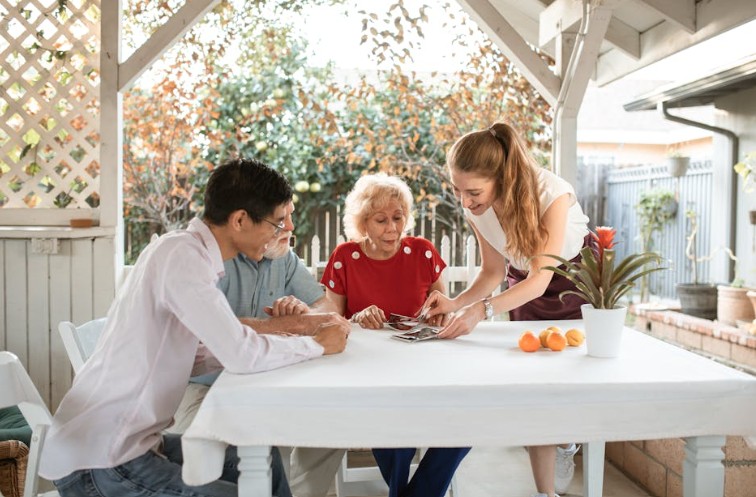
Earlier exposure can make a meaningful difference. When families encounter senior living environments in a more casual, low-pressure way, it reduces the emotional weight associated with the experience.
Instead of evaluating a major life decision, they are simply becoming familiar with a space. That distinction matters. Familiar environments feel safer, easier to return to, and less overwhelming over time.
Creating opportunities for this kind of early, non-transactional exposure helps shift senior living from something to avoid into something that can be gradually understood.
How Pet-Friendly Environments Change Perception
Pet-friendly environments can play a unique role in that shift. The presence of pets introduces a sense of normalcy that makes spaces feel more like everyday living environments rather than institutional settings.
Seeing residents interacting with pets—walking a dog, sitting with a cat, or simply sharing space—adds a layer of familiarity that can ease initial discomfort. For families visiting for the first time, these small moments help reframe what life in the community might actually look like.
Instead of focusing on what might be lost, the environment begins to reflect continuity with routines and relationships that already matter.
From Formal Tours to Real-World Experiences
There is a clear difference between structured tours and organic, real-world experiences. Tours are designed to present information, but they can also feel staged and decision-oriented.
By contrast, casual visits—whether through everyday interactions or low-key community experiences—allow families to observe how a space functions naturally. They can see how residents move through their day, how shared spaces are used, and how the environment feels in practice.
This kind of exposure builds comfort in a way that formal presentations often cannot.
How Comfort Influences Decision-Making Over Time
Comfort is not created in a single visit. It develops gradually, through repeated exposure and positive experiences.
When families feel more at ease in a space, they are more likely to return, ask questions, and consider it as a future option. The environment becomes familiar rather than intimidating, and the idea of senior living shifts from abstract to tangible.
This process helps reduce the likelihood of reactive, crisis-driven decisions. Instead, families are better positioned to explore options thoughtfully and on their own timeline.
Building Awareness Before the Need Arises
Early, experience-based exposure also builds awareness before a decision is necessary. Even if a family is not actively looking for senior living, positive interactions with a community can stay with them.
When a need eventually arises, they are more likely to remember environments that felt comfortable and approachable. That familiarity can make the next step—whether scheduling a visit or starting a conversation—feel significantly easier.
Why Ongoing Engagement Matters
One-time exposure can help, but consistency is what builds trust. Repeated, low-pressure interactions allow families to gradually become more comfortable with a community and what it offers.
Over time, these experiences extend awareness beyond current residents to include families, visitors, and the broader community. The environment becomes something people recognize and understand, rather than something they encounter for the first time during a stressful moment.
Reframing Senior Living Through Everyday Life
Ultimately, the challenge is not just about timing—it is about perception. Senior living is often viewed through a narrow lens, associated primarily with decline or end-of-life transitions.
Pet-friendly, everyday experiences help broaden that view. They introduce a more complete picture—one that includes routine, interaction, and a sense of normal life.
When families can see senior living environments in this way, they are more likely to engage earlier, explore options more openly, and make decisions from a place of familiarity rather than urgency.
Learn more about pet-friendly environments and real-world experiences at https://rescuesrsuper.com/stories-and-education/