Key Takeaways
- Silky Terriers are small but sturdy dogs that typically cost between $1,000-$2,500, with ongoing care expenses around $1,000 annually including specialized grooming.
- These intelligent, alert dogs originated from a deliberate cross between Australian Terriers and Yorkshire Terriers in Australia during the early 1900s.
- While similar to Yorkies, Silky Terriers are slightly larger (8-10 pounds vs 4-7 pounds) with more outgoing personalities and require moderate daily exercise.
- The breed is generally healthy with a 13-15 year lifespan but can be prone to specific conditions like patellar luxation, progressive retinal atrophy, and dental issues.
- DoggyDreamTeam offers comprehensive guides for new pet owners looking to understand breed-specific needs and make informed decisions about welcoming a Silky Terrier into their home.
Finding the perfect small dog breed can be challenging, especially when several breeds look similar at first glance. The Silky Terrier offers a distinctive blend of Yorkshire Terrier charm with a slightly more robust build and spirited personality that many dog lovers find irresistible. As specialized companion dogs with striking blue and tan silky coats, these small but confident terriers have captured hearts worldwide since their development in Australia.
If you’re considering adding a Silky Terrier to your family, DoggyDreamTeam’s comprehensive breed guides can help you understand everything from their unique needs to expected costs. Their experts have researched extensive information about these companion dogs to help ensure a successful match between pet and owner.
Silky Terrier Basics
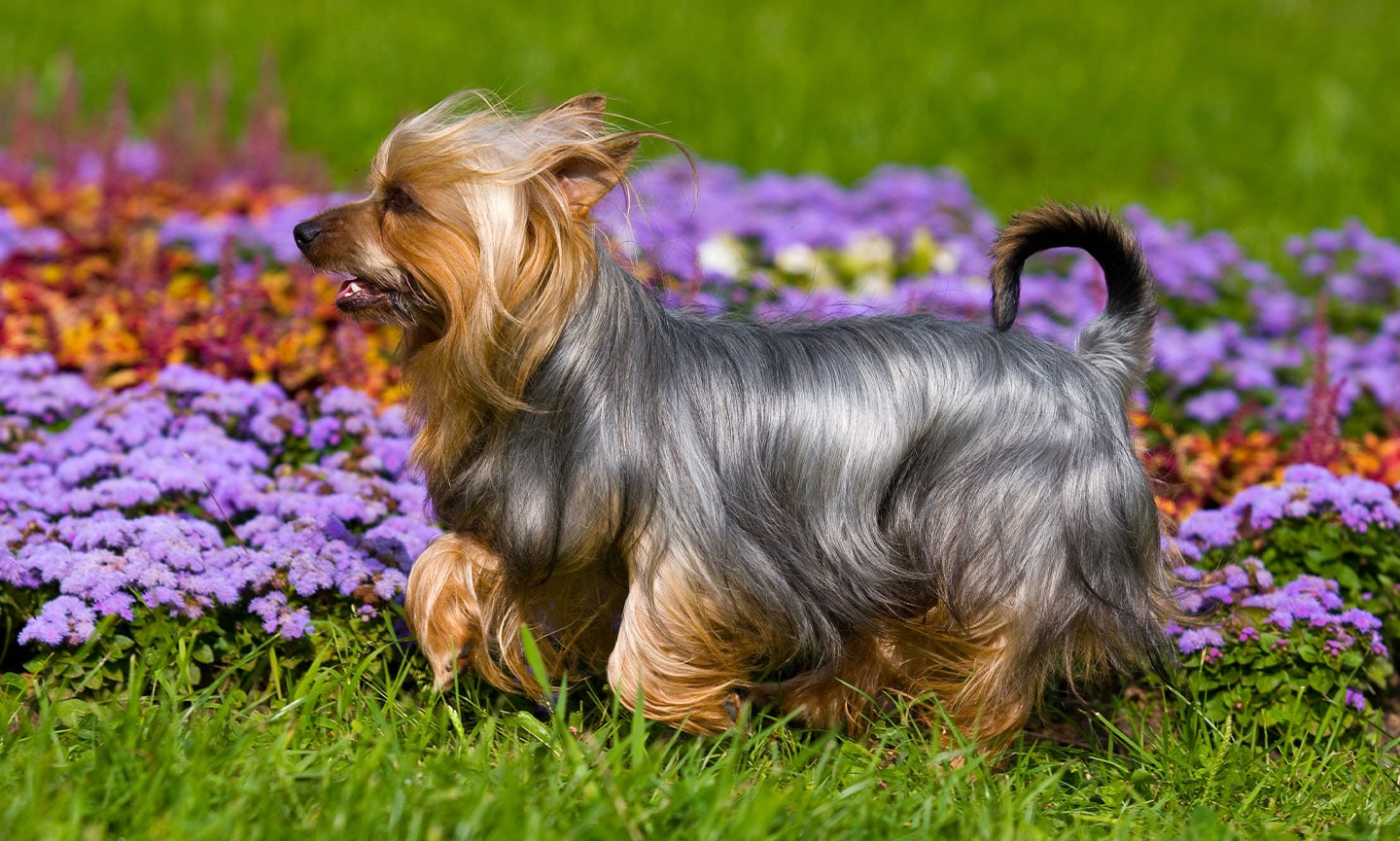
The Silky Terrier is a small but sturdy breed weighing between 8-10 pounds when fully grown, with a height of 9-10 inches at the shoulder. Their most distinctive feature is their luxurious, silky straight coat that parts down the middle of their back and flows to the ground. Despite their somewhat delicate appearance, Silkies possess the true terrier temperament – alert, curious, and confident with a touch of stubbornness that makes them entertaining companions.
Originally bred in Australia in the early 1900s, the Silky Terrier was developed as a cross between the Australian Terrier and the Yorkshire Terrier, creating a small companion dog that maintained some ratting abilities. The breed was officially recognized by the American Kennel Club in 1959 and continues to be popular among those who appreciate small, intelligent dogs with big personalities. These dogs typically live 13-15 years when properly cared for, making them long-term companions for dedicated owners.
“Silky Terrier Breed: Characteristics …” from www.chewy.com and used with no modifications.
Unveiling the Silky Terrier
Silky Terriers boast a striking appearance with their fine, glossy coat that comes primarily in blue and tan color combinations. Their almond-shaped eyes are dark and expressive, set within a wedge-shaped head that’s slightly longer than that of a Yorkshire Terrier. Their ears stand erect, giving them an alert, attentive expression that reflects their intelligent and curious nature. Despite their small stature, they carry themselves with remarkable confidence and dignity.
What Makes Silky Terriers Unique
Unlike many toy breeds, Silky Terriers maintain a robust terrier personality and physical capabilities. They’re notably more athletic than their size might suggest, enjoying activities like short hikes, agility training, and interactive play sessions. Their intelligence is remarkable, allowing them to learn commands quickly, though their independent streak means they may choose when to follow them. This clever, sometimes mischievous nature makes them entertaining companions who keep their owners on their toes.
Silky Terriers form deep bonds with their families and often show particular devotion to one person. They make excellent watchdogs despite their small size, alerting to strangers and unusual sounds with a surprisingly big bark. While they can adapt to various living situations, they thrive on human interaction and don’t do well when left alone for long periods – they want to be where the action is at all times.
Understanding Silky Terrier Origins and Development
The Silky Terrier’s story begins in Australia in the early 1900s, when breeders intentionally crossed Yorkshire Terriers imported from England with the native Australian Terrier. The goal was to create a dog with the Australian Terrier’s robustness and the Yorkshire Terrier’s refined coat quality. This deliberate breeding program resulted in a unique new breed rather than simply a variant of either parent breed.
History and Background of the Silky Terrier
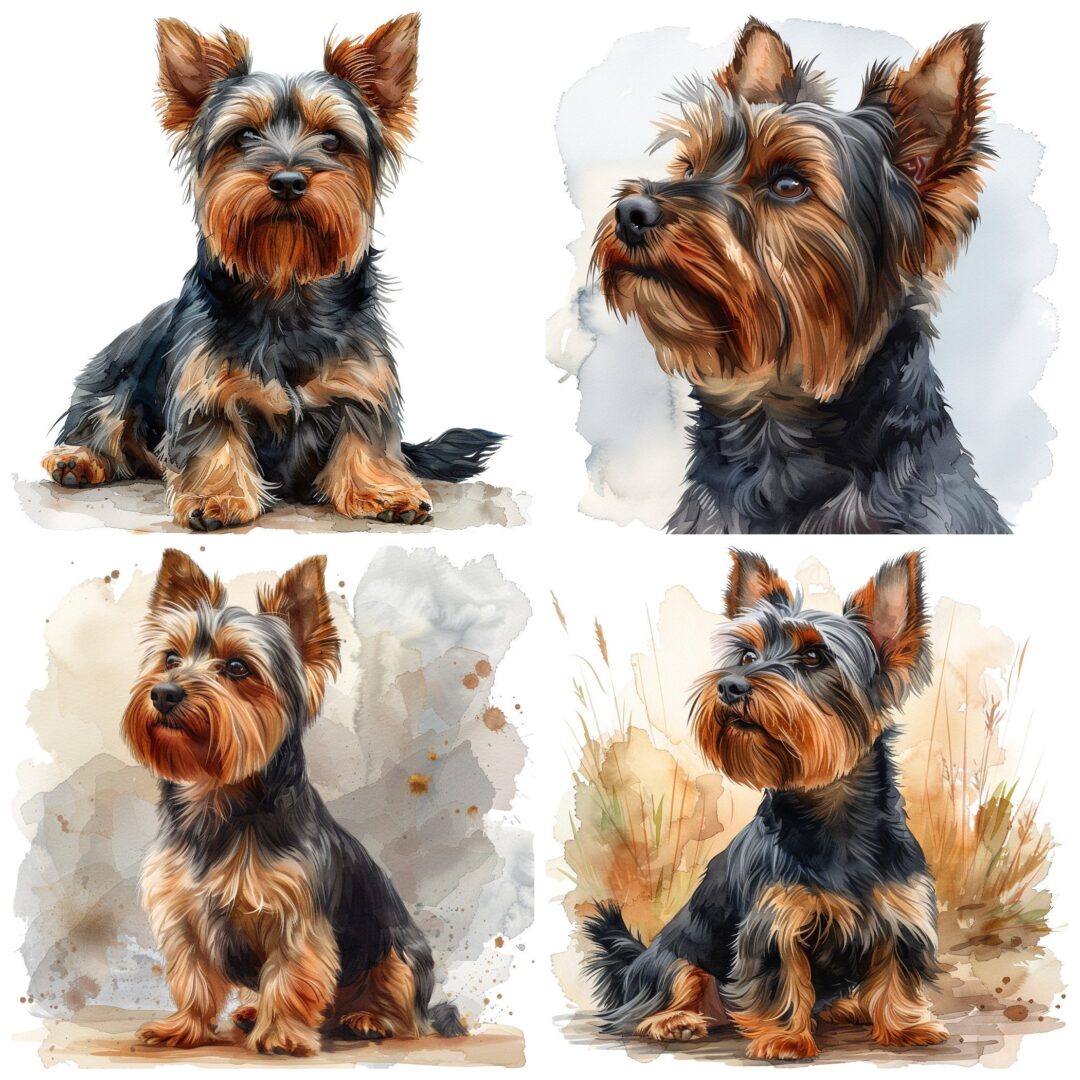
Development of the Silky Terrier occurred primarily in Sydney, Australia, with some breeding also taking place in Victoria. These early dogs were known by various names, including the Sydney Silky Terrier, Victorian Silky Terrier, and Australian Silky Terrier before standardization under the name “Australian Silky Terrier” in Australia and simply “Silky Terrier” in the United States. The breed standard was first established in Sydney in 1906, defining the desired characteristics that continue to define the breed today. For more insights into similar breeds, explore the Australian Terrier history.
“Australian Silky Terrier PNG Clipart …” from www.etsy.com and used with no modifications.
Origin and Mix of Breeds
The Silky Terrier emerged from a carefully planned crossbreeding between Yorkshire Terriers and Australian Terriers in the early 1900s. Breeders specifically selected Yorkshire Terriers imported from England for their luxurious coats and refined appearance, while the Australian Terrier contributed hardiness, vigor, and adaptability to the Australian climate. This deliberate mixing created a distinctive breed rather than simply a variant of either parent.
The breeding process was not random but followed specific goals to create a companion dog with the best traits of both parent breeds. While Yorkshire Terriers contributed the silky coat texture and some refinement to the breed, the Australian Terrier genes provided a slightly larger size and the confident, alert temperament that characterizes today’s Silky Terriers. This careful selection process resulted in a dog that was uniquely Australian yet maintained appealing qualities from both parent breeds.
Original Purpose in a Nutshell
Unlike many terrier breeds that were developed primarily for hunting or vermin control, the Silky Terrier was bred mainly as a companion animal for city dwellers. Though they retained some of the ratting abilities of their terrier ancestors, their primary purpose was always to be an attractive, affectionate, and portable companion. Their alert nature and territorial bark made them excellent watchdogs for apartments and small homes in urban Australia.
While not bred specifically as working dogs, Silky Terriers inherited the intelligence and problem-solving abilities of both parent breeds. This made them adaptable companions who could still perform some practical functions around the home, such as keeping it free from mice and rats. The breed’s dual capability as both companion and useful household member contributed to its growing popularity in Australia before spreading to other countries.
Costs Associated with Owning a Silky Terrier
Bringing a Silky Terrier into your life represents a significant financial commitment beyond the initial purchase price. These charming companions typically live 13-15 years, meaning owners should be prepared for long-term expenses. From specialty foods to regular grooming appointments, the costs add up quickly, making financial planning an essential part of responsible ownership.
Initial Purchase and Adoption Fees
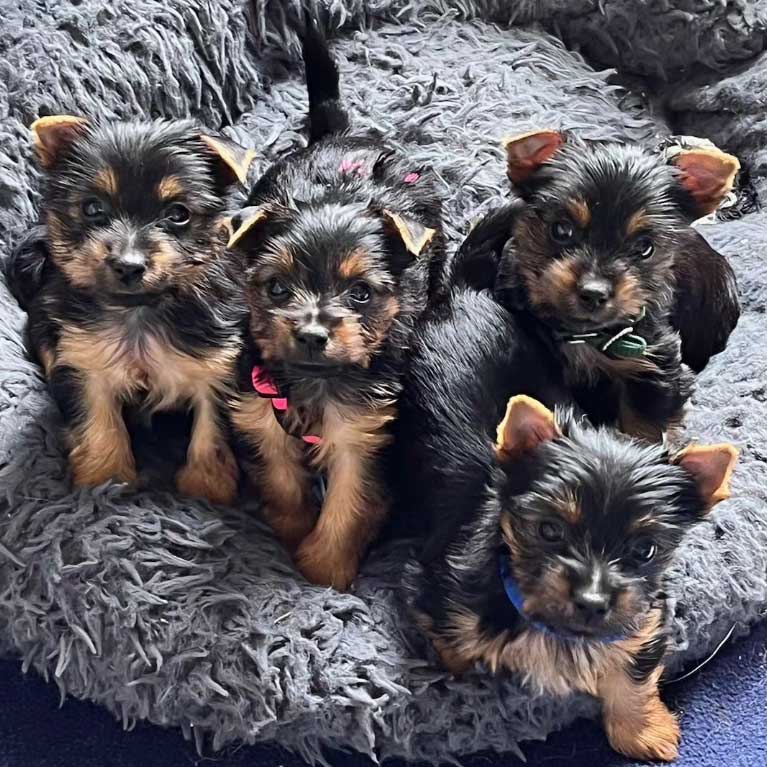
Purchasing a Silky Terrier puppy from a reputable breeder typically costs between $1,000 and $2,500, with show-quality dogs from champion bloodlines commanding prices at the higher end of this range. These higher prices often reflect health testing of parent dogs, appropriate veterinary care, and proper socialization of puppies. Adoption from breed-specific rescues presents a more affordable option, with fees usually ranging from $250 to $500, though purebred Silky Terriers are relatively uncommon in rescue situations.
Beyond the acquisition cost, initial expenses include basic supplies such as a crate ($30-$100), bedding ($20-$50), food and water bowls ($10-$30), collar and leash ($15-$40), toys ($20-$50), and grooming supplies ($30-$100). First-year veterinary expenses are also substantial, including initial vaccinations, microchipping, and spaying or neutering, which can total $300-$600. These start-up costs typically add $500-$1,000 to the initial investment in your new companion.
“Silky Terriers in Ontario, Canada …” from www.caninelore.ca and used with no modifications.
Ongoing Care Costs Including Grooming
The Silky Terrier’s luxurious coat requires significant maintenance, making professional grooming one of the largest recurring expenses. Most owners schedule grooming appointments every 4-6 weeks at $50-$80 per session, resulting in annual grooming costs of $600-$960. Home grooming requires an investment in quality tools, including specialized brushes, combs, and possibly a dog-specific blow dryer, which can initially cost $100-$200 but may reduce professional grooming frequency.
Food costs vary based on quality, with premium foods recommended for this breed’s health costing $30-$60 monthly ($360-$720 annually). Regular preventative veterinary care, including annual examinations, vaccinations, and parasite prevention, typically runs $200-$400 per year. Additionally, budget for toys, treats, occasional boarding or pet-sitting ($25-$50 per day), and pet insurance premiums ($30-$60 monthly) if desired.
Potential Medical Expenses
While generally healthy, Silky Terriers may develop breed-specific health issues that can significantly impact your budget. Dental disease is common in small breeds, potentially requiring professional cleanings under anesthesia ($300-$800) and possibly extractions or other dental procedures. Patellar luxation (slipping kneecaps) affects many small breeds and may require surgical correction costing $1,500-$3,000 per knee if severe.
Progressive retinal atrophy, Legg-Calvé-Perthes disease, and epilepsy are other conditions that can affect the breed, with treatment costs varying widely from a few hundred to several thousand dollars. Establishing an emergency fund of at least $1,000-$2,000 for unexpected veterinary expenses is prudent for Silky Terrier owners. Alternatively, pet insurance can help manage these costs, though policies typically exclude pre-existing conditions and may have breed-specific exclusions.
Temperament and Health of Silky Terriers
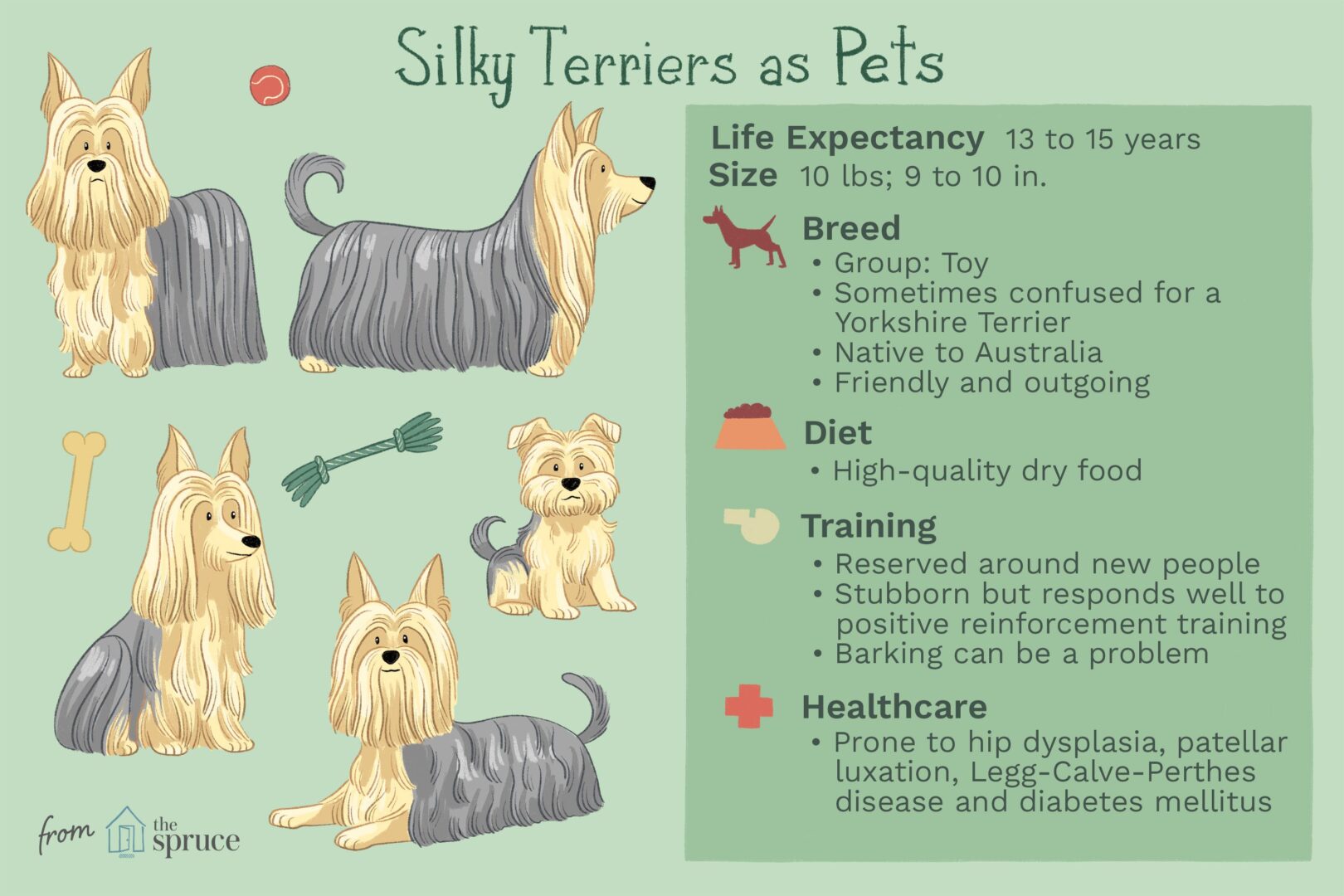
Understanding the Silky Terrier’s typical personality traits and health profile is essential for providing appropriate care and establishing realistic expectations. These dogs combine the alertness and confidence of terriers with an affectionate nature that makes them devoted companions. While generally robust, they do have specific health considerations that prospective and current owners should monitor throughout their lives.
“Silky Terrier: Dog Breed …” from www.thesprucepets.com and used with no modifications.
Typical Temperament and Personality Traits
Silky Terriers possess classic terrier traits: they’re alert, curious, and confident with a touch of stubbornness that can challenge first-time dog owners. Their intelligence shines through in their quick learning abilities, though their independent streak means they may selectively choose when to follow commands. They form strong bonds with their families, often showing particular devotion to one person while remaining friendly with others in the household.
Despite their small size, Silky Terriers are fearless and make excellent watchdogs, alerting to strangers and unusual sounds with surprising gusto. They’re energetic and playful throughout their lives, maintaining puppy-like enthusiasm well into their senior years. While affectionate with family members, they typically reserve some dignity and aren’t as demanding of constant physical contact as some toy breeds. Their spirited nature means they need both mental and physical stimulation to prevent boredom-related behaviors like excessive barking or destructive chewing.
Common Health Issues
While generally robust, Silky Terriers are predisposed to certain health conditions that prospective owners should be aware of. Patellar luxation (slipping kneecaps) is relatively common in small breeds including the Silky Terrier, potentially causing lameness and discomfort that may require surgical intervention in severe cases. Progressive retinal atrophy, an inherited eye condition leading to gradual vision loss and potentially blindness, also occurs in the breed, making eye examinations by veterinary ophthalmologists important throughout their lives. For those considering adopting a Silky Terrier, understanding the realistic expectations for post-adoption can be crucial for a smooth transition.
Dental disease presents another significant health concern, with small breeds often developing tartar buildup, gum disease, and tooth loss earlier than larger dogs. Legg-Calvé-Perthes disease, a condition affecting the hip joint, occurs in many small breeds including Silkies, typically manifesting as pain and lameness in puppies 4-11 months old. Tracheal collapse, epilepsy, and allergies also appear in the breed at higher rates than in the general dog population. Responsible breeders screen for many of these conditions, reducing (though not eliminating) risks in puppies from health-tested parents.

“Silky Terrier Health Guide: 10 …” from citizenshipper.com and used with no modifications.
Tips for Healthy Living
Maintaining a Silky Terrier’s health begins with appropriate preventative care. Regular veterinary check-ups should occur at least annually for younger dogs and semi-annually for seniors, with dental examinations at each visit. A balanced diet specifically formulated for small, active breeds helps maintain proper weight and muscle tone, while measured portions prevent obesity, which can exacerbate joint problems. Daily dental care, including tooth brushing with dog-specific toothpaste, significantly reduces dental disease risk, one of the most common health issues in the breed.
Regular moderate exercise keeps Silky Terriers physically fit and mentally stimulated without placing undue stress on their relatively delicate joints. Two 20-30 minute walks daily, supplemented with play sessions, typically meets their exercise needs while strengthening your bond. Mental stimulation through puzzle toys, training sessions, and varied activities prevents boredom and associated behavioral issues. Maintaining a consistent grooming routine not only keeps their coat beautiful but allows early detection of skin issues, lumps, or parasites that might otherwise go unnoticed beneath their flowing coat.
Comparing Silky Terriers and Yorkies
The Silky Terrier and Yorkshire Terrier share a common ancestry and bear a striking resemblance that often leads to confusion between the breeds. However, distinct differences exist in their physical characteristics, temperament, and care requirements that prospective owners should understand before making a choice between these similar but unique breeds. These differences, though sometimes subtle, significantly impact which breed might better suit a particular lifestyle or family situation. For more insights on breed comparisons, you can explore the Australian Terrier breed comparison.
Differences Between Silky Terriers and Yorkies
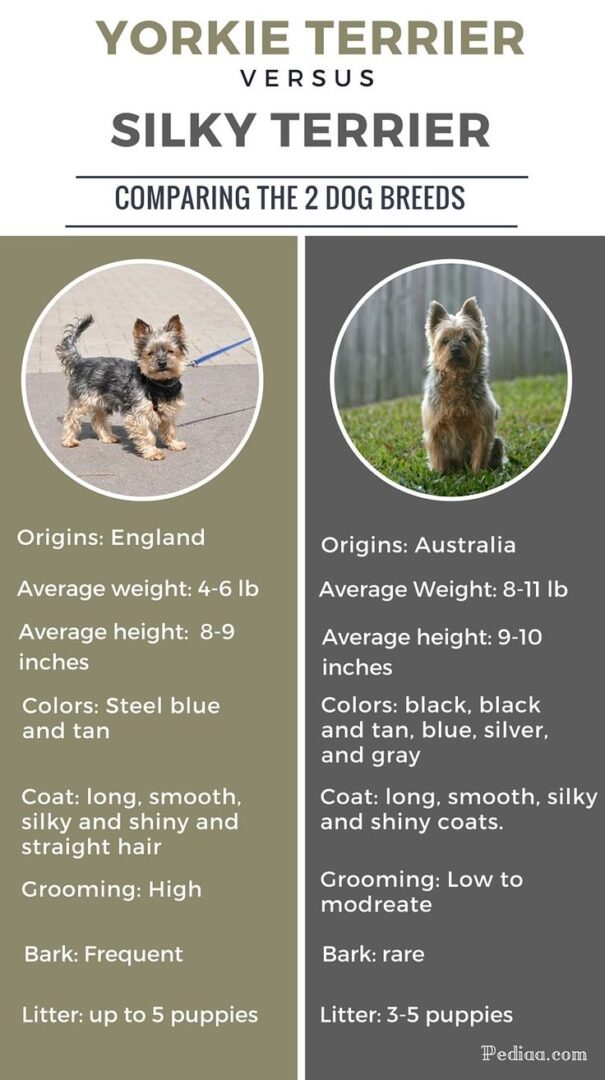
Though often confused with Yorkshire Terriers, Silky Terriers are distinctly different in several ways. Silkies are generally larger, weighing 8-10 pounds compared to the Yorkie’s 4-7 pounds, with a slightly more substantial bone structure. Their coat texture, while silky like the Yorkie’s, is typically stronger and slightly coarser, reflecting their Australian Terrier heritage. The Silky’s muzzle is typically longer, and they have a more substantial head shape overall.
Temperamentally, Silky Terriers tend to be more outgoing and active than Yorkies, requiring more physical exercise and mental stimulation. They often display more terrier characteristics, including a stronger prey drive and more independent nature. While both breeds make devoted companions, Silkies generally have a more adventurous spirit and may be somewhat more assertive in their interactions with people and other animals. For those interested in learning about other terrier breeds, the Australian Terrier offers a fascinating comparison.
“Difference Between Yorkie and Silky Terrier” from www.pinterest.com and used with no modifications.
Appearance and Size Differences
The most noticeable distinction between Silky Terriers and Yorkies is their size. Silky Terriers are consistently larger, weighing 8-10 pounds and standing 9-10 inches at the shoulder, while Yorkshire Terriers typically weigh just 4-7 pounds with a height of 7-8 inches. Silkies also have a more substantial bone structure and slightly more robust build despite maintaining an elegant appearance. Their head shape differs as well, with Silkies having a slightly longer muzzle and more moderate stop (the transition from muzzle to forehead) than the Yorkie’s more pronounced features. For those interested in learning more about dog breeds, you might find this Australian Shepherd expert interview insightful.
Coat color and texture present another area of distinction. While both breeds sport silky, straight hair that grows continuously, the Silky Terrier’s coat is typically stronger and slightly coarser than the Yorkie’s exceptionally fine hair. Color standards also differ slightly – Yorkies are known for their steel blue and tan coloration, while Silky Terriers accept a broader range of blue shades from silver blue to pigeon blue, though always with tan markings. The Silky’s coat parts naturally down the middle of the back, while the Yorkie’s may not show this characteristic parting as distinctly.
Behavioral Varieties
Temperamentally, Silky Terriers typically display more pronounced terrier traits than Yorkies, including higher energy levels, stronger prey drive, and more independent thinking. They tend to be more outgoing and adaptable in new situations, while Yorkies can be somewhat more reserved with strangers. Both breeds are alert and make excellent watchdogs, but Silkies generally have a more adventurous spirit and may be more likely to explore their environment independently rather than staying close to their owners.
Training approaches may need to differ between the breeds. Silky Terriers often respond well to varied, engaging training sessions that challenge their intelligence while respecting their independent nature. Yorkies, while equally intelligent, sometimes display more sensitivity and may respond better to gentler training approaches with consistent positive reinforcement. Both breeds can develop stubborn streaks, but the Silky’s confidence and stronger terrier instincts may require more consistent leadership from their owners to channel their energy appropriately.
Care and Maintenance Comparison
Grooming requirements for both breeds are significant, though some owners find the Silky Terrier’s stronger coat slightly easier to maintain than the Yorkie’s finer, more tangle-prone hair. Both require regular brushing (ideally daily), routine professional grooming every 4-6 weeks, and attention to dental care due to their predisposition to dental issues. The Silky’s slightly larger size may make home grooming somewhat easier, as they’re more substantial to handle during brushing and bathing.
Exercise needs differ noticeably, with Silky Terriers typically requiring more physical activity than Yorkshire Terriers. Silkies benefit from longer walks and more active play sessions, while Yorkies often satisfy their exercise requirements with shorter outings and indoor play. Health considerations overlap significantly, though the Yorkie’s smaller size may make them somewhat more fragile and susceptible to injury from rough handling or jumps from furniture. Both breeds share common health concerns including dental disease, patellar luxation, and tracheal collapse, though specific genetic tendencies may vary between individual bloodlines.
Who Is the Ideal Owner?
The perfect match between dog and owner significantly increases the likelihood of a successful, lifelong relationship. Silky Terriers thrive with certain types of owners and living situations while potentially struggling in others. Understanding who typically succeeds with this breed helps prospective owners make informed decisions about whether a Silky Terrier aligns with their lifestyle, living situation, and expectations for a canine companion.
Best Living Conditions for Silky Terriers
Silky Terriers adapt remarkably well to various living environments, from spacious suburban homes to urban apartments, provided they receive adequate exercise and attention. Their small size makes them well-suited to apartment living, though neighbors should be considered as they can be vocal when alerting to perceived threats or when bored. A securely fenced yard offers ideal safe exploration space, but isn’t essential if daily walks and outings are provided. These dogs are sensitive to extreme temperatures due to their single-layer coat, requiring air conditioning in hot weather and sweaters or coats in cold conditions.
The most critical living condition for a Silky Terrier isn’t the physical space but rather the amount of time they can spend with their people. They form strong attachments and don’t tolerate long periods of isolation well, potentially developing separation anxiety or problematic behaviors when regularly left alone for extended hours. Homes where someone is present most of the day, where they can accompany their owners on outings, or where doggy daycare or pet sitters provide companionship during necessary absences create the ideal environment for these social, people-oriented dogs.
Ideal Lifestyle and Activities
The perfect Silky Terrier owner maintains an active lifestyle that includes their dog in daily activities without exposing them to excessive physical demands or risks. These intelligent dogs thrive with owners who provide not just physical exercise but also mental stimulation through training, puzzle toys, and varied experiences. They excel in dog sports like agility, rally, and obedience, which challenge both mind and body while strengthening the bond between dog and handler. Owners willing to invest time in ongoing training throughout the dog’s life will find their Silky Terrier continues to learn and adapt to new situations with enthusiasm. For insights on realistic expectations post-adoption, consider exploring this resource.
Successful Silky Terrier owners typically appreciate an affectionate but not overly clingy companion who maintains some independence while forming strong bonds. They understand and accept the grooming commitment, either budgeting for professional care or developing the skills and acquiring the tools for home maintenance. The ideal owner also recognizes the breed’s watchdog tendencies and works with rather than against this natural instinct, providing appropriate outlets for alerting behavior while teaching discrimination between genuine concerns and normal environmental sounds.
Compatibility with Young Children and Other Pets Like Bigger Dogs and Cats
Silky Terriers generally do best in homes with older children (10+ years) who understand how to interact respectfully with a small dog. Their spirited nature means they rarely tolerate rough handling or the unpredictable movements of toddlers, potentially becoming defensive if they feel threatened. While individual Silkies raised with younger children may adapt well, the breed as a whole is better suited to families with mature children who can participate appropriately in their care and training rather than treating them as living toys.
Conclusion: Bringing a Silky Terrier into Your Home
The Silky Terrier offers a delightful combination of spunky terrier personality in an elegant, manageable package that suits many lifestyles. Their intelligence, loyalty, and adaptability make them wonderful companions for those prepared to meet their needs for attention, exercise, and proper grooming. While they require commitment in terms of time and resources, they reward their owners with unwavering devotion and entertaining companionship that enriches daily life in countless ways.
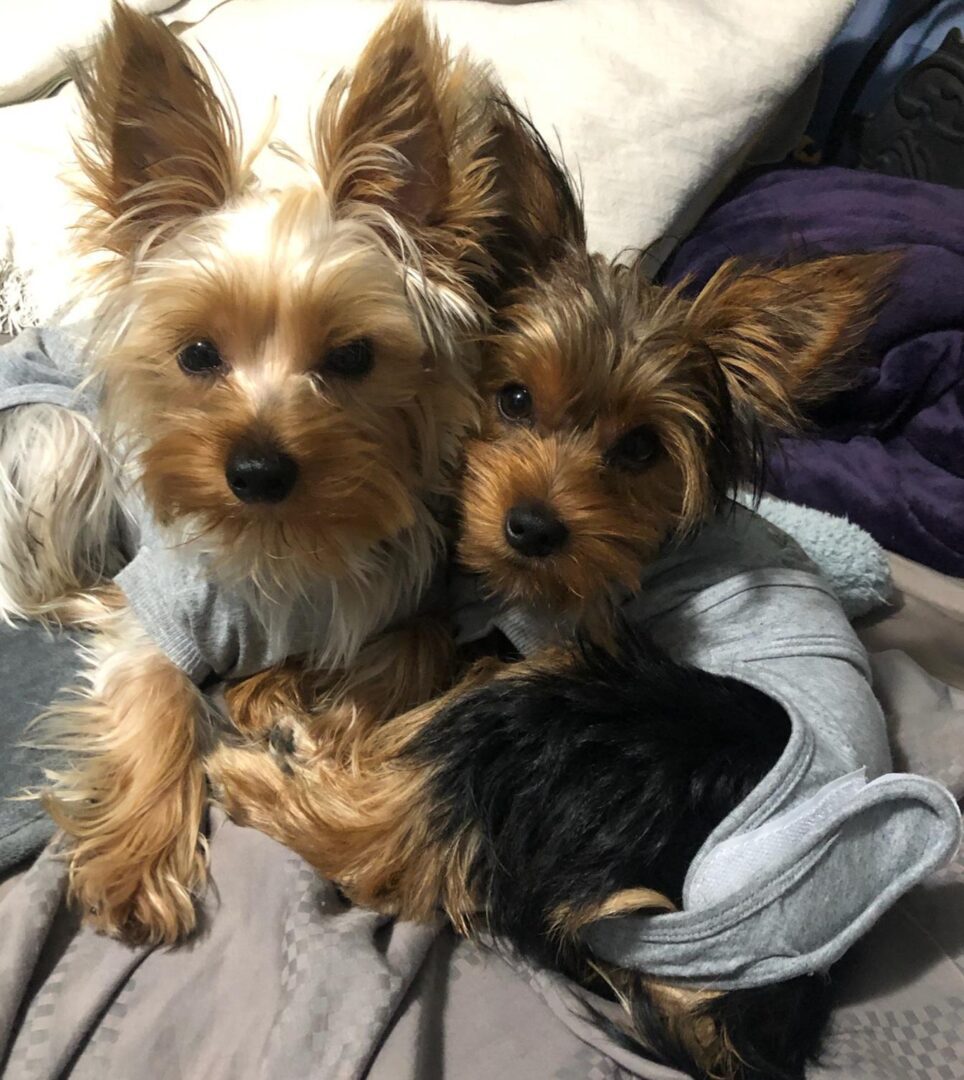
“Was my dog a yorkie or silky terrier …” from www.reddit.com and used with no modifications.
Before bringing a Silky Terrier home, honestly assess whether your lifestyle, living situation, and expectations align with this breed’s characteristics. Research reputable breeders who health test their breeding stock or connect with breed-specific rescues if adoption is your preference. Prepare your home, establish relationships with veterinary and grooming professionals, and set up a consistent routine that will help your new companion transition smoothly into your life. With proper care and attention, a Silky Terrier can become a cherished family member who brings joy and companionship for many years.
Frequently Asked Questions (FAQ)
Below are answers to some of the most common questions prospective and new Silky Terrier owners ask about this delightful breed. These responses address typical concerns regarding compatibility, care requirements, and expected behaviors to help you determine if a Silky Terrier might be the right addition to your family.
Are Silky Terriers good with children under 12?
Silky Terriers are generally better suited to homes with children over 10 years old who understand how to respectfully interact with small dogs. Their spirited temperament means they may not tolerate the rough handling, loud noises, or unpredictable movements typical of younger children. While individual Silkies raised with children may adapt well, the breed’s tendency toward independence and occasional stubbornness can create challenges in homes with very young children. All interactions between Silky Terriers and children should be supervised to ensure safety for both the dog and child.
How often do Silky Terriers need grooming?
Silky Terriers require significant grooming commitment, including daily brushing to prevent mats and tangles in their fine, continuously growing coat. Professional grooming is typically recommended every 4-6 weeks for bathing, trimming, and maintaining the coat in manageable condition. Beyond coat care, regular attention to dental hygiene (ideally daily tooth brushing), weekly ear cleaning, and nail trimming every 2-3 weeks completes the grooming routine necessary to keep a Silky Terrier healthy and comfortable.
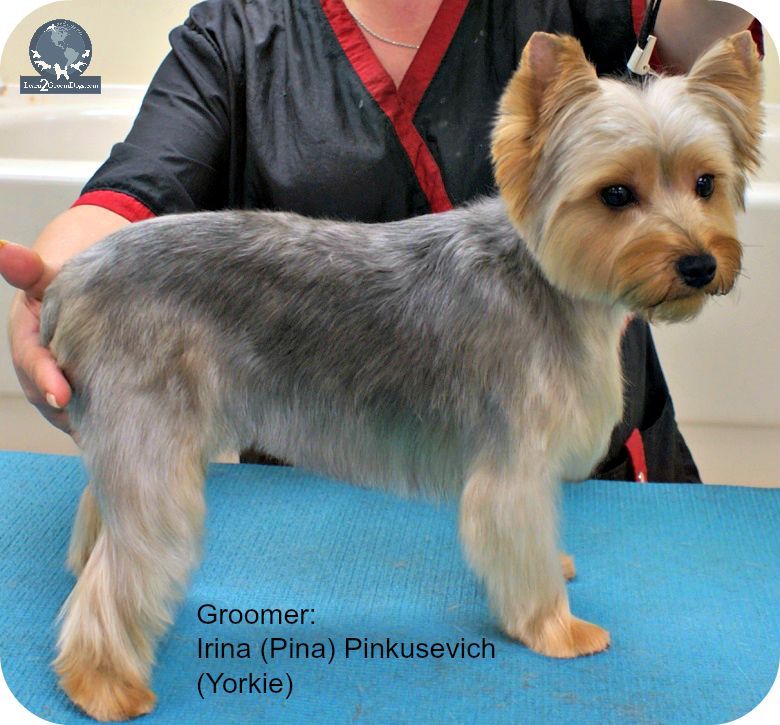
“Silky terrier puppy cut clearance” from prwe.com and used with no modifications.
What is the average lifespan of a Silky Terrier?
Silky Terriers typically enjoy relatively long lives, with an average lifespan of 13-15 years. Some well-cared-for individuals may even reach 16-17 years of age, particularly those from health-tested bloodlines who receive excellent preventative care throughout their lives. Factors affecting longevity include genetics, diet, exercise, dental care, weight management, and regular veterinary attention to address health concerns before they become serious.
The breed’s relatively few genetic health issues compared to some other small breeds contributes to their longevity potential. Providing appropriate preventative care, maintaining ideal weight, ensuring dental health, and promptly addressing any emerging health concerns can help maximize your Silky Terrier’s healthy years.
Can Silky Terriers adapt to apartment living?
Silky Terriers adapt exceptionally well to apartment living due to their small size and moderate exercise requirements. However, potential apartment dwellers should consider their tendency to bark at unfamiliar sounds, which may create issues with neighbors in close-quarters living situations. Early and consistent training to manage barking, providing adequate physical and mental stimulation, and establishing a routine that includes multiple daily outings can help Silky Terriers thrive in apartment environments. Many apartment-dwelling Silkies live happy, well-adjusted lives when their need for exercise, companionship, and environmental enrichment is consistently met.
What is the exercise requirement for a Silky Terrier?
Silky Terriers need moderate daily exercise to maintain physical health and mental well-being. Typically, two 20-30 minute walks daily supplemented with interactive play sessions satisfies their exercise requirements. Unlike some toy breeds, Silkies maintain genuine terrier energy and benefit from activities that engage both mind and body. They enjoy varied activities including short hikes, supervised play in securely fenced areas, and learning new skills through training games. Without adequate exercise and mental stimulation, Silky Terriers may develop problematic behaviors like excessive barking, digging, or destructive chewing as outlets for their natural energy and intelligence. For more insights on terrier breeds, check out this Australian Terrier breed comparison.
For the right owner who appreciates a small but spirited companion with an elegant appearance and devoted nature, the Silky Terrier offers years of loving companionship. Their manageable size combined with true terrier character creates a unique pet experience that many find irresistible.
For comprehensive guides on selecting, raising, and caring for Silky Terriers and other breeds, DoggyDreamTeam offers expert resources tailored to helping you build the best possible relationship with your canine companion. You can also explore expert insights on other dog breeds to broaden your understanding of different canine companions.
The Silky Terrier is a small, energetic breed known for its lively personality and elegant appearance. Originally bred in Australia, these dogs are a mix of the Yorkshire Terrier and the Australian Terrier. This combination results in a dog that is both spirited and affectionate, making it a great companion for families and individuals alike. For those interested in learning more about the background of similar breeds, the Australian Terrier offers a fascinating glimpse into the history and characteristics that contribute to the Silky Terrier’s charm.