Australian Shepherd Breed Rescue & Adoption FAQ Answered
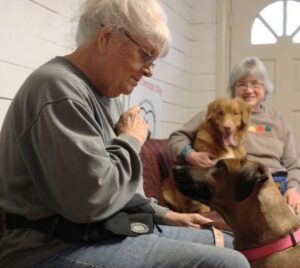
Interview with Crystal Madrigal, Board of Directors, Australian Shepherd Placement & Helpline
In addition to articles that describe a dog breed based on research, in this case Australian Shepherds aka “Aussies”, I wanted to share insider and breed expert knowledge with you. I hope that this interview will help answer your every question about what life with an Aussie would be like so that you can make an educated decision about whether this breed would be a match for you and your lifestyle. The following is a summary of our conversation about the breed and breed rescue for Australian Shepherd; it is a combination of direct quotes and my best attempt to paraphrase based on my interpretation of sentiment.
If after reading this and our informative article about the breed, you would like to learn more and possibly adopt an Aussie from rescue, then I encourage you to contact Australian Shepherd Placement & Helpline Inc. directly.
Tips for Training An Aussie
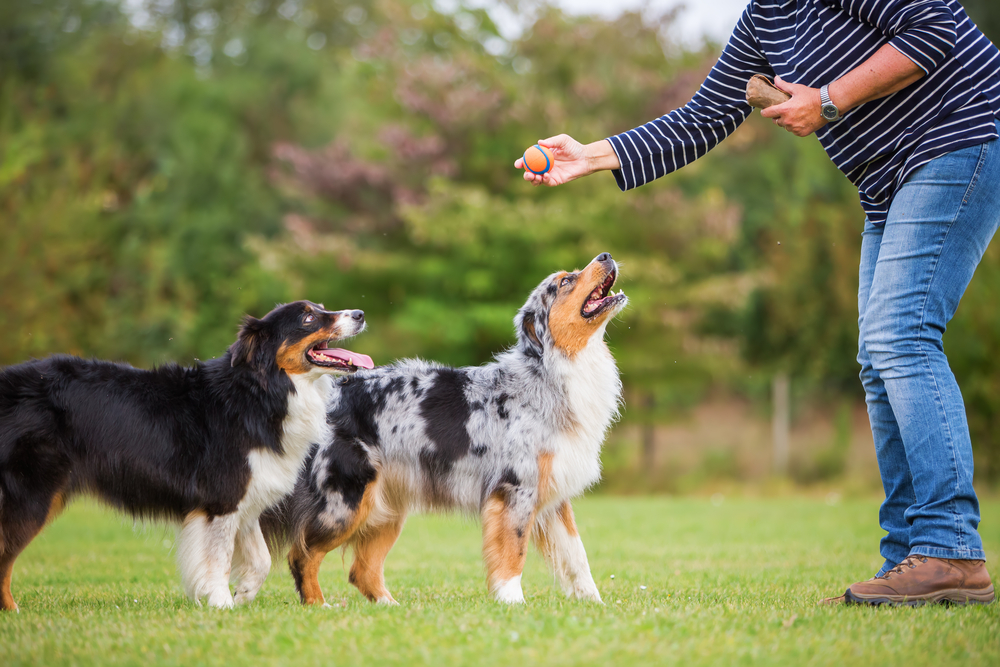
I have noticed that although there are some basics to training that may work consistently across breeds to a degree, dogs definitely have their own little dog personality. Crystal describes the breed as “super smart” and when working with Aussies, it is advisable to “be ahead of the game all the time to give them rules and boundaries that they need”. For Aussies in particular, Crystal suggests:
(1) having a clean house
(2) “clicker training first and foremost” because it establishes a strong position with the dog with positive reinforcement that an “Aussie will pick up instantaneously”.
(3) Find something that the breed likes to do and test it with the dog. Although one of my friends with two Aussies accounted for how much her two dog loved being in a herder club, Crystal said she had an Aussie that had zero interest in working with livestock. She had a dog that loved being “mama dog”. She suggests finding a “routine that the dog succeeds at- is good at, had as babies” so that you and your dog can “bond, enrich, and prosper”.
Crystal and I had both suffered the recent loss of our canine companion shortly before we spoke and we both understood the deep pain one experiences when you lose your pet that is indeed like losing a child. Part of the bond that occurs is the result of investing in your dog’s success and that comes from training and socializing your dog properly so that you can enjoy a life together as “part of a family”.
Tips for Socializing An Australian Shepherd
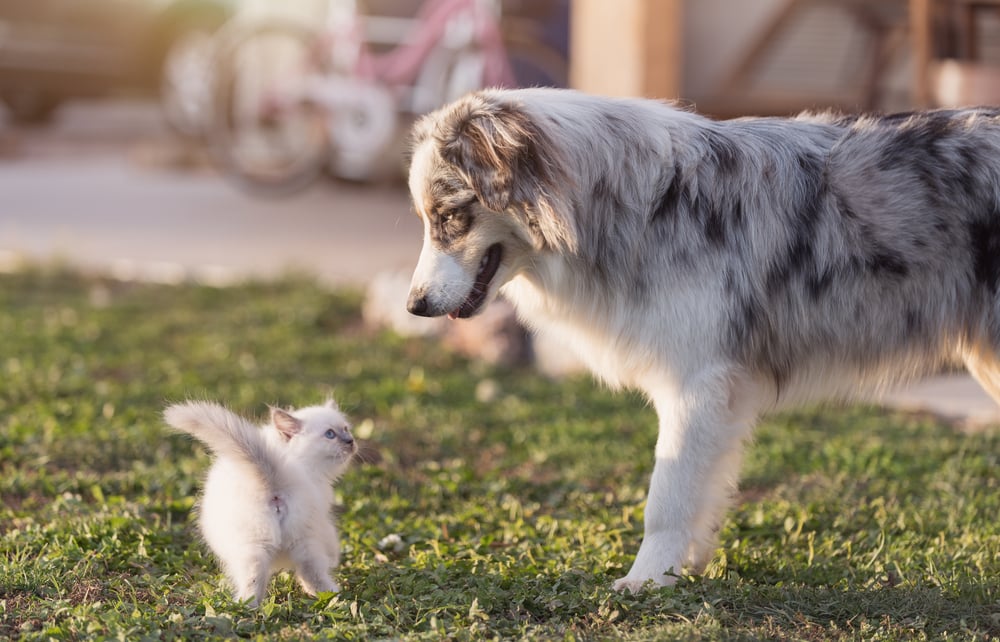
Crystal argues that attempting to socialize an Aussie after it is two will be extremely challenging because most of their personality will be solidified. She advises that it’s best to integrate them slowly with a clicker that provides positive reinforcement so that they can associate a behavior with something good. She also emphasized the importance of “always ending on a good note” so that the dog can leave on a high note and remember the interaction with fond memories before anything potentially bad can happen that could put a permanent damper on a situation.
Travelling With An Aussie
I tend to be pretty careful about my dog in the car and do not allow free roaming, which is good because we were rear-ended badly once and if Lovie weren’t crated, he would have been hurt. Crystal outlined a number of helpful tips for canine safety, some I hadn’t considered:
(1) Put the dog safely in a crate in the vehicle, which makes them feel safe
(2) Always have a Ziploc with all the dog’s info on the crate
(3) Microchip your dog (Lovie had a faulty chip from ARF so I had them put in a replacement and a spare. I would also recommend that you have your vet scan the chips at every visit so that you know if it is working and has the current information)
(4) Use a collar with GPS, especially if you are travelling
(5) Bring a secure leash and martingale collar
(6) Plan your route so that you know different dog-friendly places to stay and dog parks
(7) Pack food & water (Crystal suggests bringing water from your own municipal before switching to a new location)
(8) First aid kit and medication like Pepto or Pepcid for stomach upset from carsickness
(9) Ensure vaccinations and preventative shots and topicals are current (like flea and tick and heartworm, especially in the South)
“You’re travelling with another life” she said, “not just throwing the dog in and saying ‘let’s go’. You gotta be smart.” You wouldn’t let a baby stick its head out the window, you would have a car seat. A crate or seat belt harness is like a car seat. Safety first.
Ideal Lifestyle for An Australian Shepherd
One of the factors that I think is most important to address when trying to match a breed to a potential owner/ household, is clarifying what is the ideal living situation for the breed. Crystal went on to argue the importance of how a dog has to be able to live your lifestyle, meaning that if you are sedentary, you need to select a breed that is also sedentary. She emphasized how important it is to educate yourself before selecting a breed because “you’re their whole world”. Whatever breed you select, that dog will be “looking to you to make the right choices for them” because “you’re their whole world.” Like Crystal, I too have had to “change my whole life for them: home was different, routine was different, everything different” for the dogs I have had because they want to be with you.
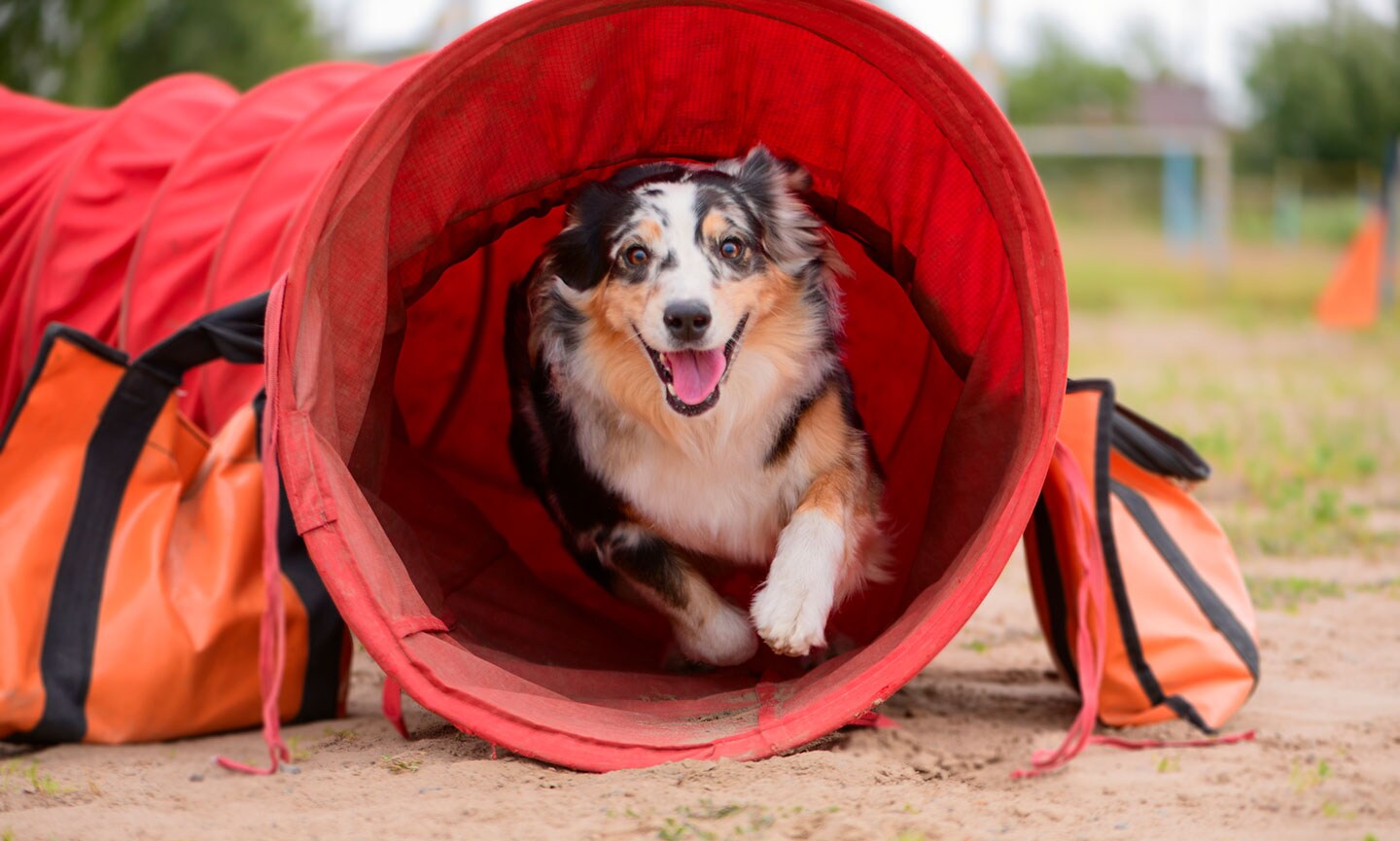
Although some breed rescues also take mixed breeds if the majority of the mix is their focus breed, Crystal volunteers for a breed rescue that only takes pure pedigree Aussies to “make sure that the Aussies that they rescue live the life the bred to live”. The group Crystal volunteers for, Australian Shepherd Placement & Helpline, is an official affiliate of Australian Shepherds of America that focuses on trialing, dock & scent work, agility and activities that make the breed “Aussie sportsmen”. All of the affiliates are groups of volunteers “understand the breed and what the breed need”. They not only understand the breed, they are experts which is why I wanted to offer breed rescue interviews as a content line for my site. If you select an Aussie, you need to thoroughly understand that they are “super smart” and “want to work” and by work, that doesn’t mean sitting in front of a computer or reading a book, Aussies like to move when they work and they “need to have space in life to do that”. Selecting an Aussie because you “think they are so cute but” it can hurt the dog when someone finds a “dog that’s pretty [and then] let’s the dog rot” without grasping the reality that the cute little peppy dog could become destructive from boredom if you do not give it something to do to work off their natural high energy level.
I had to be brutally honest with one of my mom’s friends when she was dying of cancer that her dog was not a match for me even though he was sweet and cute, he just presented some challenges I did not want to commit to addressing. It is also worth keeping in mind that dogs are used to working in a team so it will help to “learn its communication (style) and help it learn your communication” style. Do you ever notice how dogs are able to work in a pack without crashing and often without vocalizing? They have a way of being in synch that suggests a way of communicating that doesn’t involve email or texting
The Dark Side of Rescue Work
It broke my heart to hear that over the course of 12 years that Crystal had been doing breed rescue with Aussies that she had to witness dogs that “had to be put down because its behavior was so bad because of people” for example dogs with bite histories that could put a rescue org at risk due to liability. “Dog rescue is a really hard gig”.

Common Misconception
Summary: Don’t judge a book by its cover: Aussies like order. Educate yourself about breed behavior before adopting.
According to Crystal, one of the challenges stems from people judging Aussies by looks alone and people making the mistake of thinking that an Aussie would make ideal pets simply due to their appealing looks and size, similar to Miniature Pinschers. Crystal cautions against this perception, emphasizing, “Everyone… think[s] that because of their size, you know their pretty eyes. All of those things that they would be great dogs, and that’s wrong. Don’t be fooled… it’s a really intelligent creature that requires a lot of work, patience, diligence, and responsibility.” She underscores that while Aussies have the potential to be great family dogs, this only happens if owners put significant effort into training and creating a consistent routine.
Another misunderstanding is that Aussies naturally mesh well with families and children. Crystal points out the breed’s strong herding instincts, noting, “Sometimes they get nervous around children and young families… that makes the dog’s prey drive go into action. And so they want to move the child and move them… that’s just their instinct.” She stresses that without proper training and structure, these instincts can lead to behavioral issues— not out of aggression or malice, but out of their working dog heritage. Crystal explains that success with Aussies requires establishing “rules and guidelines and expectations, and a routine and a rhythm for them to function well,” highlighting that these dogs do not thrive with erratic schedules or haphazard households.
Crystal’s One Wish
Summary: Educate yourself about the breed and herding dogs in general. Open your heart to adopting or fostering, including senior pets.
Crystal Madrigal’s one wish for Aussie breed rescue—and rescue in general—is that people become more deeply educated and intentional about adopting dogs, especially breeds like Australian Shepherds. She emphasizes that far too often, dogs are chosen “because of how it looks,” rather than based on a realistic understanding of the breed’s needs and temperament. “I think people just need to be overall educated,” she says, warning against the influence of marketing and aesthetics that cause people to impulsively adopt dogs without fully grasping their responsibilities that may be an undertaking greater than anticipated. For Aussies and other dogs, this lack of preparation can result in traumatic rehoming experiences—something Crystal has witnessed firsthand as a breed rescue volunteer who also does a lot of fostering.
Madrigal also advocates strongly for adopting senior dogs and continuing to adopt even after experiencing the heartbreak of losing a pet. Reflecting on a 10-year-old Aussie she adopted, she shares the emotional toll of rehoming: “That poor dog was all freaking night long… upset and nervous, and had no idea what happened to him.” Yet with patience and structure, she says, the dog eventually found joy again—“now he’s happy as hell.” Her message to those grieving a lost pet is powerful and compassionate: “There’s another dog waiting… they need you, too… you save a dog’s life, man, like that’s a thing.” Above all, she urges people to “make room,” in whatever capacity they can, to help dogs in need.