Why More Young Professionals Are Considering Rabbits for Apartment Living
Pet ownership is not exclusive to home owners. There is a reason why house rabbits are rising in popularity among young professionals and college students- they make great companions for apartment dwellers. One popular breed weighing just 2 pounds can thrive in small spaces—but there’s a surprising gentle giant that might work even better. The secret isn’t the size you’d expect.
Key Takeaways
- Holland Lops and Mini Rex rabbits are the top apartment choices – Holland Lops (2-4 lbs) and Mini Rex rabbits (3-4.5 lbs) combine small size, gentle temperament, and manageable care needs, making them consistently recommended breeds for apartment life by rabbit rescue organizations.
- All apartment rabbits need minimum 32 square feet of living space plus 3-4 hours of daily free-roaming time, regardless of breed size, since exercise and mental stimulation are critical for rabbit health.
- Rabbits excel as quiet, litter-trainable companions who form surprisingly close bonds with their owners without the noise concerns of traditional apartment pets.
- Long-term commitment is essential – rabbits live 8-12 years and require consistent daily care, weekly grooming, and regular veterinary expenses that apartment dwellers must budget for.
- Smaller breeds offer big personalities that thrive in apartment settings when their specific space, socialization, and enrichment needs are properly met.
Living in an apartment doesn’t mean sacrificing the joy of pet ownership. Rabbits offer apartment dwellers a unique combination of companionship, manageable care requirements, and adaptability to indoor environments that make them exceptional urban pets. Unlike dogs that require daily walks or cats that need climbing structures, certain rabbit breeds thrive in smaller spaces while providing genuine emotional connection and entertainment.
Top 5 Apartment-Friendly Rabbit Breeds with Gentle Temperaments
Holland Lops consistently rank as the most popular choice for apartment living. Weighing between 2-4 pounds, these distinctive floppy-eared rabbits are known for their affectionate nature and can form strong bonds with their owners, often compared to the loyalty of dogs. Their gentle, social nature makes them excellent for first-time rabbit owners, while their compact size fits comfortably in most apartment layouts. With proper enrichment and exercise, destructive behaviors can be effectively managed.
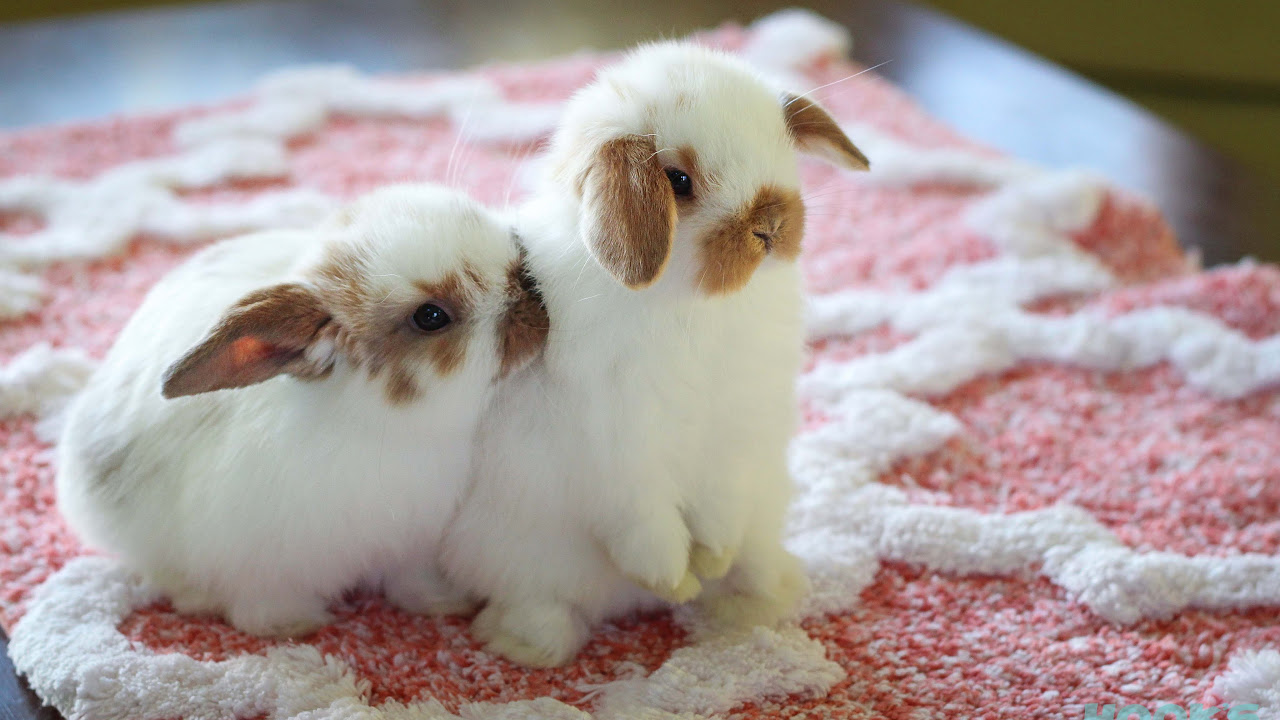
Mini Rex rabbits bring a unique combination of beauty and temperament to apartment living. Weighing 3-4.5 pounds, their signature velvety fur (shared with the larger Rex breed) feels distinctively plush and requires minimal grooming. Mini Rex rabbits are known for their pleasant personalities and calm demeanor, making them easy to handle even in close quarters. Their relaxed nature means they adapt quickly to apartment routines and rarely become stressed by typical urban sounds.

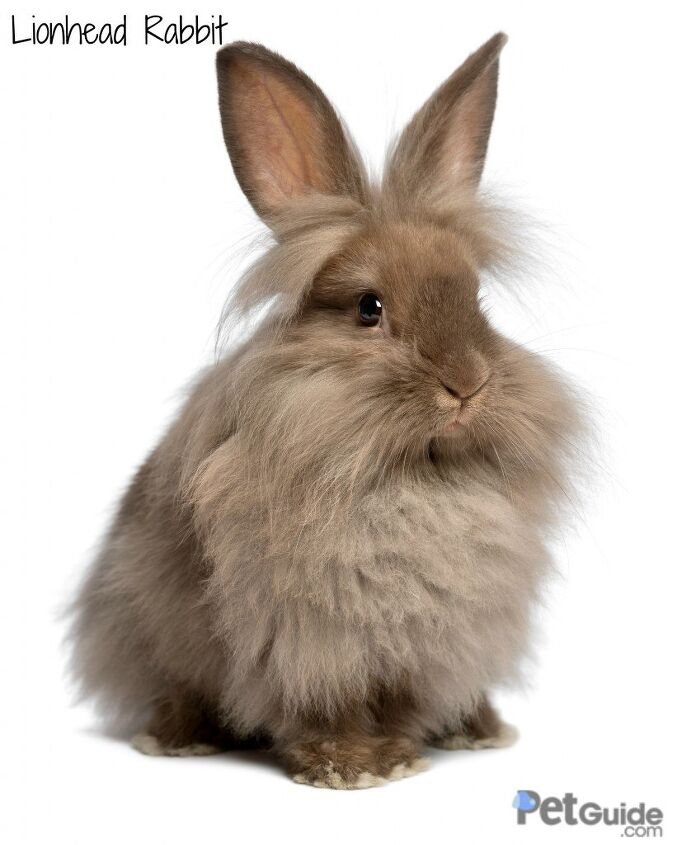
Lionhead rabbits are especially popular among indoor rabbit enthusiasts thanks to their compact size (typically 2.5-3.75 pounds), expressive appearance, and social personalities. Many enjoy human interaction and can become affectionate companions when properly socialized. Their playful but manageable energy level often works well for apartment living, though their fluffy mane does require more regular grooming than some short-haired breeds.
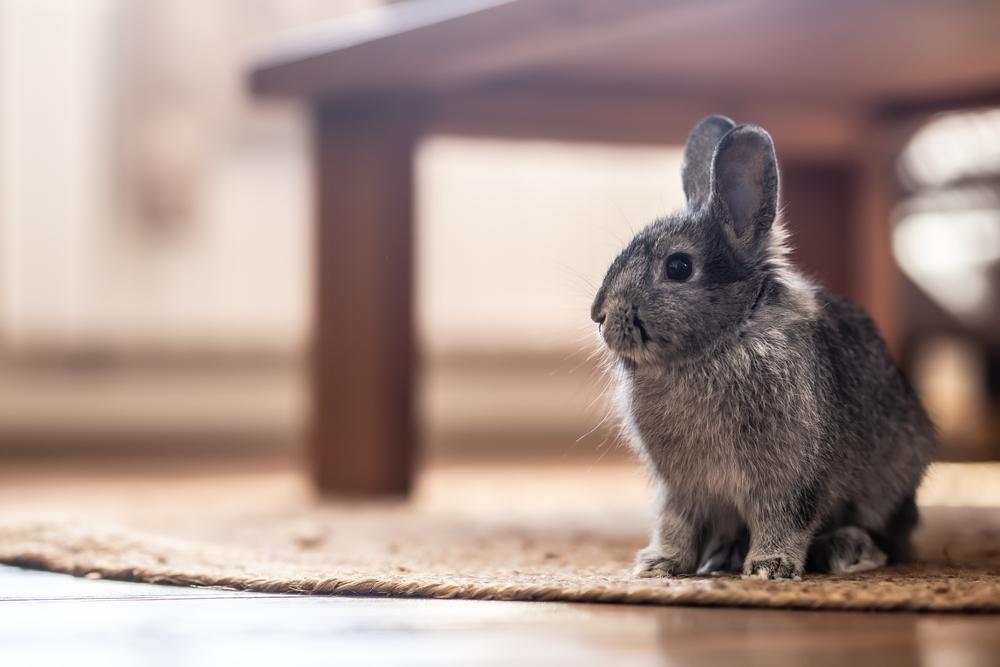
Dutch rabbits are often recommended for first-time rabbit owners because of their friendly personalities, manageable size (typically 3.5-5.5 pounds), and adaptability to indoor living. Known for their distinctive markings and social nature, many Dutch rabbits enjoy interaction and can form strong bonds with their owners. Their short coat also requires relatively low grooming maintenance compared to some longer-haired breeds, making them a practical choice for apartment dwellers seeking an engaging indoor companion.

Netherland Dwarf rabbits are the smallest breed at just 2-2.5 pounds, making their size manageable for apartment spaces. While they can initially be more energetic and skittish than larger breeds, early socialization and gentle handling transforms them into affectionate companions. Their small size makes them manageable in apartments, though they still require the same space guidelines as other breeds for proper physical and mental well-being.
Surprisingly, Flemish Giants can excel in large apartments despite being the largest domestic rabbit breed at 14-22 pounds. These “gentle giants” possess remarkably calm, sweet temperaments and spend much of their time lounging peacefully. Their docile nature often makes them easier to handle than smaller, more nervous breeds, though they require adequate floor space for comfort.

Essential Space and Setup Requirements for Apartment Rabbits
1. Minimum 32 Square Feet of Total Living Space
The ASPCA recommends at least 32 square feet of living space for a single rabbit, regardless of breed size. This translates to a 4×8 foot enclosure or equivalent exercise pen configuration. Many apartment rabbit owners find success with large exercise pens that can be reconfigured as needed and fold flat for storage. The enclosure should include a litter box in one corner, hay feeder, water bowl, and hiding spaces for security.
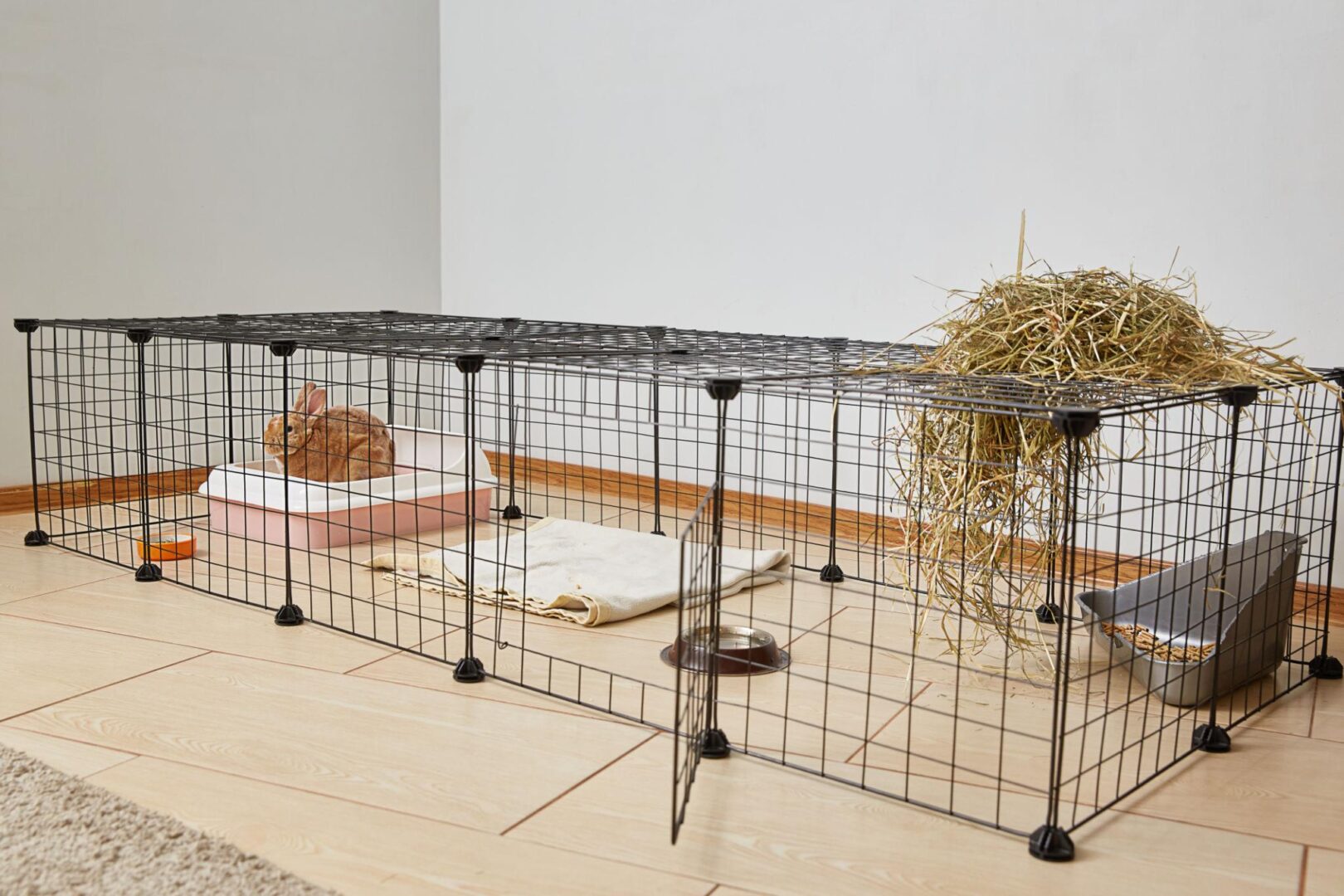
Traditional rabbit cages sold at pet stores are typically too small for proper rabbit welfare. Instead, focus on creating an open-plan habitat using exercise pen panels or dedicating a corner of a room with appropriate barriers. The space should allow natural behaviors like running, jumping, and stretching to full length.
2. 3-4 Hours of Daily Free-Roaming Time
Even apartment-friendly breeds require substantial exercise time outside their primary enclosure. Three to four hours of supervised free-roaming in a rabbit-proofed room is essential for physical health and mental stimulation. This exercise prevents obesity, promotes proper digestion, and reduces behavioral problems associated with confinement.
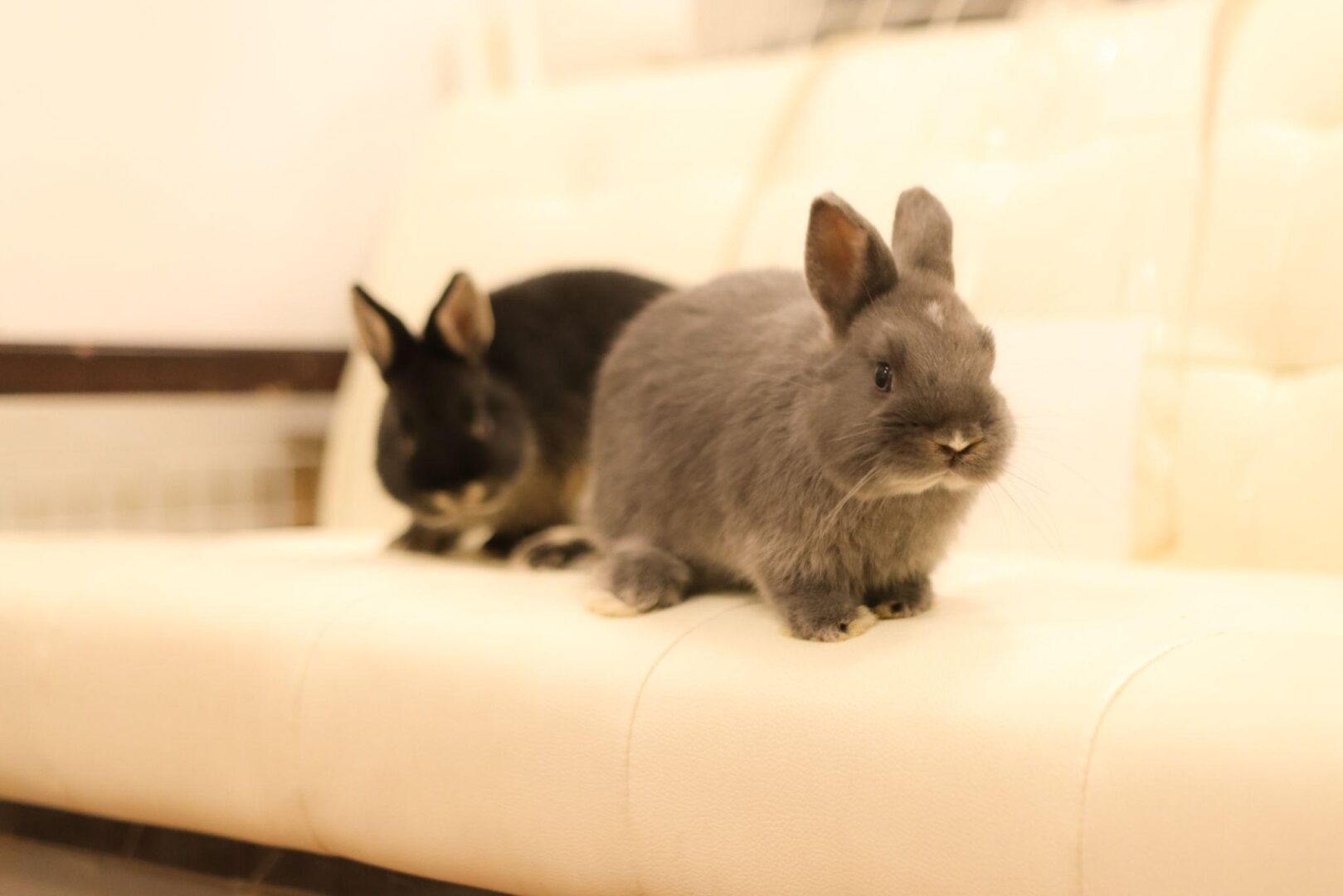
Many successful apartment rabbit owners establish free-roaming schedules during morning and evening hours when they’re home to supervise. The exercise area can be a single room or larger space, depending on apartment size and rabbit-proofing capabilities.
3. Rabbit-Proofing Your Apartment for Safety
Rabbit-proofing focuses primarily on protecting electrical cords, which pose the greatest safety risk. Rabbits are instinctive chewers, and electric shock from cord biting is a leading cause of preventable rabbit death. Cover all accessible wiring with cable management boxes, split loom tubing, or commercial cord covers.
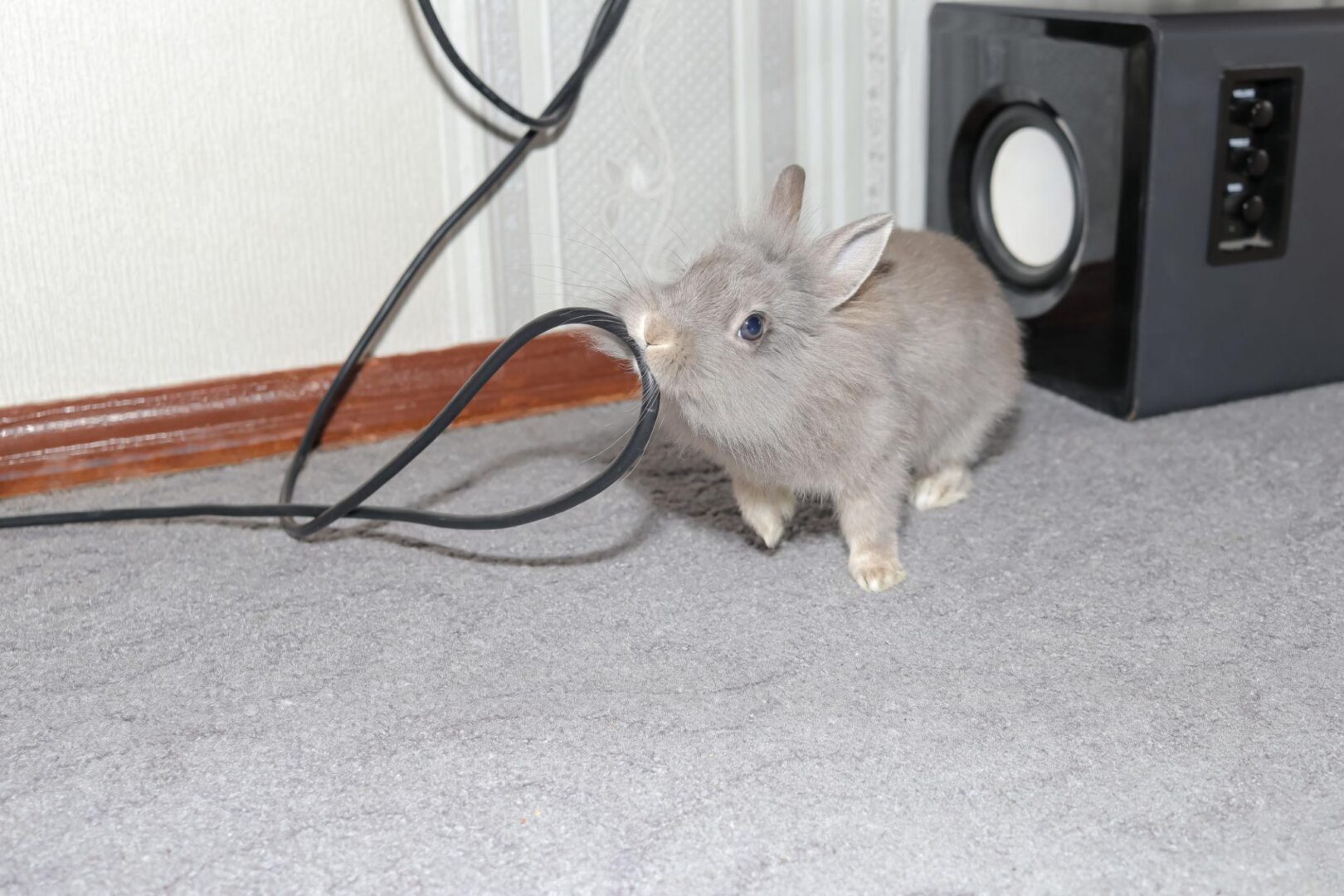
Additional safety measures include blocking access to toxic houseplants like pothos and philodendron, protecting wooden furniture legs with cardboard barriers, and securing loose carpets or rugs that might cause digestive issues if ingested. Remove or elevate valuable items within rabbit reach during free-roaming periods.
Why Rabbits Excel as Quiet Apartment Companions
Natural Litter Training Abilities
Rabbits naturally prefer to use a single bathroom area, making litter training remarkably straightforward compared to other small pets. Most rabbits will consistently use a litter box when one is provided in their habitat, typically within days of introduction. Use paper-based or wood pellet litters, avoiding clay or clumping varieties that can cause digestive problems.

Place the litter box in the corner where the rabbit naturally tends to eliminate, usually opposite their food area. Add a handful of hay to the box to encourage use, as rabbits often eat while eliminating. This natural behavior makes apartment rabbit keeping far more practical than many new owners expect.
Low Noise Levels with Occasional Thumping
Unlike dogs that bark or cats that vocalize extensively, rabbits are exceptionally quiet animals ideal for thin-walled apartments and noise-sensitive neighbors. Their running is nearly silent, and they rarely produce vocalizations loud enough to disturb others.
The primary noise rabbits make is occasional thumping with their hind feet, typically when startled or expressing displeasure. This behavior is brief and much quieter than barking, making rabbits one of the most apartment-neighbor-friendly pets available while still providing genuine companionship and personality.
Daily Care Routine and Long-Term Commitment
1. Essential Daily Feeding and Exercise Needs
Rabbit care centers on providing unlimited timothy hay, which should comprise 80% of their diet and promote proper dental wear. Fresh water must be available constantly, along with fresh leafy greens as an important part of their daily nutrition. High-quality pellets should be provided in appropriate portions to prevent obesity while meeting nutritional needs.
Daily exercise requirements include the 3-4 hours of free-roaming time plus mental enrichment through toys, tunnels, and foraging activities. Maintaining consistent feeding and exercise schedules helps apartment rabbits develop healthy routines and reduces stress.
2. Weekly Grooming and Maintenance Tasks
Most apartment-friendly breeds require minimal grooming, with weekly brushing sufficient for short-haired varieties like Mini Rex and Holland Lops. Long-haired breeds like Lionheads need daily brushing to prevent matting. All rabbits benefit from monthly nail trims, which can be done at home with proper technique or by a veterinarian.

Weekly habitat maintenance includes complete litter box changes, enclosure cleaning, and fresh bedding replacement. Spot-cleaning litter boxes daily prevents odors and maintains hygiene in close apartment quarters.
3. 8-12 Year Lifespan and Veterinary Care Costs
Rabbit ownership represents a significant long-term commitment, as these animals typically live 8-12 years with proper care. Annual veterinary wellness exams cost $50-150, while spaying or neutering ranges from $200-600 depending on location and veterinarian experience with rabbits. Most rescue orgs will cover the initial wellness exam and spay or neuter in the adoption fee- yet another reason to support rescue adoption.
It may be challenging to find a small animal specialty vet. Also, emergency veterinary care can be expensive, particularly for conditions like gastrointestinal stasis or dental problems common in rabbits. Apartment dwellers should budget $500-1000 annually for routine and emergency veterinary expenses, plus monthly costs for hay, pellets, and fresh vegetables.
Small-Size Breeds Offer Big Personalities for Apartment Living
The most apartment-suitable rabbit breeds prove that personality isn’t correlated with size. Netherland Dwarfs, despite weighing just 2-2.5 pounds, develop strong bonds with their owners and display remarkable intelligence in navigating apartment environments. Mini Rex rabbits bring curiosity and gentle playfulness that makes daily interaction rewarding without overwhelming small spaces.
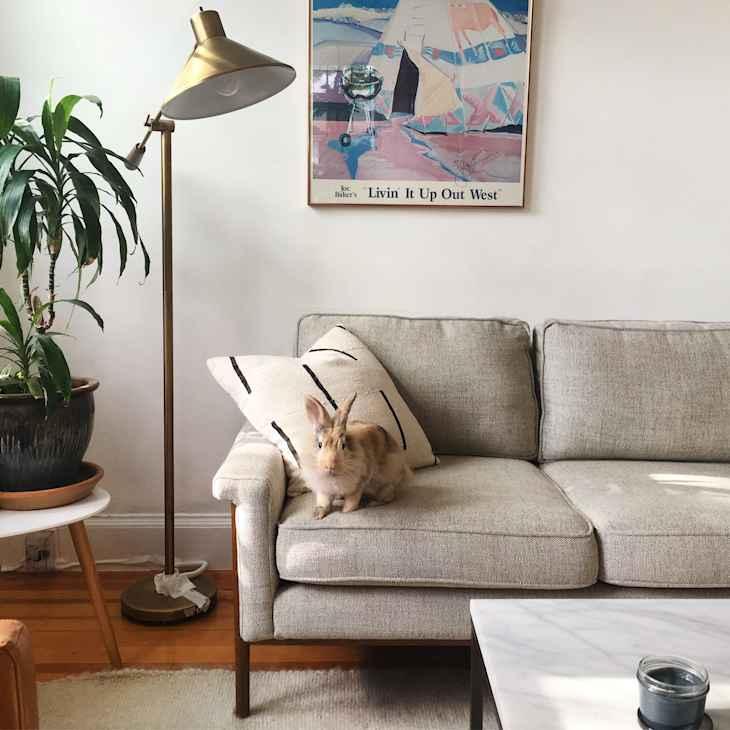
These smaller breeds adapt particularly well to apartment living because their exercise needs can be met within typical urban home layouts. Their manageable size makes veterinary care more affordable, grooming less time-consuming, and housing requirements achievable even in studio apartments. Lifespan varies by individual breed and care quality rather than size alone.
Success with apartment rabbit ownership depends less on choosing the “perfect” breed and more on understanding individual rabbit personalities and meeting their fundamental needs for space, exercise, social interaction, and proper nutrition. Many rabbit rescues allow potential owners to meet adult rabbits whose personalities are already established, often providing better matches than selecting based solely on breed characteristics. And most rabbit rescues rely on volunteer fosters to care for the rabbits waiting to be adopted. Fosters can be a wonderful resource for relaying a rabbit’s personality and preferences.
For apartment dwellers ready to welcome a rabbit companion, check our rabbit breed profiles to help navigate the rewarding experience of rabbit ownership in urban environments.