Field Spaniel Breed Rescue & Adoption FAQ Answered
Interview with Lee Hildebrand, Rescue Chair, Field Spaniel Society of America
In addition to articles that describe a dog breed based on research, in this case Field Spaniels, I wanted to share insider and breed expert knowledge with you. I hope that this interview will help answer your every question about what life with a Field Spaniel would be like so that you can make an educated decision about whether this breed would be a match for you and your lifestyle. The following is a summary of our conversation about the breed and breed rescue for Field Spaniels; it is a combination of direct quotes and my best attempt to paraphrase based on my interpretation of sentiment.
If after reading this and our informative article about the breed, you would like to learn more and possibly adopt a Field Spaniel from rescue, then I encourage you to contact Field Spaniel Society of America directly.
Family Dog Potential
Summary: Yes, For A Household That Respects This Mild-mannered Canine
Since people often ask if a breed could be a good match for households with children and other pets, I asked Lee for her opinion on this breed’s potential to be a match for families. She responded that “Generally speaking, they are good family dogs. They need to be socialized, you know. They, they can be reserved with strangers. It’s right there in the breed standard. So sometimes people have problems. If they are a house that has 400 kids running through it,” the dog may get a bit overwhelmed because they are normally not as gregarious as some other breeds. She reiterated that field spaniels normally do not “want to meet every single person. It takes them a little while sometimes to warm up.”
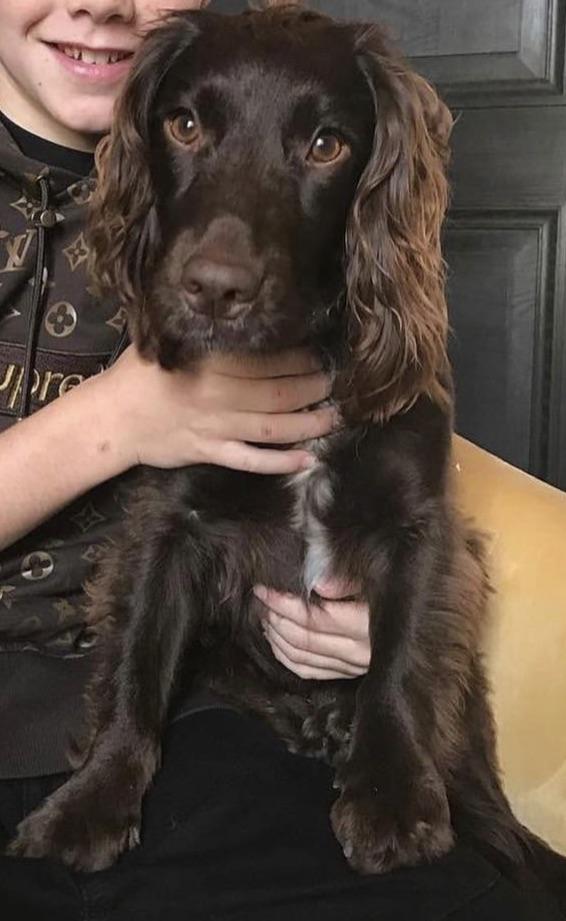
She elaborated that even though a reserved temperament is breed standard, her two eight month old puppies have completely yin and yang opposite personalities: “One is honestly, a people slut. She wants to meet everyone. I bring them to the nursing home that I work at and she wants to meet everyone, say hello to everyone, jump on everyone and be in everyone’s face. And the other one is much more reserved. She will let you pet her… She wags her tail, but she’s not seeking out the strangers… She is very loving with family and friends, but she, if it’s somebody new, she’s gonna take a little bit to check them out before she decides they’re okay to say hello”.
And this account was for two very loved and well situated dogs that belong to a breed rescue. So it is worth keeping in mind that a dog that is feeling insecure in general, like a dog who has just been adopted maybe have a period when the shyer personality may be “more pronounced because they’re not comfortable. And people I really have to stress to them that they need to be patient. People don’t understand that. Thye’re, you know, they [adopters] think they’re going to pick up dog on day one, and he’s [the dog] going to be perfect and happy. And you know it’s that’s not the case.” And quite frankly, I think being shell-shocked and shy is a common reaction for any breed and people too.
Helping Your Field Spaniel Rescue Adjust
Summary: Be Consistent, Orderly & Patient
Lee advises people “to have realistic expectations. You know, especially with a rescue. You don’t know what kind of baggage they came with. Perhaps that person always let them eat off the counter. You know you don’t know.”
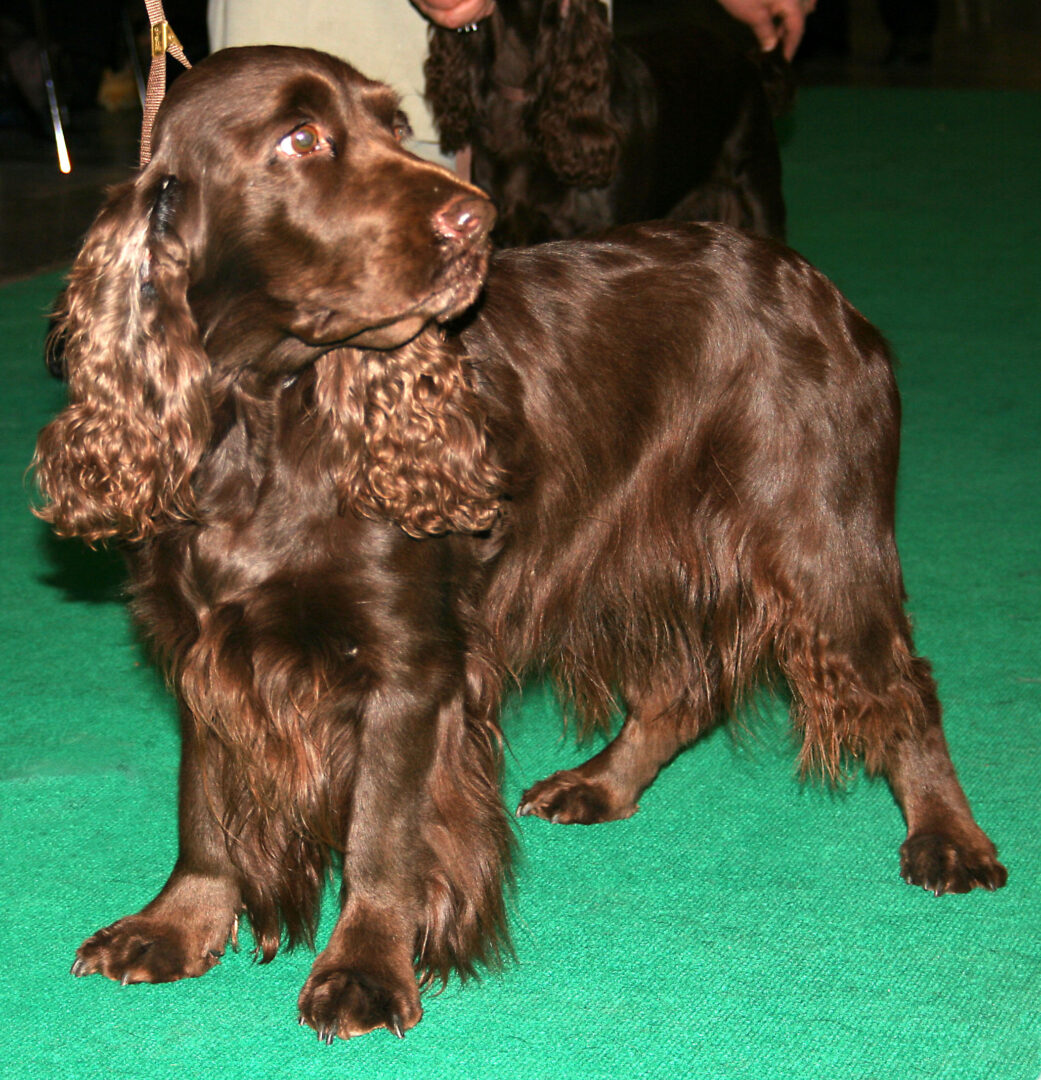
In general, creating a routine can help a dog acclimate and adjust. She went on to advocate that she “always preach(es) consistency. You know people will say to me, ‘Well, oh, my God, how do you even like feed 6 dogs’ because they each have their own spot that they go to in the feeding room, and that’s where they wait. And it’s consistent. This one’s always in that spot that one’s always over there, and they know that they eat” in that spot and do not get involved with the spots that belong to the other dogs.
Keep in Touch After Placement
Summary: Low Demand Yields High Standards for Breeding & Passionate Volunteer Follow Through
Lee also went on to explain that her passion for the breed, as with many rescue reps, applies to each of the dogs that she places. So she does not just place a dog and forget about it. “No one bothers each other, and off we’re done. I mean, and I tell the people upfront ‘you will be pestered by me. I want updates.’ [and] ‘we need to have conversation. I need to feel comfortable that these dogs are where they need to be, and if that’s going to be a bother to you, then we will stop. Because if you’re you know, if you can’t handle my occasional text or phone call, then you can’t have a dog.”
Personally, I was happy to send an update to ARF after adopting Lovie, or the artist formerly known as “Luis”. And I was in contact with Reggie’s original owner, groomer/shower, and breeder as well, through my godmothers and directly.
Lee furthered “Well, I mean, we’re not starting from a big base. So even if every breeder had a litter, it’s not. There’s not that many breeders in the United States. We used to be about a thousand dogs only in the United States, and we’re up a little bit more than that now, probably 1,500 or 1,600 dogs in the in the Us. But we don’t mind them not being that popular because it gives people the opportunity to do a better selection with breeding. You know, we’re not breeding everybody. We’re breeding actually, the ones that are the best examples of our breed, because the demand is not out there. You know you can’t produce a breeder, can’t produce 4 litters a year and find homes for all those puppies. There just aren’t people looking for field spaniels. So it means that if you’re going to breed you’re going to breed what’s closest to the standard? Who has met all their health clearances and that kind of thing versus breeding something that is lesser. Not that they’re not great dogs, but not to the standard, just because there’s people out there looking.”
Field Spaniels vs Cocker, English and Boykin Spaniels
Summary: Field Spaniels Are Pretty Chill
Since a lot of people either confuse or just want to know the difference between some of the more popular and common spaniels with the less common field spaniels, I asked Lee how she would compare the different breeds and her experience with the confusion. She relayed that “We’ve done meet the breeds. People have asked that question as well, and I think I think it’s an it’s a temperament issue. They’re just a little bit more calm. Cockers can be kinda crazy, and not that these guys aren’t happy, but they just they are a little bit more mellow, perhaps, than some of the other spaniel breeds, with the exception, perhaps, of a clumber, you know, because they’re almost comatose.” {joking}
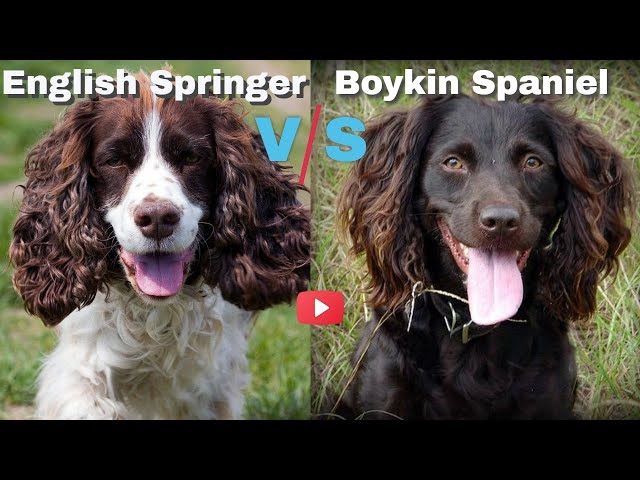
Lee accounted for the fact that their rescue org does “sometimes struggle with people saying, This is a field spaniel, and it’s actually like a field bred springer, or, you know, because we are such a rare breed. Or the local pound will reach out and say, we have a field spaniel, or they’ll advertise that they have a field spaniel, and then 47 people will tag me on it. In which case that’s not to say we haven’t helped other dogs that are not field spaniels. But you know, small group money needs to be spent on the group that people think it’s being spent, for you know one of my foster fails was definitely a cocker mix not a field spaniel, but you know he came to us for a reason, basically. So we do sort of work with those groups to sort of root out. ‘I think you need to talk to the Boykin people, or I think you need to talk to the Cocker spaniel people’ that kind of thing. And here’s why.”
Apparently, calls from shelters about a recently admitted dog is pretty common and Lee relayed how she often receives call from “the local pound call me up to say ‘we have a field spaniel.’ Now, the chances that they have a field spaniel are slim; but I always look. I always check it out”. She verifies:
(1) How tall are they?
(2) How much do they weigh?
93) She requests a profile picture (from the side)
Then she will assert that the “hair is definitely not a field spaniel. It’s a cocker spaniel. Please reach out to them. If you don’t get any response, let me know’. And then I can go back and sort of reach through the AKC. And point them in that direction.”
How Field Spaniels Compare to Working Breeds
Summary: They Like To Work But Aren’t Workaholics
Lee Hildebrand: As far as working breeds. They like to be busy, but they’re not obsessive like [how] a lab will bring you a ball 400 times in a row. A field spaniel will bring it 3 times, and say, if you’re done, I’m done, or if you want to keep throwing it 400 times. They’ll do it, but they’re not pushy about it.”
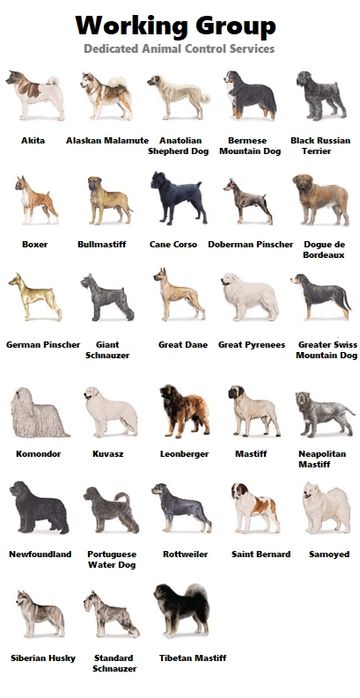
Jokingly, I think she may have been alluding to the OCD “throw the ball! Throw the ball!” behavior that many retrievers may exhibit, even though both breeds are members of the AKC sporting group.
Common Misconceptions
Summary: They Are Chillin’ Not Illin’ & This Group Has To Stick To Their Mission
When asked about common misconceptions about the breed, Lee responded “I think that’s probably their attitude is just probably the biggest misconception. I think people don’t understand their personalities, because what they see more often are springer spaniels or cocker spaniels, and the field spaniels tend to be a little more subdued. I really like to say that they like to do what the owner is doing. So if if you’re a jogger or a biker. They want to do that with you, but if you’re a couch potato they want to do that with you and not that every dog doesn’t need exercise, but I think people see springers and cockers as being more hyper and sort of put field spaniels in that group, and they’re different.”
She also wanted to clear up that “sometimes the impression is that we just don’t want to spend the money, or we don’t want to help them. And that’s not the case. But again, it’s a small group of people who have donated for field spaniel rescue. So I am sort of obligated to kind of. Be sure that it’s at least part field spaniel, you know”; since they do process mixed breeds if they at least clearly part field spaniel. But just because “it’s a solid color, especially if it’s brown. They’re [shelter staff may be] like, ‘oh, it’s brown. It’s a field spaniel’, you know, and well, you’re from North Carolina. It’s a Boykin. Look at the eyes. You know that kind of thing” seems to happen enough for Lee to make mention.
Lee asserted that there is often confusion about field spaniels versus some of the more common spaniels because many people do not seem to fully grasp how uncommon the breed is. She expanded “I don’t think they understand necessarily that this is a rare breed, you know. They may just look and say, Oh, my God, that’s a beautiful dog! Let me see if I can rescue one. You know what I mean. So I think from the adopter end they have read up. I think it’s the shelters are looking to ‘let me see if I can find a rescue organization that will take them’. I think all this is, you know; they’re all wizards in what they do. And they’re I mean, they’re wonderful places, but they want to assign a breed to it. So that look, we have a field spaniel, not we just have pit bulls, you know. I mean. I don’t think they come from a bad place.”
I was surprised to hear that she had encountered shelters that were being breed specific not just a group like “spaniel mix”, for example.
Lee’s One Wish
Summary: Have A Plan for The Dogs You Have & Patience for The Dogs You Want
When asked what one thing she would change if she were granted one wish, Lee responded about an issue related to supply and demand:
“I think, for field spaniels rescue is very small, and people send me an application, thinking that I have a whole big bank of dogs that need to be placed, and that’s not usually the case, and they get frustrated because I can’t give them what they want instantaneously.
And you know it may be it may be 6 months. It may be 8 months. When I get back to somebody, I mean, I always write to them and say ‘there’s nobody in rescue right now, but I will keep your contact information’…
They have to answer a series of questions trying to match up who’s there. Sometimes, when I get back to them with someone, people are mad because” they have already adopted or purchased another dog elsewhere. The reality is that no one can make a dog appear on demand, and it is great for the breed that there is more demand than supply because that means that the dogs aren’t languishing waiting to be adopted, they are being placed readily in loving homes.
Lee went on to explain “that’s the most frustrating [part] for them as well as for us. I mean, you know, there are perfect families out there, and I just I have nothing to give [them].”
And since Lee also works with breeder referral, she also shares “lists of people that are close to them who may be looking to place an older breeding dog or something” like perhaps a senior dog like our Afghan rescue, Reggie, who joined our family when his original owner was dying from cancer.
Lee made the good clarifying point that every breed rescue organization is different in regards to how they can address supply and demand. She explained that not “every breed has like golden retrievers where there’s, you know. If you want a golden retriever rescue, you’ll be able to find one, and that is not the case with a smaller breed” that is more rare. This breed rescue places four to five field spaniels a year on average.
Lee really tries “to be upfront with them as soon as I write back to their application…Sometimes they fill out the rescue application, thinking it’s like a breeder application, in which case they’re looking to buy a puppy in which so I send them to the breeders, because I do both sides”. But Lee described how most of the breeders their org works with takes the dogs back, if something happens to the owner, as seems to be the case for most reputable breeders. However, she did share that there were a couple incidents involving the need to place the dogs owned by breeders who had not planned thoroughly, including one breeder who had sixteen dogs.
Fortunately, this field spaniel rescue group was able to “rally the troops” of volunteers and supporters in the breed community and place the dogs. And to prevent the lack of estate or contingency planning from negatively impacting the dogs that they adopt out, they have in their application that if the owner cannot care for the dogs placed, that the dog would come back to Field Spaniel Society of America and not end up uncared for, abandoned or worse, dead. We discussed the need for more people in general to have a plan for what happens to their pets in case of emergency that could include severe illness, hospitalization, death, natural disaster, or even just being detained due to a delayed flight or work.
Lee advocated: “I don’t know how long I’m going to live. But do you know how about a suggestion in there that you need, you know. Make sure you have planning that you have some sort of backup system that things things happen in your life. Don’t leave your dog stranded at home”.