Key Takeaways
- Mini Satin rabbits are smaller, weighing around 3-4.5 pounds, while Satin rabbits are larger, weighing 6-11 pounds.
- Both breeds are known for their distinctive shiny coats, which require minimal grooming.
- Mini Satin rabbits are a newer breed developed from Standard Satins and other smaller breeds like the Netherland Dwarf.
- Satin rabbits tend to be more laid-back, making them excellent companions for families with children.
- Regular veterinary check-ups are essential for both breeds to prevent common rabbit health issues.
Why Choose Mini Satin or Satin Rabbits for Adoption
When it comes to adopting a rabbit, the choice between Mini Satin and Satin rabbits can be a delightful dilemma. Each breed offers unique qualities that can make them a great addition to your home. Whether you’re drawn to the compact size and lively nature of the Mini Satin or the larger, more relaxed demeanor of the Satin rabbit, understanding the differences is key to making an informed decision.
“Satin Rabbit and Mini Satins. Info and …” from www.raising-rabbits.com and used with no modifications.
Key Distinctions Between Mini Satin and Other Standard Satin Rabbits
Mini Satin rabbits, as their name suggests, are a smaller version of the Standard Satin rabbit. This size difference is one of the most noticeable distinctions. Mini Satins typically weigh between 3 to 4.5 pounds, whereas Standard Satins can range from 6 to 11 pounds. This size variation makes Mini Satins more suitable for smaller living spaces.
Another significant distinction lies in their breeding history. Mini Satins were developed by crossing Standard Satins with smaller breeds like the Netherland Dwarf. This mix not only reduced their size but also introduced a more playful and energetic temperament compared to the more relaxed Standard Satin.
Origins and Development of Both Breeds
The Satin rabbit’s journey began in the 1930s, when a genetic mutation in a Havana rabbit led to a unique fur texture and sheen. This discovery paved the way for the development of the Standard Satin rabbit, recognized for its luxurious coat. Breeders were fascinated by the glossy fur and set out to standardize the breed.
Mini Satin rabbits, on the other hand, are a relatively recent addition to the rabbit world. They emerged as breeders aimed to create a smaller version of the Satin rabbit that retained the stunning coat but with a more manageable size. By introducing genes from smaller breeds, breeders successfully established the Mini Satin, which quickly gained popularity due to its adorable appearance and engaging personality.
“Satin Rabbits | Facts, Appearance, Life …” from www.pinterest.com and used with no modifications.
Identifiable Characteristics of Mini Satin and Satin Rabbits
Understanding the physical traits of both Mini Satin and Satin rabbits can help you identify them easily. Both breeds are admired for their distinctive fur, but there are other features that set them apart.
- Size: As mentioned, Mini Satins are smaller, making them ideal for those who prefer a more compact pet.
- Coat: Both breeds have a satin-like sheen to their fur, a result of a genetic mutation that causes the hair shaft to be narrower and more reflective.
- Temperament: Mini Satins tend to be more active and curious, while Satins are often calmer and more laid-back.
Physical Appearance: Size and Weight
When considering a rabbit’s size and weight, it’s important to think about the space available in your home and your ability to handle the rabbit comfortably. Mini Satin rabbits are petite, weighing in at about 3 to 4.5 pounds. This makes them perfect for apartment living or households with limited space. For those interested in larger breeds, the Flemish Giant rabbit offers a different option with unique care requirements.
In contrast, Satin rabbits are larger and more robust, with weights ranging from 6 to 11 pounds. Their larger size can be a benefit for families with children, as they are often more tolerant of handling and less fragile than their smaller counterparts.
Notable Coat Colors and Patterns
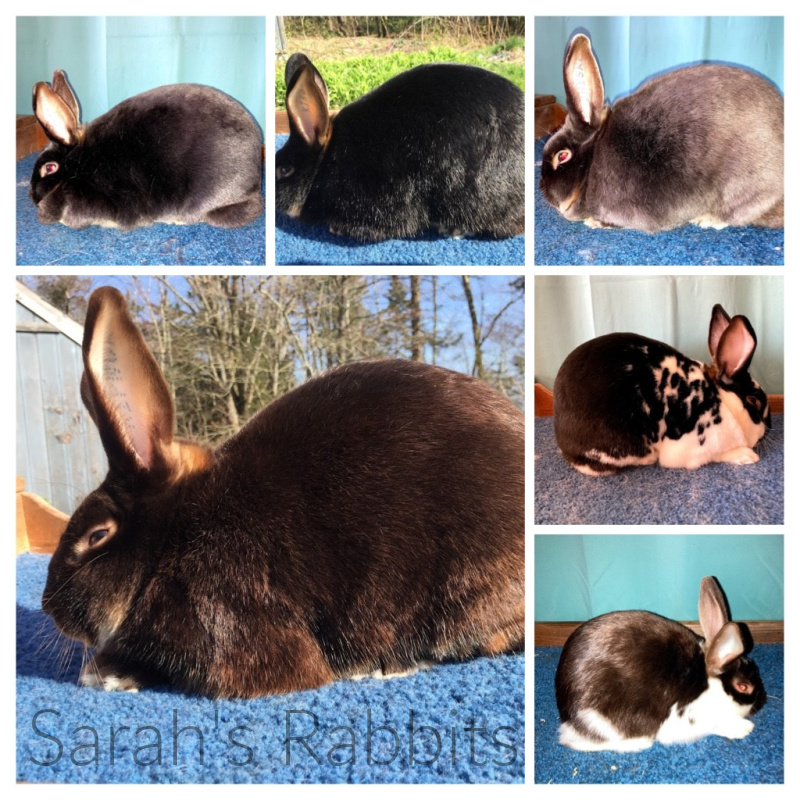
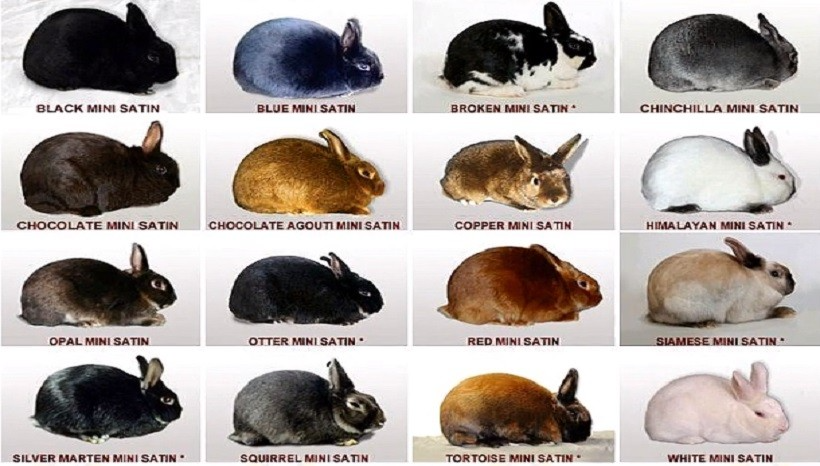
- Mini Satin: This breed comes in a variety of colors, including black, blue, chocolate, and red, among others. The diversity in color adds to their appeal.
- Satin: Similarly, Satin rabbits boast a wide range of colors, such as white, black, blue, and chocolate. Their coats are uniformly glossy, which is a hallmark of the breed.
Both breeds share a stunning, lustrous coat that makes them stand out. The Mini Satin’s smaller size and variety of colors make them particularly attractive to those looking for a unique pet.
Lifespan and Breeding Practices for Each Breed
Both Mini Satin and Satin rabbits can make long-term companions, provided they receive proper care and attention. Understanding their lifespan and breeding practices can help you ensure a healthy life for your rabbit.
Expected Longevity and Health Considerations
On average, both Mini Satin and Satin rabbits can live between 7 to 10 years. However, with exceptional care, some rabbits may live even longer. To maximize their lifespan, it’s crucial to provide a balanced diet, regular veterinary check-ups, and a stress-free environment.
Common health issues that affect both breeds include dental problems, gastrointestinal stasis, and respiratory infections. Regular monitoring of your rabbit’s health and prompt veterinary care can prevent these issues from becoming serious. For those considering other pets, understanding the diet and care of rare pet birds can also be beneficial.
- Dental Health: Rabbits’ teeth grow continuously, so providing plenty of hay and chew toys is essential to prevent overgrowth.
- Diet: A diet rich in fiber is vital to maintaining healthy digestion and preventing gastrointestinal issues.
Breeding Standards and Considerations
Breeding Mini Satin and Satin rabbits requires careful consideration of their genetics to maintain the desired traits. Breeders should prioritize health and temperament to ensure the continued success of these breeds.
For Mini Satins, breeding should focus on maintaining their small size and vibrant coat colors. Breeders often select rabbits with the best physical traits and temperaments to produce offspring that meet the breed standard.
Satin rabbits, on the other hand, should be bred with an emphasis on their glossy coat and calm demeanor. By selecting rabbits that exemplify these qualities, breeders can ensure that future generations continue to exhibit the best characteristics of the Satin breed.
Temperament and Personality Traits
Both Mini Satin and Satin rabbits are known for their friendly and approachable nature, making them excellent companions for pet owners. However, there are some differences in their temperaments that may influence your choice. For a broader understanding of different temperaments, you might want to explore the comparison of Belgian Sheepdog breeds.
Mini Satin rabbits are typically more energetic and playful. They enjoy exploring their surroundings and can often be found hopping around with curiosity. This lively nature makes them engaging pets, especially for those who appreciate an active rabbit. For more information on rabbit breeds, you might find this English Lop adoption guide helpful.
On the other hand, Satin rabbits are generally more laid-back and calm. They are content to relax and enjoy the company of their human companions. This temperament makes them a great choice for families looking for a gentle and easygoing pet.
- Mini Satins are curious and active, ideal for interactive play.
- Satins are calm and relaxed, perfect for a more serene environment.
- Both breeds are friendly and enjoy human interaction.
Behavioral Differences and Suitability for Pets
When choosing between Mini Satin and Satin rabbits, consider their behavioral traits and how they fit with your lifestyle. Mini Satins, with their lively demeanor, are well-suited for households that can provide plenty of mental and physical stimulation. They thrive in environments where they can explore and interact with their surroundings. For those interested in other rabbit breeds, you might want to explore the English Lop adoption guide for more insights.
Satins, due to their more relaxed nature, are ideal for families looking for a rabbit that enjoys cuddling and quiet companionship. They are less demanding in terms of activity, making them suitable for owners who prefer a more low-key pet experience. If you’re interested in learning about other large rabbit breeds, consider reading about Flemish Giant rabbit adoption.
Interaction with Families and Children
Both Mini Satin and Satin rabbits can make wonderful family pets. Their gentle nature and friendly disposition allow them to interact well with children. However, it’s essential to teach children how to handle rabbits gently and respectfully to prevent any stress or injury to the animal. For more tips on handling rabbits, you can explore this guide on handling Flemish Giant rabbits.
Mini Satins, with their playful energy, can be particularly engaging for children who enjoy active play. They can provide endless entertainment with their antics and curiosity. Meanwhile, Satin rabbits are perfect for children who appreciate a more relaxed and calm pet, offering a soothing presence in the household.
Health and Care Requirements
Ensuring the health and well-being of your Mini Satin or Satin rabbit involves understanding their specific care needs. Both breeds require attention to their diet, living environment, and grooming to thrive.
Rabbits, in general, are prone to certain health issues, so regular veterinary check-ups are crucial. Monitoring their diet and behavior can help catch any potential problems early, ensuring they live a long and healthy life.
- Regular vet visits to monitor health and prevent diseases.
- A balanced diet rich in hay, fresh vegetables, and limited pellets.
- Access to a clean and spacious living area to prevent stress.
Maintaining a clean environment and providing mental stimulation are also key components of rabbit care. Enrichment activities, such as toys and tunnels, can keep your rabbit entertained and mentally engaged. For more tips on rabbit care, check out our Flemish Giant Rabbit adoption guide.
Feeding and Diet Essentials
The diet of Mini Satin and Satin rabbits should be primarily composed of hay, which is essential for their digestive health and dental care. Fresh vegetables and a limited amount of pellets can complement their diet, providing necessary nutrients.
It’s important to introduce new foods gradually to avoid digestive upset. Fresh water should always be available, and treats should be given sparingly to prevent obesity. For more information on rabbit care, you can check out this guide on Flemish Giant rabbit adoption.
Grooming Needs and Practices
Both Mini Satin and Satin rabbits have a short, glossy coat that requires minimal grooming. However, regular brushing can help reduce shedding and keep their fur looking its best. During shedding seasons, more frequent brushing may be necessary to prevent hairballs.
Additionally, regular checks of their ears, teeth, and nails are important to ensure overall health. Dental health is particularly crucial, as rabbit teeth grow continuously and need to be worn down through chewing.
Fur Comparison: Mini Satin, Satin, and Other Rabbit Breeds
The satin-like fur of Mini Satin and Satin rabbits is one of their most striking features. This unique coat is a result of a genetic mutation that causes the hair shaft to be narrower, resulting in a glossy, reflective appearance.
Compared to other rabbit breeds, the fur of Mini Satin and Satin rabbits stands out due to its sheen and smooth texture. This makes them particularly appealing to those who appreciate the aesthetic qualities of their pets.
Fur Texture and Sheen
The texture of the fur in both Mini Satin and Satin rabbits is smooth and silky to the touch. This is due to the fine structure of the hair, which enhances its reflective properties. The sheen of their coat is often compared to that of satin fabric, hence the name.
While both breeds share this unique fur characteristic, Mini Satins are generally more vibrant in color, with a variety of shades available. Satin rabbits, while also colorful, tend to have a more uniform appearance.
- Satin-like sheen due to narrow hair shafts.
- Silky and smooth texture, easy to groom.
- Variety of colors available, especially in Mini Satins.
Other Breeds with Unique Fur Features
While Mini Satin and Satin rabbits are renowned for their glossy fur, other breeds also have distinctive coats worth mentioning. For instance, English Lop rabbits are known for their unique long ears and soft fur, which requires regular grooming to prevent matting.
Rex rabbits, on the other hand, have a plush, velvety coat that is incredibly soft to the touch. Each breed offers its own unique qualities, allowing potential rabbit owners to choose a pet that best fits their preferences and lifestyle. For those interested in larger rabbit breeds, the Flemish Giant rabbit might be an appealing option.
Which Rabbit Breed Makes the Better Pet?
Deciding between a Mini Satin and a Satin rabbit ultimately depends on your personal preferences and lifestyle. If you prefer a smaller, more active rabbit that thrives on interaction and exploration, the Mini Satin might be the perfect choice. Their vibrant personalities and diverse colors make them a popular option for many rabbit enthusiasts.
Conversely, if you’re looking for a more relaxed and serene companion, the Satin rabbit could be the ideal pet. Their calm demeanor and larger size make them excellent for families seeking a gentle and easygoing pet.
Ultimately, both breeds can make wonderful pets, and the decision should be based on the environment you can provide and the type of interaction you desire with your rabbit. Consider visiting breeders or rabbit rescues to meet both breeds in person, as this can help you make a more informed decision.
Pros and Cons of Mini Satin Rabbits
Mini Satin rabbits are known for their lively personalities and stunning, glossy coats. Their compact size makes them ideal for smaller living spaces, and they come in a variety of colors that appeal to many pet owners. Additionally, their playful nature makes them engaging companions, especially for families who can provide ample interaction and stimulation.
However, their energetic disposition requires a commitment to providing sufficient mental and physical activities. Without adequate enrichment, Mini Satins can become bored and potentially destructive. They also require regular health check-ups to prevent common rabbit ailments, such as dental issues and digestive problems.
Pros and Cons of Satin Rabbits
Satin rabbits offer a more relaxed and calm demeanor, making them excellent pets for families who prefer a gentle companion. Their larger size can be a benefit, as they are generally more tolerant of handling and less fragile. The Satin rabbit’s luxurious coat is a standout feature, adding to their appeal.
On the downside, their larger size means they need more space to move around comfortably. Although their grooming needs are minimal, regular checks are necessary to maintain their health. Like Mini Satins, Satins can also be prone to common rabbit health issues, so vigilance is required.
Overall Recommendations
Choosing between Mini Satin and Satin rabbits largely depends on your lifestyle and what you seek in a pet. If you have the time and space to engage with an active and curious rabbit, a Mini Satin might be your best match. Their small size and lively nature can bring much joy to a dynamic household. For more insights on pet adoption, you might find this adoption care guide helpful.
Alternatively, if you prefer a more laid-back pet that enjoys quiet companionship, a Satin rabbit may be the better choice. Their calm nature and larger size make them ideal for families who enjoy a more relaxed interaction with their pets.
- Mini Satin: Best for active households with space for play.
- Satin: Suitable for families seeking a calm, larger pet.
- Consider space, time, and interaction level when choosing.
Ultimately, both breeds offer unique qualities that can make them wonderful additions to your family. Spend time with each breed to see which one resonates with you and your lifestyle.
Frequently Asked Questions (FAQ)
Deciding on a rabbit breed can be challenging, so I’ve compiled some frequently asked questions to help guide your decision-making process.
What makes Mini Satin rabbits unique?
Mini Satin rabbits are unique due to their compact size and vibrant coat colors. Their energetic and playful nature sets them apart, making them engaging companions for those who enjoy interactive pets. The diversity in their coat colors adds to their appeal, offering a wide range of options for potential owners. For those interested in learning about other rabbit breeds, the English Lop adoption guide provides insights into another unique breed.
- Compact size suitable for smaller spaces.
- Wide variety of vibrant coat colors.
- Energetic and playful disposition.
How do you care for a Satin rabbit’s fur?
Caring for a Satin rabbit’s fur is relatively straightforward due to their short, glossy coat. Regular brushing can help minimize shedding and maintain the sheen of their fur. During shedding seasons, more frequent grooming may be needed to prevent hairballs. Additionally, ensure their living environment is clean to keep their coat in top condition.
Can Mini Satin rabbits live outdoors?
While Mini Satin rabbits can technically live outdoors, it’s important to provide a safe and secure environment to protect them from predators and extreme weather. Many owners choose to keep them indoors due to their small size and the increased risk of predation. If you opt for outdoor living, ensure their hutch is sturdy and weatherproof. For those considering larger breeds, you might want to explore Flemish Giant rabbit adoption as they are known for their size and different care needs.
Are there health issues specific to Satin rabbits?
Satin rabbits, like all rabbits, can be prone to certain health issues such as dental problems, gastrointestinal stasis, and respiratory infections. Regular veterinary check-ups are essential to catch any potential health concerns early. Providing a balanced diet rich in fiber can help prevent some common issues.