Article-at-a-Glance
- Pomeranians are small but mighty companions with big personalities, ideal for apartment living and those seeking a devoted pet that doesn’t require extensive exercise.
- While adorably fluffy and intelligent, Pomeranians require consistent grooming and can develop small dog syndrome without proper training and socialization.
- These spirited dogs can be excellent family pets with proper training, though they may form special bonds with one person while remaining friendly with the entire household.
- Pomeranians have moderate to high grooming needs with seasonal heavy shedding that requires regular brushing to maintain their iconic double coat.
- First-time dog owners can succeed with Pomeranians if they’re committed to training, socialization, and understanding the breed’s specific needs and potential health concerns.
Thinking about bringing a Pomeranian into your life? These pint-sized pups with fox-like faces and fluffy coats have captured hearts worldwide, but they’re not the right fit for everyone. Before falling for those button eyes and spunky attitudes, it’s crucial to understand what life with a Pom truly entails.
As a small breed with a big personality, Pomeranians offer companionship in a compact package that can adapt to various living situations. DogTime notes that Pomeranians are highly playful and intelligent, making them engaging companions for the right owner. However, their spirited nature and specific care requirements mean they’re not a one-size-fits-all pet solution.
Let’s explore the full picture of Pomeranian ownership to help you decide if this breed aligns with your lifestyle and expectations.
Pomeranian: Pros and Cons of Ownership
Understanding the advantages and challenges of Pomeranian ownership helps create realistic expectations about life with these charismatic little dogs. While their portable size and affectionate nature offer many benefits, potential owners should also be prepared for their specific care requirements and behavioral tendencies.
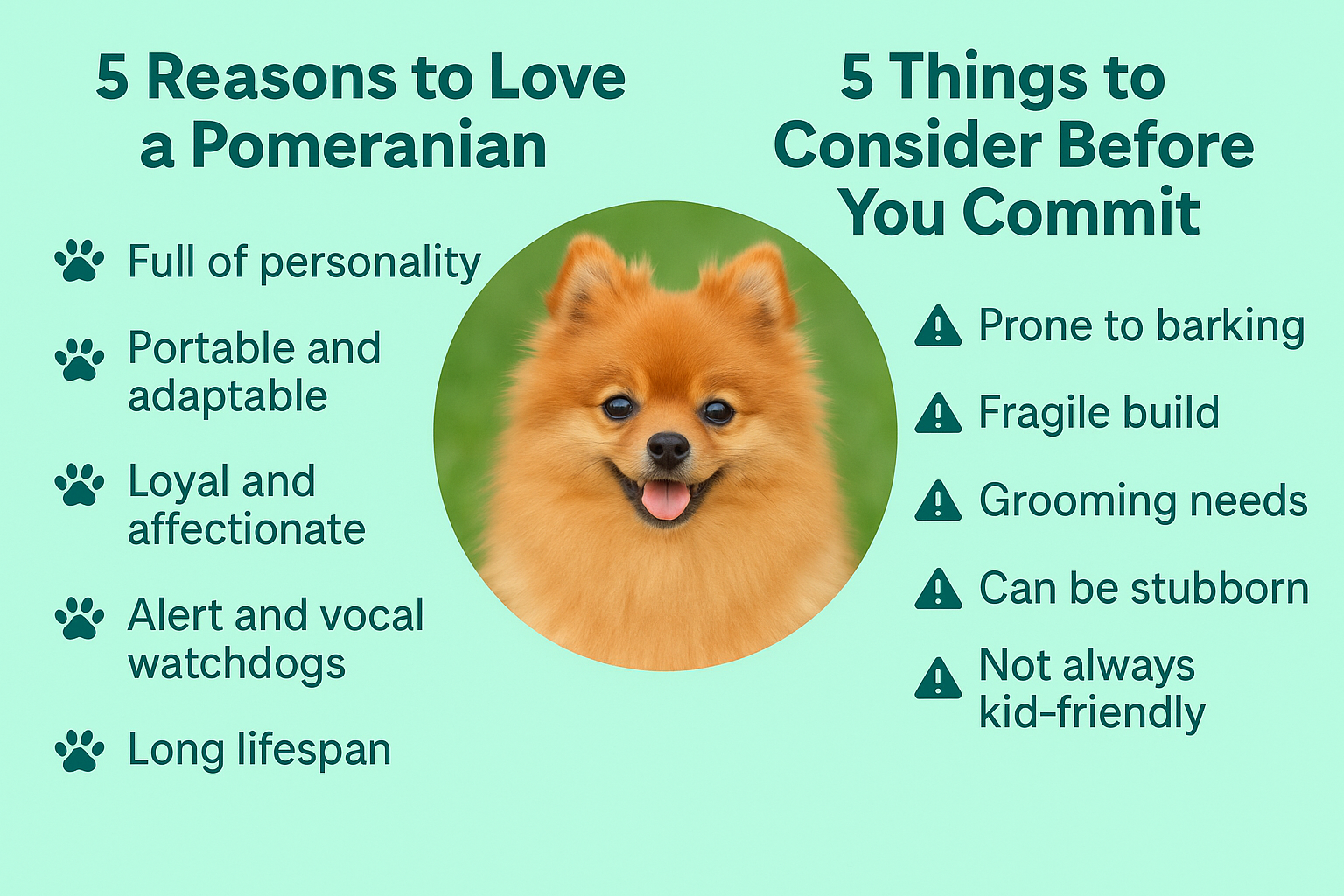
“Pros and Cons of Pomeranians …” from www.mawoopets.com and used with no modifications.
Advantages of Owning a Pomeranian
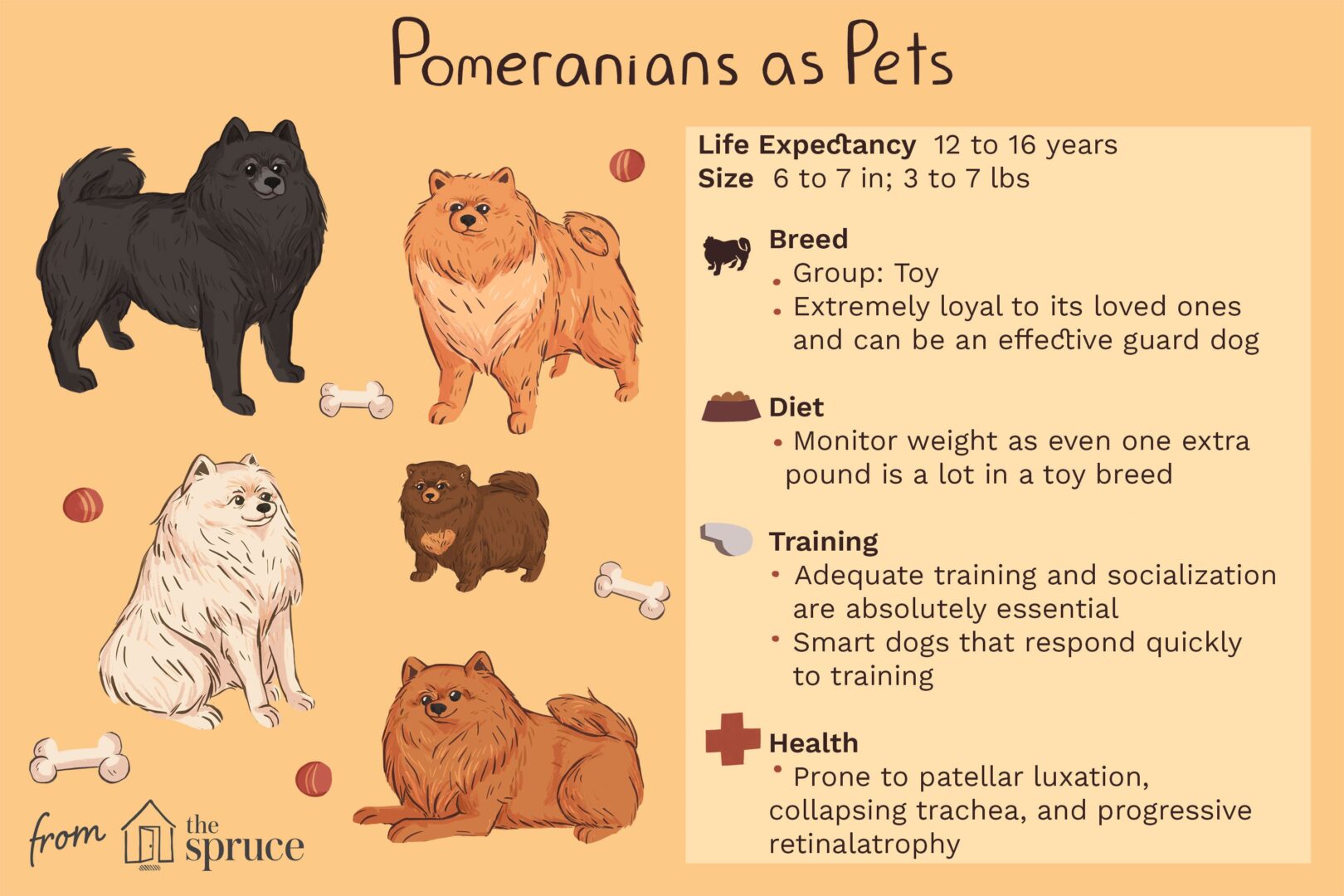
Pomeranians pack a lot of personality into a small frame, making them ideal companions for various living situations. Their compact size (typically 3-7 pounds) means they require minimal space and can adapt well to apartment living. Unlike larger breeds, their exercise needs can often be met with indoor play sessions and short walks, perfect for busy lifestyles or those with limited mobility.
These intelligent little dogs are quick learners and often excel at training and tricks, providing mental stimulation for both the dog and owner. Their alert nature makes them excellent watchdogs despite their size – they’ll reliably announce any visitors or unusual activity. Many Pom owners appreciate this protective instinct, especially those living alone. For more detailed insights, you can explore Pomeranian dog breed information.
Pomeranians typically live 12-16 years, offering a longer companionship than many larger breeds. Their affectionate and loyal temperament creates strong bonds with their owners, and their playful spirit keeps households lively and entertaining. For many, the Pomeranian’s expressive face and fox-like appearance provide an aesthetic appeal that’s hard to resist.
Challenges and Drawbacks of the Breed
Despite their many positive attributes, Pomeranians present several challenges that prospective owners should carefully consider. Perhaps most notably, Pomeranians have earned a reputation as vocal dogs with a tendency to bark excessively without proper training. This can create friction with neighbors, particularly in apartments or dense housing situations where sound travels easily.
Their luxurious double coat requires significant maintenance with regular brushing and professional grooming recommended every 4-6 weeks. Seasonal shedding can be substantial, making these dogs less ideal for those with allergies or an aversion to finding fur on furniture and clothing. The grooming requirements represent both a time and financial commitment that shouldn’t be underestimated.
Pomeranians can develop what’s commonly called “small dog syndrome” if not properly trained and socialized. This manifests as stubborn behavior, excessive barking, and sometimes aggression toward strangers or other animals. Additionally, their small size makes them fragile – they can be injured by rough handling, jumping from furniture, or interactions with larger dogs. This vulnerability necessitates vigilant supervision, especially around young children who might not understand how to handle them gently.
Pomeranian Personality and Behavior
The Pomeranian’s distinctive personality is often what draws people to the breed, but understanding their behavioral tendencies helps owners create appropriate environments and relationships. These dogs bring a unique blend of intelligence, confidence, and affection that shapes how they interact with their human families and the world around them.
- Intelligent and alert, often watching their surroundings with keen interest
- Confident and sometimes bossy despite their small size
- Energetic and playful well into adulthood
- Loyal and affectionate with their families
- Independent yet social, enjoying both attention and some alone time
- Potentially territorial and protective of their people and space
These personality traits combine to create a dog that’s engaged with life and forms strong bonds with their humans, though their independent streak means they’re not typically clingy or dependent. Understanding these inherent tendencies helps owners work with rather than against their Pomeranian’s natural inclinations.
“Pomeranian (Pom): Dog Breed …” from www.thesprucepets.com and used with no modifications.
Key Personality Traits
Pomeranians possess a fascinating blend of spunk and sophistication that belies their diminutive size. These dogs are known for their confident, almost regal demeanor – a trait inherited from their larger Spitz ancestors. Despite weighing only 3-7 pounds, Pomeranians often behave as though they’re much larger, displaying a fearlessness that can sometimes border on audacity when confronting unfamiliar situations or even much larger dogs.
Intelligence shines through in the Pomeranian’s quick learning abilities and problem-solving skills. This cognitive sharpness makes them excellent candidates for training in tricks, agility, and even competitive obedience when approached with consistency and positive reinforcement. Their alert nature means they’re constantly processing their environment, making them excellent watchdogs who reliably announce any changes or perceived threats in their surroundings.
Beneath their independent exterior lies a deeply affectionate companion who forms strong bonds with their humans. While not typically “velcro dogs” that demand constant physical contact, Pomeranians express their devotion through attentiveness, following their people from room to room, and offering enthusiastic greetings. This balanced temperament – independent yet connected – makes them adaptable companions for various lifestyles and household dynamics.
Behavior with Families and Children
Pomeranians can thrive in family settings with the right dynamics and expectations. In households with respectful, gentle children who understand proper handling of small dogs, Pomeranians often become playful, protective companions. However, their small stature makes them physically vulnerable to accidental injury from rough play or mishandling by young children who haven’t yet developed appropriate motor control or gentleness.
Most experts recommend Pomeranians for families with older children (10+ years) who can understand the dog’s physical limitations and respect boundaries. The risk isn’t just to the dog – Pomeranians may snap or nip if they feel threatened or handled roughly, which can lead to negative interactions with younger children. For families with toddlers or very young children, supervision is absolutely essential during all interactions.
Many Pomeranians adapt beautifully to multi-person households, distributing their affection while respecting the family hierarchy. They generally recognize and respond well to consistent primary caretakers but can form meaningful bonds with all family members who treat them with kindness and respect. Their playful nature makes them entertaining family members who can bring joy and laughter to households of all sizes.

“Finding a Family Dog: Are Pomeranians …” from nativepet.com and used with no modifications.
Attachment to a Single Person: Myth or Reality?
While Pomeranians often develop special bonds with their primary caregiver, the notion that they exclusively attach to one person is more nuanced than popular belief suggests. These dogs typically form their strongest connection with whoever provides the most consistent care, training, and positive interaction – but this doesn’t mean they’re incapable of forming meaningful relationships with other household members or even regular visitors.
What appears as exclusive attachment is often a manifestation of the Pomeranian’s observant nature and ability to recognize patterns. They quickly learn who feeds them, walks them, and engages in play most frequently, naturally gravitating toward that person for security and attention. However, well-socialized Pomeranians generally remain friendly and receptive to interaction with all family members, even if they have an obvious favorite. For more insights on maintaining your dog’s emotional well-being, consider reading about senior dog socialization.
For families concerned about balanced relationships with their Pomeranian, the solution is straightforward: ensure multiple family members participate in feeding, walking, training, and playtime. This distributed care approach helps the dog form positive associations with everyone in the household rather than developing an overly dependent relationship with just one person. The result is typically a well-adjusted dog that maintains special bonds while remaining adaptable and friendly with the entire family unit. For insights on maintaining your dog’s well-being, consider reading about senior dog socialization and its benefits.
Training and Managing Barking
Training is perhaps the most crucial investment you can make in your relationship with a Pomeranian. Despite their small size, these dogs have big personalities that benefit tremendously from clear boundaries and consistent guidance. Without proper training, their natural confidence can evolve into problematic behaviors including excessive barking, resource guarding, and difficulty with handling or grooming.
Early socialization plays a pivotal role in developing a well-adjusted Pomeranian. Exposure to different people, animals, environments, and experiences during their formative weeks and months helps prevent the fearfulness that often underlies reactive barking and aggressive displays. This socialization should continue throughout their lives, as Pomeranians can become more territorial and suspicious without regular positive interactions outside their immediate family.
One particular training challenge that deserves special attention is barking management. Pomeranians have earned their reputation as vocal dogs for good reason – they’re alert watchdogs by nature and use their voices liberally to communicate everything from excitement to anxiety to territorial warnings. Without specific training to moderate this natural tendency, excessive barking can become one of the most challenging aspects of Pomeranian ownership.
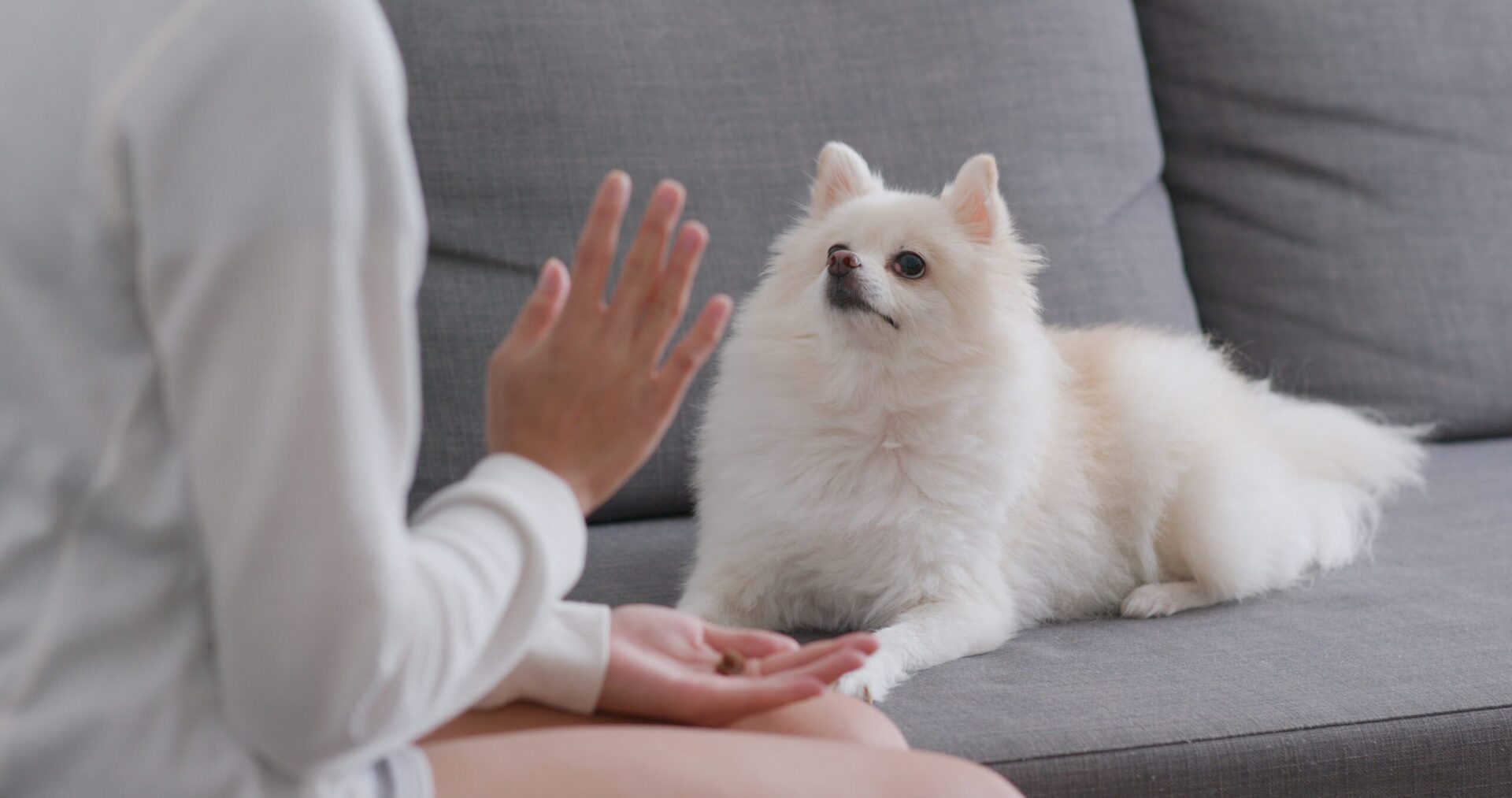
“Training Your Pomeranian: Raising a …” from pommymommy.com and used with no modifications.
Effective Training Tips for Pomeranians
Successful Pomeranian training hinges on consistency and positive reinforcement rather than harsh corrections. These intelligent but sometimes stubborn dogs respond beautifully to reward-based methods that make desired behaviors more rewarding than unwanted ones. Short, engaging training sessions of 5-10 minutes several times daily yield better results than longer, less frequent sessions that might exceed their attention span.
Establishing yourself as a benevolent leader is essential with this breed that sometimes develops “small dog syndrome” when allowed to make too many household decisions. This doesn’t mean using intimidation or force – rather, it involves consistent rules, structured routines, and requiring polite behavior before granting access to resources like food, attention, or play. A Pomeranian who understands their place in the family hierarchy typically feels more secure and displays fewer problematic behaviors.
- Start training early – ideally from the moment your Pomeranian comes home
- Use high-value treats and enthusiastic praise to reward desired behaviors
- Maintain brief, positive training sessions multiple times daily
- Practice commands in progressively more distracting environments
- Address unwanted behaviors by redirecting to acceptable alternatives
- Avoid harsh corrections that can damage trust and confidence
Clicker training can be particularly effective with Pomeranians, as the distinct sound helps them precisely identify which behaviors earn rewards. Many Pomeranian owners find success with this method for teaching everything from basic obedience to impressive tricks that showcase their dog’s intelligence and provide valuable mental stimulation. For those interested in other small, intelligent breeds, the Brussels Griffon is another excellent option to consider.
Controlling Barking: A Step-by-Step Guide
- Identify barking triggers – territorial responses, attention-seeking, boredom, anxiety, or alarm
- Teach a “quiet” command by calmly saying “quiet” when barking begins, waiting for a momentary pause, then immediately rewarding silence
- Provide alternative behaviors – teach your Pomeranian to perform an incompatible action when trigger situations occur
- Address underlying causes like insufficient exercise, mental stimulation, or separation anxiety
- Consider using management tools like white noise machines to mask external sounds
- Practice desensitization to common triggers through gradual, positive exposure
Consistency is the cornerstone of successful bark training. Every family member must respond the same way to inappropriate barking, or your Pomeranian will quickly learn which person allows the behavior to continue. This means establishing clear household rules about which barking is acceptable (brief alert barks) versus excessive (continuous barking at every passerby).
Environmental management plays a significant role in reducing problematic barking. Simple adjustments like blocking visual access to busy sidewalks, providing adequate exercise before leaving your Pomeranian alone, and ensuring they have appropriate mental stimulation can dramatically reduce barking that stems from boredom, territorial reactions, or excess energy. Many owners find that puzzle toys filled with treats keep their Pomeranians productively occupied rather than practicing their vocal skills.
For persistent barking issues that don’t respond to basic training, consider consulting a professional dog trainer with positive reinforcement expertise. They can help identify specific triggers and develop a customized plan to address your Pomeranian’s particular barking patterns. Early intervention typically yields the best results, as barking can become a self-reinforcing habit that grows more challenging to modify over time.
Shedding and Grooming Requirements
The Pomeranian’s stunning coat is one of its most distinctive features, but it comes with significant maintenance responsibilities. That glorious double coat—consisting of a dense, soft undercoat and longer guard hairs—requires regular attention to keep it healthy, mat-free, and looking its best. Understanding the reality of Pomeranian grooming needs is essential before bringing one of these fluffy companions home.
While their small size might suggest minimal grooming requirements, the opposite is true. Pomeranians are moderate to heavy shedders who require consistent coat care to prevent matting and skin issues. The investment in proper grooming tools and regular maintenance should be factored into the overall commitment of Pomeranian ownership.
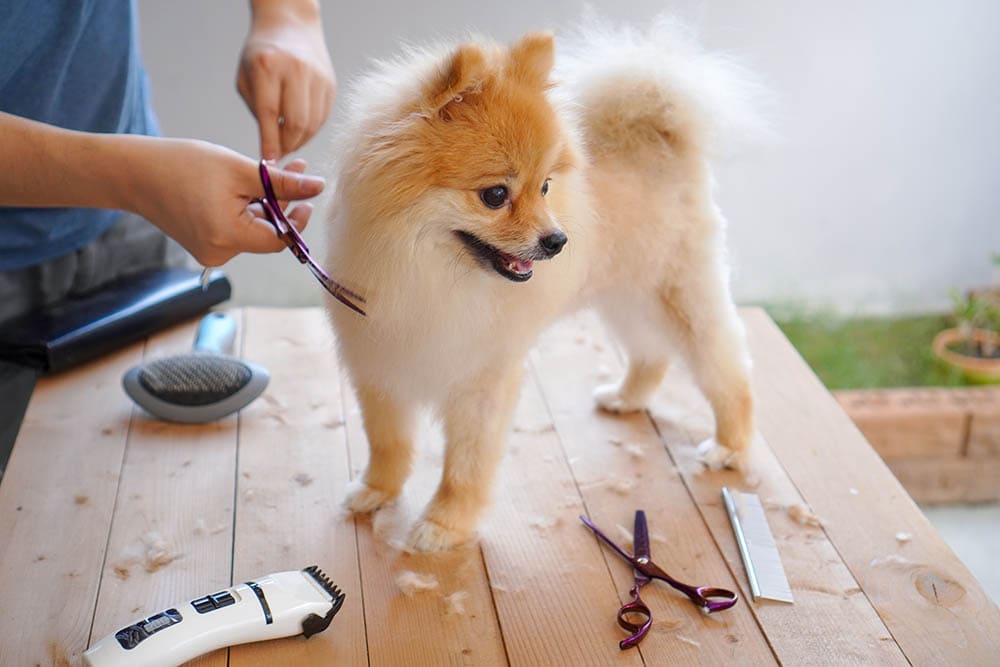
“25 Awesome Pomeranian Haircuts to Try …” from www.dogster.com and used with no modifications.
Frequency of Shedding and Coat Care
Pomeranians shed year-round with two heavier seasonal “blowing coat” periods typically occurring in spring and fall. During these seasonal transitions, the undercoat sheds dramatically as the dog’s body prepares for temperature changes. This natural process can be surprising for first-time Pomeranian owners who may find tufts of fur throughout their home despite the dog’s small size.
Regular brushing is essential for managing shedding and maintaining coat health. Most Pomeranian experts recommend brushing at least 2-3 times weekly during normal periods and daily during heavy shedding seasons. This frequent brushing not only removes loose fur before it ends up on furniture but also prevents painful mats and tangles from forming close to the skin. For more insights, you can explore this Keeshond expert interview for additional grooming tips.
The relationship between diet and coat health shouldn’t be overlooked. Pomeranians fed high-quality diets rich in essential fatty acids typically display healthier coats with reduced excessive shedding. Supplements like fish oil can sometimes help improve coat condition when recommended by a veterinarian, though they’re not a substitute for regular brushing and proper grooming.
Essential Grooming Practices
- Brushing: Use a pin brush followed by a slicker brush to reach both coat layers
- Bathing: Monthly with dog-specific shampoo and conditioner
- Professional grooming: Every 6-8 weeks for shaping and maintenance
- Nail trimming: Every 3-4 weeks to prevent overgrowth and splitting
- Teeth cleaning: Daily brushing or dental treats to prevent dental disease
- Ear cleaning: Weekly checks and cleaning as needed to prevent infections
The “pom-pom” look that makes Pomeranians so recognizable requires specific grooming techniques that many owners choose to leave to professionals. While regular maintenance brushing can be done at home, most Pomeranians benefit from professional grooming every 6-8 weeks to maintain their characteristic appearance and prevent matting in difficult-to-reach areas like armpits, behind ears, and around the collar area.
Grooming sessions provide excellent opportunities to check for skin issues, parasites, or abnormalities that might otherwise go unnoticed beneath the dense coat. Regular handling during grooming also helps Pomeranians become comfortable with being touched all over their bodies—a valuable trait for veterinary visits and general care throughout their lives.
Pomeranians Compared to Similar Small Breeds
When considering a small companion dog, potential owners often find themselves comparing several popular breeds. Understanding how Pomeranians stack up against other small dogs helps clarify whether their specific traits and requirements align with your lifestyle and preferences.
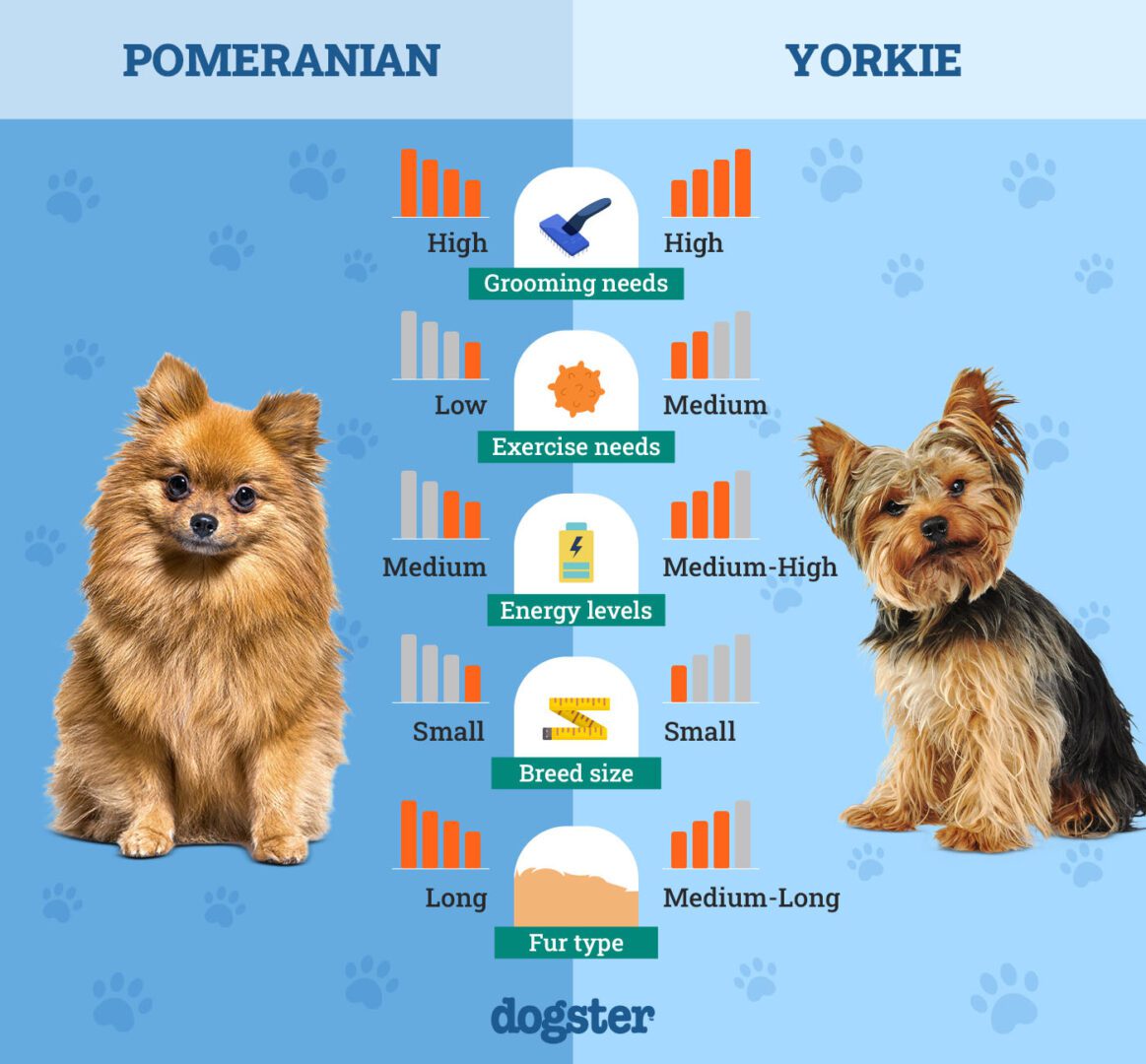
“Pomeranian vs Yorkie: The Differences …” from www.dogster.com and used with no modifications.
Similarities to Other Small Breeds
Pomeranians share several characteristics with other popular small breeds like Chihuahuas, Yorkshire Terriers, and Shih Tzus. All typically have long lifespans of 12-16 years, providing companionship for significantly longer than many larger breeds. Their small size makes them adaptable to apartment living and suitable for owners with limited space for a larger dog.
Most small breeds, Pomeranians included, require less food than larger dogs, potentially reducing the ongoing cost of feeding. Their exercise requirements are generally more modest as well, with daily needs often met through indoor play and short walks rather than extensive outdoor activities. Additionally, these small companions are typically quite portable, making them easier to travel with than larger breeds.
Many small breeds develop strong bonds with their owners and excel as companion animals, offering affection and loyalty in abundance. They often function as excellent watch dogs despite their size, alerting to visitors or unusual activity with reliable barking. This protective instinct serves as both a similarity and, in some cases, a challenge across small breeds.
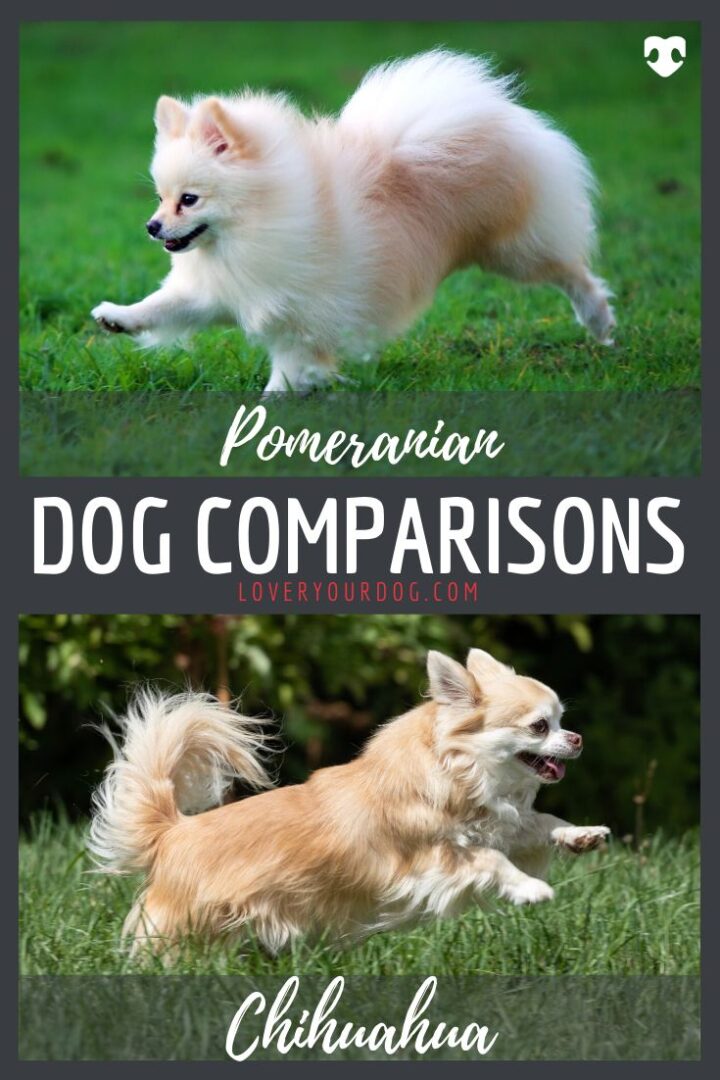
“Pomeranian vs. Chihuahua: Which is …” from www.pinterest.com and used with no modifications.
Distinct Differences with Breeds Like Chihuahuas and Yorkshire Terriers
“While Pomeranians and Yorkshire Terriers both have luxurious coats requiring regular maintenance, Yorkies have hair rather than fur, making them somewhat less prone to shedding and potentially better suited for those with mild allergies. Chihuahuas, with their short coats, require significantly less grooming than the plush double-coated Pomeranian.”
Temperament differences become apparent when comparing these popular small breeds. Pomeranians typically display more independence than Chihuahuas, who often form intensely attached, one-person bonds. Yorkshire Terriers generally exhibit stronger terrier traits with more pronounced prey drive and digging instincts than Pomeranians. Shih Tzus tend to be more laid-back and less alert than the vigilant, sometimes reactive Pomeranian.
Trainability varies significantly across small breeds as well. Pomeranians are generally highly intelligent and responsive to training, though sometimes stubborn. Chihuahuas can be challenging to housebreak compared to Pomeranians, while Yorkshire Terriers often match Pomeranians in trainability but may be more single-minded when pursuing interesting scents or small moving objects due to their terrier heritage.
Health considerations also differ between these breeds. Pomeranians are prone to certain conditions like collapsed trachea, luxating patellas, and dental issues. While some of these concerns overlap with other small breeds, each breed has its specific health profile that potential owners should research thoroughly before making a decision.
Are Pomeranians Suitable for First-Time Owners?
The question of whether Pomeranians make good first-time dogs deserves careful consideration. Their appeal is undeniable—charming, small, and undeniably adorable. However, beneath that fluffy exterior lies a complex personality with specific needs that may challenge inexperienced dog owners.
Considerations for First-Time Dog Owners
Pomeranians can be wonderful first dogs for the right owner who understands their specific needs and challenges. Their intelligence makes them responsive to consistent training, while their size means they’re manageable in terms of physical control and space requirements. For first-time owners willing to invest time in training and socialization from the beginning, Pomeranians can develop into well-behaved, delightful companions. If you’re considering other breeds, you might want to explore the Keeshond dog breed as well.
The breed’s longevity means first-time owners are committing to a relationship that may span 12-16 years—a significant consideration for those uncertain about long-term life plans. Their grooming requirements represent another important factor, as regular brushing, occasional professional grooming, and managing seasonal shedding require consistent time and financial commitments that might surprise unprepared first-time owners. For more detailed insights, you can explore the Pomeranian dog breed information.
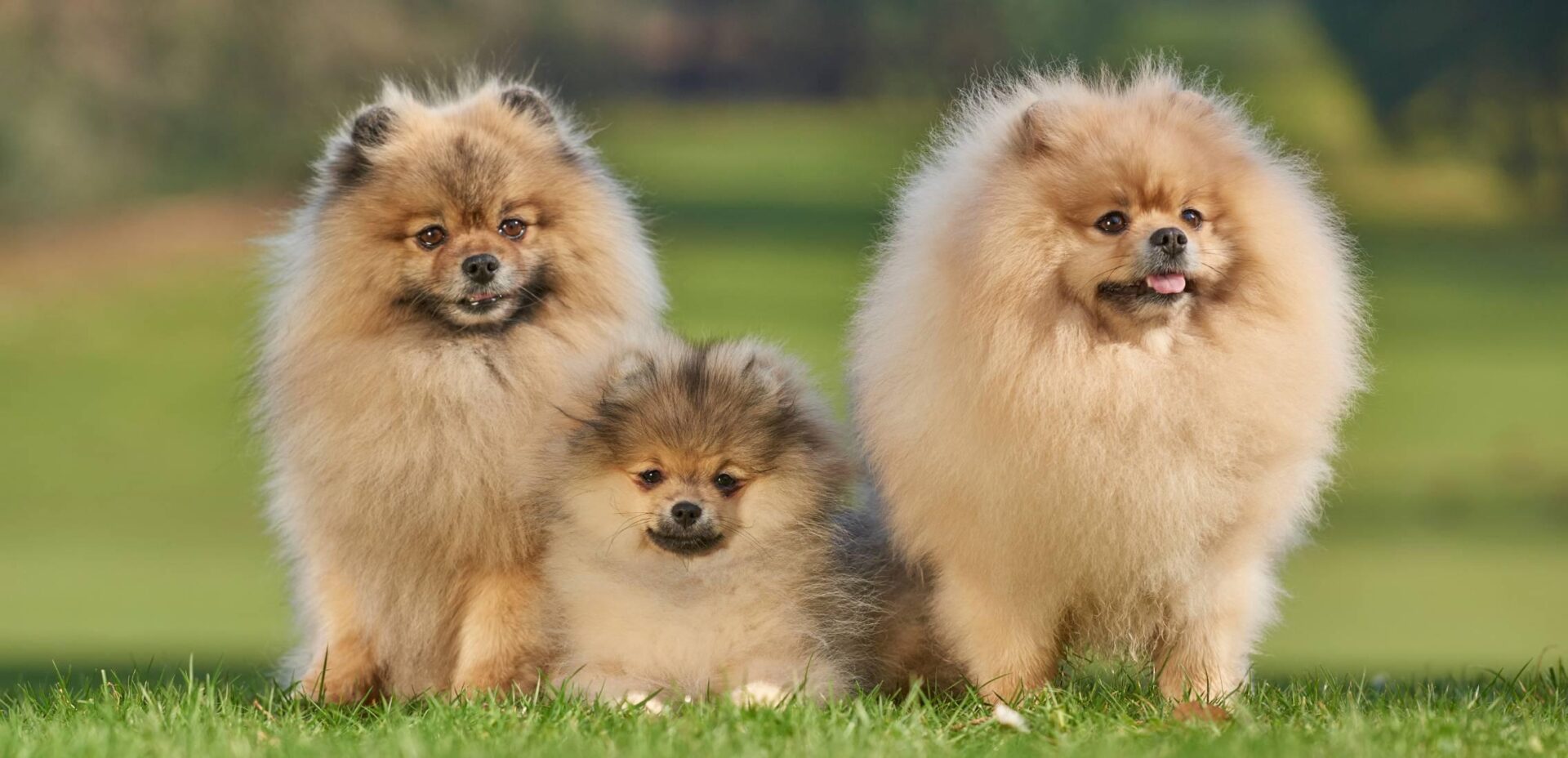
“Pomeranian Dog Breed Info: Temperament …” from pottybuddy.co and used with no modifications.
Common Misunderstandings for New Pomeranian Owners
Many first-time Pomeranian owners underestimate the training needs of these small dogs, mistakenly believing that cute behaviors in puppies will naturally resolve as they mature. Without proper guidance, Pomeranians can develop problematic behaviors including excessive barking, resource guarding, and difficulty with handling—issues that become increasingly challenging to modify as the dog ages and habits become entrenched.
Frequently Asked Questions
As a popular breed worldwide, Pomeranians generate many questions from prospective and current owners alike. The following addresses some of the most common inquiries about these spirited companions.
What is the average lifespan of a Pomeranian?
Pomeranians typically enjoy relatively long lives compared to many other breeds, with an average lifespan of 12-16 years. Some well-cared-for Pomeranians have been known to live into their late teens with proper nutrition, regular veterinary care, dental maintenance, and appropriate exercise. For more on enhancing the quality of life for older pets, consider reading about senior dog socialization.
- Regular veterinary check-ups (at least annually, semi-annually for seniors)
- Dental care (brushing teeth and professional cleanings as needed)
- Maintaining appropriate weight (obesity significantly reduces lifespan)
- Preventing injuries through supervision and appropriate handling
- Genetic screening of breeding stock for hereditary conditions
Health factors affecting longevity include dental disease (extraordinarily common in the breed), heart conditions, tracheal collapse, and patellar luxation. Early detection and management of these conditions can significantly impact quality and length of life.
Spayed and neutered Pomeranians may have slightly longer lifespans on average, primarily due to the elimination of reproductive cancer risks and reduced likelihood of certain behaviors that might lead to injury or escape.
Responsible breeding practices make a significant difference in longevity, with well-bred Pomeranians from health-tested lines generally living longer, healthier lives than those from careless breeding operations focused solely on appearance or profit.
How much exercise do Pomeranians need?
Despite their small size and fluffy appearance, Pomeranians are relatively energetic dogs requiring daily exercise to maintain physical and mental health. Most Pomeranians thrive with 20-30 minutes of activity daily, ideally split between a couple of short walks and interactive play sessions. While their exercise needs aren’t as demanding as larger working breeds, insufficient activity often leads to behavior problems including excessive barking, destructive chewing, and difficulty settling down indoors.
Are Pomeranians good with other pets?
Pomeranians can coexist wonderfully with other pets when properly socialized from an early age. Their confident nature typically allows them to establish comfortable relationships with cats and other dogs, though their bold personality sometimes leads them to challenge much larger dogs without recognizing the potential danger. Careful introductions, supervised interactions, and respecting each animal’s space are essential when integrating a Pomeranian into a multi-pet household, particularly if the other animals aren’t accustomed to small, energetic dogs with potentially sharp barks.
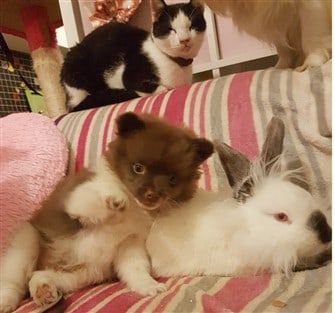
“Pomeranian Chasing Cat | Pomeranian …” from www.petpom.com and used with no modifications.
What health problems are common in Pomeranians?
Several health conditions appear with higher frequency in Pomeranians compared to other breeds. Dental disease is extremely common, with their small mouths often leading to overcrowded teeth that collect tartar and develop periodontal issues without diligent cleaning. Luxating patellas (slipping kneecaps) affect many small breeds including Pomeranians, potentially leading to pain, lameness, and in severe cases, requiring surgical correction.
Tracheal collapse presents another concern in the breed, with the cartilage rings supporting the windpipe weakening and potentially causing a chronic cough, exercise intolerance, or breathing difficulties. Other conditions to be aware of include Alopecia X (black skin disease causing symmetrical hair loss), heart issues including patent ductus arteriosus, and various eye conditions including cataracts and progressive retinal atrophy. For those interested in learning more about similar health concerns in other breeds, check out this Brussels Griffon dog breed expert interview.
Do Pomeranians require special diets?
While Pomeranians don’t universally require highly specialized diets, their small size and specific health tendencies create some important nutritional considerations. High-quality, small-breed formulations appropriately sized for tiny mouths and providing balanced nutrition in smaller kibble pieces often work well for most healthy Pomeranians. Their tendency toward dental issues makes dental-specific diets or supplements beneficial for many individuals in the breed.
Careful portion control proves essential for Pomeranians, as even slight overfeeding can quickly lead to obesity in such small dogs—potentially exacerbating joint issues like luxating patellas or creating added stress on their delicate tracheas. Some Pomeranians with specific health conditions like liver shunts, pancreatitis, or food allergies may indeed require prescription diets under veterinary guidance.
Pomeranians are known for their lively personalities and fluffy coats. They make great companions for those who can handle their high energy levels and grooming needs. While they can be good family dogs, they often form a strong attachment to one person. Training is essential to manage their barking tendencies. If you’re considering a Pomeranian or comparing them to other small dogs, you might want to explore similar breeds like the Keeshond to see which one fits your lifestyle best. For first-time owners, it’s important to understand their needs and whether you’re ready for the commitment.