Key Takeaways
- Swedish Vallhunds date back over 1,000 years to the Viking Age, earning them the nickname “Viking Dog” and were primarily used for herding and farm work
- These dogs share a genetic relationship with Welsh Corgis, likely due to Viking trading expeditions between Wales and Sweden
- Despite being Sweden’s national breed, Vallhunds remain relatively rare globally with only a few thousand registered worldwide
- Swedish Vallhunds make excellent family companions due to their loyal, intelligent, and energetic nature, though their herding instinct requires proper training
- Understanding the unique history and care needs of this ancient breed helps owners provide the best environment for these distinctive “wolf corgis”
Swedish Vallhund: A Unique Dog with a Viking Legacy
The Swedish Vallhund stands as a living testament to Scandinavia’s rich cultural heritage. This compact, energetic breed with its wolf-like appearance and corgi-like stature carries the blood of ancient working dogs that accompanied Vikings through their daily lives and nautical adventures.
Often overshadowed by more popular breeds, the Swedish Vallhund deserves recognition for its fascinating history, remarkable intelligence, and exceptional companionship qualities. These dogs represent one of the oldest surviving Nordic breeds, having maintained their distinctive characteristics through centuries of selective breeding focused on working ability rather than appearance.
Today’s Swedish Vallhund enthusiasts treasure these dogs for the same qualities that made them invaluable to their Viking masters: versatility, intelligence, and unwavering loyalty. Whether as a family companion or a competitive performance dog, the Vallhund continues to showcase the exceptional traits that ensured its survival through a millennium of Nordic history.
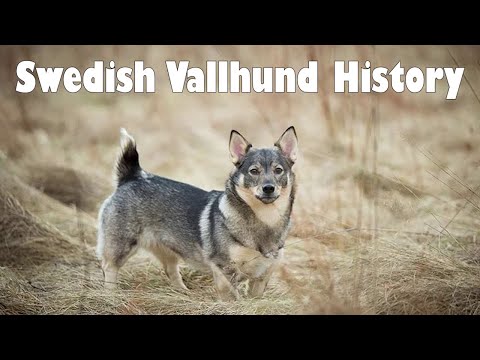
“Podcast 131: Swedish Vallhund History …” from www.youtube.com and used with no modifications.
Historical Origins and Primary Use
The Swedish Vallhund’s history stretches back over 1,000 years to the Viking Age (800-1050 CE), making it one of the oldest documented European dog breeds. Archaeological evidence, including remains found in Viking burial sites, confirms the presence of similar small spitz-type dogs during this period. These dogs were highly valued for their versatility in the harsh Scandinavian environment.
Originally bred in Västergötland, a province in southwestern Sweden, these dogs earned the name “Västgötaspets” in their homeland. Their primary purpose was herding cattle by nipping at their heels – a behavior that remains instinctual in modern Vallhunds. Additionally, they served as all-purpose farm dogs, controlling vermin populations, guarding homesteads, and providing companionship to farming families.
The breed’s name itself reveals its purpose – “Vallhund” translates roughly to “herding dog” or “shepherd dog” in Swedish. Despite their small stature, standing only 12-14 inches at the shoulder, these dogs possessed remarkable stamina and courage, able to control animals many times their size through intelligent herding tactics rather than sheer strength.
“The Swedish Vallhund represents a living connection to our Viking ancestors. These dogs have herded cattle across Swedish pastures for over a thousand years, maintaining the same intelligence, work ethic, and distinctive appearance that made them invaluable to early Scandinavian farmers.” – Swedish Kennel Club
Breeds Involved in Its Development
The exact breeds that contributed to the Swedish Vallhund’s development remain partially shrouded in mystery, but genetic and historical evidence provides compelling clues. The most significant connection exists between the Swedish Vallhund and the Welsh Corgi (particularly the Pembroke variety). The striking similarities between these breeds – including body structure, coat pattern, and herding style – cannot be coincidental.
Most canine historians believe this connection resulted from Viking trading expeditions between Wales and Sweden during the 8th to 11th centuries. Either Welsh dogs were brought to Sweden or Swedish dogs traveled to Wales, creating two distinct but related breeds that evolved separately over the following centuries. DNA studies confirm a shared ancestry, though the exact nature of the relationship continues to be debated among breed experts.
The Swedish Vallhund also shows characteristics of northern spitz-type dogs, evidenced in their alert expression, wedge-shaped head, and thick double coat. This spitz influence likely comes from other Nordic breeds such as the Norwegian Elkhound and Finnish Spitz, which share the Vallhund’s adaptation to harsh Scandinavian winters. The combination of herding ability and spitz-type hardiness created a uniquely versatile farm dog perfectly suited to the Swedish agricultural lifestyle.
Rarity vs. Popularity in Sweden and Globally
Despite being recognized as Sweden’s national breed, the Swedish Vallhund experienced a precarious decline by the early 20th century. By the 1940s, the breed teetered on the brink of extinction, with only a handful of dogs remaining. The breed’s salvation came through the dedicated efforts of Count Björn von Rosen and K.G. Zettersten, who launched a systematic breeding program to preserve these ancient dogs. Their work resulted in official recognition by the Swedish Kennel Club in 1943, stabilizing the population in Sweden.
International recognition came slowly, with the breed first appearing in the United Kingdom in the 1970s and gaining American Kennel Club recognition only in 2007. Today, while beloved in its homeland, the Swedish Vallhund remains relatively rare globally. Annual registration numbers worldwide typically fall below 1,000 dogs, with the American Kennel Club ranking it consistently among the least common recognized breeds (typically around 150th in popularity out of 200 breeds).
This rarity stems from several factors: limited breeder availability, minimal marketing compared to more commercial breeds, and the specialized nature of their original working purpose. However, dedicated breed enthusiasts view this relative obscurity as a benefit, allowing the breed to maintain its authentic working characteristics and avoid the health problems that often accompany popularity-driven breeding. Those who discover the Swedish Vallhund often become passionate advocates, appreciating their distinctive appearance and exceptional intelligence.
Financial Aspects of Owning a Swedish Vallhund
Bringing a Swedish Vallhund into your life represents both a financial and emotional investment. As a relatively rare breed, the initial acquisition cost typically exceeds that of more common dogs. Prospective owners should prepare for a purchase price ranging from $1,800 to $2,500 from reputable breeders who conduct appropriate health testing and raise puppies with proper socialization. For those interested in other breeds, consider reading about the Field Spaniel, which also requires careful consideration and investment.
Beyond the initial purchase, Swedish Vallhunds require standard canine expenses including quality nutrition, preventative veterinary care, training, grooming supplies, and enrichment items. Their relatively good health and moderate size keep ongoing costs lower than many larger or more health-compromised breeds. However, their high energy levels necessitate investment in durable toys, training equipment, and possibly dog sports or activities to keep them mentally stimulated. For those considering adoption, understanding the realistic expectations for the 3-3-3 adjustment period can be beneficial.
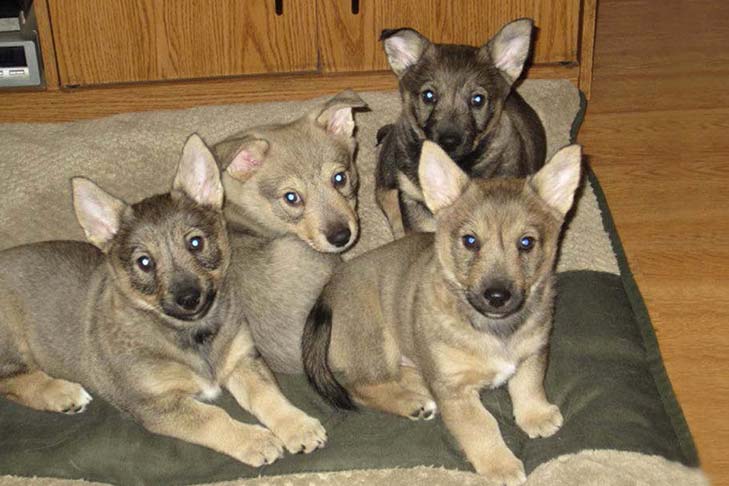
“Swedish Vallhund Dog Breed Information” from www.akc.org and used with no modifications.
Typical Costs and Budgeting Tips
First-year expenses for a Swedish Vallhund typically range from $2,500 to $3,500, including the purchase price. This covers initial veterinary visits, vaccinations, spaying/neutering, basic supplies, and training classes. Subsequent annual costs average $1,000 to $1,500 for food, routine veterinary care, preventative medications, and toys.
Budget-conscious owners can manage costs by investing in preventative healthcare rather than treating avoidable conditions later. Quality nutrition, while sometimes more expensive initially, can prevent costly health issues down the road. Consider pet insurance for unexpected veterinary emergencies, particularly important with active breeds prone to occasional injuries during play or exercise.
One cost-saving advantage of the Swedish Vallhund is their manageable grooming needs. While they do shed significantly during seasonal coat blows, their grooming can be handled at home with appropriate brushes and occasional baths, avoiding the regular professional grooming expenses required by many other breeds.
Comparing Costs of Breeding and Adoption
While purchasing from a reputable breeder represents the most common path to Swedish Vallhund ownership, adoption occasionally presents a more affordable alternative. Breed-specific rescues sometimes have adult Vallhunds available for adoption fees ranging from $300 to $500. These dogs may already have basic training and be spayed/neutered, reducing initial veterinary expenses.
The financial savings of adoption must be weighed against potential unknown factors in the dog’s background or training. Conversely, purchasing from established breeders provides more predictability in health and temperament but at a higher initial cost. Regardless of acquisition method, the lifetime expenses of food, veterinary care, and enrichment remain relatively consistent.
“The true cost of owning a Swedish Vallhund extends beyond financial considerations. These intelligent, active dogs require significant investments of time, patience, and energy to reach their full potential as companions. The rewards, however, far outweigh these investments for owners committed to the breed’s unique needs.” – Swedish Vallhund Club of America
Family-Friendly Traits of the Swedish Vallhund
Swedish Vallhunds possess numerous qualities that make them excellent family companions for the right households. Their intelligence, loyalty, and playful nature create strong bonds with all family members. These dogs typically maintain a balanced temperament that combines alertness with good-natured sociability, making them adaptable to various family dynamics and living situations.
Unlike some working breeds that bond primarily with a single person, Vallhunds generally distribute their affection across the entire family unit while still maintaining appropriate watchfulness toward strangers. Their moderate size makes them less intimidating than larger breeds while still being sturdy enough for interactive play with responsible family members.
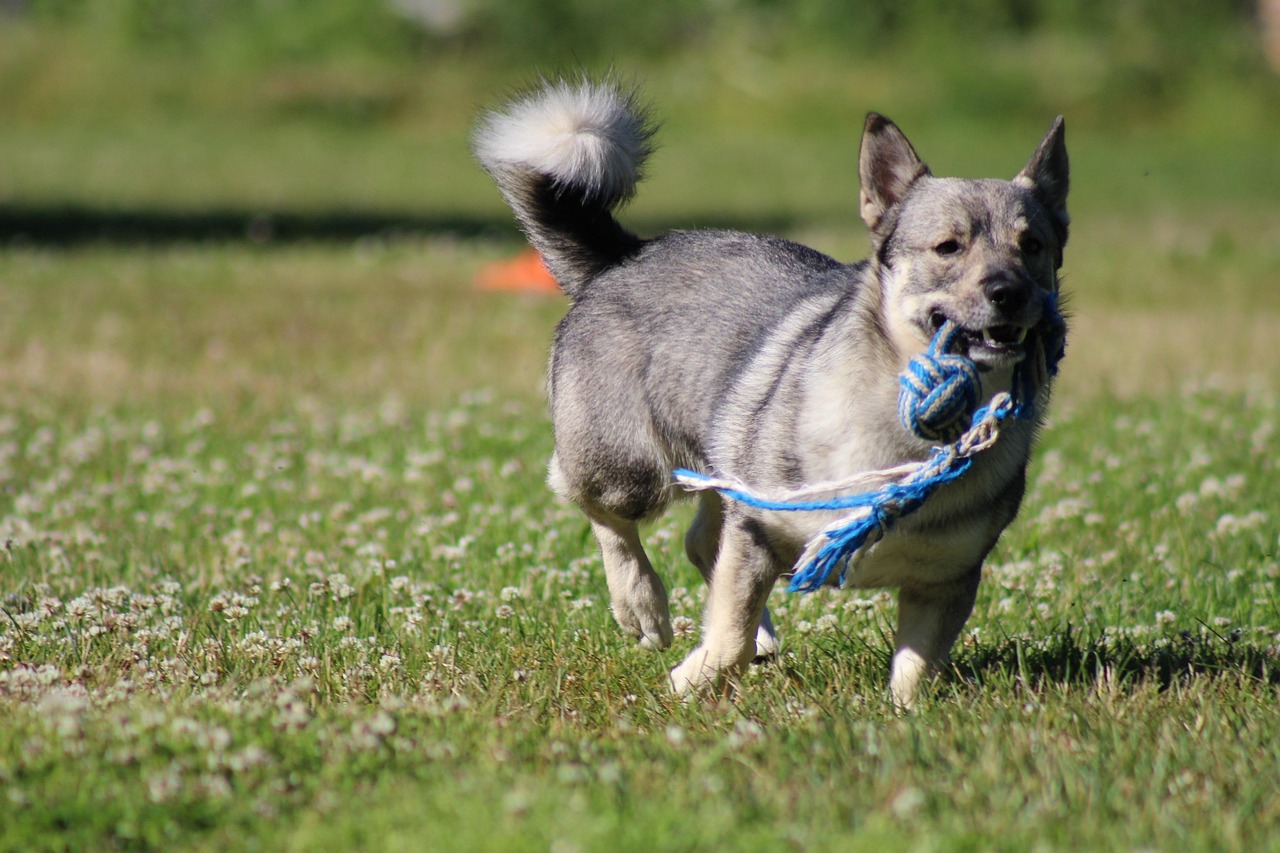
“Swedish Vallhund – GoofyTails” from goofytails.com and used with no modifications.
Characteristics for Being a Good Family Pet
The Swedish Vallhund’s heritage as a farm dog has produced a remarkably versatile companion with qualities valued by modern families. Their intelligence translates to high trainability, allowing them to learn household rules and appropriate behaviors quickly. This ancient breed’s independent problem-solving abilities, developed through centuries of working alongside farmers rather than under constant direction, help them adapt to changing family routines and situations. For more information on this breed, you can explore the Swedish Vallhund history.
Despite their working background, Vallhunds typically show a strong desire for human companionship. They thrive on being included in family activities and can become unhappy if routinely left alone for extended periods. Their playful nature remains well into adulthood, making them engaging companions for active families who enjoy outdoor recreation and interactive games. If you’re considering adopting a Vallhund, understanding the 3-3-3 adjustment period can be beneficial for a smooth transition.
The breed’s moderate exercise requirements fit well with family life – they need regular activity but don’t demand the extreme exercise regimens of some sporting or working breeds. Their alert nature and territorial instincts make them excellent watchdogs who will announce visitors without typically showing aggression unless genuinely threatened.
Interaction with Children under 12 and Other Pets
|
Age Group |
Compatibility Level |
Special Considerations |
|---|---|---|
|
Infants/Toddlers (0-3) |
Moderate |
Supervision required; herding instincts may cause nipping |
|
Young Children (4-7) |
Good |
Need training for both dog and children on appropriate interaction |
|
Older Children (8-12) |
Excellent |
Great playmates; children can participate in training |
|
Teenagers (13+) |
Excellent |
Can form strong bonds; teens can take responsibility for care |
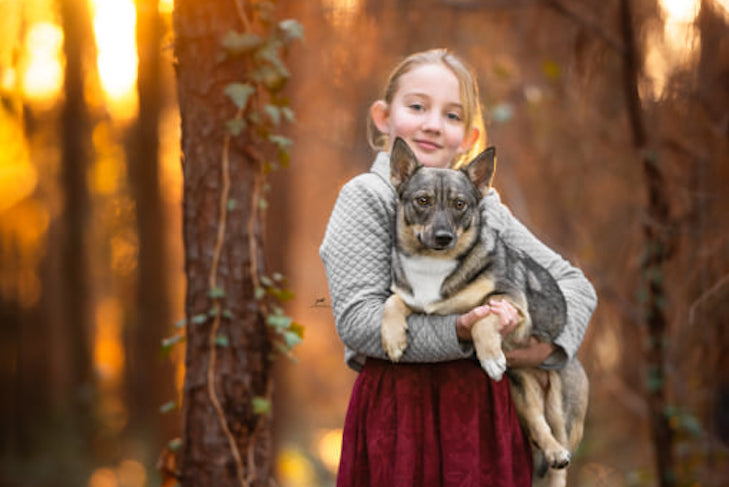
“10-Year-Old Addie Weger Follows Dream …” from www.akc.org and used with no modifications.
Swedish Vallhunds typically interact well with children, especially those old enough to understand appropriate dog handling. Their patient nature allows them to tolerate the sometimes unpredictable behaviors of children, though their herding instincts may manifest as ankle-nipping during active play. This behavior, while instinctual rather than aggressive, requires consistent correction and redirection, particularly around younger children who might be frightened by such actions.
When properly socialized from puppyhood, Vallhunds generally coexist peacefully with other household pets. They typically establish amicable relationships with resident cats, though their prey drive may activate with small animals like hamsters or rabbits. With other dogs, they usually maintain a confident but non-aggressive demeanor, though same-sex tensions can occasionally arise, particularly between intact males.
Early and consistent socialization remains crucial for developing a well-adjusted family companion. Puppies should be exposed to various people, animals, and environments during their developmental periods to ensure they grow into confident, stable adults. Families with very young children should work with knowledgeable breeders or trainers to address any herding behaviors appropriately as they emerge.
Health and Care Guidelines
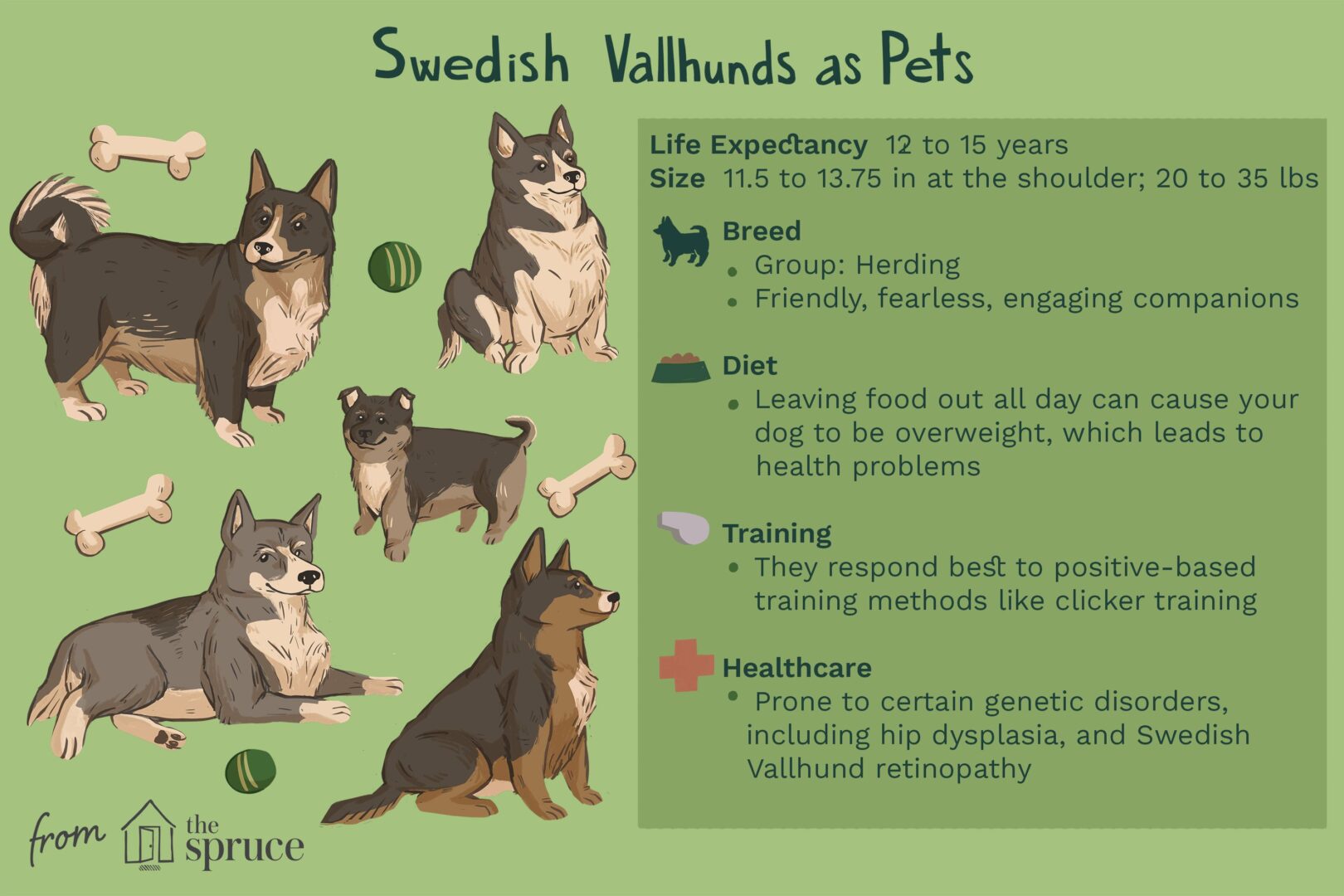
Swedish Vallhunds benefit from the genetic hardiness typical of ancient working breeds, with an average lifespan of 12-15 years. Their evolution as functional farm dogs, rather than dogs bred primarily for appearance, has contributed to their relatively robust health. However, responsible ownership requires awareness of the breed’s specific health considerations and preventative care needs.
Regular veterinary check-ups, appropriate preventative care, and monitoring for breed-specific conditions form the foundation of maintaining a healthy Vallhund. Their moderate size and natural athleticism help them maintain good physical condition throughout life when provided with appropriate nutrition and exercise. Most Vallhunds remain active and energetic well into their senior years, often showing less age-related decline than many larger breeds.
- Schedule comprehensive veterinary exams at least annually, with semi-annual visits recommended for seniors
- Maintain regular vaccination schedules as recommended by your veterinarian
- Provide monthly heartworm, flea, and tick preventatives appropriate for your region
- Establish a regular dental care routine including home maintenance and professional cleanings
- Monitor weight closely, as Vallhunds can become overweight without obvious visual changes due to their thick coat
Owners should work closely with veterinarians familiar with the breed’s specific needs, particularly regarding weight management and joint health. Swedish Vallhunds typically maintain good mobility throughout life when kept at appropriate weight and provided with regular, moderate exercise that builds muscle without excessive impact on joints.
“3 Swedish Vallhund Health Issues to …” from www.dogster.com and used with no modifications.
Common Health Concerns to Watch For
While generally healthy, Swedish Vallhunds have several breed-specific health conditions that prospective owners should be aware of. The most significant concern is Swedish Vallhund retinopathy, an inherited eye condition that can cause progressive vision deterioration. Responsible breeders screen breeding stock for this condition through regular eye examinations by veterinary ophthalmologists.
Hip dysplasia occurs at lower rates than in many breeds of similar size but still warrants screening. Additionally, Vallhunds can experience typical small-breed issues like patellar luxation (slipping kneecaps) and dental problems if oral hygiene is neglected. Their thick double coat provides excellent insulation but makes them somewhat heat-sensitive, requiring careful monitoring during hot weather. For more insights into managing small breed health issues, consider reading about the Australian Terrier.
Some lines may be prone to epilepsy, though the condition remains relatively uncommon in the breed. Regular veterinary monitoring throughout life helps catch any emerging health issues early when intervention is most effective. Choosing puppies from health-tested parents significantly reduces the risk of inherited conditions.
Essential Care and Grooming Tips
The Swedish Vallhund’s weather-resistant double coat requires regular but straightforward maintenance. Weekly brushing with a slicker brush or undercoat rake removes loose hair and prevents matting. During seasonal shedding periods (typically spring and fall), daily brushing becomes necessary to manage the significant fur loss as the undercoat renews itself.
Bathing should be infrequent – generally every 2-3 months unless the dog becomes particularly dirty – to preserve the natural oils that protect their coat and skin. Their nails grow quickly due to their historically active lifestyle and require regular trimming, typically every 3-4 weeks. Ears should be checked weekly for signs of infection, and teeth should be brushed several times weekly to prevent dental disease. For more insights on maintaining a pet’s health, check out our Australian Shepherd dog breed expert interview.
- Brush weekly, increasing to daily during seasonal coat blows
- Bathe only when necessary, using dog-specific shampoos
- Trim nails every 3-4 weeks, or when you hear them clicking on hard floors
- Clean ears weekly with veterinarian-approved solutions
- Brush teeth at least 2-3 times weekly with dog-safe toothpaste
- Check and clean toe pads regularly, especially after outdoor activities
Dietary Needs and Recommendations
Swedish Vallhunds thrive on high-quality diets appropriate for their size, age, and activity level. As a moderately active breed, they typically require 1-1.5 cups of premium dog food daily, divided into two meals. Active working or sporting Vallhunds may need additional calories to maintain optimal condition. Their heritage as farm dogs makes them prone to resourcefulness around food, sometimes leading to scavenging behaviors or weight gain if portions aren’t carefully monitored.
The breed generally has few food sensitivities, but individual dogs may have specific dietary needs. Some owners report success with grain-inclusive formulas that provide sustained energy for active days. As with all breeds, fresh water should be available at all times, and treats should constitute no more than 10% of daily caloric intake to prevent weight gain.
Senior Vallhunds may benefit from formulas designed for joint support and weight management as their metabolism slows with age. Consulting with your veterinarian about specific nutritional needs based on your dog’s age, activity level, and health status ensures optimal nutrition throughout their life stages.
Best Owner and Lifestyle for a Swedish Vallhund
The ideal Swedish Vallhund owner appreciates intelligent, energetic dogs and enjoys interactive activities rather than seeking a decorative or low-maintenance pet. These dogs form strong bonds with owners who provide consistent leadership, mental stimulation, and physical outlets for their energy. Their working heritage makes them particularly well-suited to owners interested in dog sports, hiking, or other outdoor activities where their natural abilities can shine.
First-time dog owners can succeed with Vallhunds if they commit to understanding the breed’s needs and investing in proper training. However, owners unwilling or unable to provide regular exercise and mental stimulation will likely find these dogs challenging. Their independent thinking – once valuable for making herding decisions – can manifest as stubbornness if not properly channeled through training and appropriate activities.
“Swedish Vallhund: Your Complete Guide …” from dogacademy.org and used with no modifications.
Ideal Living Conditions and Physical Activity
Swedish Vallhunds adapt remarkably well to various living situations provided their exercise and mental stimulation needs are met. While they appreciate yard access, they can thrive in apartments if given sufficient daily activity. Their moderate size and indoor calmness (when properly exercised) make them more versatile in living arrangements than many other working breeds.
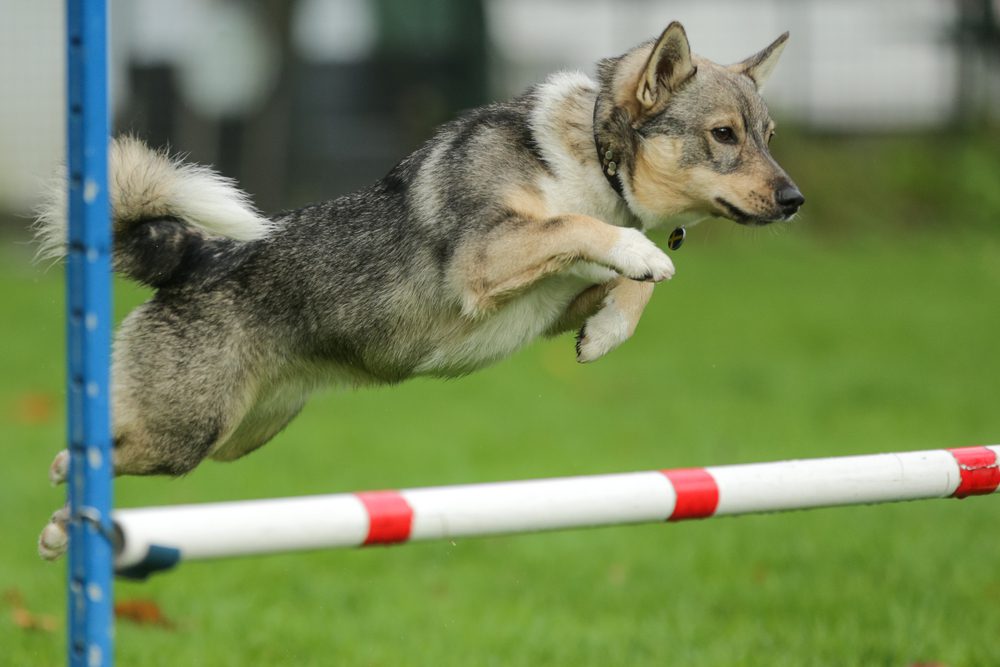
These dogs require at least 60 minutes of physical activity daily, ideally split between walks and more intensive activities like fetch, agility practice, or herding exercises. Their intelligence demands mental workouts alongside physical ones – puzzle toys, training sessions, and varied routines prevent boredom and associated behavioral problems. Vallhunds excel in numerous dog sports including agility, rally, obedience, tracking, and herding trials, which provide excellent outlets for their natural abilities.
“A tired Vallhund is a good Vallhund. These dogs possess boundless energy and remarkable intelligence that must be channeled appropriately. When their physical and mental needs are satisfied, they become delightful, well-adjusted companions who seamlessly integrate into family life.” – Swedish Vallhund Club of America
“Swedish Vallhund: Dog Breed …” from www.thesprucepets.com and used with no modifications.
Personality Traits and Owner Compatibility
Swedish Vallhunds typically display a balanced temperament that combines alertness, confidence, and friendliness. Their centuries of working closely with farmers have produced dogs who form strong bonds with their people while maintaining independent problem-solving abilities. Potential owners should appreciate these dual aspects of their personality – they seek close relationships but aren’t typically clingy or dependent.
The breed’s intelligence manifests in quick learning but also in occasional stubbornness when activities lack purpose or training methods seem illogical to them. Owners who establish clear boundaries while using positive reinforcement methods typically achieve excellent results. Their natural watchfulness makes them excellent alert dogs, though proper socialization prevents this from developing into excessive barking or suspicion. For more information on their characteristics and care, visit this Swedish Vallhund breed profile.
Successful Vallhund owners typically share certain traits: patience for training, consistency in expectations, appreciation for intelligent canine companions, and active lifestyles that incorporate their dogs. Those seeking a dog primarily for status, appearance, or minimal interaction would likely find this breed frustrating. The deep satisfaction of partnership with these ancient dogs comes through engaging their minds and bodies in meaningful activities that honor their working heritage.
Comparison with the Norwegian Elkhound
While both the Swedish Vallhund and Norwegian Elkhound share Nordic origins and spitz-type characteristics, they differ significantly in size, purpose, and certain personality traits. Understanding these differences helps prospective owners choose the breed that better suits their lifestyle and preferences.

“Tao tao, 5.5 year old Swedish Vallhund …” from www.reddit.com and used with no modifications.
Physical and Behavioral Differences
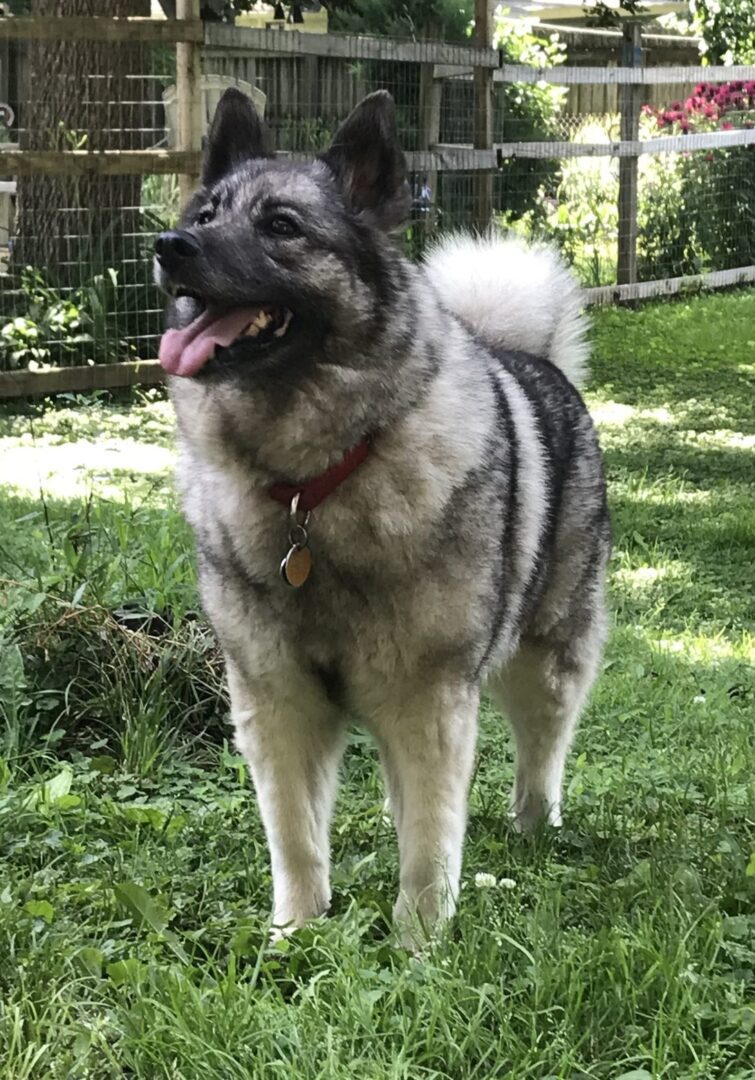
The most obvious difference between these breeds lies in their size – Norwegian Elkhounds stand 19-20 inches at the shoulder and weigh 48-55 pounds, while Swedish Vallhunds measure just 11.5-13.5 inches and weigh 20-35 pounds. This substantial size difference reflects their divergent historical purposes: Elkhounds were developed for hunting large game like moose and bear, requiring greater size and strength, while Vallhunds specialized in herding cattle and farm work, where agility and speed proved more valuable than raw power.
Temperamentally, Elkhounds typically display more independence and sometimes stubbornness, consistent with their history of making hunting decisions at a distance from handlers. Vallhunds, while still independent thinkers, generally show more biddability and handler focus, having evolved to work in closer partnership with farmers. Both breeds exhibit alert watchfulness, though Elkhounds tend toward more pronounced territorial behavior and can be more vocal with their distinctive barking.
Exercise requirements differ somewhat between these breeds as well. Elkhounds, bred for endurance hunting in rugged terrain, typically need more sustained exercise and do best with access to substantial outdoor space. Vallhunds, while energetic, adapt more readily to varied living situations provided they receive adequate daily activity and mental stimulation. For more insights on different dog breeds, you can check out this expert interview on Field Spaniel dog breeds.
“Norwegian Elkhound – Wikipedia” from en.wikipedia.org and used with no modifications.
Similarities in Heritage and Usage
Despite their differences, these Nordic breeds share significant historical and genetic connections. Both developed in Scandinavia over thousands of years, adapting to similar harsh climates and working closely with human communities. This shared heritage manifests in certain physical traits common to northern spitz-type dogs: wedge-shaped heads, pricked ears, thick double coats, and curled tails.
Both breeds served as versatile working partners rather than specialized single-purpose dogs. While Elkhounds primarily hunted and Vallhunds primarily herded, both performed multiple roles in traditional Scandinavian rural life – protecting homes, controlling vermin, and providing companionship through the long northern winters. This versatility has translated to their modern adaptability and problem-solving intelligence, making both breeds capable of excellence in various dog sports and activities.
The Nickname “Wolf Corgi” Explained
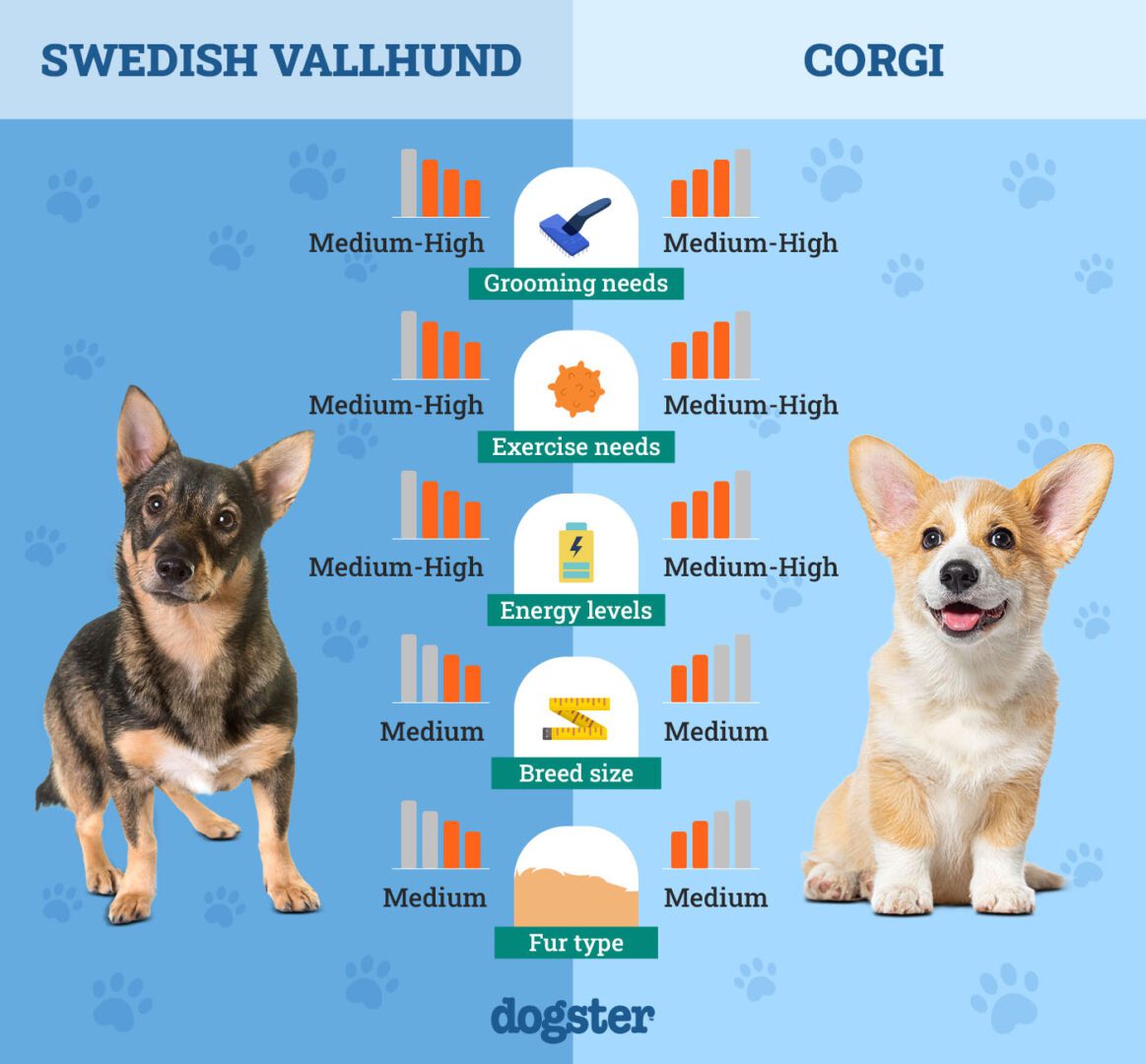
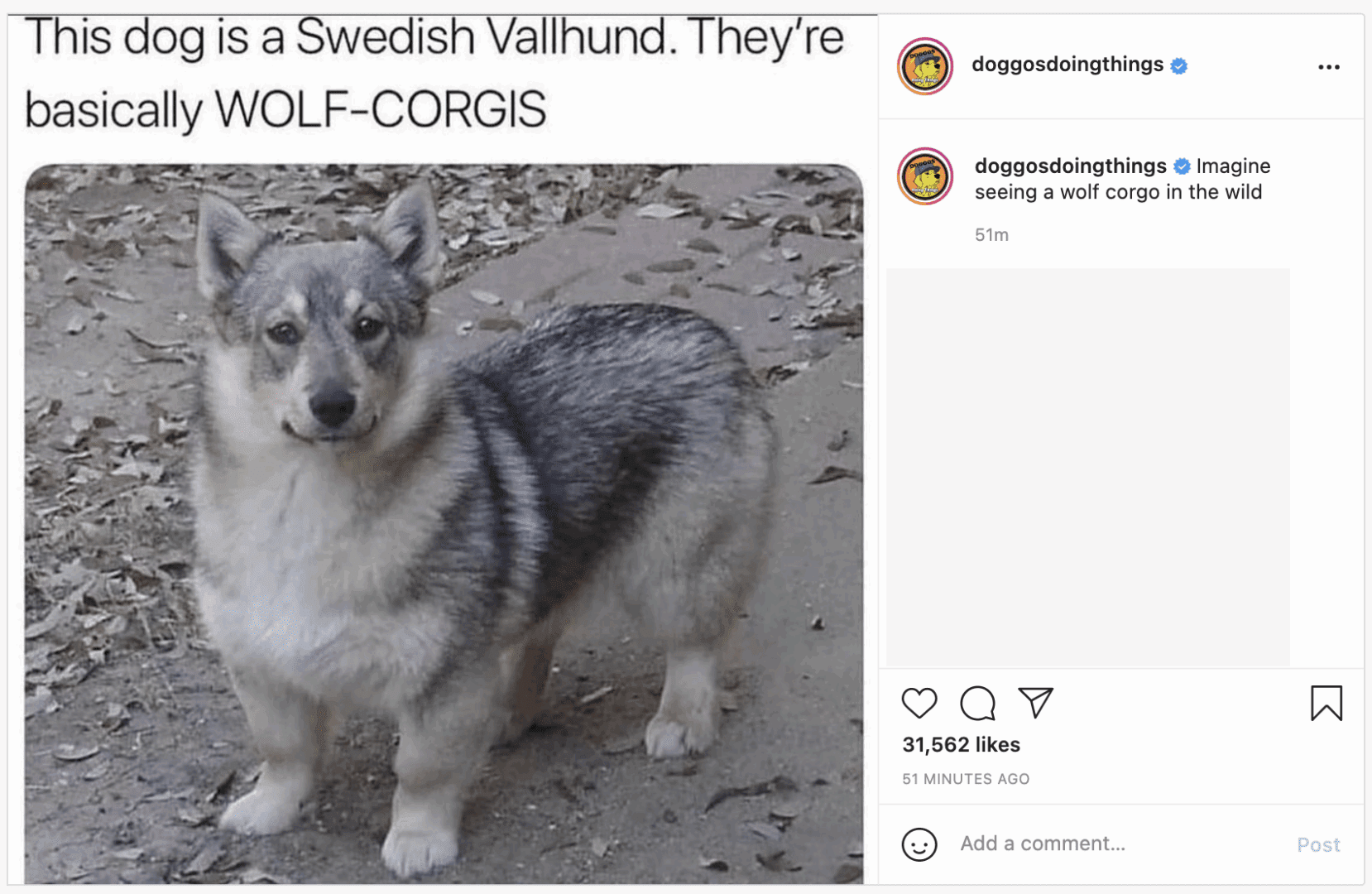
The affectionate nickname “Wolf Corgi” perfectly captures the Swedish Vallhund’s distinctive appearance and heritage, highlighting the breed’s unique position in the canine world. This playful moniker references both their wolf-like facial features and spitz characteristics combined with their corgi-like body structure – a combination that often draws curious glances and questions from those unfamiliar with the breed.
“Swedish Vallhund vs Corgi: Main …” from www.dogster.com and used with no modifications.
Physical Resemblance to Wolves and Corgis
The wolf-like aspects of the Swedish Vallhund appear most prominently in their facial features and expression. Their wedge-shaped head, erect triangular ears, almond-shaped eyes, and alert, intelligent expression strongly resemble their wild canine ancestors and other primitive spitz breeds. The typical sable coloration, with its wolf-grey base and darker overlays, further enhances this resemblance, especially in individuals with facial masking patterns.
Simultaneously, their body structure shows remarkable similarities to Welsh Corgis – particularly the Pembroke variety. Both breeds feature relatively long, low-set bodies, short but powerful legs, and distinctive proportions that set them apart from most other dog breeds. This physical resemblance supports theories of shared ancestry between these geographically distant herding breeds, potentially linked through Viking trading expeditions.
Beyond these visual similarities, both aspects of the “Wolf Corgi” nickname reflect functional adaptations. The wolf-like characteristics provided cold weather resilience and predator deterrence, while the corgi-like structure facilitated the quick, low movements ideal for herding cattle without risk of being kicked – proving that this unique appearance served practical purposes in their working history.
“Photograph of a Swedish Vallhund Real …” from www.snopes.com and used with no modifications.
Cultural Significance of the Nickname
The “Wolf Corgi” nickname has gained significant traction in recent years, particularly in online communities and social media, where it helps introduce this relatively rare breed to a wider audience. This memorable descriptor often serves as an entry point for discussions about the breed’s fascinating history and characteristics, helping distinguish Swedish Vallhunds from more commonly known breeds.
For breed enthusiasts, the nickname represents a point of pride, highlighting the Vallhund’s unique heritage and appearance. Many owners embrace it as a conversation starter that allows them to educate others about these ancient dogs and their historical significance. The term encapsulates the breed’s dual nature – combining the wild, independent spirit suggested by their wolf-like appearance with the friendly, adaptable temperament reflected in their corgi-like structure.
While “Wolf Corgi” doesn’t capture the full depth of the breed’s working heritage or temperament, it serves as an effective shorthand that piques interest and opens doors to deeper appreciation of these remarkable dogs. Breed clubs and dedicated owners typically welcome the nickname while using it as an opportunity to share more comprehensive information about the Swedish Vallhund’s true character and capabilities.
Frequently Asked Questions
The growing interest in Swedish Vallhunds has generated numerous questions from potential owners and dog enthusiasts curious about this ancient breed. Understanding these common inquiries helps provide a more comprehensive picture of what life with a Vallhund entails and whether they might be the right match for various households and lifestyles.
|
Common Misconception |
Reality |
|---|---|
|
Swedish Vallhunds are just small Norwegian Elkhounds |
While related, they’re distinct breeds with different purposes and histories |
|
They’re a designer mix of Corgi and spitz breeds |
They’re an ancient purebred dating back to Viking times |
|
They require professional herding opportunities |
Their herding instincts can be satisfied through various activities |
|
They’re just as common as Corgis |
They remain relatively rare, especially outside Scandinavia |
|
They’re suitable for sedentary owners |
They require regular physical and mental exercise |
Beyond these common misconceptions, potential owners frequently have questions about specific aspects of the breed’s care, training, and suitability for their particular circumstances. The following sections address some of the most frequently asked questions about Swedish Vallhunds.
What makes the Swedish Vallhund unique among herding breeds?
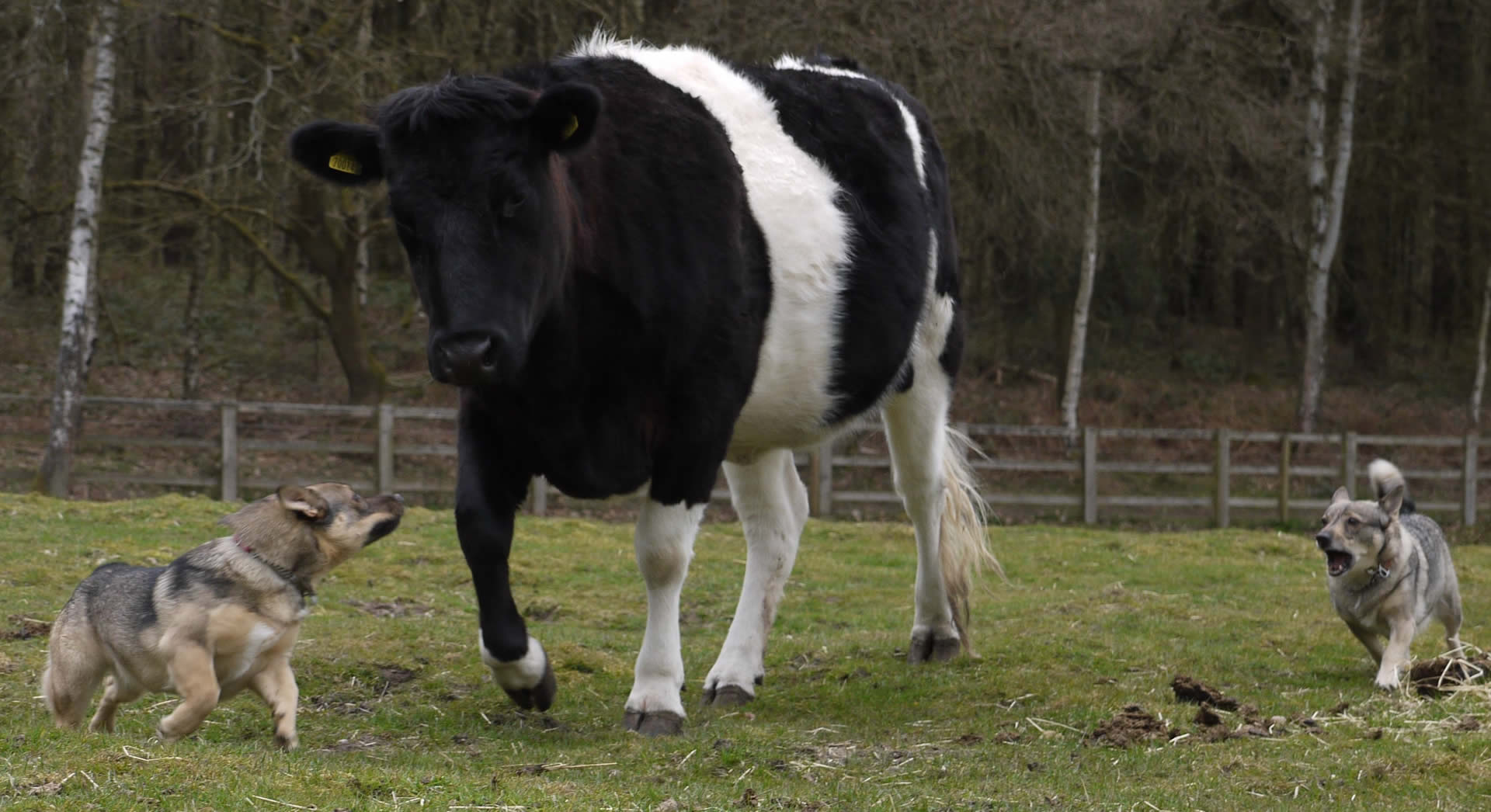
The Swedish Vallhund stands out among herding breeds for several distinctive characteristics. Their ancient lineage, dating directly back to Viking times, makes them one of the oldest existing herding breeds with relatively little modern influence on their development. Their herding style – moving cattle by nipping at heels rather than gathering or driving from a distance – reflects specific adaptations to Swedish farming practices and distinguishes them from border collies, shepherds, and many other herding groups.
Unlike many herding breeds that underwent significant changes during the show dog era, Swedish Vallhunds maintained their original working structure and characteristics through near-extinction and recovery. Their unique physical profile combines spitz-type features with a low, long body structure rarely seen outside the Corgi breeds. This physical form allowed them to work effectively with cattle while avoiding kicks – a specialized adaptation to their particular working environment that separates them from most other herding breeds. To learn more about their unique history, visit the American Kennel Club.
“Swedish Vallhund – Cattle, sheep, goat …” from www.swedishvallhund.co.uk and used with no modifications.
Are Swedish Vallhunds easy to train?
Swedish Vallhunds typically learn quickly and respond well to positive training methods, earning them a reputation for high trainability among experienced owners. Their intelligence and problem-solving abilities, developed through centuries of independent farm work, allow them to master commands and behaviors rapidly when training is consistent and engaging. However, this same intelligence means they quickly become bored with repetitive drills and may develop creative alternatives to requested behaviors if training lacks variety or purpose from their perspective.
What should I look for when adopting a Swedish Vallhund?
When adopting a Swedish Vallhund, prioritize temperament assessment, health verification, and matching energy levels to your lifestyle. Reputable sources include specialized breed rescues, breed club referrals, and occasionally general shelters, though the breed’s rarity makes shelter adoption uncommon. Evaluate each dog individually, looking for confident but not aggressive behavior, appropriate socialization with people and other animals, and responsiveness to basic interactions. Request any available health information, particularly regarding eyes and hips, and consider having a veterinarian familiar with the breed examine potential adoptees before finalizing adoption.
How does the Swedish Vallhund’s temperament compare to similar breeds?
The Swedish Vallhund’s temperament typically balances the independence of northern spitz breeds with the biddability of herding dogs, creating a distinct personality profile. Compared to Pembroke and Cardigan Welsh Corgis, Vallhunds generally show more independence and sometimes stronger prey drive, though all three breeds share alertness and intelligence. Vallhunds usually display less intense herding focus than Border Collies or Australian Shepherds, making them more adaptable to companion homes without working outlets. For more information on their characteristics and care, visit this Swedish Vallhund breed profile.
When compared to other Nordic breeds like Norwegian Elkhounds or Finnish Spitz, Vallhunds typically show greater handler focus and trainability while retaining the characteristic spitz alertness and occasional stubbornness. Their temperament often combines the best aspects of both breed groups – the loyalty and work ethic of herding breeds with the hardiness and independence of northern dogs – making them versatile companions for active owners who appreciate intelligent, engaged canine partners.
Why are Swedish Vallhunds sometimes called Viking Dogs?
Swedish Vallhunds earn the nickname “Viking Dogs” due to their documented presence during the Viking Age (approximately 800-1050 CE) in Scandinavia. Archaeological evidence confirms that dogs closely resembling modern Vallhunds accompanied Viking settlements, with remains found in burial sites and depicted in artifacts from this period. The breed’s development coincides directly with Viking cultural expansion, suggesting they were integral to Norse agricultural practices and possibly accompanied Viking expeditions aboard longships.
The Viking connection extends beyond mere timing – these dogs embodied qualities valued in Viking culture: hardiness, versatility, and ability to thrive in harsh conditions with minimal resources. Their practical working abilities made them valuable assets in the self-sufficient farming communities that formed the backbone of Viking society. Modern Swedish Vallhunds preserve virtually unchanged the appearance and working capabilities of these ancient dogs, creating a living link to Scandinavian heritage that justifies the “Viking Dog” title.