Summary
Lifestyle compatibility increasingly influences long-term pet wellness, adoption success, and owner satisfaction. Rescue organizations, shelters, trainers, and behavior professionals increasingly emphasize the importance of matching pets to realistic activity levels, living environments, schedules, experience, and expectations. As modern lifestyles evolve, mismatch between perception and reality can create stress for both pets and owners, contributing to behavioral challenges, returns, and unsuccessful placements.
Key Takeaways
- Lifestyle compatibility increasingly affects long-term pet wellness and adoption success
- Rescue organizations increasingly prioritize realistic matching over appearance or trend appeal
- Activity level, environment, schedule, and expectations strongly influence compatibility
- Compatibility issues increasingly extend beyond dog breeds into species and living situations
- Behavioral challenges often emerge from mismatch rather than “bad” pets
- Social media and lifestyle trends can distort expectations
- Better matching may reduce returns, stress, and long-term instability
Pet wellness increasingly involves more than food, veterinary care, or enrichment. Compatibility between a pet’s needs and an owner’s actual lifestyle increasingly shapes long-term wellbeing for both animals and humans.
Rescue organizations, shelters, trainers, and adoption professionals increasingly emphasize realistic matching because mismatch can contribute to stress, behavioral challenges, frustration, and returns. In many cases, the issue is not that a pet is “bad” or untrainable — it is that the environment, routine, activity level, or expectations were never truly compatible to begin with.
As modern lifestyles continue evolving, compatibility increasingly becomes a major pet wellness issue.
Rescue Organizations Increasingly Focus on Compatibility
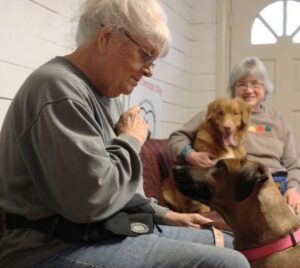
Many rescues screen adopters based on activity level, housing, schedule, experience, routine, and environment because long-term success increasingly depends on realistic matching rather than immediate placement alone.
Foster observations often play an important role in this process. Foster caregivers frequently learn details about personality, behavior, routine, energy level, fears, social preferences, and environmental comfort that may not appear during short shelter interactions.
These observations can help rescue organizations present animals more accurately while improving placement compatibility.
A successful placement often depends more on lifestyle fit than appearance, popularity, or breed trend alone.
According to guidance from the ASPCA and adoption outcome research supported by UFAW, thoughtful matching and behavioral understanding may improve long-term adoption outcomes while reducing returns and instability.

Activity Level and Environment Matter More Than Many People Expect
Activity level mismatches can create stress for both pets and owners.
Apartment living, work schedules, outdoor access, household routine, travel frequency, and overall environment strongly influence compatibility. Some breeds require far more stimulation, training, exercise, or structure than many adopters initially expect.
Environmental mismatch may eventually appear as behavioral problems even when the pet itself is not inherently difficult.
A highly active working breed placed in a low-activity environment may develop frustration or destructive behavior. Likewise, a social companion animal left alone for extended periods may struggle with anxiety, boredom, or overstimulation.
Guidance from the American Kennel Club and trainers such as Vernon Dog Training increasingly emphasizes matching breeds and personalities to realistic lifestyles rather than aspirational expectations.
In many cases, behavior issues reflect unmet needs rather than “bad” pets.

Compatibility Extends Beyond Dog Breeds
Lifestyle compatibility increasingly extends beyond dog breed selection alone.
Different species create different environmental, sensory, financial, and lifestyle demands that may or may not fit modern living situations successfully.
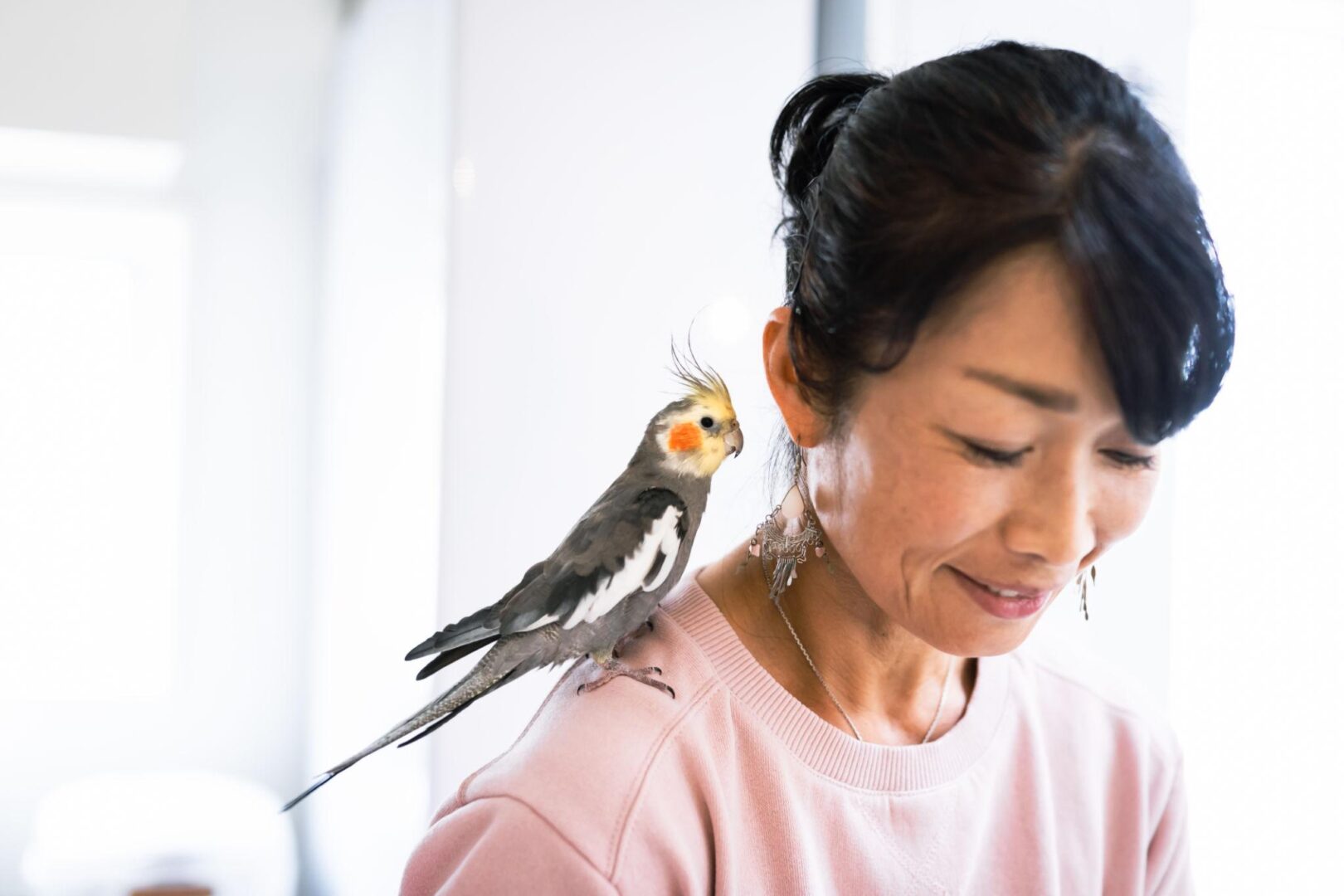
For example, certain bird species may present compatibility challenges in shared-wall housing or noise-sensitive environments, while quieter companion birds may adapt more comfortably to smaller living spaces and apartment routines.
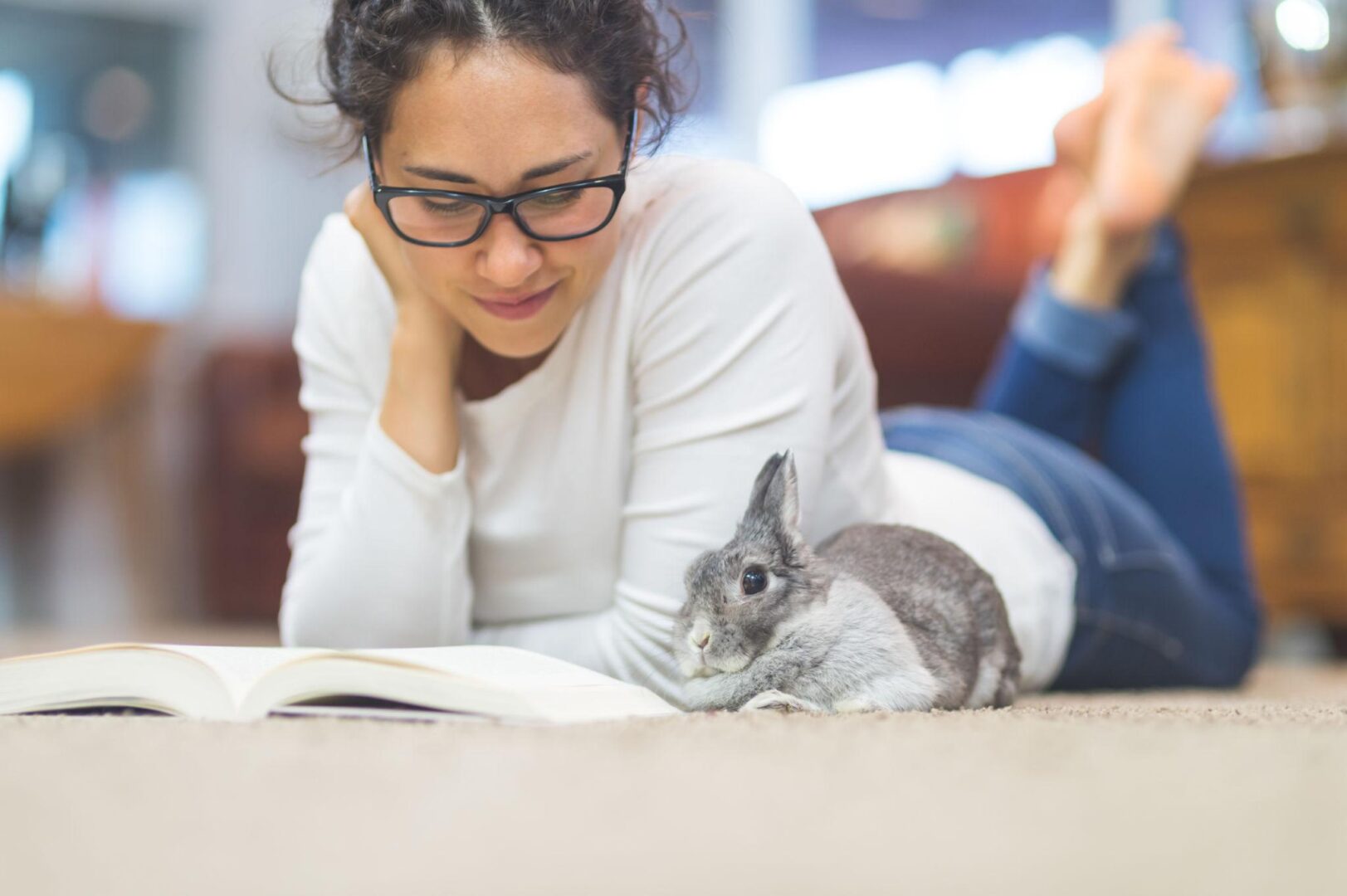
Rabbits are also increasing in popularity among some younger and apartment-based owners because they may fit smaller living environments, quieter households, and lower-cost lifestyles more comfortably than some larger pets. However, specialized veterinary care for rabbits and other small or exotic animals can still be difficult to access in many areas.
Cats present important compatibility considerations as well. Some breeds are highly social and interactive, while others may be more independent. Hybrid or highly active cats may require extensive enrichment, larger enclosed outdoor spaces, or catios to support stimulation while reducing wildlife impact and neighborhood roaming concerns.
These realities increasingly reflect a broader shift in how people evaluate compatibility. Housing type, shared living environments, sensory tolerance, enrichment expectations, travel routines, maintenance demands, and financial realities all increasingly influence responsible pet matching.
Modern Expectations Can Distort Compatibility Decisions
Social media and aesthetic trends increasingly influence breed demand and adoption expectations.
Certain pets become associated with identity, appearance, lifestyle branding, or curated routines that may not reflect real-world maintenance, training, grooming, or energy-level demands.
“Easy,” “family-friendly,” or “apartment pet” labels can also oversimplify compatibility.
A visually appealing breed may still require extensive grooming, exercise, enrichment, or behavioral management that exceeds a person’s schedule or experience level. Likewise, a pet chosen primarily for appearance or trend appeal may ultimately struggle within the owner’s actual environment.
Visual appeal and popularity do not necessarily translate into long-term lifestyle fit.
As modern pet ownership increasingly overlaps with identity and lifestyle culture, rescue organizations often navigate the consequences of these expectation gaps.

Lifestyle Compatibility Also Influences Emotional Wellbeing
Lifestyle compatibility affects emotional wellbeing for both pets and humans.
Inconsistent routine, insufficient stimulation, environmental stress, isolation, or chronic mismatch can influence behavior, confidence, emotional regulation, and overall quality of life.
Stable environments, appropriate engagement, predictable routine, and realistic expectations often contribute to healthier long-term adjustment.
Research connected to animal welfare and adoption outcomes increasingly supports the idea that environmental stability and compatibility influence successful integration after adoption.
Compatibility is not only about convenience. It increasingly functions as a wellness issue connected to emotional health, social interaction, stress reduction, and long-term stability.
Better Matching May Improve Long-Term Adoption Outcomes
Thoughtful matching may improve long-term adoption success while reducing returns and instability.
Education before adoption increasingly matters. Foster insight, behavioral transparency, realistic counseling, and lifestyle discussion all help adopters understand what daily life with a particular animal may actually involve.
The goal is not finding a “perfect” pet, but creating a sustainable fit between lifestyle, environment, expectations, and needs.
As modern lifestyles continue evolving, rescue organizations increasingly function not simply as placement organizations, but as compatibility advocates helping people build stable long-term relationships with animals.
Sources & Additional Reading
- AKC — Choosing the Right Breed for Your Lifestyle
- UFAW — Study on Shelter Dog Adoption Outcomes
- ASPCA Pet Insurance — Matching Shelter Pets
- Cape Cod Dog Center — Matching Dog Breeds to Family Dynamics
Explore more breed insights, rescue education, and pet lifestyle guidance at:
https://rescuesrsuper.com/stories-and-education/