Keeshond Breed Rescue & Adoption FAQ Answered
Interview with Dee Wingfield, Member and Committee Chair, Keeshond Club of America
In addition to articles that describe a dog breed based on research, in this case Keeshonds aka “Smiling Dutchmen” or “Dutch Barge Dog”, I wanted to share insider and breed expert knowledge with you. I hope that this interview will help answer your every question about what life with a Keeshond would be like so that you can make an educated decision about whether this breed would be a match for you and your lifestyle. The following is a summary of our conversation about the breed and breed rescue for Keeshond; it is a combination of direct quotes and my best attempt to paraphrase based on my interpretation of sentiment.
If after reading this and our informative article about the breed, you would like to learn more and possibly adopt a Keeshond from rescue, then I encourage you to contact Keeshond Club of America directly.
Name Meaning and Dutch Origins
Summary: Cornelis’ “Kees” Dog, A Symbol For A Rebellion
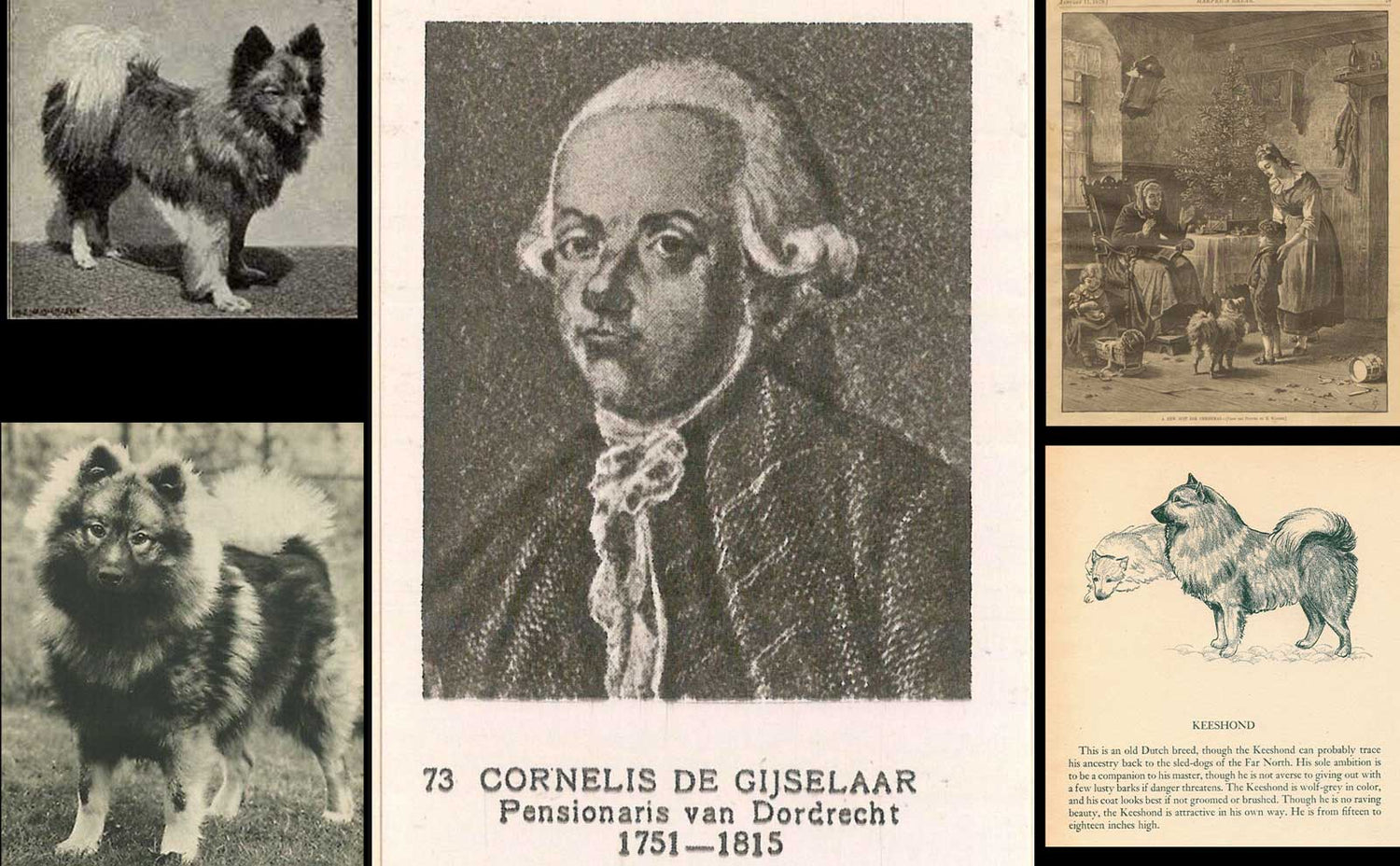
Dee explained that Keeshonds are the national dog of the Netherlands. Dee though the translation of “kees” meant commoner, but upon further research, I found that it means horn and “Kees” is also a nickname for Cornelis. Apparently, the keeshond breed got its name from Cornelis (Kees) de Gyselaer, the leader of the Dutch Patriots Party in the 18th century, who used a dog as a symbol of the movement, and the dog became known as a “Keeshond” or “Kees’ dog”. The breed had feel out of favor until Lady Gwendolyn Wingfield Digby from England, fell in love with the breed as a child in 1910 and may have saved the breed.
Curled Tail, “Spectacles” and Other Identifying Traits
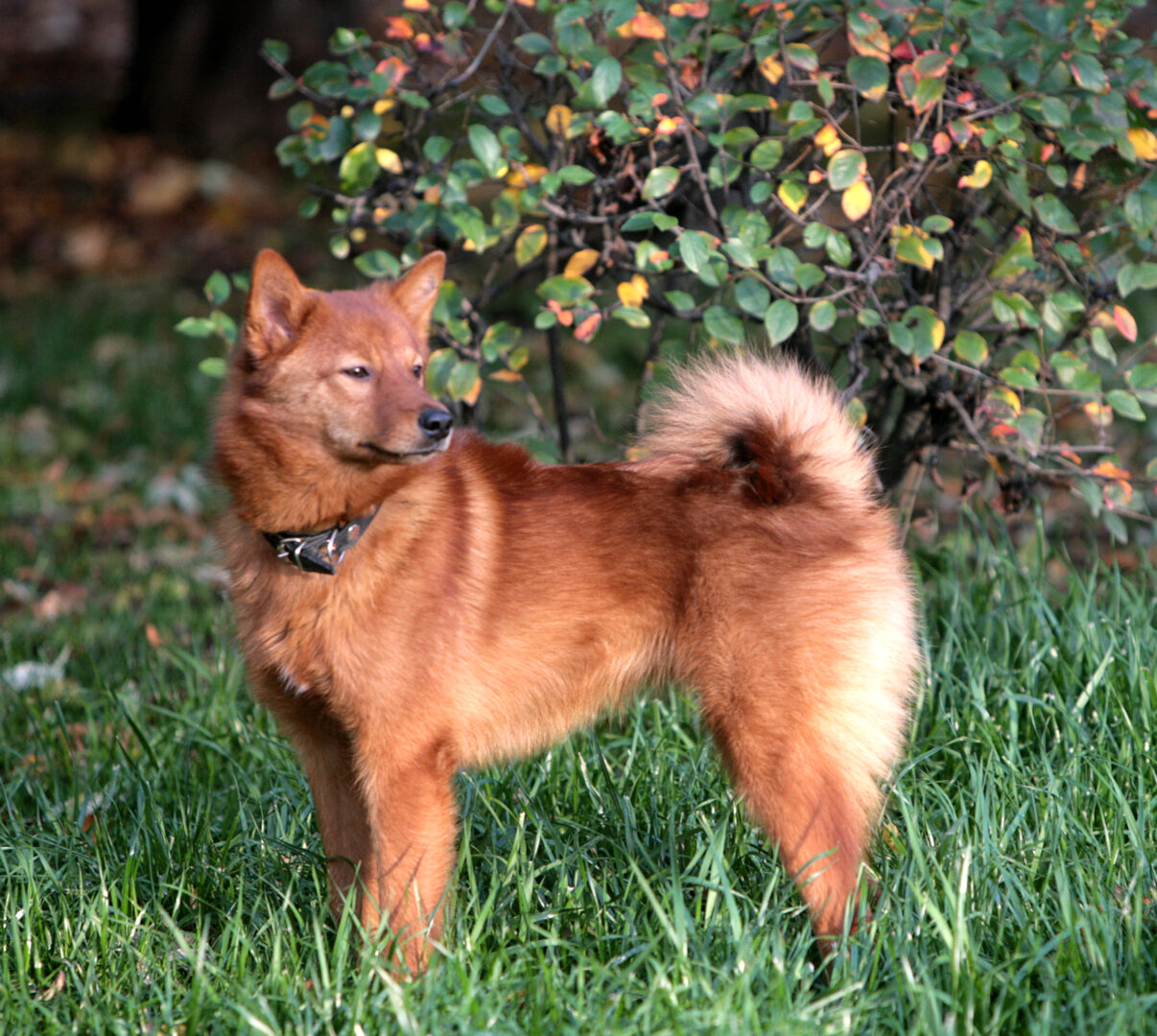
Dee described that the two lines that go from the edge of the eyes to the ears like the temple of eyeglasses is one key identifying trait. Also the distinct thick coat and grey coat color is a dead give away. I did not know that Keeshonds also come in white with biscuit coloring because although it is accepted in Europe, Dee explained that this recessive variation is “out of favor” and so is a black and orange variety. Most American breeders will spay and neuter dogs with those traits.
Why Are Keeshonds Uncommon In The US
Summary: Probably Coat Maintenance
When I asked Dee why she thought Keeshonds are fairly rare in America and she answered that “a lot of times it’s because of the fur”. She went on to say that she often encountered people who would say “oh, I can’t handle the hair” and so she concluded that the fur care and the “major blow [that occurs] at least once a year for a few weeks” is probably the main issue.
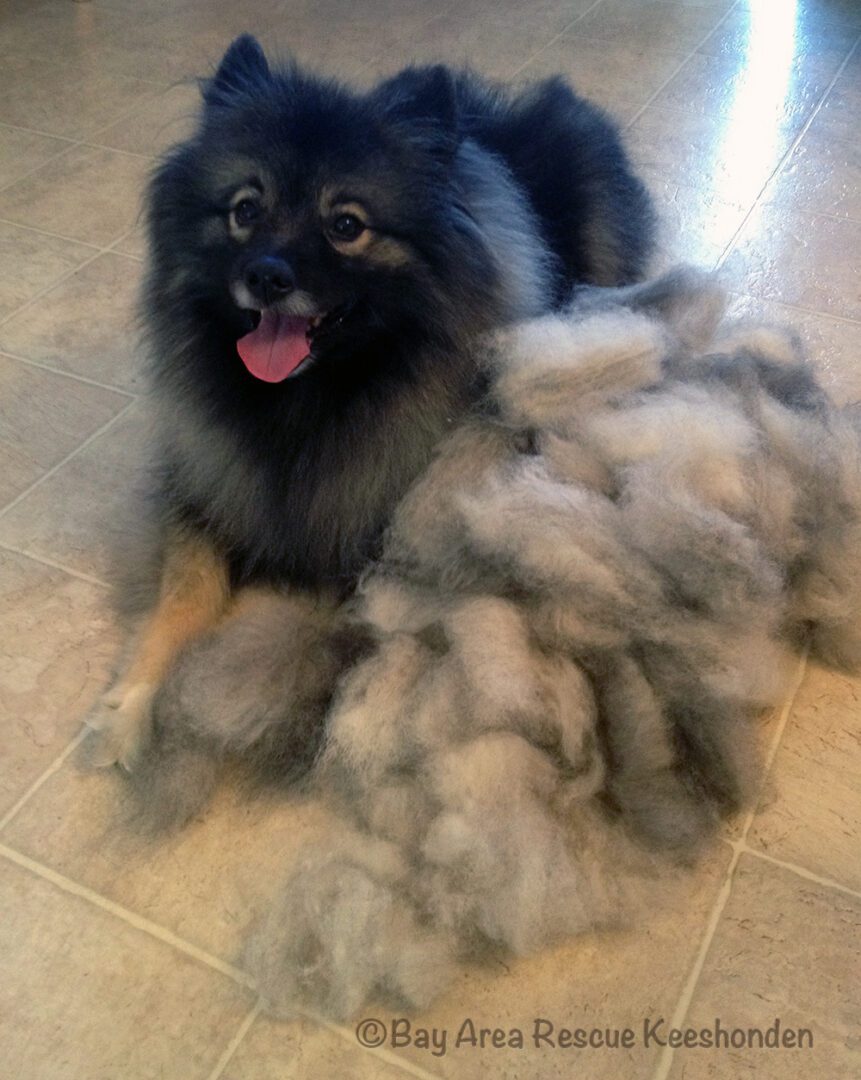
There is a Keeshond named Lala who walked in a pack with Lovie and me in California and do not recall seeing her undercoat coming out like the Huskies and Malamutes, but I believe it because she had that thick snow dog look to her coat.
Dee recommends using a 34mm pin brush, top smoother, graphite “poodle comb” to help with grooming and coat maintenance. She did make the breed’s case by arguing that at least they do not have a strong “negative or doggy smell”.
Are Keeshonds Good Family Dogs
Summary: With Mutual Respect, Yes
Dee proclaimed that Keeshonds could be good with kids under seven if the parents guide and monitor the children so that they learn to respect animals, as the breed may not be as tolerant or laid back as some other breeds known as popular family breeds. She explained that the breed may correct young impish children as they would puppies, using nips to correct nuisance behavior.
When I asked her how the breed is with other pets like cats or other breeds of dogs in the household, Dee described that the breed tends to get more attached to people than other pets, and can be breed snobs and gravitate to kindred spirits of the same breed since their “hardwiring” is the same. In Dee’s experience the breed tends to be protective of their pack and can herd cats that are part of the household but chase off animals invading their territory and she has witnessed her dogs chasing off cats, armadillos, opossums, but not snakes since she trained her dogs not to tango with Floridian snakes for safety.
How Do Keeshond Puppies Compare to Other Breeds
Summary: They Have An Ugly Duckling Stage
I noticed that a lot of people were asking if Keeshond puppies were like other breeds of puppies, and I am not sure why. Dee responded that she didn’t “know if there is a whole lot of difference” and accounted for common puppy behavior like being inquisitive, playful, affectionate with the tendency to follow their favorite people. That made me remember and miss my little Lovie who was indeed my shadow well beyond puppyhood.
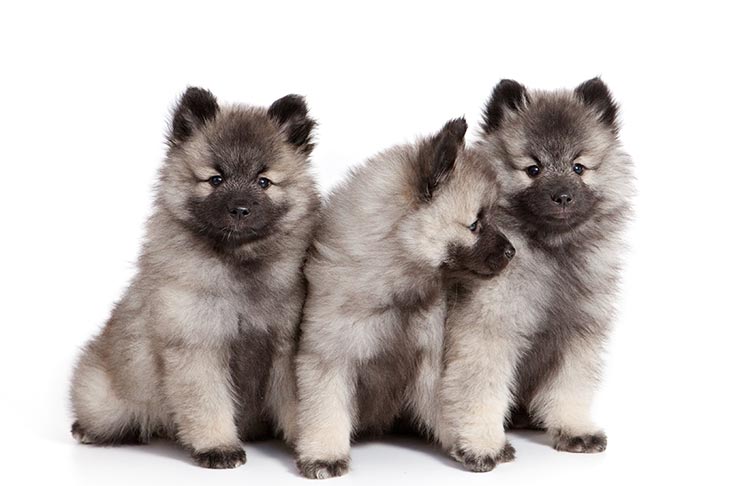
Perhaps the difference people were wondering about was more physical than behavioral as Dee described that at “about 4-6 months [they] get very ugly and look snipey” without their famous fluffy coat that does not really set in until they are adults two years of age. She affectionately called it their “baboon stage” and painted a picture of the pups with scruff around their neck and not a lot of fur on their back end that was a “bizarre look”. Her organization “put together a pictorial of puppy stages” to show the different visual stages of Keeshond development.
Common Misconceptions
The only misconception that Dee addressed was a curiosity as to why the breed sometimes appeared on the uninsurable list (with pit bulls, chows and wolf hybrids) even though the breed is not commonly aggressive. Some may be a little reactive with other dogs on occasion or food guarders, but that is not really breed specific, in my opinion, since many dogs can be like that, especially if not trained at an early age.
One Wish
Summary: Patience Is A Virtue: Wait To Get One. Respect Their Independent Nature. Groom Don’t Shave The Coat.
When I asked Dee what her one wish would be if she could change one thing about how people think about or interact with the breed, she said that she wished people would be willing to wait for one instead of going to a backyard breeder or puppy mill may produce unhealthy dogs and abuse their animals.
She also explained that “we [org] know the breed when see it and [often] have to educate a lot of shelters” since some shelters may guess that they have a keeshond mix; Dee thought because they are a breed that was bred to be people dogs. She describes the breed as “very intelligent dogs that are more catlike than dog at times” meaning that they “don’t always do what you want them to do even though they understand what you want them to do”.
She furthered that the breed can “pick up on something very quickly- any behavior but when tired its like ‘I’m not doing that anymore” and she gave fetch as an example. She explained that a keeshond may fetch two or three times and then be like “obviously it’s not that important to you if you keep throwing it away”. I will say that I did witness that behavior dynamic between an owner and Keeshond in our pack: He would throw a ball with a Chuck-it twice and then she would wander off.
She described how her different Keeshonds had different personalities: “guardian personality or clown personality or sweet personality but certain things run through all of them since people companions, they will pretty much do what you want to do”; apparently if it makes sense to the dog- smile. “If you both enjoy it, they will go to the end of the earth for you” but they are “independent thinkers”.
She did describe a pet peeve that she has witnessed: people wanting to shave them, thinking that they just need a “summer cut” or what some may think is a puppy cut for other breeds without the snow dog coat. She explained that shaving this breed can lead to alopecia. I understood her frustration as the undercoat is very important in maintaining a dog’s natural insulation.
Dee and her organization are based in Florida, a state that is famous for humidity and heat. Dee described that her dogs are not good in outdoor heat and prefer AC when it’s above 80 degrees outside. She cautions that if you are going to get this breed and live somewhere hot, that you will need to make a habit of walking them early in the morning or later at night when it is cooler.