Key Takeaways
- The Sloughi is an ancient North African sighthound with a noble history dating back thousands of years, known for hunting in desert terrains.
- Identifying a true Sloughi requires attention to specific physical traits including their smooth short coat, lean muscular body, and distinctive temperament.
- Sloughis are rare outside North Africa, with puppies typically costing between $2,000-$5,000 from reputable breeders.
- Unlike their Saluki cousins, Sloughis have shorter coats and more reserved personalities, making them suited for experienced owners.
- These dogs possess an independent yet loyal temperament that requires thoughtful training approaches and appropriate living conditions.
The Sloughi stands as one of the most elegant and ancient dog breeds still in existence today. Pronounced “SLOO-ghee,” this noble sighthound carries the dignity of its desert heritage in every graceful movement. If you’re considering this breed or simply fascinated by rare canines, understanding the Sloughi’s distinct characteristics is essential for proper identification and appreciation of these remarkable dogs.
While often confused with similar sighthounds, the Sloughi possesses unique traits that set it apart from its cousins. This comprehensive guide explores everything from historical origins to practical ownership considerations for this distinguished breed.
Sloughi Dog Breed Overview
The Sloughi represents an ancient lineage of sighthounds that has remained largely unchanged for centuries. Standing between 24-29 inches tall and weighing 35-50 pounds, these elegant dogs present a picture of refined athleticism. Their bodies are designed for speed and endurance, with the distinctive sighthound silhouette featuring a deep chest, tucked abdomen, and long, powerful legs. The breed’s sleek appearance masks their impressive strength and hunting capabilities.
Origin and Historical Background
The Sloughi’s roots trace back thousands of years to the Maghreb region of North Africa, particularly Morocco, Algeria, Tunisia, and Libya. Archaeological evidence suggests the breed may date back to ancient Egypt, with similar dogs depicted in artifacts from over 3,000 years ago. Historically, Sloughis were prized possessions of Berber tribesmen and Bedouin nomads who valued these dogs for their hunting prowess and loyal companionship. The breed’s name derives from the Arabic word “saluki,” though the Sloughi is distinctly North African rather than Middle Eastern in origin. Throughout centuries, the breed was carefully maintained through selective breeding practices that emphasized both working ability and the distinctive appearance that characterizes today’s Sloughi.
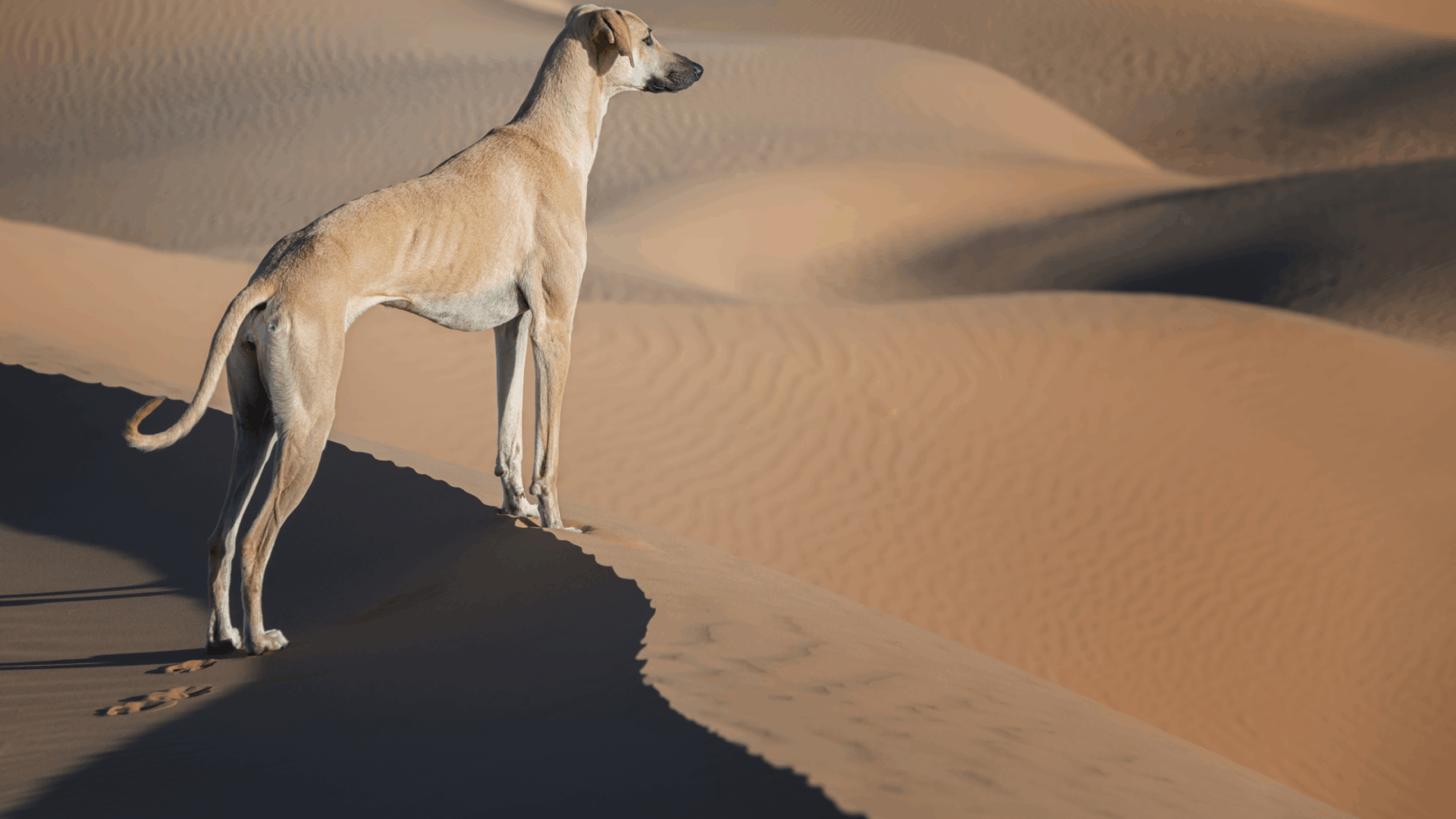
“Sloughi – FurLyfe!” from furlyfe.com and used with no modifications.
Primary Purpose and Use
Traditionally, Sloughis served as hunting companions for desert nomads, using their exceptional speed and keen eyesight to pursue game across vast distances. These dogs specialized in hunting hares, foxes, gazelles, and wild boars – providing crucial food sources for their human companions. Beyond hunting, Sloughis were valued as watchdogs and status symbols, often treated with remarkable respect in societies where dogs typically held lower status.
The Sloughi’s hunting style relies on sight rather than scent, with an explosive burst of speed that can exceed 40 mph. Unlike retrievers or pointers, these hounds were expected to chase, catch, and sometimes dispatch game independently before their owners arrived. This working heritage explains much about the modern Sloughi’s temperament and physical capabilities.
Today, while still used for hunting in their countries of origin, most Sloughis worldwide serve as companions and competitors in lure coursing, racing, and conformation events. Their natural athleticism makes them excellent sport dogs when provided appropriate outlets for their energy. For insights into another breed known for its unique qualities, consider reading an expert interview on the Miniature Pinscher.
Physical Characteristics and Identification
Identifying a true Sloughi requires attention to several distinctive physical traits. The breed possesses a short, fine coat that lies close to the body, appearing in shades ranging from light sand to mahogany red, with or without brindling and minimal white markings permitted only on the toes. Their smooth coat distinguishes them immediately from the feathered Saluki. The Sloughi’s head presents a long, refined shape with dark, expressive eyes that communicate intelligence and dignity. Their ears are medium-sized, triangular, and drop close to the head rather than standing erect. For more detailed information on the Sloughi dog breed, you can explore further resources.
The Sloughi’s body combines elegance with athletic functionality. Their topline shows a gentle arch over the loin, while the underline displays the dramatic tuck-up characteristic of sighthounds. Limbs are straight, lean, and muscular, with hocks positioned low to the ground, enhancing their sprinting capabilities. The tail carries low, thin at the base with a slight curve at the end, and should never be carried high over the back. Movement is perhaps the most telling characteristic – the Sloughi moves with a light, floating gait that covers ground effortlessly.
- Height: Males 26-29 inches, females 24-27 inches at shoulder
- Weight: Males 45-50 pounds, females 35-45 pounds
- Coat: Short, fine, smooth in sand to mahogany colors
- Eyes: Dark, slightly oval, expression of dignity
- Distinctive features: Deep chest, tucked abdomen, low-set hocks
Rarity and Cost Factors
The Sloughi remains one of the rarer breeds worldwide, particularly outside North Africa. In the United States, where the breed was only officially recognized by the American Kennel Club in 2016, finding a Sloughi can be challenging. Only a handful of dedicated breeders maintain the breed in North America and Europe, resulting in limited availability and relatively high acquisition costs. This rarity stems from both their geographic origin and the careful preservation of the breed standard by dedicated enthusiasts.
Prospective owners should expect to pay between $2,000 and $5,000 for a well-bred Sloughi puppy from health-tested parents. This significant investment reflects not only the breed’s rarity but also the careful breeding practices required to maintain this ancient lineage. Beyond purchase price, potential owners should consider the specialized care requirements, including appropriate fencing (at least 6 feet high), quality nutrition, and veterinary care by professionals familiar with sighthound physiology. While adoption through rescue organizations is possible, the limited numbers mean lengthy waiting periods are common for those seeking to provide a home for a rescued Sloughi.
Sloughi in Context: Breed Classification and Comparisons
Understanding the Sloughi in the context of other breeds helps potential owners make informed decisions. This ancient sighthound shares characteristics with several other breeds while maintaining its distinctive qualities. Proper classification provides valuable insight into the Sloughi’s expected behaviors, abilities, and care requirements.
Sloughi’s Position in the AKC Hound Group
The American Kennel Club officially recognized the Sloughi in 2016, classifying it within the Hound Group. Unlike scent-driven hounds such as Bloodhounds or Beagles, the Sloughi belongs to the sighthound category, relying primarily on vision rather than smell to track prey. This classification aligns with the breed’s historical function as desert hunters that pursued game across vast open spaces where visual tracking proved most effective. Within the AKC’s Hound Group, Sloughis participate in conformation shows where judges evaluate them against the official breed standard focusing on their distinctive silhouette, movement, and proportions.
Beyond conformation events, the Sloughi excels in performance sports like lure coursing and racing that showcase their natural abilities. The AKC’s recognition has helped increase awareness of this rare breed while establishing standardized evaluation criteria that help preserve its historical characteristics. However, serious Sloughi enthusiasts often emphasize that performance ability—not just appearance—remains essential to maintaining the breed’s integrity.
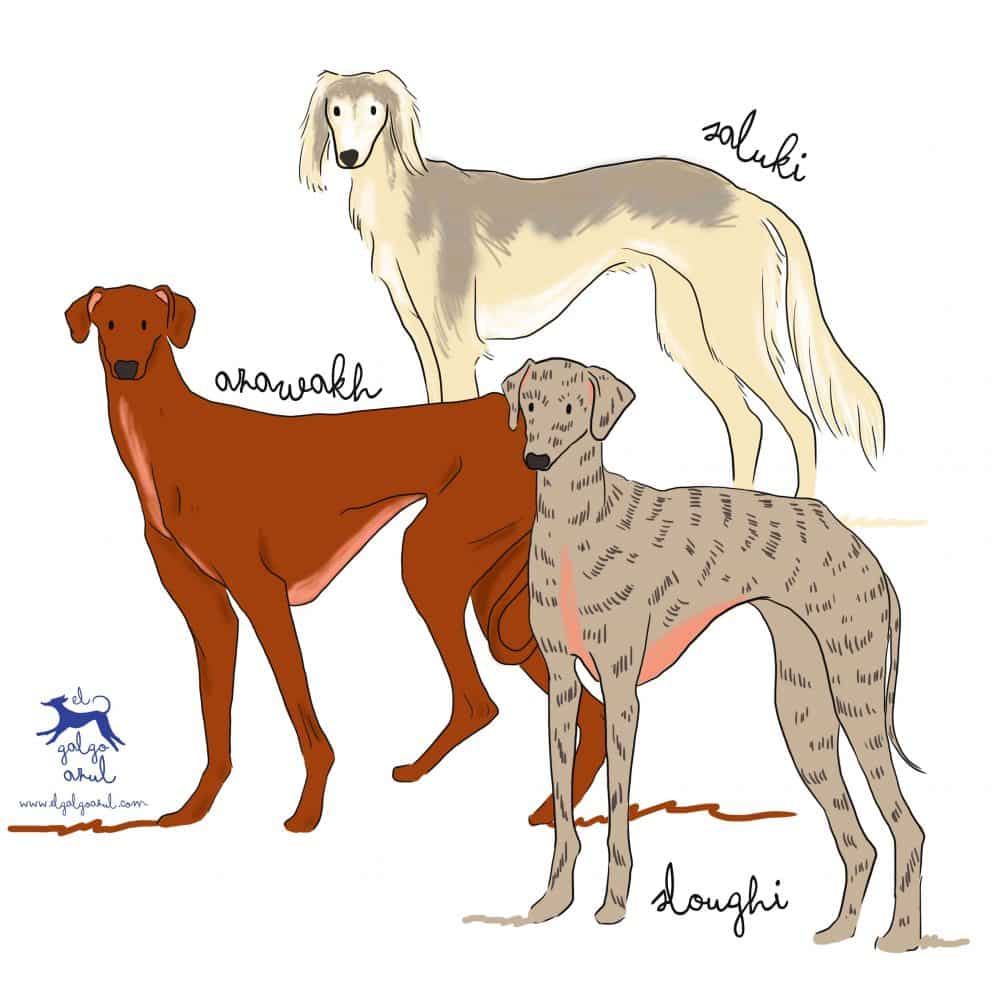
“The sloughi, the African desert greyhound” from elgalgoazul.com and used with no modifications.
Comparative Analysis with Saluki and Azawakh
The Sloughi is frequently confused with the Saluki, another ancient sighthound with origins in the Middle East. While these breeds share a similar silhouette and hunting heritage, several key differences exist. Salukis typically display more feathering on ears, tail, and legs, while Sloughis have consistently smooth coats. Temperamentally, Salukis often appear slightly more outgoing, while Sloughis tend toward greater reserve with strangers. Structurally, Salukis generally have a more rectangular body outline compared to the more square proportions of the Sloughi. To learn more about sighthounds and their unique characteristics, check out this Aussie breed comparison.
The Azawakh, originating from West Africa, represents another close relative with distinctive differences. Azawakhs possess an even more extreme tuck-up of the abdomen, more angular features, and often display white markings that would be considered excessive in a Sloughi. They typically stand taller and leaner than Sloughis, with more prominent bone structure. Temperamentally, Azawakhs often demonstrate stronger territorial instincts than their North African cousins. These distinctions, while subtle to novices, are immediately apparent to experienced sighthound enthusiasts and explain why these breeds developed separately to suit different regional conditions and hunting requirements.
Breed Comparison: Sloughi vs. Related Sighthounds
Sloughi: Smooth coat, reserved temperament, North African origin, square-ish proportions
Saluki: Feathered variety common, slightly more outgoing, Middle Eastern origin, rectangular build
Azawakh: Extremely lean, more angular, prominent white markings, West African origin
Differences and Similarities with Other Sighthounds
Beyond its closest relatives, the Sloughi shares the sighthound family with several other notable breeds. Compared to Greyhounds, Sloughis present a more substantial bone structure and typically demonstrate greater endurance rather than explosive sprint speed. While Greyhounds excel in short bursts reaching up to 45 mph, Sloughis were bred for sustained pursuit across rough terrain. The Whippet, essentially a smaller version of the Greyhound, differs dramatically in size from the Sloughi and generally displays a more exuberant temperament.
The Irish Wolfhound and Scottish Deerhound represent the larger end of the sighthound spectrum, towering over the Sloughi with more substantial bone and muscle mass. These northern breeds were developed for hunting large game in cooler climates, resulting in heavier coats and different proportions than the desert-adapted Sloughi. Despite these differences, all sighthounds share certain characteristics—keen vision, a prey-driven nature, and the distinctive “double-suspension” gallop that allows them to reach impressive speeds. These similarities in movement, silhouette, and hunting style connect these diverse breeds across their separate development histories.
Understanding Sloughi Temperament and Lifestyle Needs
The Sloughi’s temperament reflects its ancient heritage as both hunter and companion to desert nomads. These dogs developed a unique personality profile that balances independence with loyalty, creating a complex character that appeals to experienced dog owners. Understanding these temperamental traits is crucial for anyone considering bringing a Sloughi into their home. For insights on similar breeds, check out this Australian Terrier breed comparison.
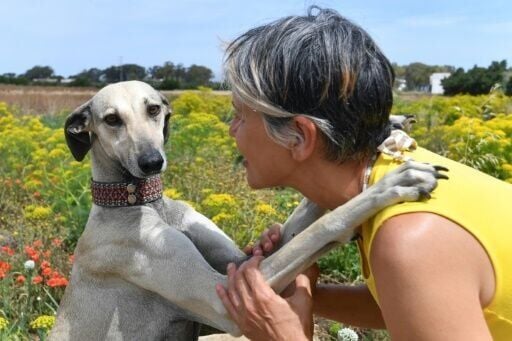
“Dying breed: Tunisian dog lovers push …” from selmasun.com and used with no modifications.
Independent yet Loyal Nature
Sloughis typically display a dignified reserve that some misinterpret as aloofness. In reality, these dogs form deep bonds with their families while maintaining an independent spirit. Unlike breeds bred specifically for constant human interaction, Sloughis evolved to work cooperatively with humans while making independent decisions during hunts. This history results in a dog that values connection with its people but doesn’t constantly seek approval or direction.
With family members, the Sloughi often shows surprising affection and sensitivity. Many owners describe their Sloughis as “velcro dogs” at home, seeking physical contact and maintaining awareness of their humans’ locations and activities. This contrasts sharply with their typically reserved behavior around strangers, where they may appear standoffish or wary. This duality—independence paired with deep attachment—defines the breed’s character and requires owners who appreciate a dog that balances closeness with dignity.
Early socialization proves essential for developing the Sloughi’s natural reserve into appropriate confidence rather than fearfulness. Well-socialized Sloughis maintain their characteristic dignity while accepting new people and situations with calm assessment rather than anxiety. Their sensitivity makes harsh treatment counterproductive, potentially damaging the trust relationship these dogs value. The ideal Sloughi owner respects the breed’s thoughtful nature while providing clear, consistent guidance that builds confidence.
Exercise and Training Requirements
Despite their calm demeanor indoors, Sloughis require significant physical exercise to maintain physical and mental health. These athletes thrive with regular opportunities to run in safely enclosed areas, with 20-30 minutes of full-speed running several times weekly representing the minimum requirement. Without adequate exercise, Sloughis may develop destructive behaviors or anxiety issues. Complementing high-intensity running sessions, daily walks provide mental stimulation and basic exercise, though leash control remains essential due to their strong prey drive.
Training approaches for Sloughis must account for their independent thinking and sensitivity. These intelligent dogs quickly understand concepts but may question the relevance of repetitive exercises that lack clear purpose. Successful training utilizes positive reinforcement methods that engage the Sloughi’s intelligence while building trust. Harsh corrections typically backfire, creating resistance rather than cooperation. Many Sloughis excel in lure coursing, racing, and even agility when training methods match their thoughtful nature. The key to success lies in establishing yourself as a worthy leader through consistency and fairness rather than dominance or force.
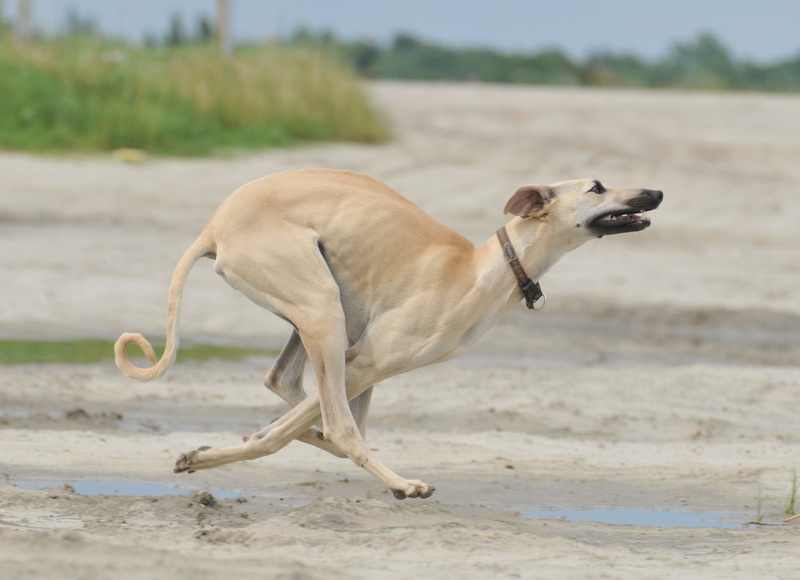
“Sloughi-Balkan Kennel | Characteristics” from www.sloughi-balkan.com and used with no modifications.
Health Considerations and Lifespan Expectations
Sloughis generally enjoy good health with a life expectancy of 12-16 years. As a naturally evolved breed, they’ve avoided many of the extreme physical characteristics that create health issues in more heavily modified breeds. However, they do face some breed-specific concerns. Progressive retinal atrophy, certain autoimmune disorders, and sensitivity to anesthesia represent the most significant health challenges. Their lean physique makes proper nutrition crucial, as these dogs typically have little fat reserve and higher metabolism than many breeds. Working with veterinarians familiar with sighthound physiology proves essential, as standard medication dosages and anesthesia protocols may require adjustment for these unique dogs.
Finding and Choosing Sloughi Resources
Connecting with knowledgeable resources is essential when considering a rare breed like the Sloughi. Since these dogs remain uncommon in most countries outside North Africa, finding accurate information and reputable breeders requires diligence. Specialized breed clubs often serve as the best starting point for prospective owners seeking guidance about this ancient hound.
Guide to Reputable Sloughi Breeders at Dog Shows
Specialty dog shows provide excellent opportunities to meet Sloughi breeders and observe the breed firsthand. The American Sloughi Association and similar organizations in other countries typically host annual specialty shows where multiple examples of the breed can be seen together. These events offer invaluable chances to compare different lines and speak directly with experienced breeders about their programs and available puppies. Reputable breeders welcome questions about health testing, socialization practices, and the specific characteristics of their lines, using these conversations to determine if their puppies would match well with potential owners’ lifestyles.
When evaluating breeders, look for those who perform comprehensive health testing including eye examinations, cardiac evaluations, and genetic screening for breed-specific conditions. Ethical breeders prioritize temperament alongside physical attributes, raising puppies with appropriate socialization to develop confident, well-adjusted dogs. They typically maintain ongoing relationships with puppy buyers, offering support and guidance throughout the dog’s life rather than simply completing a transaction. Distance often becomes a consideration with such a rare breed, and many dedicated owners travel significant distances or even internationally to acquire puppies from established breeding programs with proven records.

“Where to Buy Sloughi Puppies: Top …” from citizenshipper.com and used with no modifications.
Breed-Specific Rescue Organizations
While fewer Sloughis enter rescue compared to more common breeds, dedicated rescue organizations exist to rehome those in need. The American Sloughi Association Rescue and other sighthound-specific groups occasionally have Sloughis available for adoption. These organizations typically conduct thorough assessments of both dogs and potential adopters to ensure suitable matches. Adopting through rescue can provide a meaningful alternative to purchasing a puppy, offering an adult dog whose personality and energy level are already established. For those considering adoption, understanding the benefits of spay and neuter is crucial in contributing to the well-being of rescue animals.
Rescue Sloughis may come with existing training or behavioral challenges requiring experienced handlers, though many adapt beautifully to new homes when matched with knowledgeable owners. The adoption process generally includes home visits, reference checks, and detailed discussions about lifestyle compatibility. Adoption fees usually range from $300-800, significantly less than purchasing from a breeder, while still providing support for the rescue organization’s continuing work. For those open to an adult dog, rescue adoption represents both a cost-effective option and an opportunity to provide a deserving home to a noble breed in need.
Ideal Owners and Living Conditions
Not every home environment suits the unique needs of a Sloughi. These dignified sighthounds thrive with owners who appreciate their independent nature while providing appropriate structure and care. Understanding the ideal living conditions helps potential owners determine whether they can offer the environment these special dogs require.
Best Environments and Family Scenarios
Sloughis adapt well to various living situations provided certain core needs are met. These dogs require secure fencing at least 6 feet tall to contain their impressive jumping ability and prevent them from pursuing prey animals they might spot in the distance. While they can adjust to apartment living if given adequate exercise, access to safe running areas several times weekly remains essential regardless of home size. Their short coats offer minimal protection from extreme cold, making them better suited to moderate or warm climates unless accommodations like dog coats are provided during winter months.
Regarding family dynamics, Sloughis typically form strongest bonds with adults who respect their dignity and sensitivity. They can do well with older, respectful children but may find the unpredictable movements and noise of very young children stressful. Many Sloughis coexist peacefully with cats if raised together from puppyhood, though their strong prey drive means small animals they haven’t been socialized with may be viewed as potential quarry. These dogs often prefer the company of other sighthounds with similar play styles and energy levels, forming harmonious household relationships while maintaining their characteristic reserve.
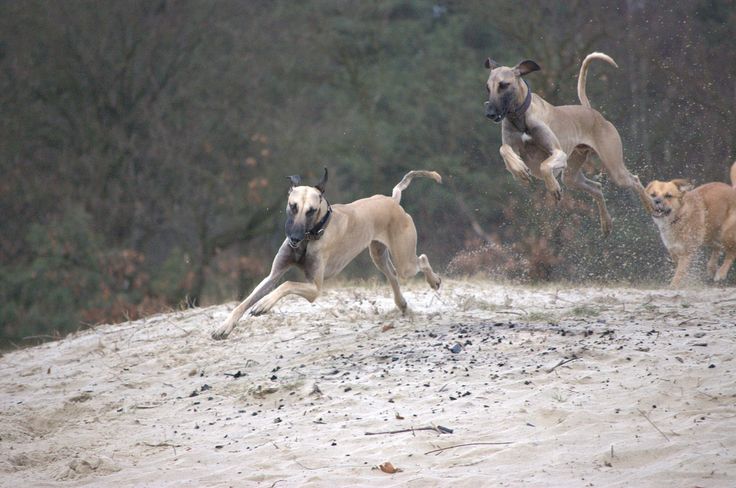
“Jumping Sloughi” from www.pinterest.com and used with no modifications.
Considerations for Potential Owners
Prospective Sloughi owners should honestly assess whether their lifestyle accommodates this breed’s unique requirements. Beyond physical needs like exercise and secure containment, these dogs require owners who understand and respect their distinctive temperament. First-time dog owners often find the Sloughi’s independence challenging, as these dogs don’t automatically look to humans for direction in the way many more biddable breeds do. Their sensitivity makes them responsive to tension in household dynamics, potentially becoming stressed in chaotic environments or during family conflicts.
The ideal Sloughi owner maintains consistent routines, provides clear expectations without harsh methods, and respects the dog’s dignity. These owners understand that the Sloughi’s reserve with strangers represents a breed characteristic rather than a flaw to be corrected. They appreciate a dog that chooses to be near them rather than one that constantly demands attention. For those who value these qualities, the Sloughi offers an unparalleled companion – elegant, intelligent, and deeply connected while maintaining its noble independence.
Nicknames and Cultural Significance
Throughout its long history, the Sloughi has acquired various names reflecting its cultural importance and geographic distribution. Understanding these names and the breed’s place in its native cultures provides valuable context for appreciating these ancient dogs beyond their physical characteristics.
Origin and Meaning of Common Nicknames
The Sloughi has been known by several names across different regions and time periods. In Morocco, the breed is sometimes called “Sloughi Moghrebi,” literally meaning “Moroccan Sloughi,” distinguishing it from similar sighthounds in other regions. Some Arabic speakers refer to these dogs as “Hor” or “Al Hor,” translating roughly to “the noble one,” reflecting the high status these dogs held in traditional Bedouin society. In parts of North Africa, particularly Algeria, the breed might be called “Slughi Algerian” or simply “Algerian,” indicating its regional development.
Historically, European colonists in North Africa sometimes called these dogs “Arabian Greyhounds” or “Berber Greyhounds,” though these terms inadequately capture the breed’s distinct identity separate from European sighthounds. The pronunciation of “Sloughi” itself varies regionally, with “SLOO-ghee” representing the most common English approximation of the Arabic pronunciation. These various names reflect both the breed’s widespread presence across North Africa and the high regard in which it was held by different cultural groups.
Role of Sloughi in Popular Culture
Within their countries of origin, Sloughis occupy a unique cultural position distinct from how dogs are typically viewed in Western societies. Traditional Bedouin culture, generally reserved in its treatment of dogs, made notable exceptions for Sloughis, which were permitted to share living quarters with their owners and received special care. This elevated status reflected both their practical value as hunters and a cultural recognition of their nobility and loyalty. Historic accounts describe Sloughis being adorned with silver ornaments and protective amulets, treatments rarely afforded to other dogs in Islamic societies.
In contemporary settings, Sloughis occasionally appear in films and literature about North Africa, though they remain less represented in Western media than more familiar breeds. Within Morocco and Algeria, these dogs sometimes feature in cultural festivals and traditional hunting demonstrations that celebrate their historical significance. Artwork depicting Sloughis appears in both ancient and modern North African artistic traditions, from traditional textiles to contemporary paintings, underlining their enduring cultural importance.
The Sloughi’s presence in its native regions has diminished somewhat with modernization and changing lifestyles, leading to conservation efforts by cultural preservation groups as well as dog enthusiasts. These initiatives recognize that preserving the Sloughi means protecting not just a dog breed but an important piece of North African cultural heritage that connects present generations to ancient traditions.
- Sloughi Moghrebi (Moroccan Sloughi) – specific to Moroccan lineages
- Al Hor (“The Noble One”) – reflecting their status in Bedouin society
- Arabian/Berber Greyhound – colonial-era European term
- Algerian – regional variant name
- Ouchem – used in some Berber dialects
Through understanding these cultural contexts, Sloughi owners worldwide can better appreciate the rich heritage their dogs represent. This awareness helps foster responsible stewardship of the breed, ensuring these living cultural treasures continue to thrive while maintaining the distinctive qualities that have defined them for millennia. For those interested in learning about other breeds, consider exploring the Australian Shepherd for a different perspective on dog breeds.
Frequently Asked Questions
Prospective Sloughi owners often have specific questions about this uncommon breed. The following responses address some of the most common inquiries, providing practical information for those considering adding a Sloughi to their family.
What is the average cost savings of adopting a Sloughi puppy through adoption vs. breeder?
Adopting a Sloughi through rescue organizations typically costs between $300-800, compared to $2,000-5,000 for a puppy from a reputable breeder. This represents a potential savings of $1,200-4,700. However, availability through rescue is extremely limited, and adult dogs may require additional training or behavioral support. Both pathways to ownership have their advantages—rescue adoption offers significant cost savings and the opportunity to provide a home to a dog in need, while purchasing from a breeder provides more predictability regarding health testing and early socialization.
Are Sloughis good with children under 12?
Sloughis typically do better with older, respectful children than with very young ones. Their sensitive nature means they may become stressed by the unpredictable movements, high-pitched sounds, and rough handling that often characterize interactions with children under 6-7 years old. With children ages 8-12 who understand appropriate behavior around dogs, many Sloughis form positive relationships, especially when raised together from puppyhood. To ensure a smooth transition, it’s important to have realistic expectations for the adjustment period when bringing a new dog into a family with children.
The key to successful integration lies in supervision and education—teaching children to respect the dog’s space and dignity while ensuring the dog receives adequate quiet time when needed. Families with very young children might consider waiting until children are older before adding a Sloughi, or choosing a more naturally child-oriented breed. Individual temperament varies, however, and some exceptionally tolerant Sloughis may adapt well to gentle younger children.
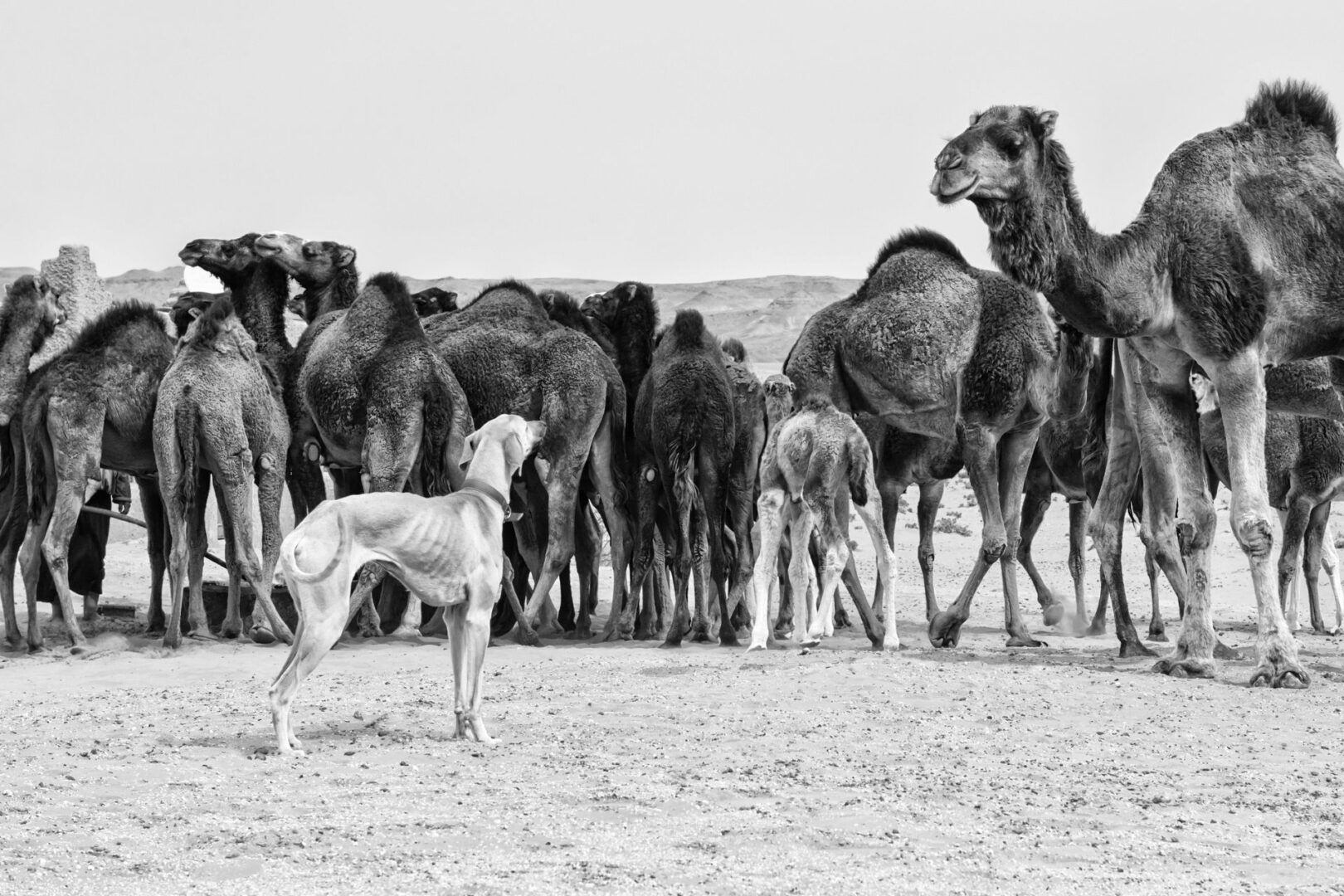
“Sloughi: Dog Breed Characteristics & Care” from www.thesprucepets.com and used with no modifications.
How does the Sloughi compare to the Greyhound in terms of speed and temperament?
While Greyhounds achieve higher top speeds (up to 45 mph compared to the Sloughi’s 40 mph), Sloughis typically demonstrate greater endurance and agility over varied terrain. Greyhounds excel in short sprints on flat surfaces, while Sloughis were developed for extended pursuits across rough desert landscapes. This difference reflects their distinct evolutionary paths—Greyhounds optimized for track racing versus Sloughis adapted for practical hunting in challenging environments. For more insights on dog breeds, check out this expert interview on Field Spaniels.
Temperamentally, Sloughis generally present as more reserved and independent than Greyhounds. While retired racing Greyhounds often adjust quickly to pet homes, eagerly seeking human attention and affection, Sloughis typically maintain a more dignified distance with strangers while forming deep but less demonstrative bonds with their families. Greyhounds tend to adapt more readily to new situations and people, whereas Sloughis often take longer to assess changes in their environment. Both breeds share the classic sighthound sensitivity and gentleness, but express these traits through different behavioral patterns.
What is the best living environment for a Sloughi?
The ideal Sloughi environment combines secure containment with regular access to safe running areas. A home with a securely fenced yard (minimum 6-foot fencing) provides convenience, though the yard size matters less than the availability of spaces where these dogs can run at full speed several times weekly. Climate considerations matter—their short coats make them sensitive to extreme cold, though they adapt well to heat reflecting their desert origins.
Beyond physical environment, household atmosphere significantly impacts Sloughi wellbeing. These dogs thrive in homes with predictable routines, moderate activity levels, and calm interactions. They typically prefer quieter households without constant commotion or frequent large gatherings. Urban living works well provided regular exercise needs are met, though rural settings often offer advantages in terms of space and reduced stimulation. The most critical environmental factor remains the owner’s understanding of the breed’s nature—homes where their independence is respected while providing clear structure consistently produce the happiest, most well-adjusted Sloughis.
Which health issues are Sloughis most prone to?
While generally healthy, Sloughis have several breed-specific health considerations. Progressive Retinal Atrophy (PRA) represents one of the most significant concerns, potentially leading to blindness without available treatment. Autoimmune thyroiditis occurs with some frequency, requiring lifelong medication when diagnosed. Like other deep-chested breeds, Sloughis face elevated risk of gastric torsion (bloat), a life-threatening emergency requiring immediate veterinary intervention.
Perhaps most critically, Sloughis share the sighthound sensitivity to anesthesia and certain medications due to their low body fat and unique metabolism. Working with veterinarians familiar with sighthound physiology is essential, as standard medication dosages may prove dangerous. Responsible breeders conduct comprehensive health testing, including eye examinations, thyroid panels, and cardiac evaluations, to reduce these risks in their breeding programs. Owners should discuss breed-specific health monitoring with their veterinarians, including regular eye examinations and baseline thyroid testing to catch potential issues early.