Manx and Bobtail Breeds Rescue & Adoption FAQ Answered
Interview with Kitty Elder, Founder, Tailless Cat Rescue
In addition to articles that describe a cat breed based on research, in this case Manx, American and Japanese Bobtails, I wanted to share insider and breed expert knowledge with you. I hope that this interview will help answer your every question about what life with a Manx, American Bobtail or Japanese Bobtail would be like so that you can make an educated decision about whether these breeds would be a match for you and your lifestyle. The following is a summary of our conversation about the breed and breed rescue for Manx, American and Japanese Bobtails; it is a combination of direct quotes and my best attempt to paraphrase based on my interpretation of sentiment.
If after reading this and our informative article about the breed, you would like to learn more and possibly adopt a tailless cat from rescue, then I encourage you to contact Tailless Cat Rescue directly.
How Much Does It Cost To Adopt A Tailless Cat
The adoption fee for Tailless Cat Rescue ranges from $50-150 with kittens usually being $150 and adult cats ranging from $95-100. Sometimes donors will give money to lower the adoption fee for cats that have been waiting to get adopted for a while.
How Do Tailless Cats Compare to Cats With Full Tails
Kitty rescues purebred and mixed breeds. She claims that the tests for felines is not as reliable as the DNA test for canines. I am not sure how reliable the DNA tests are for either as the test I took for Lovie said he was a Yorkie- what?

She did share that sometimes comically a “tailless” cat is an average cat was not “born that way” but just a cat who lost its tail perhaps from an accident since often there was a visible scar.
What Is Special About A Tailless Cat
Summary: “Dogs in cat suits” With The Varying Temperaments That Exist Among Canines
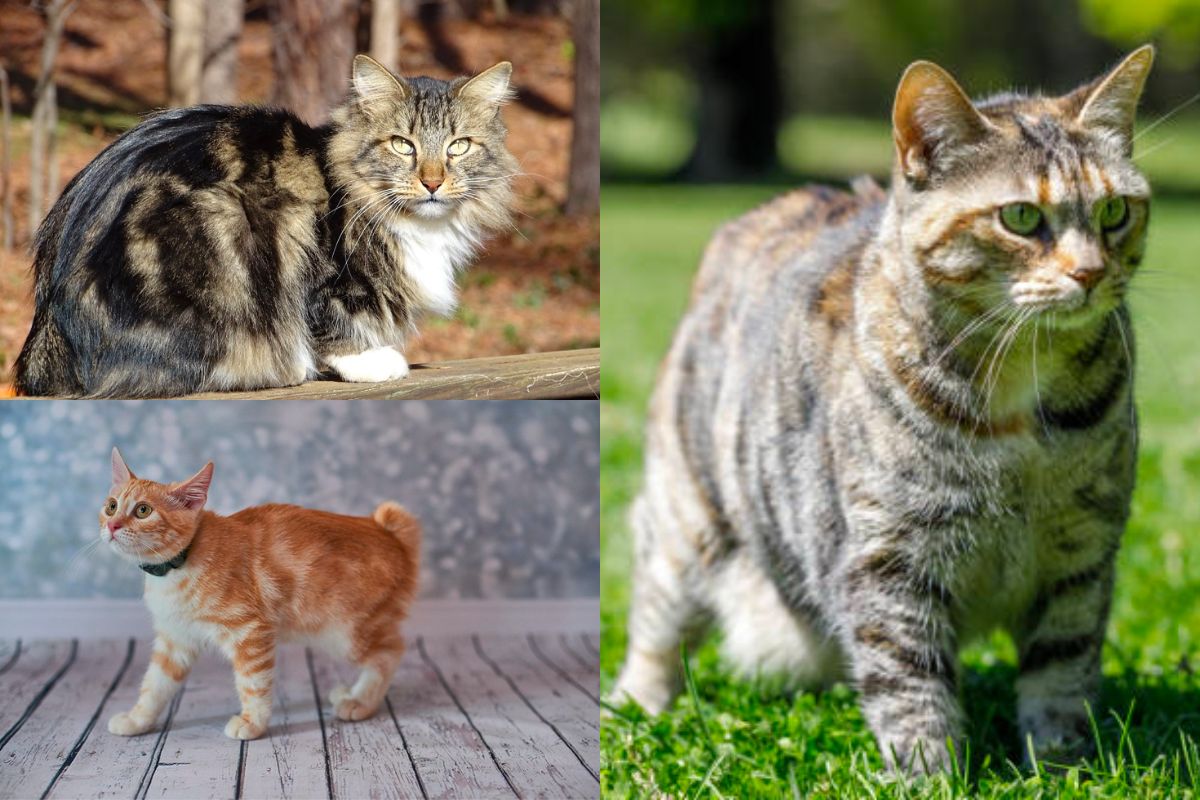
Kitty described Manx cats in particular as “dogs in cat suits” because they want to be with you. She described American Bobtails as laid back and very people oriented. Japanese Bobtails, on the other hand, she described as high energy and mischievous and she shared an anecdote about one that sat on the top of a door and looked down to monitor what was going on below its observation deck. Kitty also argued that tailless cats can be protective of their owners like a dog and even be known to growl and chase off outsiders and potential threats. Our calico Spike was like that.
Do Tailless Cats Make Good Pets
Summary: They Could Be Man’s Second Best Friend
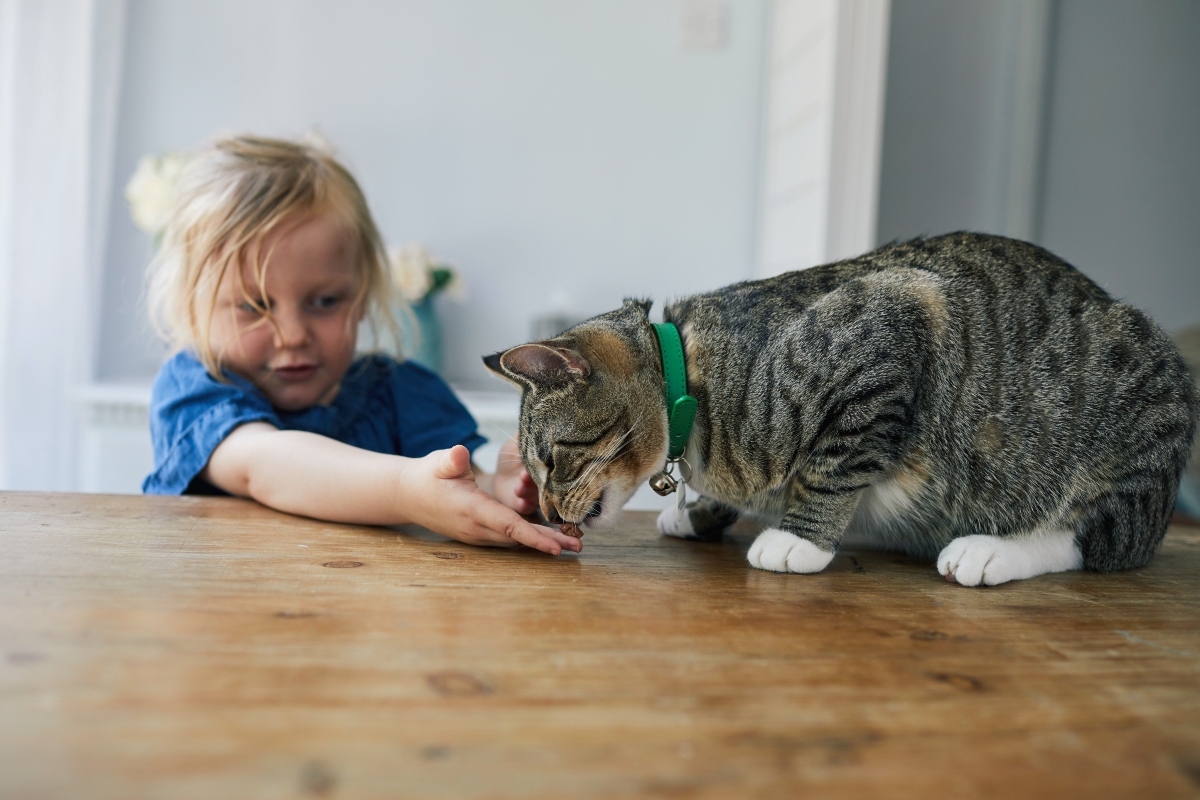
Kitty describe the various tailless cat breeds that she rescues as very affectionate cats that “absolutely, yes” make great pets and will usually bond with the whole family not just one person. She proclaimed that they were “cats men will like” because she argued that many men like interactive cats that can play fetch.
How Does Tail Length Impact A Cat’s Health
Summary: If There’s Enough to Wiggle & Wag, Keep the Faith
Kitty accounted for the fact that incontinence can occur if the tail is too short since it impacts the cat’s spine if they are a “rumpy” or the shortest of the tail length varieties. The next length is “rumpy riser” with a single vertebrae for the tail, then stumpy, and longy is a full length tail.
She did want to clarify that “Manx syndrome’ is not a medical term and that incontinence due to tail length can occur in any breed if the spine is too short since the nerves can be lost or damaged near the hind legs, bladder and anus. She expressed a degree of frustration that “Manx syndrome” could arguably be considered a misnomer, in her opinion. She argued that even if something may be common, it does not mean that it’s inherent and she gave the example of hip dysplasia and German Shepherds is not called German Shepherd syndrome.
She went on to assert that just because a tailless cat has bad diarrhea, that it does not necessarily mean that it is incontinent, it may have a bacterial infection, worms or a parasite that can take up to a month to clear up (and I can testify to this as one of Lovie’s good buddies Lillie loved to eat mud and got giardia on a regular basis).
Kitty claimed that most cats with bob tails that are two inches or longer are normally fine. She also educated me on the fact that normally kittens who make it to four months without issue are normally perfectly fine, healthy cats so people should not “give up too fast”.
Reputable breeders, Kitty explained, will breed a tailless cat with a long tail cat to ensure that the litter yields kittens with healthy spines. The practice of breeding short tail to short tail or rumpy to rumpy is committed by non-reputable breeders who may be uneducated and trying to meet demand, as this can increase of the odds of cats with incontinence that can suffer from “urine scald” if urine repeatedly hits the delicate skin that might otherwise by protected by fur.
Kitty is an ardent supporter of “adopt don’t shop” but for people who are dead set against adoption or just prefer going to a breeder, perhaps because they do not want to wait for a tailless cat to become available, Kitty suggests visiting the breeder either in-person or virtually to witness the living conditions of the parents being bred. Unhealthy conditions should raise a red flag as they can be a clear indicator of a breeder who may not be taking the necessary steps to produce a healthy litter. A visit, I would think an in-person visit especially, can help identify possible kitty mill so that people do not frequent them and they hopefully get shut down.
She also advocates that people look at what tests the breeder conducted according to the breed, as an educated and ethical breeder would know which ones to do and would do them.
Are Tailless Cats Rare
My research suggested that tailless cats are uncommon but apparently not in North Caroline where Kitty is based. According to Kitty, the rarity varies by state, for example, they are rare in Wyoming. She explained that American Bobtail and Manx are dominant genes, and even though her rescue org spays and neuters all of their cats before placing them, many people do not, and thus the commonality in North Carolina.
Kitty’s One Wish
When I asked Kitty what her one wish would be if she could change one thing about public perception about tailless cats or rescue, she emphatically answered “#1 thing is spay and neuter” because that is arguably the number one reason why dogs and cats, including ferals, end up in need of rescue if they do not die first

Her advice to people who are or are considering becoming rescue volunteers was: “if want to start a rescue, #1 thing is the ability to say no” since realistically, there is more need than any one person can address. She acknowledge the “wonderful hearts” that people who take on this noteworthy mission have, but cautions that “you have to have limits.”