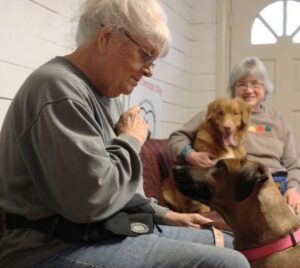
Why visibility—not just policy—determines whether pet-friendly spaces drive traffic, repeat visits, and real community connection
Summary
Pet-friendly retail and hospitality spaces can drive foot traffic when they move beyond a passive policy. Visibility—both at the venue and online—influences where pet owners choose to go, while ongoing collaboration with local rescues strengthens customer connection, repeat visits, and long-term loyalty.
Key Takeaways
- Pet-friendly alone does not drive results without visibility
- Customer behavior is influenced by where pets are clearly welcomed
- Visibility at the venue and online increases foot traffic and repeat visits
- Ongoing presence is more effective than one-time events
- Collaboration with rescues strengthens trust, recognition, and connection
Why Pet-Friendly Alone Doesn’t Drive Results
There’s a difference between allowing pets and being known for it. Some pet-friendly businesses get more customers because people can clearly see and experience that pets are welcome. When pet-friendly is visible—both at the location and online—it influences where people choose to go and how often they return.
Without that visibility, even pet-friendly policies often go unnoticed.
How Pet Owners Actually Decide Where to Go
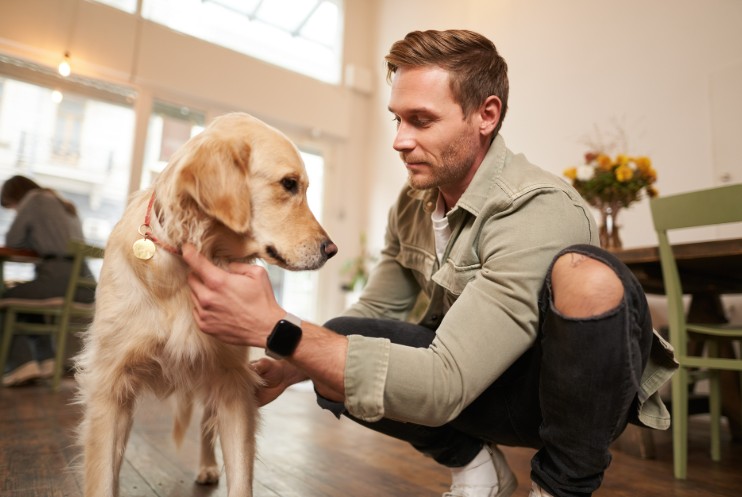
For many people, pets are part of everyday life, not an occasional consideration. Decisions about where to spend time—whether shopping, dining, or staying overnight—are often influenced by whether pets can be included.
When pet-friendly is clear and visible, those spaces are more likely to be chosen. When it’s unclear or hidden, it rarely factors into the decision at all.
Visibility at the Venue and Online
Being pet-friendly only works when it’s visible.
At the venue level, this shows up in how the space feels and what customers see in real time. Online, it shows up in how businesses appear when people are searching and deciding where to go.
Repeated visibility builds familiarity. Familiarity influences choice.
What Changes When Pet-Friendly Becomes Visible
When pet-friendly moves from passive to visible, customer behavior shifts.
Spaces move from being occasional stops to places people return to regularly. They become part of a routine—especially for pet owners who are actively looking for places where they can bring their pets without friction.
This is where foot traffic becomes more consistent, not just occasional.
Where Local Rescue Organizations Fit In
Local rescue organizations add a layer of meaning and connection that standard retail or hospitality experiences don’t provide on their own.
Their presence creates a shared point of interest for pet owners and strengthens the connection between businesses and the people they serve. It also expands visibility by connecting businesses to an already engaged audience.
Rather than functioning as one-time additions, rescue organizations can act as an ongoing bridge between businesses and pet owners.
Beyond One-Time Events
One-time events can bring temporary attention, but they rarely change long-term behavior.
What drives repeat visits is consistent visibility—seeing the same signals over time, both in person and online. That consistency builds recognition and makes it easier for customers to choose the same place again.
Customer Behavior and Repeat Visits
People return to places that fit into their daily routines and reflect how they live.
When pet-friendly spaces are clearly visible and easy to navigate, they reduce friction in decision-making. Over time, that familiarity builds trust, and trust leads to repeat visits.
This is where pet-friendly begins to influence long-term customer patterns, not just one-time decisions.
Perception vs. Reality
Many businesses assume that allowing pets is enough.
In practice, customers only respond to what they consistently see and experience. If pet-friendly isn’t visible, it doesn’t influence behavior.
The gap between policy and perception is what determines whether it drives results.
From Pet-Friendly to Pet-Welcoming
Pet-friendly means pets are allowed.
Pet-welcoming means pets are expected, visible, and part of the experience.
That shift—from passive to visible—is what changes how customers respond, how often they visit, and how they remember a place.
The Bigger Impact
When visibility, consistency, and collaboration come together, the impact extends beyond individual visits.
Businesses benefit from increased recognition, foot traffic, and repeat customers. Rescue organizations gain ongoing visibility and connection to local audiences. Customers benefit from spaces that better reflect how they live with their pets.
Explore more insights on pet-friendly living and real-world visibility at https://rescuesrsuper.com/articles/