Summary
Social media has dramatically increased visibility for rescue animals, foster organizations, and adoption efforts. At the same time, visual-first online culture increasingly shapes how people evaluate pets, often encouraging fast emotional judgments based on appearance, aesthetics, or a single photo rather than long-term compatibility. Rescue organizations, foster caregivers, and breed-specific rescues increasingly emphasize that successful adoptions require deeper understanding of personality, lifestyle fit, energy level, environment, and expectations — factors that rarely translate fully through photos alone.
Key Takeaways
- Social media increasingly shapes rescue adoption expectations and first impressions
- Photos alone rarely capture temperament, compatibility, or energy level
- Rescue volunteers and foster caregivers often function as matchmakers, not gatekeepers
- Breed knowledge still matters when evaluating long-term compatibility
- Shelter and rescue photos can unintentionally misrepresent animals
- Better matching may improve adoption success and reduce returns
Social media has helped transform rescue visibility in powerful ways. Rescue organizations can now reach larger audiences, highlight urgent cases, showcase foster success (and “foster fail“) stories, and generate adoption interest far beyond local communities.
At the same time, modern digital culture increasingly encourages rapid visual decision-making.
People often encounter rescue pets through scrolling feeds, curated photos, short-form video clips, or emotionally charged posts that create immediate assumptions about personality, behavior, compatibility, and lifestyle fit. While this visibility can help animals find homes more quickly, rescue organizations increasingly report challenges when adopters focus primarily on appearance or perceived “vibe” rather than long-term compatibility.
In many cases, rescue volunteers are not trying to make adoption harder — they are trying to make placements more sustainable.
Photos Rarely Capture Compatibility
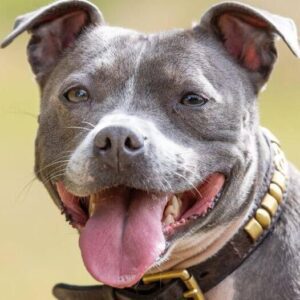
A single photo rarely tells the full story of an animal.

Lighting, posture, stress, grooming condition, shelter environment, timing, and camera angle can all dramatically influence perception. Calm dogs may appear anxious in shelter environments. Fearful animals may appear aggressive. High-energy breeds may appear relaxed in a still photo while requiring extensive stimulation in real life.
As discussed in Don’t Judge a Rescue Dog by Its Cover Photo, many rescue volunteers repeatedly encounter adopters who select animals based primarily on appearance without fully understanding breed tendencies, energy level, environmental needs, or compatibility realities.
Research and animal welfare discussions increasingly support this concern. According to findings discussed in animal welfare and adoption research, digital presentation and visual perception increasingly influence adoption behavior and emotional response.
However, visual appeal does not necessarily predict long-term fit.
Rescue Volunteers Increasingly Function as Matchmakers
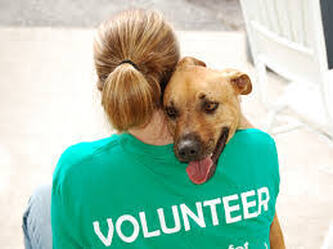
Many rescue organizations use detailed intake forms because successful adoptions often depend on compatibility rather than impulse connection alone.
Questions about activity level, work schedule, travel, housing type, children, experience, other pets, noise tolerance, and routine help volunteers evaluate whether a particular placement is likely to succeed long term.
Breed rescues, in particular, often rely heavily on behavioral knowledge and experience with breed-specific tendencies.
In interviews featured on RescuesRSuper.com, rescue representatives repeatedly emphasized frustration when adopters resisted guidance or assumed screening reflected judgment rather than care.
As explored in Scrutiny Shows Volunteers Care, rescue screening often reflects an attempt to reduce returns, instability, and emotional stress for both animals and adopters.
One recurring theme among rescue volunteers is that compatibility frequently matters more than instant emotional attraction.
Foster Caregivers Often See What Photos Cannot
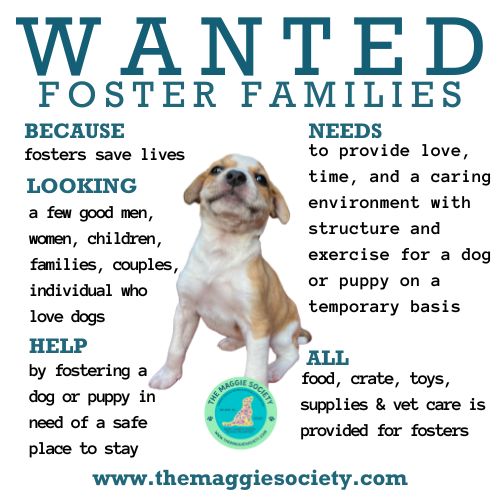
Foster caregivers often observe behaviors and personality traits that never appear in online photos.
They may notice how a dog responds to visitors, whether a rabbit enjoys social interaction, how a cat reacts to noise, or whether a pet prefers routine, stimulation, cuddling, independence, or structure.
These observations help rescue organizations describe animals more accurately while improving compatibility-based matching.
Foster insight can also reveal how pets behave outside the stress of shelter environments, where fear, overstimulation, and uncertainty may temporarily alter behavior.
In many cases, foster caregivers become critical translators between online presentation and real-world personality. Many pet rescue orgs rely on volunteer fosters not only for logistics of housing and caring for animals while they wait to be adopted, but also to aid in the adoption process by assessing the animal’s temperament to facilitate an appropriate match and placement in the right forever home.
Why Breed Knowledge Matters
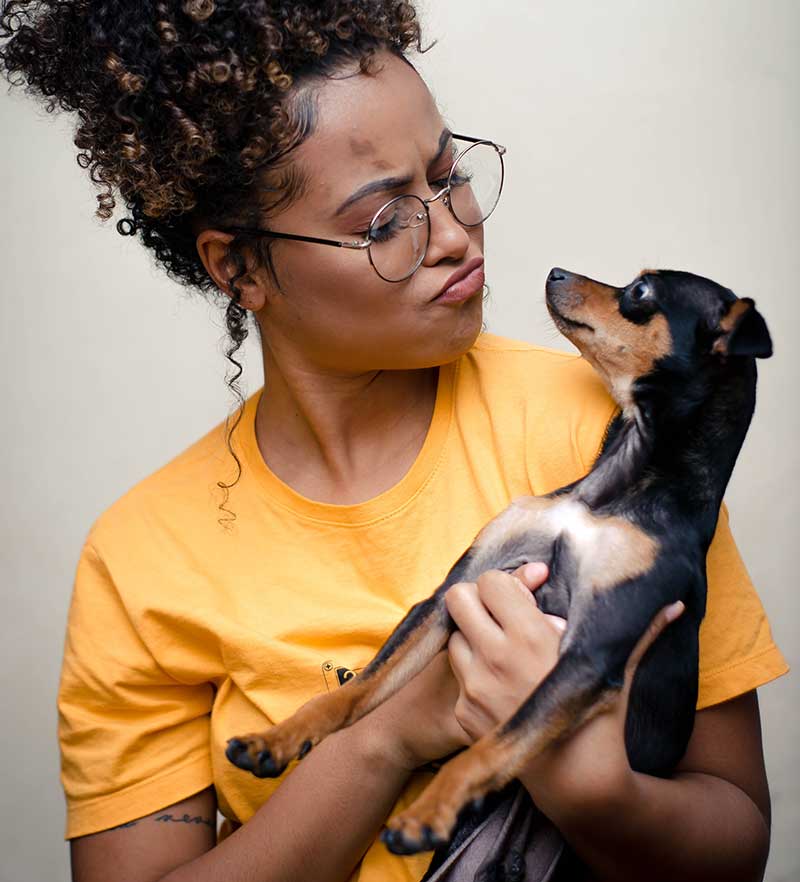
Social media increasingly encourages visual-first assumptions about pets, but breed tendencies and behavioral expectations still matter.
In interviews with breed-specific rescues, rescue interview, rescue representatives emphasized the importance of understanding temperament, energy level, training needs, sensitivity, and environmental compatibility before adoption.
Highly active breeds may struggle in low-activity environments. Sensitive breeds may become overwhelmed in chaotic households. Some companion-oriented animals require significant social interaction, while those that are more independent may thrive in quieter homes.
These realities often cannot be accurately understood through photos alone.
As guidance from the American Kennel Club and other adoption resources increasingly emphasize, long-term success often depends on matching temperament and lifestyle rather than simply choosing the most visually appealing pet.
Social Media Creates Both Visibility and Pressure
Social media has undeniably helped rescue organizations increase awareness and save lives.
According to discussions such as The Good, Bad, and Ugly of Animal Advocacy on Social Media, online platforms can dramatically increase exposure for urgent cases, fundraising, networking, and adoption visibility.
At the same time, social platforms also encourage rapid emotional response, comparison culture, aesthetic trends, and “dream pet” projection.
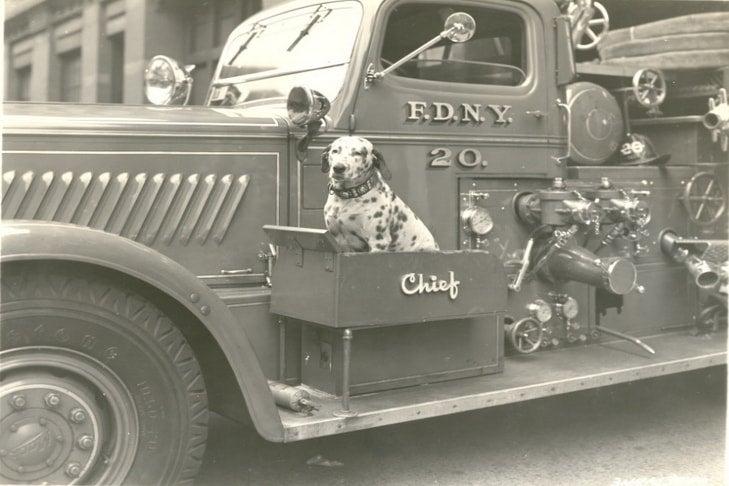
Certain breeds may trend suddenly based on a box office smash, viral videos or curated lifestyles that do not reflect real-world maintenance, stimulation needs, grooming requirements, or behavioral realities.
This can create tension between what performs well online and what creates sustainable long-term placements in real life.
Real Matching Requires Context, Not Just Chemistry
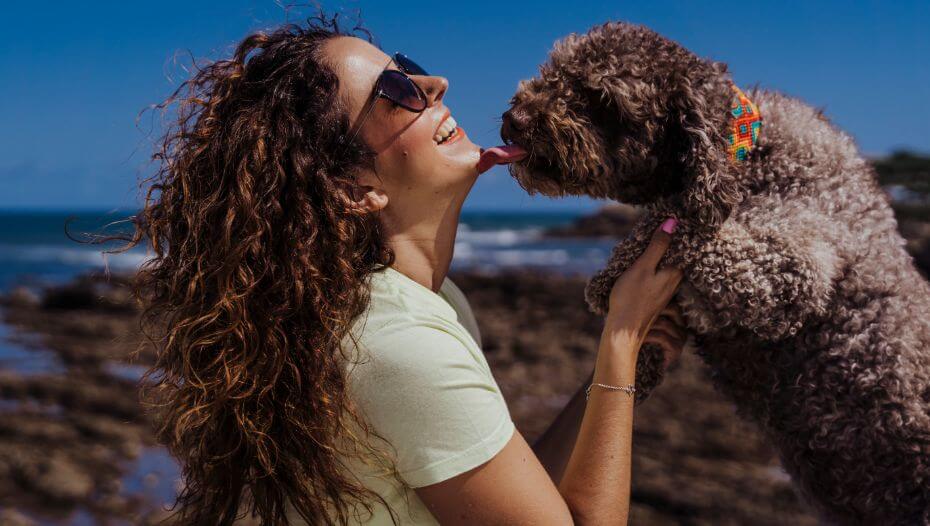
Emotional connection matters in adoption — but long-term compatibility matters too.
A successful adoption often depends on understanding how a pet fits into daily life, environment, schedule, expectations, activity level, and emotional rhythm over time. The most successful bonds often require some flexibility from the owner to adjust to their pet’s personality and preferences.
Photos can create introduction and interest; but rescue volunteers, foster caregivers, behavioral insight, and breed knowledge often provide the context that helps transform interest into sustainable placement.
As social media continues shaping modern rescue culture, many rescue organizations increasingly advocate for something deeper than visual attraction alone: informed, compatibility-based adoption decisions that support long-term wellbeing for both animals and humans.
Sources & Additional Reading
- Don’t Judge a Rescue Dog by Its Cover Photo
- Scrutiny Shows Volunteers Care
- Miniature Pinscher Rescue Interview
- Brussels Griffon Rescue Interview
- Brittany Rescue Interview
- Keeshond Rescue Interview
- Tailless Cat Breed Rescue Interview
- Savannah Cat Rescue Interview
- Australian Shepherd Rescue Interview
- Animal Advocacy & Social Media
- Animal Welfare & Digital Adoption Research
Explore more rescue stories, breed insights, and adoption education at:
https://rescuesrsuper.com/stories-and-education/